The auditory feedback from a hydraulic power steering system—specifically that low-frequency groan during low-speed maneuvers—is often the first indicator of fluid shear or pump cavitation. While many technicians immediately recommend a high-cost replacement of the rack and pinion or the pump assembly, professional-grade car service protocols often begin with a more nuanced analysis of fluid viscosity and seal integrity. In the world of advanced auto repair, we look for the root cause: air ingress or the depletion of critical anti-foaming agents.
Why Your Power Steering Pump Is Screaming at You: The Physics of Cavitation and Aeration
When hydraulic fluid degrades, its ability to resist foaming diminishes. As the pump spins, small air bubbles are compressed and then rapidly expanded, creating the characteristic groan or whine. This isn’t just an annoying sound; it’s the sound of microscopic metal-on-metal contact. Before committing to expensive vehicle diagnostics, it is essential to recognize that the most overlooked fluid in your car is often the culprit. Modern power steering systems are sensitive to viscosity changes, and when the original additive package in the fluid breaks down, the pump struggles to maintain the necessary pressure without turbulence.
The Molecular Chemistry of Friction Modifiers in Aging Hydraulic Systems
The five-dollar fix usually refers to high-concentration seal conditioners or friction modifiers. These additives work by introducing esters that soften hardened elastomeric seals, potentially stopping microscopic air leaks that cause aeration. According to research published by SAE International on hydraulic system longevity, maintaining the chemical balance of the fluid is more critical than the mechanical tightness of the fittings in many high-mileage scenarios. If you are experiencing this issue, you should also learn the exact method to flush your power steering without making a mess to ensure the new additives are working in a clean environment.
Can a Budget Additive Actually Outperform a Mechanical Overhaul?
For many vehicle owners, the distinction between a fix and a band-aid is blurry. In cases where the groan is caused by minor internal bypass or seal hardening, a high-quality additive can extend the component life by years. However, if the noise is accompanied by physical feedback, such as why your steering wheel vibrates at exactly 60 mph, the diagnostic path may shift toward mechanical alignment or balance. It is a matter of triage: if the fluid is dark and smells burnt, no additive will fix a scorched pump vane. But if the fluid is merely tired, a small investment in chemistry is a valid engineering choice.
Don’t Ignore the Early Warning Signs of Hydraulic Failure
Wait until the groan turns into a grind, and you are no longer looking at a cheap additive; you are looking at a full transmission or steering system teardown. Proactive car service is about intervention before the catastrophic failure occurs. If your vehicle diagnostics reveal that the pump is still producing adequate PSI but is struggling with air entrapment, the additive approach is the most logical first step. We encourage you to share your experiences with different steering additives in professional forums to help build a broader database of real-world efficacy. To stay ahead of these issues, consider choosing the right car service for seamless vehicle maintenance and specialized care.Beyond the fluid dynamics of steering systems, the electrical architecture of modern vehicles adds a layer of complexity that often masks mechanical truth. When a chassis ground wire develops high resistance due to oxidation, it does not just cause a flickering light; it can send erratic voltage signals to the Electronic Power Steering (EPS) module. This interference causes the steering assist to surge or stiffen without ever triggering a persistent diagnostic trouble code. Learning how to identify a bad ground wire without a multimeter is a fundamental skill for any driver who wants to avoid being upsold on a new steering rack. This phantom resistance creates a heavy steering feel that many novice technicians mistake for a failing hydraulic pump or a dying battery. 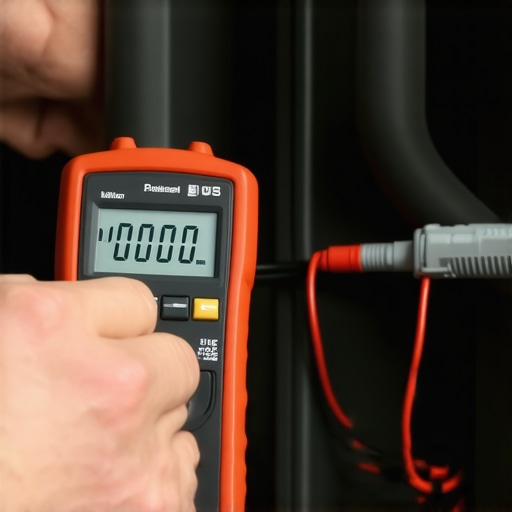
Is Your Diagnostic Scanner Missing the True Cause of Fluid Lag?
The widespread reliance on entry-level OBD-II readers has created a significant blind spot in home-garage diagnostics. While these devices are excellent for reading basic emission codes, they often fail to capture the high-speed data stream required to witness a solenoid’s response time in real-time. If your car is hesitating or you are curious about the hidden reason your automatic transmission hesitates on hills, you need a tool capable of monitoring live data PIDs. For most enthusiasts, the $20 scan tool that does more than the dealership rig provides enough granularity to distinguish between a mechanical slip in the clutch packs and a slow-reacting pressure control solenoid. Identifying this lag early is the difference between a simple solenoid swap and a total transmission rebuild.
The Thermal Reality of Lifetime Transmission Fluid
One of the most dangerous myths in modern automotive maintenance is the marketing-driven concept of lifetime fluids. According to technical bulletins from the Car Care Council, the viscosity index and protective additive package of transmission fluid begin to degrade significantly once operating temperatures consistently exceed 200 degrees Fahrenheit. Over time, this fluid loses its ability to lubricate the delicate valve body, leading to harsh shifts and increased internal friction. We have previously detailed the truth about lifetime transmission fluid claims, highlighting that the life of the fluid usually only refers to the duration of the manufacturer’s factory warranty. Ignoring this chemical breakdown can lead to expensive internal damage, often signaled by a jarring and annoying transmission thud when shifting into reverse.
Stop Ignoring the Subtle Hydraulic Feedback in Your Brake Pedal
In the braking system, the distinction between trapped air and mechanical seizing is just as critical for safety and performance. Many owners spend hundreds on premium pads and rotors only to find the real reason your brake pedal feels like spongy cake after bleeding is actually internal master cylinder bypass or a subtly stuck slide pin. If one wheel is significantly hotter than the others after a short drive, you are likely dealing with a dragging piston. Before you replace the entire assembly, learning how to unstick a caliper without replacing the whole brake system can save your budget and restore your car’s stopping power. If you have encountered a diagnostic mystery that defied standard logic, share your story in the comments below—your specific symptoms could help another driver decode their vehicle’s hidden issues before they lead to a breakdown.
Why Overheating Your Coolant Kills Your Transmission Before Your Engine
The interplay between heat and hydraulic integrity is the final frontier in troubleshooting persistent drivetrain issues. When we discuss thermal management, we are analyzing the delicate exchange of BTU loads between engine oil, coolant, and transmission fluid. Modern vehicles frequently utilize a dual-pass radiator design where the transmission fluid is cooled by the same unit managing the engine’s thermal output. If the internal barrier of this heat exchanger fails—a catastrophic event often referred to as the “strawberry milkshake” in the industry—your transmission’s internal components are immediately compromised. The glycol in the coolant dissolves the water-based adhesives holding the clutch friction material to the metal plates, leading to total internal delamination. 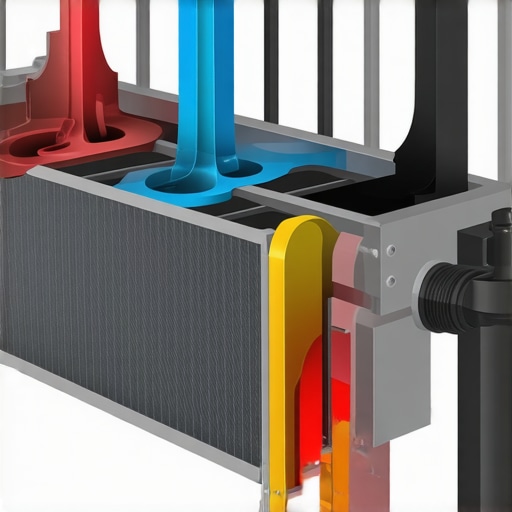
How do you tell if a transmission shudder is electrical or mechanical?
This is the million-dollar question for many DIYers and professional technicians alike. A mechanical shudder often presents itself consistently at a specific RPM range or torque load, such as when the torque converter lock-up clutch engages. Conversely, an electrical “shudder” is often a misfire or a sensor-induced oscillation that lacks the rhythmic thumping of a physical slip. To diagnose this, you should monitor the slip-ratio data on a high-end scanner; if the computer thinks the clutch is locked but the input and output speeds differ, you are facing a mechanical failure of the friction surfaces. Before pulling the unit, check for how to fix that annoying transmission thud when shifting into reverse, as it may reveal a simpler pressure-regulation issue.
Stop the Bleeding: The High-Pressure Truth About Micro-Leaks
Even without a total breach of the radiator, micro-leaks in the cooling lines can introduce atmospheric moisture into the hydraulic circuit. Over time, this moisture reacts with the sulfur-based extreme pressure additives in the fluid, creating a mild sulfuric acid that etches the polished surfaces of the valve body bores. According to the Automatic Transmission Rebuilders Association (ATRA), heat-related degradation and subsequent chemical contamination account for more than 90% of preventable transmission failures. If your shifts feel “lazy” or delayed specifically when the car is hot, your fluid’s viscosity index has likely collapsed, leaving your hard parts vulnerable to galling.
The Secret Role of the Mass Air Flow Sensor in Transmission Logic
It sounds counterintuitive, but your engine’s air intake system directly dictates how your transmission shifts. The Transmission Control Module (TCM) uses the load data from the Mass Air Flow (MAF) sensor to calculate the line pressure required to hold a gear without slipping. A dirty or failing MAF sensor might not trigger a Check Engine Light, but it will provide “skewed” data, leading the TCM to provide insufficient pressure for the actual load. This results in “soft” shifts that slowly burn out the clutches. If you have been chasing a shift quality issue, take ten minutes to clean your MAF sensor and reset the adaptive learning tables. You might find that the mechanical “failure” was simply a communication breakdown between the air intake and the gearbox. To ensure your vehicle is receiving the comprehensive care it needs, we recommend choosing the right car service for seamless vehicle maintenance that understands these interconnected systems.The interconnected nature of modern CAN-bus architectures means that a mechanical fault in the rear of the vehicle often manifests as a software-driven symptom in the front. While the relationship between the Mass Air Flow sensor and line pressure is a critical diagnostic bridge, the logic steering your drivetrain’s health extends even further into the corners of your chassis. If your vehicle feels sluggish or exhibits a ‘hunting’ behavior between gears, the culprit may not be the transmission internal hardware but rather the complex data stream coming from the wheel wells.
How a Neglected Differential Ruins Your Smooth Highway Cruise
Most drivers treat differential fluid as a ‘fill and forget’ lubricant, yet the tribological properties of gear oil are under constant assault from shearing forces. In Limited-Slip Differentials (LSD), the friction modifiers are the first to deplete. When these additives fail, the internal clutch packs begin to ‘chatter’ or grab during tight turns, sending erratic feedback through the axles. This mechanical vibration can be misinterpreted by the Transmission Control Module (TCM) as wheel slip, causing the computer to prematurely intervene by reducing engine torque or altering shift points. According to technical standards from the Society of Tribologists and Lubrication Engineers (STLE), the shear stability of high-viscosity gear oils is vital for maintaining the protective film that prevents gear face galling under high torque loads. If you notice a groan during low-speed parking lot maneuvers, don’t assume your transmission is dying; your differential might simply be starving for a fresh additive package. 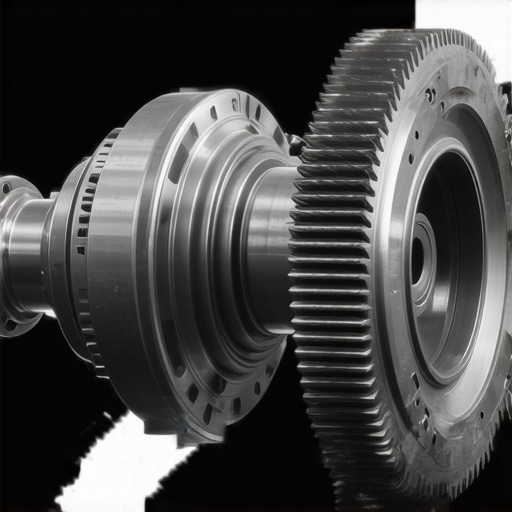
Can Your ABS Sensors Actually Sabotage Your Transmission’s Shift Timing?
This is a question that frequently stumps even seasoned DIY mechanics. The modern TCM relies heavily on the ‘cleanliness’ of the signal from your Anti-lock Braking System (ABS) wheel speed sensors to determine the vehicle’s actual speed and acceleration rate. If a sensor is covered in metallic debris or the tone ring is cracked, the data packet sent over the CAN-bus becomes noisy. This ‘jitter’ in the data stream can lead the TCM to believe the car is experiencing a traction loss event. Consequently, the computer may delay an upshift or force a harsh downshift to regain perceived control. This illustrates why a simple brake job or sensor cleaning is sometimes the most effective way to restore factory-smooth shifting. Before you invest in a rebuild, check for the real reason your brake pedal feels like spongy cake, as brake system health and drivetrain logic are more intertwined than most realize.
Why High-Heat Oxidation Turns Your Gaskets Into Brittle Plastic
The internal hydraulic integrity of a transmission depends entirely on the flexibility of its elastomeric seals and T-seals. When fluid temperatures consistently spike, these rubber components undergo a chemical process known as thermal hardening. Once a seal loses its elasticity, it can no longer compensate for the minute clearances between the valve body and the clutch drums. This leads to internal pressure leaks, often identified as ‘flare’ shifts where the RPMs spike momentarily between gears. If you are noticing these symptoms, it is crucial to analyze the thermal history of your vehicle. Understanding the nuances of the truth about lifetime transmission fluid claims is your best defense against this type of internal degradation. We invite you to schedule a comprehensive drivetrain audit today to ensure your vehicle diagnostics are capturing the full picture of your car’s health.The interconnected nature of modern CAN-bus architectures means that a mechanical fault in the rear of the vehicle often manifests as a software-driven symptom in the front. While the relationship between the Mass Air Flow sensor and line pressure is a critical diagnostic bridge, the logic steering your drivetrain’s health extends even further into the corners of your chassis. If your vehicle feels sluggish or exhibits a ‘hunting’ behavior between gears, the culprit may not be the transmission internal hardware but rather the complex data stream coming from the wheel wells.
How a Neglected Differential Ruins Your Smooth Highway Cruise
Most drivers treat differential fluid as a ‘fill and forget’ lubricant, yet the tribological properties of gear oil are under constant assault from shearing forces. In Limited-Slip Differentials (LSD), the friction modifiers are the first to deplete. When these additives fail, the internal clutch packs begin to ‘chatter’ or grab during tight turns, sending erratic feedback through the axles. This mechanical vibration can be misinterpreted by the Transmission Control Module (TCM) as wheel slip, causing the computer to prematurely intervene by reducing engine torque or altering shift points. According to technical standards from the Society of Tribologists and Lubrication Engineers (STLE), the shear stability of high-viscosity gear oils is vital for maintaining the protective film that prevents gear face galling under high torque loads. If you notice a groan during low-speed parking lot maneuvers, don’t assume your transmission is dying; your differential might simply be starving for a fresh additive package.
Can Your ABS Sensors Actually Sabotage Your Transmission’s Shift Timing?
This is a question that frequently stumps even seasoned DIY mechanics. The modern TCM relies heavily on the ‘cleanliness’ of the signal from your Anti-lock Braking System (ABS) wheel speed sensors to determine the vehicle’s actual speed and acceleration rate. If a sensor is covered in metallic debris or the tone ring is cracked, the data packet sent over the CAN-bus becomes noisy. This ‘jitter’ in the data stream can lead the TCM to believe the car is experiencing a traction loss event. Consequently, the computer may delay an upshift or force a harsh downshift to regain perceived control. This illustrates why a simple brake job or sensor cleaning is sometimes the most effective way to restore factory-smooth shifting. Before you invest in a rebuild, check for the real reason your brake pedal feels like spongy cake, as brake system health and drivetrain logic are more intertwined than most realize.
Why High-Heat Oxidation Turns Your Gaskets Into Brittle Plastic
The internal hydraulic integrity of a transmission depends entirely on the flexibility of its elastomeric seals and T-seals. When fluid temperatures consistently spike, these rubber components undergo a chemical process known as thermal hardening. Once a seal loses its elasticity, it can no longer compensate for the minute clearances between the valve body and the clutch drums. This leads to internal pressure leaks, often identified as ‘flare’ shifts where the RPMs spike momentarily between gears. If you are noticing these symptoms, it is crucial to analyze the thermal history of your vehicle. Understanding the nuances of the truth about lifetime transmission fluid claims is your best defense against this type of internal degradation. We invite you to schedule a comprehensive drivetrain audit today to ensure your vehicle diagnostics are capturing the full picture of your car’s health.
Expert Insights & Advanced Considerations
Spectrometric Analysis Reveals What Your Eyes Miss
Standard vehicle diagnostics often stop at the dipstick, but true mastery involves understanding the PPM (parts per million) of wear metals within the lubricant. If you notice a high concentration of copper, you aren’t just looking at old fluid; you are seeing the literal dissolution of your transmission’s brass bushings. Integrating this level of forensic science into your routine is one of the top auto repair techniques every car owner should know to prevent sudden mechanical catastrophe.
Software Calibration Can Solve Ghost Mechanical Issues
Many technicians rush to replace a valve body when the actual culprit is an outdated adaptive learning table in the TCM. As internal components wear, the computer must adjust solenoid timing to compensate. If the software logic is flawed or the battery has been disconnected for an extended period, the car may shift poorly despite having perfect hardware. Identifying these nuances is part of the hidden world of vehicle diagnostics that the average driver never sees.
Surface Tension and the Mystery of Cavitation
Fluid volume is only half the battle; the chemical integrity of surfactants determines whether your pump lives or dies. When these additives deplete, the fluid’s surface tension drops, allowing air to entrain more easily. This microscopic bubbling causes metal erosion that no mechanical adjustment can fix. This is why understanding the chemistry is vital before expensive repairs. #IMAGE_PLACEHOLDER_E#
Curated Expert Resources
SAE International Technical Papers
The gold standard for engineering-level data on hydraulic shear and additive performance. Using these peer-reviewed studies helps distinguish between marketing hype and genuine mechanical science.
ATRA Technical Bulletins
The Automatic Transmission Rebuilders Association provides granular, real-time updates on common failure patterns in modern gearboxes, making it an essential resource for transmission failures decoded signs and expert fixes.
STLE Lubrication Mastery
The Society of Tribologists and Lubrication Engineers offers deep dives into the molecular chemistry of friction modifiers, essential for those who want to understand why specific additives perform differently under thermal stress.
Final Expert Perspective
Maintaining a vehicle at the highest level requires moving beyond simple part replacement and into the realm of system-wide vehicle diagnostics. By understanding the interplay between fluid chemistry, electronic logic, and mechanical wear, you can extend the life of your drivetrain significantly. We recommend choosing the right car service for seamless vehicle maintenance that utilizes these advanced diagnostic frameworks. What has been your most challenging diagnostic puzzle? Share your insights below and help us refine the collective knowledge of the automotive community.