Challenging the Professional-Only Diagnostic Narrative
For decades, automotive manufacturers maintained a “black box” approach to vehicle diagnostics, effectively forcing owners into expensive car service cycles for even the most minor sensor glitches. However, the democratization of high-bandwidth CAN bus access has shifted the paradigm. Today, an informed technician or DIY enthusiast can leverage consumer-grade hardware to perform deep-system analysis that was once reserved for proprietary dealership rigs. This shift is not merely about convenience; it is about reclaiming the right to understand the mechanical and electronic health of your investment. By accessing the same data packets that the dealer sees, you bypass the opaque pricing structures of traditional auto repair facilities and gain the transparency needed to make informed maintenance decisions.
What Really Happens Inside Your OBD-II Port
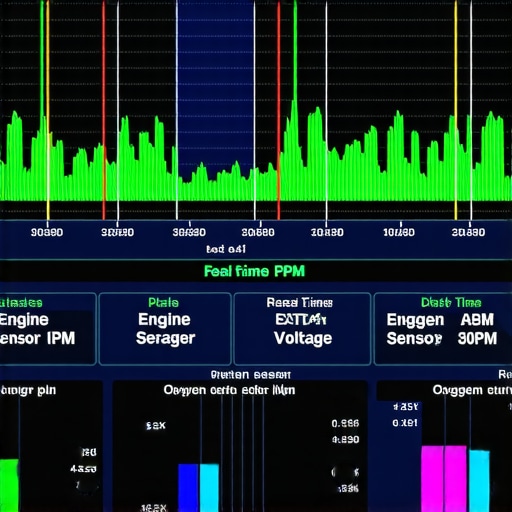
The OBD-II port is not just a gateway for error codes; it is a real-time window into the internal combustion process and electronic stability controls. When you connect a device like the the $20 scan tool that actually finds hidden transmission codes, you are initiating a handshake with the Engine Control Module (ECM) and the Transmission Control Module (TCM). This allows for the monitoring of fuel trims, oxygen sensor voltages, and spark timing. Expert-level diagnosis involves looking at “Mode 06” data—the non-continuous monitoring results that show how close a system is to failing before it ever triggers a Check Engine Light. This proactive stance is the cornerstone of modern vehicle diagnostics knowledge, allowing for repairs that address the root cause rather than just the symptoms.
Precision Transmission Logic Over Mechanical Guesswork
When a modern transmission begins to hesitate or shift harshly, the instinctual response is to fear a total mechanical collapse. However, in the age of electronic solenoids and pressure sensors, the fault is often digital rather than structural. Sophisticated diagnostic tools allow you to view “calculated load” versus “actual gear ratio” in real-time, providing an analytical breakdown of shifting patterns. According to the standards set by SAE International, standardized diagnostic trouble codes (DTCs) provide a roadmap, but the real expertise lies in interpreting live PIDs (Parameter IDs). For instance, a slight delay in a shift might be traced back to a faulty mass air flow sensor rather than the gearbox itself, as the TCM relies on engine torque data to time its engagement properly.
Can a Low-Cost Interface Actually Read Proprietary Data?
The skepticism surrounding budget-friendly tools usually centers on their ability to access “Manufacturer Specific” codes that define the nuances of a vehicle’s performance. While it is true that basic readers only pull generic P0 codes, modern software-hardware combinations have bridged this gap significantly. By utilizing ELM327-based interfaces with advanced mobile applications, users can now access ABS, SRS, and body control modules that were previously locked behind a $5,000 Snap-On scanner wall. This capability is essential for anyone looking to unlock your cars potential with expert auto repair tips, as it provides a holistic view of the vehicle’s electronic ecosystem. We invite you to join our professional forum to share your most challenging diagnostic “ghost in the machine” stories and how you solved them using consumer-grade tools.
Stop Chasing Digital Ghosts and Check Your Ground Wires
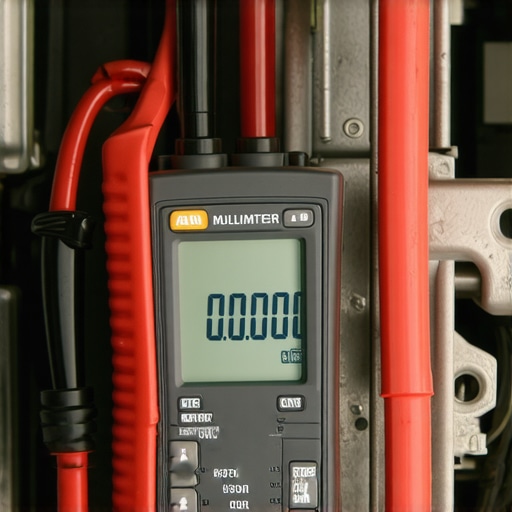
One of the most frustrating aspects of modern auto repair is the prevalence of ‘phantom’ codes—errors that appear and disappear with no clear mechanical cause. Often, these are not failures of the sensors themselves but of the electrical return path. A single corroded ground strap can cause high-resistance interference, leading the ECM to report a dozen unrelated failures across the ABS, transmission, and fuel systems. Before you invest in expensive replacement modules, it is vital to learn how to spot a bad ground wire before it kills your new battery. Expert technicians know that a digital multimeter is your best ally here; by performing a voltage drop test between the engine block and the negative battery terminal, you can identify microscopic levels of resistance that confuse sensitive microprocessors. This fundamental step ensures that your car service efforts are built on a stable electrical foundation rather than a house of cards.
Why Your Fuel Economy Tanked Without an Error Code
A common misconception in vehicle diagnostics is that if the ‘Check Engine’ light is off, the car is running at peak efficiency. In reality, sensors like the Mass Air Flow (MAF) or Oxygen (O2) sensors can ‘drift’ over time. They remain within the broad range that the computer considers ‘acceptable,’ yet they feed slightly inaccurate data that forces the engine to run rich or lean. This subtle degradation is often caused by debris or age, and it is a primary reason the hidden filter that is quietly killing your fuel economy goes unnoticed for years. When the fuel trim values consistently show a positive or negative 10% offset, your engine is working harder than it needs to. This inefficiency is particularly evident when the vehicle struggles under load; if you notice why your car loses power uphill but runs fine on flat roads, you are likely witnessing a fuel delivery or air metering issue that hasn’t quite reached the threshold of a diagnostic trouble code yet.
Is Your Transmission Fluid Really Meant to Last a Lifetime?
The automotive industry has seen a rise in the ‘filled-for-life’ marketing strategy regarding transmission units. However, seasoned mechanics and organizations like the National Institute for Automotive Service Excellence (ASE) emphasize that fluid is a wearable component subject to thermal breakdown. Over thousands of miles, the heat generated by the torque converter shear degrades the viscosity and the friction modifiers necessary for smooth gear engagement. The claim of lifetime fluid is often the catalyst for premature gearbox failure once the vehicle passes the 100,000-mile mark. To prevent catastrophic wear, it is essential to uncover the truth about lifetime transmission fluid why it is a lie and implement a proactive drain-and-fill schedule. Even if your car lacks a traditional dipstick, monitoring fluid temperature via a scan tool during the level-check process is a hallmark of high-level maintenance.
Listen to the Metal When the Scanners Stay Silent
While digital interfaces are powerful, they cannot detect a cracked rubber boot or a drying ball joint. A comprehensive auto repair strategy must combine electronic data with physical inspection techniques. For instance, a scanner won’t tell you if a CV axle is failing until the vibration affects a wheel speed sensor, but your ears can detect the warning signs much earlier. Understanding how to diagnose a bad cv joint by the sound of your turn can save you from being stranded on the side of the road. By integrating these sensory observations with the data from your OBD-II port, you create a 360-degree view of your vehicle’s health. We encourage you to share your experiences in the comments: Have you ever had a mechanical issue that your scan tool completely missed? Reading more about specialized techniques can help you stay ahead of the curve in 2025.
Stop Blaming the Gearbox When ABS Sensors Kill Your Shift Quality
The interconnectedness of modern vehicle modules means that a fault in the braking system often masquerades as a powertrain failure. Many drivers overlook the fact that the Transmission Control Module (TCM) relies heavily on high-speed data from wheel speed sensors to determine the optimal shift strategy. If a sensor is hampered by road salt or magnetic debris, it may send erratic pulses that confuse the transmission logic, leading to ‘hunting’ between gears or a refusal to engage overdrive. This is a classic example of why vehicle diagnostics must go beyond the powertrain. By using a bi-directional tool to monitor individual wheel speeds while driving, you can identify if a ‘transmission’ shudder is actually the Anti-lock Braking System (ABS) intermittently engaging due to false data. This holistic approach is what separates a parts-changer from a true master of auto repair, saving you thousands on unnecessary mechanical overhauls.
The Thermal Physics of Fluid Shear and Oxidative Stress
Heat is the primary enemy of any hydraulic system, yet the ‘why’ is often misunderstood. It is not just that the fluid gets hot; it is that the molecular chains within the synthetic lubricants literally snap under the high-pressure shear of the torque converter. According to research published by the Society of Tribologists and Lubrication Engineers (STLE), once a transmission fluid exceeds 220°F (104°C), the rate of oxidation doubles for every 20-degree increase. This chemical degradation creates varnish—a sticky residue that coats the delicate internal solenoids and prevents them from seating properly. When these solenoids stick, your car service needs shift from a simple fluid change to a complex valve body rebuild. Professionals mitigate this by installing auxiliary coolers and using real-time data logging to track fluid temperatures during heavy towing or spirited driving, ensuring the fluid remains within its optimal thermal window.
Do I need to reset my car’s adaptive learning after a transmission flush?
One of the most frequent questions in advanced diagnostic circles involves the ‘memory’ of the TCM. Modern vehicles use adaptive learning algorithms to adjust line pressure and shift timing as internal clutches wear down over time. If you replace the fluid or a solenoid but fail to perform a ‘TCM Adaptive Reset,’ the computer will continue to apply the high-pressure settings it learned for the old, worn-out components. This can result in incredibly harsh shifts that can actually damage the new parts you just installed. Performing this reset requires a diagnostic tool capable of communicating with the vehicle’s proprietary software layers. This step is a non-negotiable part of a professional auto repair workflow in 2025. If you are curious about the specific software requirements for your make and model, our community technical guides offer a deep dive into the handshake protocols required for successful module re-coding.
Why Software Calibration Trumps Mechanical Adjustment
In the transition from analog to digital engineering, the ‘feel’ of a vehicle is now determined by lines of code rather than the tension of a throttle cable. Manufacturers frequently release Technical Service Bulletins (TSBs) that include software patches for shifting issues, fuel maps, and even idle stability. Often, a vehicle that feels ‘tired’ or ‘sluggish’ doesn’t need a new fuel pump or a transmission swap; it simply needs a calibration update to the Engine Control Module. Accessing these updates used to require a trip to the dealership, but the rise of J2534 pass-thru devices has changed the landscape. These interfaces allow independent shops and advanced DIYers to download official factory software directly to the vehicle. This level of car service depth ensures that your hardware is operating on the most refined logic available, correcting bugs that were present since the car left the assembly line. Understanding how these digital refinements impact physical performance is the next frontier for anyone serious about maintaining peak vehicle health.
The evolution of auto repair has moved beyond mechanical linkages and into the realm of high-frequency data transmission. Most technicians stop at reading codes, but the elite realize that the physical layer of the vehicle’s network—the actual copper and signals—is where the most elusive ‘ghosts’ reside. When multiple modules fail simultaneously, it is rarely a coincidence; it is usually a sign that the communication highway has been compromised by electromagnetic interference or a ‘talking’ module that refuses to let others speak. This is where vehicle diagnostics transforms from a logic puzzle into a study of electronic physics.
Stop Treating Your CAN Bus Like a Simple Copper Wire
In a modern car service environment, the CAN (Controller Area Network) bus is a complex ecosystem where data packets travel at speeds up to 1 Mbps, or even faster with CAN-FD protocols. A common mistake is using a standard test light on these circuits, which can inadvertently fry a sensitive transceiver. High-level troubleshooting requires understanding signal reflection and termination resistance. If the two 120-ohm resistors at the ends of the bus are not perfectly balanced, data packets ‘bounce’ back, creating digital noise that mimics a failing transmission or engine misfire. According to technical research documented in the IEEE Xplore digital library regarding automotive network reliability, even a minor change in wire twist pitch can induce enough impedance to disrupt time-sensitive shift commands. By measuring the resistance between pins 6 and 14 on your OBD-II port, you are not just checking a circuit; you are verifying the structural integrity of your vehicle’s nervous system.
Is your oscilloscope revealing “dirty” signals that your scan tool misses?
While a scan tool provides a snapshot of what the computer *thinks* is happening, an oscilloscope shows you the unvarnished truth. A scan tool might report a ‘P0335 Crankshaft Position Sensor’ error, leading you to replace a perfectly good part. However, a scope might reveal that the signal is actually present but ‘noisy’ due to a failing alternator diode leaking AC voltage into the DC system. This ‘ripple’ confuses the ECM, making it unable to count the teeth on the reluctor wheel accurately. Mastering the art of reading ‘square waves’ and ‘duty cycles’ allows you to see the microscopic lag between a command and an execution. 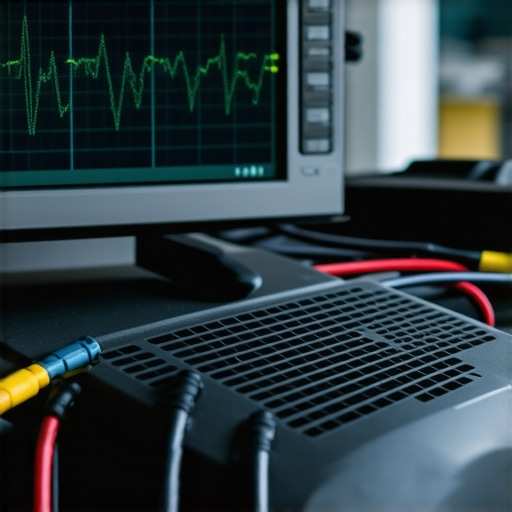 This level of precision is the gold standard of auto repair in 2025, ensuring that every diagnostic conclusion is backed by visual, repeatable evidence rather than a guess.
Why Your New Battery Requires a Digital Handshake to Survive
The days of ‘drop-in’ battery replacement are over for many luxury and late-model vehicles. Modern Battery Management Systems (BMS) track the age and internal resistance of the cells to adjust the alternator’s charging profile. As a battery ages, the BMS increases the charging voltage to compensate for chemical degradation. If you install a fresh battery without ‘registering’ it via a vehicle diagnostics tool, the car will continue to blast the new cells with high-voltage charging meant for the old battery. This oversight significantly shortens the lifespan of your new investment and can even lead to thermal runaway in AGM units. High-end car service now includes this digital handshake as a mandatory step, ensuring the alternator logic is reset to ‘Day 1’ parameters, preserving your electrical system’s equilibrium.
The Invisible Tax of Near-Spec Aftermarket Sensors
In the quest to save money, many turn to budget sensors that promise OE-equivalent performance. However, the manufacturing tolerances for Hall Effect and Piezoelectric sensors are incredibly tight. A ‘near-spec’ sensor might produce a signal that is technically within range but lacks the ‘clean’ transitions required for high-speed processing. This leads to subtle driveability issues—a slight stumble at idle or a transmission that feels ‘confused’ during partial throttle. These are the most difficult issues to solve because they don’t always trigger a fault code. Investing in genuine or top-tier OEM sensors is not just about brand loyalty; it is about ensuring the signal-to-noise ratio remains high enough for the vehicle’s processors to make split-second decisions. Ready to master the invisible waves of your vehicle’s electronics? Subscribe to our technical newsletter for exclusive access to our proprietary sensor waveform database and stop the guessing game today.
Expert Insights & Advanced Considerations
Clear the Memory Banks Before You Drive
Performing a high-quality auto repair on a gearbox involves more than just swapping parts. You must perform a software-level adaptive reset. If the Transmission Control Module continues using old pressure maps for new friction plates, you risk immediate glazing and harsh engagement. This is why professional car service requires high-level scan tools that can talk to the TCM directly.
Verify the Ground Paths Before Blaming Modules
In complex vehicle diagnostics, phantom codes often stem from microscopic resistance in the ground circuit. A digital multimeter check for voltage drop between the engine and chassis is non-negotiable. Even 0.5 volts of float can cause sensor drift that confuses the main processor, making it look like a component has failed when the wiring is actually at fault. Learn how to spot a bad ground wire before it kills your new battery to solve these digital mysteries.
Monitor Fluid Shear to Prevent Varnish
Once your transmission fluid exceeds its thermal threshold, it begins to oxidize, creating a sticky varnish on internal solenoids. Using an auxiliary cooler and tracking real-time PIDs for temperature ensures you stay below the 220-degree Fahrenheit danger zone. For a deeper look at these electronic thresholds, visit our guide on the hidden world of vehicle diagnostics.
Curated Expert Resources
SAE International Technical Papers
The definitive source for the engineering standards that govern OBD-II protocols and CAN bus architecture. This resource is vital for those wanting to understand the handshake protocols that define car service in 2025.
ASE Training Manuals
Industry-standard frameworks for mechanical and electrical troubleshooting, essential for transitioning from basic auto repair to professional mastery.
The Society of Tribologists and Lubrication Engineers
This organization offers deep-dive research into the physics of fluid degradation, providing the data needed to understand why fluid health is the cornerstone of transmission longevity.
Final Expert Perspective
#IMAGE_PLACEHOLDER_E#
Mastering modern vehicle maintenance is a journey from simple mechanical intuition to sophisticated data analysis. By integrating physical symptoms with the granular data available through vehicle diagnostics, you transform from a passive owner into an empowered technician. Whether you are performing a routine car service or tackling a complex auto repair, remember that the most powerful tool in your box is the ability to interpret how electrical signals impact mechanical performance. We invite you to contribute your most difficult repair stories to our technical forum; your insights could be the missing piece for another enthusiast facing a digital ghost. To refine your strategy, learn how to decode transmission failures or explore our guide on expert auto repair tips for 2025 to stay ahead of the curve.