The Orchestration of Convenience and Safety Protocols
Modern remote start systems are far more than simple ignition triggers; they are complex software-driven sequences that require a perfect harmony between the Body Control Module (BCM), the Powertrain Control Module (PCM), and dozens of safety sensors. When your car remote start stopped working suddenly, it is rarely a hardware failure of the remote itself, but rather a deliberate lockout initiated by the vehicle’s logic to prevent mechanical damage. Advanced vehicle diagnostics reveal that these systems prioritize safety over convenience, meaning a single sensor reporting an out-of-range value can effectively ghost the remote signal. To address these issues, one must look past the obvious battery replacement and analyze the deeper electronic handshake occurring within the CAN bus architecture.
Why Your Hood Pin Is Secretly Blocking the Signal
One of the most frequent yet overlooked causes for remote start failure is a malfunctioning or dirty hood pin switch. This safety feature is designed to prevent the engine from starting while a mechanic might be working under the hood. If the switch is bent, corroded, or failing, the car assumes the hood is open and will immediately kill the remote start sequence. This is a common issue found during routine car service visits where the latch assembly is not properly lubricated. Furthermore, similar safety overrides exist for doors and trunks. If your car detects a perimeter breach, such as why your car alarm goes off for no reason at night, the remote start function will be disabled to ensure vehicle security remains intact.
Does a Single Fault Code Disable Your Entire Remote System?
In short: yes. Almost every OEM remote start system is programmed to deactivate if the Check Engine Light (CEL) is illuminated. This is a protective measure to ensure that you do not exacerbate a potential engine or transmission failure by running the engine without operator supervision. Even if you believe you have resolved the underlying issue, the system may remain locked until the memory is cleared. Understanding why your check engine light stays on after you fixed the problem is crucial for restoring remote functionality. According to the Society of Automotive Engineers (SAE), diagnostic trouble codes (DTCs) related to emissions or fuel delivery are the primary culprits for these system-wide lockouts.
The Link Between Transmission Health and Ignition Success
For a remote start to engage, the vehicle must be certain it is in ‘Park’ or ‘Neutral.’ If the neutral safety switch or the transmission range sensor provides a vague signal, the PCM will refuse to initiate the starter motor. This is often linked to broader transmission troubles that can arise as a vehicle ages. If your gear selector feels loose or if you have experienced minor shifting delays, the electronic confirmation required for a remote start may be missing. Professional auto repair involves testing these sensors to ensure the electrical continuity is sufficient to satisfy the vehicle’s safety parameters. If you find your car struggling with more than just the remote start, such as fixing a car that dies while driving, the remote start failure is likely a secondary symptom of a primary electrical or mechanical fault. To ensure your vehicle remains reliable, you should regularly analyze these integrated systems before minor sensor glitches become major repair bills.
Low Voltage is the Silent Killer of Remote Ignition
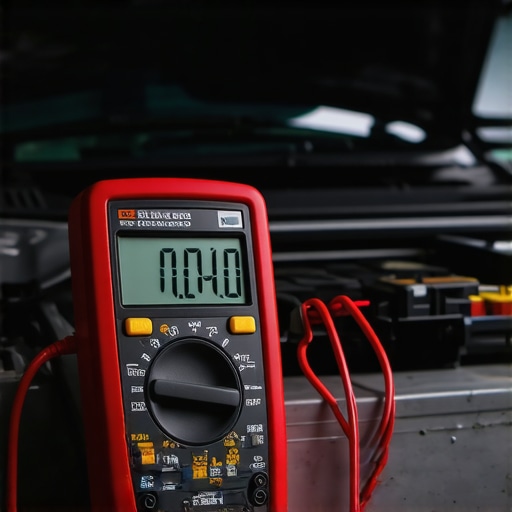
One of the most deceptive hurdles in diagnosing a failed remote start is a battery that has just enough power to operate the lights but lacks the specific voltage threshold required for a remote crank. Most modern systems require a consistent 12.2 to 12.4 volts to authorize an unmanned start sequence. If your battery is aging, you might find yourself wondering how to tell if your battery is truly dying or just has dirty terminals before the logic board shuts down the request entirely. The system monitors the Cold Cranking Amps (CCA) during the initial handshake; if it detects a dip that could leave the vehicle stranded, it aborts for safety. This is often exacerbated by the hidden electrical drain killing your battery while the car is parked, which saps just enough energy to stay below the remote start’s operational window. To confirm this, you can perform a simple test using the simple trick to find a parasitic battery drain to ensure no aftermarket accessories are starving your starter motor.
Why Does the System Refuse to Crank When the Battery Feels Fine?
Beyond simple voltage, the vehicle’s immobilizer and security protocols perform a rapid-fire verification of the transponder signal. If there is electromagnetic interference or if the bypass module has lost its programming, the engine may crank for a split second and then die. This is frequently misdiagnosed as a fuel issue, but in reality, it is a digital ‘rejection’ of the key signature. According to technical bulletins from the Battery Council International (BCI), even a minor degradation in battery plate health can cause voltage ripples that confuse these sensitive transponder receivers. If you notice other electronic oddities, such as why your car radio will not turn on or flickering interior lights, you are likely dealing with a systemic grounding problem rather than a broken remote. Learning how to spot a bad ground wire before it kills your new battery is a vital skill for any owner of a modern, tech-heavy vehicle.
The Valet Mode Trap and Service Overrides
Many owners spend hundreds on diagnostics only to realize their vehicle was simply in ‘Valet Mode.’ This setting is designed to disable remote start and trunk access when a vehicle is being parked by a third party. If you have recently changed your key fob battery or had your car detailed, you may have accidentally triggered this lockout. Check your dashboard for a small, blinking LED that is staying solid or a specific ‘Service’ icon that shouldn’t be there. If your remote start still won’t engage despite a clean bill of health, it may be worth investigating the hidden fuse that kills your fuel pump signal, as some security systems cut this circuit specifically during unauthorized start attempts. Have you experienced a weird sequence where your lights flash but the engine stays silent? Tell us about your specific car model’s quirks in the comments below, or share this guide with a friend who is currently stuck in the driveway.
Interference and the Ghost in the RF Signal
Radio Frequency (RF) interference is the final frontier of remote start troubleshooting. In densely populated areas or near high-voltage power lines, the 315MHz or 433MHz signals used by most fobs can be drowned out by ‘noise.’ This is particularly common if you have installed cheap LED bulbs that lack proper RF shielding, as their internal drivers can emit enough interference to block the remote start receiver. If your remote works perfectly in your driveway but fails at the office, the environment is your culprit. Before you start replacing expensive components, try the $20 scan tool that does more than the dealership rig to see if the BCM is recording ‘Signal Interrupted’ errors. Identifying these nuances prevents you from falling for a fake mechanic recommended service scam when a simple bulb swap or a battery terminal cleaning was all that was required. Consistent maintenance and a keen eye for electrical health remain the best defenses against a cold morning and a non-responsive engine.
Force a Digital Handshake When Logic Freezes
When software logic enters a ‘soft-lock’ state, the Body Control Module (BCM) may ignore valid remote start requests despite no active hardware faults. This digital stubbornness often stems from a failed ‘handshake’ between the security gateway and the powertrain controller. In many cases, performing a capacitive discharge—disconnecting the battery terminals and joining them (away from the battery) for a few minutes—can clear the volatile memory and force the modules to re-sync. This isn’t just a simple reboot; it forces the CAN bus to re-enumerate every node on the network. If your system began failing after a jump-start or a battery swap, this resynchronization is often the missing link that professional vehicle diagnostics often miss during a standard code scan.
Does an Unsealed Gas Cap Stop the Engine from Remote Cranking?
It sounds far-fetched, but a minor leak in the Evaporative Emission (EVAP) system is a top-tier reason for remote start inhibition. The vehicle’s logic dictates that if the fuel system cannot maintain a vacuum or if there is a ‘Large Leak Detected’ code (P0455), the engine should not be allowed to run unattended to prevent environmental hazards or potential fire risks. According to the ISO 26262 standard for road vehicle functional safety, electronic systems must prioritize ‘safe states’ whenever a monitored subsystem reports an anomaly. If you have been ignoring a minor ‘tighten gas cap’ message, your remote start is likely the first convenience feature the car will sacrifice to remain compliant with safety protocols.
#IMAGE_PLACE_HOLDER_C#
Bypass the Immobilizer Glitch That Mimics a Dead Starter
Many aftermarket remote start installations rely on a ‘bypass module’ to trick the car into thinking a transponder key is present. Over time, the data link between this module and the vehicle’s immobilizer can degrade due to heat cycles or vibration. When this happens, you might hear the fuel pump prime, but the starter remains silent. This is often confused with a physical starter failure, but the lack of a ‘crank’ command from the PCM is the real culprit. Specialized auto repair involves reflashing the firmware on these bypass units. If you are handy with a multimeter, checking the ‘GWR’ (Ground When Running) wire from your remote start unit can reveal if the security system is being ‘told’ to disarm at the exact microsecond the crank signal is sent.
When the Ambient Temperature Sensor Lies to Your PCM
Remote start systems are heavily dependent on the ambient air temperature sensor located behind the front grille. The PCM uses this data to calculate the air-fuel mixture for a cold start. If the sensor is coated in road salt or has a high resistance fault, it may report an impossible temperature, such as -40°F or 215°F. In these scenarios, the vehicle may abort the remote start sequence to prevent a ‘flood’ condition or engine overheating. This sensor is a critical part of your car service checklist, especially before winter. A quick way to verify this is to check your external temperature display on the dashboard; if it’s showing ‘—‘ or a wildly inaccurate number, you’ve found your ghost. If you’re curious about how these sensors interact with your cooling system, checking for transmission failures or cooling issues might reveal shared wiring looms that are prone to chafing.
The Critical Role of Oil Pressure Verification
Within seconds of a successful remote start, the PCM monitors the oil pressure switch to ensure the engine is properly lubricated. If the signal doesn’t reach the required threshold within a narrow window, the system will immediately shut the engine down to prevent catastrophic internal damage. This is a common point of failure in vehicles that haven’t had frequent oil changes, as sludge can slow the response of the pressure sensor. This fail-safe is so sensitive that even a slightly low oil level can cause an intermittent ‘start and stall’ symptom during a remote sequence that doesn’t occur when you use the key manually. Diving into your vehicle’s live data stream can show you exactly how many milliseconds the PCM is waiting for that pressure signal before it kills the spark. If you’re still seeing ‘System Inhibited’ on your dash, it might be time to look closer at your diagnostic data streams.
When Software Updates Break Your Morning Routine
Even beyond the physical hardware, the digital ecosystem of your vehicle often undergoes silent transformations through Over-The-Air (OTA) updates that can inadvertently scramble your remote start logic. Manufacturers frequently push patches to improve fuel mapping or infotainment stability, but these updates can reset the personalization settings in the Body Control Module (BCM). If your remote start suddenly vanished after a ‘System Update’ notification, it is likely that the ‘Remote Start Enable’ bit was toggled to ‘Off’ during the flashing process. This requires a deep dive into the vehicle’s settings menu or a hard reset via a professional-grade scan tool to re-establish the factory defaults. In many high-end luxury vehicles, these updates are mandatory, and a failed installation of a secondary module can put the entire powertrain gateway into a ‘safe mode,’ effectively disabling all non-essential convenience features until a successful handshake is recorded.
Can a Faulty Brake Switch Ghost Your Remote Command?
The brake pedal position (BPP) sensor is a critical safety node that most owners ignore until their brake lights stay on permanently. However, for remote start to engage, the PCM must see a ‘zero-voltage’ return from this switch, signifying the pedal is not depressed. If the switch is slightly misaligned or has developed internal resistance, the system assumes an occupant is present and active, which immediately kills the unmanned start sequence. This is a common point of failure found in vehicles that have undergone recent floor mat replacements or interior detailing where the pedal assembly might have been bumped. Professional auto repair involving a digital multimeter can verify if the switch is sending a ‘leaking’ signal that confuses the BCM.
The Hidden Sleep Cycle of the Body Control Module
The BCM manages power consumption through various ‘sleep modes’ to prevent battery drain while the car is parked. If the wake-up timer—the specific circuit that listens for the 315MHz or 433MHz fob signal—fails to transition from deep sleep to active status within the allocated milliseconds, the request is ignored. This often happens if the vehicle has been sitting for more than 72 hours without a manual start, causing the modules to enter a ‘deep hibernation’ to save the battery. The National Highway Traffic Safety Administration (NHTSA) provides extensive data on how electronic interference and software ‘hangs’ contribute to various safety and convenience failures in modern vehicle electronics, suggesting that many ‘broken’ parts are simply ‘confused’ logic gates.

Why Rolling Code Desync Triggers a Security Lockout
Modern fobs use a rolling code system where the car and the remote sync a mathematical counter every time a button is pressed. If you have ‘ghost-pressed’ your remote in your pocket while out of range, the counters can drift apart. Once the drift exceeds a specific threshold (usually around 256 presses), the BCM rejects the signal as a potential relay attack or security breach. To fix this, you often need to perform a ‘resync’ procedure, which involves cycling the ignition in a specific pattern unique to your VIN. If you are struggling with a persistent ‘No Signal’ error, examine your fob’s internal board for hairline fractures that occur from dropping the keys. Identifying these nuances prevents you from falling for a fake mechanic recommended service scam when a simple fob resync was all that was required. Have you encountered a situation where your remote start works only from three feet away? Drop a comment below with your vehicle’s year and model, and let’s troubleshoot these signal range bottlenecks together.
The Orchestration of Convenience and Safety Protocols
Modern remote start systems are far more than simple ignition triggers; they are complex software-driven sequences that require a perfect harmony between the Body Control Module (BCM), the Powertrain Control Module (PCM), and dozens of safety sensors. When your car remote start stopped working suddenly, it is rarely a hardware failure of the remote itself, but rather a deliberate lockout initiated by the vehicle’s logic to prevent mechanical damage. Advanced vehicle diagnostics reveal that these systems prioritize safety over convenience, meaning a single sensor reporting an out-of-range value can effectively ghost the remote signal. To address these issues, one must look past the obvious battery replacement and analyze the deeper electronic handshake occurring within the CAN bus architecture.
Why Your Hood Pin Is Secretly Blocking the Signal
One of the most frequent yet overlooked causes for remote start failure is a malfunctioning or dirty hood pin switch. This safety feature is designed to prevent the engine from starting while a mechanic might be working under the hood. If the switch is bent, corroded, or failing, the car assumes the hood is open and will immediately kill the remote start sequence. This is a common issue found during routine car service visits where the latch assembly is not properly lubricated. Furthermore, similar safety overrides exist for doors and trunks. If your car detects a perimeter breach, such as why your car alarm goes off for no reason at night, the remote start function will be disabled to ensure vehicle security remains intact.
Does a Single Fault Code Disable Your Entire Remote System?
In short: yes. Almost every OEM remote start system is programmed to deactivate if the Check Engine Light (CEL) is illuminated. This is a protective measure to ensure that you do not exacerbate a potential engine or transmission failure by running the engine without operator supervision. Even if you believe you have resolved the underlying issue, the system may remain locked until the memory is cleared. Understanding why your check engine light stays on after you fixed the problem is crucial for restoring remote functionality. According to the Society of Automotive Engineers (SAE), diagnostic trouble codes (DTCs) related to emissions or fuel delivery are the primary culprits for these system-wide lockouts.
The Link Between Transmission Health and Ignition Success
For a remote start to engage, the vehicle must be certain it is in ‘Park’ or ‘Neutral.’ If the neutral safety switch or the transmission range sensor provides a vague signal, the PCM will refuse to initiate the starter motor. This is often linked to broader transmission troubles that can arise as a vehicle ages. If your gear selector feels loose or if you have experienced minor shifting delays, the electronic confirmation required for a remote start may be missing. Professional auto repair involves testing these sensors to ensure the electrical continuity is sufficient to satisfy the vehicle’s safety parameters. If you find your car struggling with more than just the remote start, such as fixing a car that dies while driving, the remote start failure is likely a secondary symptom of a primary electrical or mechanical fault. To ensure your vehicle remains reliable, you should regularly analyze these integrated systems before minor sensor glitches become major repair bills.
Low Voltage is the Silent Killer of Remote Ignition
One of the most deceptive hurdles in diagnosing a failed remote start is a battery that has just enough power to operate the lights but lacks the specific voltage threshold required for a remote crank. Most modern systems require a consistent 12.2 to 12.4 volts to authorize an unmanned start sequence. If your battery is aging, you might find yourself wondering how to tell if your battery is truly dying or just has dirty terminals before the logic board shuts down the request entirely. The system monitors the Cold Cranking Amps (CCA) during the initial handshake; if it detects a dip that could leave the vehicle stranded, it aborts for safety. This is often exacerbated by the hidden electrical drain killing your battery while the car is parked, which saps just enough energy to stay below the remote start’s operational window. To confirm this, you can perform a simple test using the simple trick to find a parasitic battery drain to ensure no aftermarket accessories are starving your starter motor.
Why Does the System Refuse to Crank When the Battery Feels Fine?
Beyond simple voltage, the vehicle’s immobilizer and security protocols perform a rapid-fire verification of the transponder signal. If there is electromagnetic interference or if the bypass module has lost its programming, the engine may crank for a split second and then die. This is frequently misdiagnosed as a fuel issue, but in reality, it is a digital ‘rejection’ of the key signature. According to technical bulletins from the Battery Council International (BCI), even a minor degradation in battery plate health can cause voltage ripples that confuse these sensitive transponder receivers. If you notice other electronic oddities, such as why your car radio will not turn on or flickering interior lights, you are likely dealing with a systemic grounding problem rather than a broken remote. Learning how to spot a bad ground wire before it kills your new battery is a vital skill for any owner of a modern, tech-heavy vehicle.
The Valet Mode Trap and Service Overrides
Many owners spend hundreds on diagnostics only to realize their vehicle was simply in ‘Valet Mode.’ This setting is designed to disable remote start and trunk access when a vehicle is being parked by a third party. If you have recently changed your key fob battery or had your car detailed, you may have accidentally triggered this lockout. Check your dashboard for a small, blinking LED that is staying solid or a specific ‘Service’ icon that shouldn’t be there. If your remote start still won’t engage despite a clean bill of health, it may be worth investigating the hidden fuse that kills your fuel pump signal, as some security systems cut this circuit specifically during unauthorized start attempts. Have you experienced a weird sequence where your lights flash but the engine stays silent? Tell us about your specific car model’s quirks in the comments below, or share this guide with a friend who is currently stuck in the driveway.
Interference and the Ghost in the RF Signal
Radio Frequency (RF) interference is the final frontier of remote start troubleshooting. In densely populated areas or near high-voltage power lines, the 315MHz or 433MHz signals used by most fobs can be drowned out by ‘noise.’ This is particularly common if you have installed cheap LED bulbs that lack proper RF shielding, as their internal drivers can emit enough interference to block the remote start receiver. If your remote works perfectly in your driveway but fails at the office, the environment is your culprit. Before you start replacing expensive components, try the $20 scan tool that does more than the dealership rig to see if the BCM is recording ‘Signal Interrupted’ errors. Identifying these nuances prevents you from falling for a fake mechanic recommended service scam when a simple bulb swap or a battery terminal cleaning was all that was required. Consistent maintenance and a keen eye for electrical health remain the best defenses against a cold morning and a non-responsive engine.
Force a Digital Handshake When Logic Freezes
When software logic enters a ‘soft-lock’ state, the Body Control Module (BCM) may ignore valid remote start requests despite no active hardware faults. This digital stubbornness often stems from a failed ‘handshake’ between the security gateway and the powertrain controller. In many cases, performing a capacitive discharge—disconnecting the battery terminals and joining them (away from the battery) for a few minutes—can clear the volatile memory and force the modules to re-sync. This isn’t just a simple reboot; it forces the CAN bus to re-enumerate every node on the network. If your system began failing after a jump-start or a battery swap, this resynchronization is often the missing link that professional vehicle diagnostics often miss during a standard code scan.
Does an Unsealed Gas Cap Stop the Engine from Remote Cranking?
It sounds far-fetched, but a minor leak in the Evaporative Emission (EVAP) system is a top-tier reason for remote start inhibition. The vehicle’s logic dictates that if the fuel system cannot maintain a vacuum or if there is a ‘Large Leak Detected’ code (P0455), the engine should not be allowed to run unattended to prevent environmental hazards or potential fire risks. According to the ISO 26262 standard for road vehicle functional safety, electronic systems must prioritize ‘safe states’ whenever a monitored subsystem reports an anomaly. If you have been ignoring a minor ‘tighten gas cap’ message, your remote start is likely the first convenience feature the car will sacrifice to remain compliant with safety protocols.
#IMAGE_PLACE_HOLDER_C#
Bypass the Immobilizer Glitch That Mimics a Dead Starter
Many aftermarket remote start installations rely on a ‘bypass module’ to trick the car into thinking a transponder key is present. Over time, the data link between this module and the vehicle’s immobilizer can degrade due to heat cycles or vibration. When this happens, you might hear the fuel pump prime, but the starter remains silent. This is often confused with a physical starter failure, but the lack of a ‘crank’ command from the PCM is the real culprit. Specialized auto repair involves reflashing the firmware on these bypass units. If you are handy with a multimeter, checking the ‘GWR’ (Ground When Running) wire from your remote start unit can reveal if the security system is being ‘told’ to disarm at the exact microsecond the crank signal is sent.
When the Ambient Temperature Sensor Lies to Your PCM
Remote start systems are heavily dependent on the ambient air temperature sensor located behind the front grille. The PCM uses this data to calculate the air-fuel mixture for a cold start. If the sensor is coated in road salt or has a high resistance fault, it may report an impossible temperature, such as -40°F or 215°F. In these scenarios, the vehicle may abort the remote start sequence to prevent a ‘flood’ condition or engine overheating. This sensor is a critical part of your car service checklist, especially before winter. A quick way to verify this is to check your external temperature display on the dashboard; if it’s showing ‘—‘ or a wildly inaccurate number, you’ve found your ghost. If you’re curious about how these sensors interact with your cooling system, checking for transmission failures or cooling issues might reveal shared wiring looms that are prone to chafing.
The Critical Role of Oil Pressure Verification
Within seconds of a successful remote start, the PCM monitors the oil pressure switch to ensure the engine is properly lubricated. If the signal doesn’t reach the required threshold within a narrow window, the system will immediately shut the engine down to prevent catastrophic internal damage. This is a common point of failure in vehicles that haven’t had frequent oil changes, as sludge can slow the response of the pressure sensor. This fail-safe is so sensitive that even a slightly low oil level can cause an intermittent ‘start and stall’ symptom during a remote sequence that doesn’t occur when you use the key manually. Diving into your vehicle’s live data stream can show you exactly how many milliseconds the PCM is waiting for that pressure signal before it kills the spark. If you’re still seeing ‘System Inhibited’ on your dash, it might be time to look closer at your diagnostic data streams.
When Software Updates Break Your Morning Routine
Even beyond the physical hardware, the digital ecosystem of your vehicle often undergoes silent transformations through Over-The-Air (OTA) updates that can inadvertently scramble your remote start logic. Manufacturers frequently push patches to improve fuel mapping or infotainment stability, but these updates can reset the personalization settings in the Body Control Module (BCM). If your remote start suddenly vanished after a ‘System Update’ notification, it is likely that the ‘Remote Start Enable’ bit was toggled to ‘Off’ during the flashing process. This requires a deep dive into the vehicle’s settings menu or a hard reset via a professional-grade scan tool to re-establish the factory defaults. In many high-end luxury vehicles, these updates are mandatory, and a failed installation of a secondary module can put the entire powertrain gateway into a ‘safe mode,’ effectively disabling all non-essential convenience features until a successful handshake is recorded.
Can a Faulty Brake Switch Ghost Your Remote Command?
The brake pedal position (BPP) sensor is a critical safety node that most owners ignore until their brake lights stay on permanently. However, for remote start to engage, the PCM must see a ‘zero-voltage’ return from this switch, signifying the pedal is not depressed. If the switch is slightly misaligned or has developed internal resistance, the system assumes an occupant is present and active, which immediately kills the unmanned start sequence. This is a common point of failure found in vehicles that have undergone recent floor mat replacements or interior detailing where the pedal assembly might have been bumped. Professional auto repair involving a digital multimeter can verify if the switch is sending a ‘leaking’ signal that confuses the BCM.
The Hidden Sleep Cycle of the Body Control Module
The BCM manages power consumption through various ‘sleep modes’ to prevent battery drain while the car is parked. If the wake-up timer—the specific circuit that listens for the 315MHz or 433MHz fob signal—fails to transition from deep sleep to active status within the allocated milliseconds, the request is ignored. This often happens if the vehicle has been sitting for more than 72 hours without a manual start, causing the modules to enter a ‘deep hibernation’ to save the battery. The National Highway Traffic Safety Administration (NHTSA) provides extensive data on how electronic interference and software ‘hangs’ contribute to various safety and convenience failures in modern vehicle electronics, suggesting that many ‘broken’ parts are simply ‘confused’ logic gates.
Why Rolling Code Desync Triggers a Security Lockout
Modern fobs use a rolling code system where the car and the remote sync a mathematical counter every time a button is pressed. If you have ‘ghost-pressed’ your remote in your pocket while out of range, the counters can drift apart. Once the drift exceeds a specific threshold (usually around 256 presses), the BCM rejects the signal as a potential relay attack or security breach. To fix this, you often need to perform a ‘resync’ procedure, which involves cycling the ignition in a specific pattern unique to your VIN. If you are struggling with a persistent ‘No Signal’ error, examine your fob’s internal board for hairline fractures that occur from dropping the keys. Identifying these nuances prevents you from falling for a fake mechanic recommended service scam when a simple fob resync was all that was required. Have you encountered a situation where your remote start works only from three feet away? Drop a comment below with your vehicle’s year and model, and let’s troubleshoot these signal range bottlenecks together.
Expert Insights & Advanced Considerations
Remote Start Lockouts are Voluntary Protective Acts
Engineers design these systems to prioritize mechanical integrity over user convenience. When your car remote start stopped working suddenly, the PCM might be intercepting the signal because it detected a lean fuel condition or a minor transmission pressure variance that hasn’t yet triggered a hard fault. Using the $20 scan tool that does more than the dealership rig allows you to see these soft-set codes before they result in a permanent lockout.
Why Your Fuel Cap is More Than Just an Emissions Barrier
The integrity of the Evaporative Emission (EVAP) system is a non-negotiable safety gate. A microscopic leak in a vapor line or a failing gas cap seal will immediately ghost the remote command to prevent potential environmental hazards or fire risks. This underscores the need for a thorough car service that includes an EVAP system smoke test when ignition issues persist.
The Precision of Thermal Resistance in Cold Starts
The ambient air temperature sensor located behind the grille is the silent arbiter of your morning routine. If the sensor reports a value outside the engine’s cold-start lookup table, the logic board aborts the sequence to prevent a flooded condition. This is where vehicle diagnostics excel, helping you identify a high-resistance fault in the sensor before you start replacing expensive ignition modules.
Curated Expert Resources
SAE International: The primary source for technical standards on CAN bus communication and vehicle safety integration logic.
Battery Council International (BCI): Provides critical data on battery voltage drop-off and its impact on modern electronic control modules.
NHTSA Safety Database: An essential repository for looking up Technical Service Bulletins (TSBs) related to remote start software glitches.
Mitchell 1: Offers professional-grade wiring diagrams and diagnostic trees used by master technicians for complex electrical troubleshooting.
Final Expert Perspective
Restoring a system where the car remote start stopped working suddenly requires moving beyond superficial checks and into the realm of integrated vehicle logic. Whether the cause is a parasitic drain, a sensor out of range, or a safety lockout, the solution lies in a methodical approach to auto repair and a deep respect for the vehicle’s diagnostic protocols. By maintaining electrical health and addressing minor fault codes early, you ensure your remote start remains a reliable tool rather than a source of frustration. If you have encountered a unique signal interference issue or found a specific sensor fix, share your technical expertise in the comments below to help the community keep their engines running smoothly. #IMAGE_PLACEHOLDER_E#