When a vehicle begins to emit the pungent aroma of hydrogen sulfide, it is more than a mere nuisance; it is a critical diagnostic red flag regarding the chemical efficiency of your engine’s combustion cycle. From a professional engineering standpoint, this scent signifies that the catalytic converter is failing to process sulfur compounds present in gasoline. In a healthy system, the converter uses high-temperature oxidation to transform these compounds into odorless sulfur dioxide. When the system is overwhelmed or damaged, the rotten egg odor becomes the primary symptom of a larger mechanical deficiency. The hidden world of vehicle diagnostics reveals that the root cause often lies upstream of the exhaust pipe, involving fuel delivery or ignition timing that creates a rich combustion condition.
Your Catalytic Converter Is Overwhelmed Not Just Broken
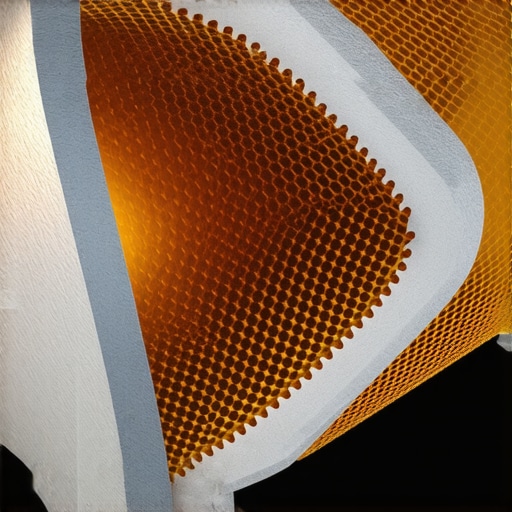
The most common culprit is a damaged catalytic converter, yet the failure is rarely an isolated event. When the internal ceramic substrate—coated with noble metals like platinum and palladium—becomes clogged or poisoned by excess fuel, it loses its ability to facilitate necessary chemical reactions. This often stems from transmission failures decoded in early stages or engine misfires that dump raw fuel into the exhaust. According to research on vehicle emissions from the Environmental Protection Agency (EPA), maintaining strict control over the air-fuel ratio is paramount to preventing premature catalytic degradation. If the converter is too hot to touch or glowing after a short drive, the internal structure has likely melted due to a persistent rich fuel mixture that needs immediate auto repair attention.
Does a Failing Battery Create a False Exhaust Alarm?
Interestingly, not every sulfur smell originates from the tailpipe. Lead-acid batteries contain sulfuric acid, and if the alternator is overcharging the battery, the electrolyte can boil, releasing hydrogen sulfide gas. If the smell is more prominent when you pop the hood rather than standing at the rear of the vehicle, you are likely looking at a charging system failure rather than an exhaust issue. This is why thorough vehicle diagnostics are non-negotiable before committing to expensive component replacements. Expert technicians will check the voltage regulator output to ensure the battery isn’t being cooked by a faulty alternator.
Trace the Problem to the Fuel Pressure Regulator
A quick fix for this issue isn’t always about replacing the most expensive part in the car service catalog. Frequently, a faulty fuel pressure regulator is the silent antagonist. If the regulator fails, it sends an excessive amount of fuel through the injectors, which the catalytic converter cannot process, leading to that signature stench. Replacing a relatively inexpensive regulator can save you from a four-figure exhaust repair. Check your spark plugs for signs of carbon fouling, as they provide a visual record of the combustion environment. For those looking to stay ahead of these issues, reviewing expert auto repair tips for 2025 provides a roadmap for proactive maintenance and stoichiometric balance. If you are experiencing persistent odors or a sudden drop in performance, reach out to a professional to perform a live-data scan of your oxygen sensors and fuel trims today.
Beyond the engine bay and the exhaust system, the drivetrain itself can be a source of deceptive odors that mimic a failing catalytic converter. Gear oils rated for high-pressure environments, such as GL-5, contain significant concentrations of sulfur-phosphorus anti-wear agents designed to protect metal surfaces under extreme loads. When a pinion seal or an axle seal fails, allowing this fluid to drip onto a hot exhaust pipe or even a brake rotor, the resulting vapor is frequently misidentified by drivers as an emissions failure. This confusion often leads to costly, unnecessary exhaust work when the actual culprit is a simple leak in the mechanical power transfer system.
Differential and Gear Oil Breakdown Mimics Exhaust Odors
When gear oil reaches its thermal limit, the chemical stabilizers within the fluid begin to volatilize. Technical documentation from SAE International emphasizes that once high-performance lubricants exceed their thermal stability threshold, the oxidation process accelerates, releasing pungent chemical markers that smell remarkably similar to hydrogen sulfide. If you have noticed this scent specifically after heavy towing or prolonged highway driving, it is critical to investigate the differential and transfer case for signs of weeping or venting. High-temperature degradation doesn’t just create an odor; it signals that the protection of your gears is compromised. Before committing to major repairs, exploring the truth about transmission flushes and why they can be dangerous can provide clarity on how to manage drivetrain fluids without causing secondary damage to delicate internal components.

What Happens When Your Gearbox Reaches Thermal Overload?
Internal friction generates heat that eventually breaks down the molecular structure of any lubricant, but in a gearbox, this process can be particularly aggressive. If the fluid levels are low or the fluid is old, the heat cannot be dissipated effectively through the casing. This leads to a scorched scent that permeates the cabin through the gear shifter boot or ventilation system. In some cases, a sulfur-like smell is accompanied by physical symptoms in the drivetrain. For instance, understanding why your transmission slips only when you turn a corner can help you correlate specific odors with centrifugal fluid shifts and mechanical wear. Addressing these issues early with targeted maintenance, such as using the 5-minute additive that stopped our shops worst transmission shudder, can often neutralize both the odor and the performance degradation before a total rebuild becomes necessary.
Mastering the Data Behind the Scent
To truly resolve a persistent sulfur odor, a technician must look at the digital fingerprints left in the Engine Control Unit (ECU). The Short Term Fuel Trim (STFT) and Long Term Fuel Trim (LTFT) provide a real-time window into how the computer is compensating for air-fuel imbalances. If your LTFT is significantly negative, the computer is actively trying to lean out a rich condition—the very condition that creates the rotten egg smell by overwhelming the catalytic converter with unburned hydrocarbons. This data often points directly to the main reason your car hesitates when you step on the gas, such as a leaking fuel injector or a restricted air intake. Ignoring these data points is a gamble; a rich-running engine doesn’t just smell bad, it physically destroys the internal ceramic honeycomb of your exhaust system through thermal sintering. If your fuel economy has plummeted recently alongside the appearance of these smells, review the data on the real reason your gas mileage suddenly dropped to see if your sulfur smell is actually a symptom of a much larger efficiency gap. Have you experienced a mysterious vehicle odor that vanished after a simple fluid change? Share your story in the comments below or reach out to see how a professional scan can save you from unnecessary parts replacement.
Cheap Gas Costs More in Converter Repairs
The chemical composition of the fuel you pump into your tank plays a decisive role in the longevity of your exhaust components. Gasoline naturally contains varying levels of sulfur; however, lower-tier fuels often hover at the upper limits of allowable concentrations. When you introduce high-sulfur fuel into a vehicle with an aging catalytic converter, the ‘rotten egg’ odor is essentially the catalyst’s way of saying it cannot keep up with the processing demand. According to fuel quality standards maintained by ASTM International, the precise balance of additives and detergents is necessary to prevent the ‘poisoning’ of the precious metal surfaces within the converter. Over time, these sulfur deposits can coat the palladium and platinum layers, a process known as catalyst masking, which drastically reduces the surface area available for the reduction of nitrogen oxides and the oxidation of carbon monoxide. If you notice the smell more frequently after visiting a specific discount fuel station, switching to a Top Tier gasoline brand for several tank cycles may help ‘wash’ the catalyst through higher-temperature operation and superior detergent packages.
Stop the Stink by Fixing Your Engine Cold-Start Logic
Modern engines are designed to run in ‘open-loop’ mode during the first few minutes of operation, meaning the computer ignores the oxygen sensors until they reach operating temperature. During this phase, the ECU intentionally commands a rich fuel mixture to help the engine warm up quickly. If your engine’s coolant temperature sensor or thermostat is faulty—staying stuck in the ‘open’ position—the engine may never reach the optimal temperature required to enter ‘closed-loop’ operation. This keeps the engine running rich indefinitely, saturating the exhaust system with unburned fuel and sulfur. If your cabin heater feels lukewarm or your temperature gauge never reaches the midpoint, your sulfur smell is likely a byproduct of a cooling system that is preventing the engine from achieving stoichiometric balance. This thermal mismanagement is one of the most overlooked vehicle diagnostics hurdles that leads to premature component failure.
Can a Faulty Thermostat Actually Ruin Your Exhaust?
Many drivers are surprised to learn that a cooling system failure can lead to an emissions failure. When an engine runs too cold, the combustion process is incomplete, leading to heavy carbon soot and sulfur buildup. This soot acts like a blanket over the catalytic converter’s internal structure, leading to a condition called ‘thermal sintering’ where the heat becomes trapped and melts the internal honeycomb. Replacing a $20 thermostat can often prevent a $1,500 catalytic converter replacement. Professional auto repair shops utilize thermal imaging cameras to verify that the converter is reaching its ‘light-off’ temperature of approximately 400 to 600 degrees Fahrenheit. If the inlet temperature is significantly higher than the outlet temperature, you have a restriction that is likely causing that persistent odor. Have you checked your engine’s operating temperature lately? A simple OBD-II scanner can reveal if your car is stuck in a perpetual warm-up cycle.
Why 14.7 to 1 Is the Magic Number for a Fresh-Smelling Exhaust
The pursuit of the perfect air-fuel ratio, or stoichiometry (14.7 parts of air to 1 part of fuel), is the only way to ensure an odorless drive. When this ratio fluctuates even slightly toward the ‘rich’ side, the catalytic converter is forced to deal with an excess of hydrogen sulfide. Advanced car service involves looking at the ‘switching rate’ of the upstream oxygen sensors. A healthy sensor should oscillate rapidly between lean and rich signals. If the sensor becomes ‘lazy’ due to age or contamination, the ECU cannot adjust the fuel trim fast enough, leading to momentary bursts of sulfur-rich exhaust. This is particularly noticeable during heavy acceleration or when merging onto highways, where the demand for power pushes the system to its limit. If you’ve been putting off your 30,000-mile maintenance, you might be missing the early warning signs of sensor degradation that eventually leads to that unmistakable stench.
Beyond the fuel delivery and the cooling circuit, the Secondary Air Injection (SAI) system serves as a critical bridge during the high-demand ‘cold start’ phase. This system is designed to pump fresh air into the exhaust stream, providing the necessary oxygen to accelerate the light-off process of the catalytic converter. When the SAI pump fails or the one-way check valve becomes carbon-fouled, the catalyst is deprived of the oxygen it needs to oxidize sulfur compounds. Instead of producing odorless sulfur dioxide, the system stays trapped in a reduction phase, pumping a concentrated stream of hydrogen sulfide into the atmosphere. This mechanical bottleneck is a prime example of why auto repair professionals look for secondary system failures whenever a customer reports a recurring sulfur stench.
Bypass the Guesswork with Secondary Air Injection Diagnostics
A failing SAI pump often reveals itself through a high-pitched whine or a complete lack of noise during the first 30 seconds of a cold start. If the check valve stays open, hot exhaust gases can flow backward into the pump, melting its plastic housing and creating a distinct burnt-plastic-meets-sulfur aroma. Technical bulletins from the California Air Resources Board (CARB) highlight that modern On-Board Diagnostics (OBD) are highly sensitive to these flow discrepancies. However, a ‘lazy’ pump that still operates but provides insufficient cubic feet per minute (CFM) may not trigger a Check Engine Light immediately, even as it causes your catalyst to struggle. If you suspect your SAI system is underperforming, a professional car service should include a manual activation test of the pump to verify its output and current draw.

Could a Stuck Purge Valve Be the Real Reason Your Car Smells Like Sulfur?
The Evaporative Emission Control (EVAP) system is designed to trap gasoline vapors in a charcoal canister before they escape into the atmosphere. However, if the EVAP purge valve becomes stuck in the open position, the engine essentially ‘drinks’ raw fuel vapors directly from the gas tank at inappropriate times, such as during idling. This creates an unmetered rich condition that the ECU struggles to correct. As we have seen with other rich-running scenarios, this excess fuel ends up in the catalytic converter, where the sulfur content of the fuel is converted into that telltale rotten egg smell. This specific failure is deceptive because it often occurs intermittently, depending on the fuel level and ambient temperature. A technician performing vehicle diagnostics will use a smoke machine or a vacuum pump to ensure the purge valve is sealing correctly under all operating conditions.
Stop Oxygen Sensor Lag Before It Poisons Your Catalyst
As oxygen sensors age, they develop what is known as ‘sensor lag’ or ‘silica poisoning.’ These sensors are the primary feedback loop for the engine’s fueling strategy. A sluggish sensor might take several seconds to report a rich condition, during which time the catalytic converter is already being overwhelmed. This delay is a common source of the ‘transient’ sulfur smell—that burst of odor you notice only when you lift off the throttle after a period of hard acceleration. This is why high-level auto repair involves graphing oxygen sensor voltage on an oscilloscope to check for a crisp, rapid waveform rather than a rounded, slow response. Proactive replacement of sensors every 80,000 to 100,000 miles is a small price to pay to protect the much more expensive catalytic components downstream. If your vehicle has lost its ‘snap’ and started smelling foul, schedule a live-data diagnostic session today to see exactly how your sensors are communicating with the ECU.
Expert Insights & Advanced Considerations
Short Commutes Kill Converters Faster Than High Mileage
A vehicle that rarely reaches its full operating temperature is a prime candidate for hydrogen sulfide accumulation. When the engine stays in a cold-start state, it operates in a rich fuel condition, saturating the catalytic converter with more sulfur than it can chemically process. Over time, this leads to catalyst masking, where the noble metals are coated in deposits. If you primarily drive short distances, you may find that the the hidden reason your engine is consuming oil without a leak or smelling foul is simply a lack of thermal cycling. Taking the car for a 20-minute highway drive once a week can often ‘bake out’ these impurities before they become permanent failures.
Waveform Lag Is the Silent Killer of Fuel Trims
While a standard OBD-II scanner can show you a basic oxygen sensor voltage, it often fails to capture ‘sensor lag.’ An expert technician uses an oscilloscope to verify that the sensor switches between lean and rich signals within milliseconds. A ‘lazy’ sensor might still be within its operating range but reacts too slowly to maintain the 14.7:1 stoichiometric ratio, resulting in intermittent bursts of rotten egg smell during acceleration. This is a critical component of professional vehicle diagnostics that goes beyond just reading trouble codes. If you suspect your sensors are failing, learning how to tell if your spark plugs are fouled just by looking at them can provide secondary confirmation of a rich-running engine.
Stop Blaming the Exhaust for Your Differential Leak
It is a common mistake to assume every sulfur scent originates from the tailpipe. High-pressure gear oils, specifically GL-5 rated lubricants, contain heavy concentrations of sulfur-phosphorus additives. When a pinion or axle seal fails, this fluid can drip onto a hot exhaust component or brake assembly, vaporizing into a scent that perfectly mimics a failing converter. Before investing in an expensive auto repair for your emissions system, check the undercarriage for oily residue around the drivetrain. Misdiagnosing a simple leak as an exhaust failure is one of the most frequent errors in amateur car service scenarios.
Curated Expert Resources
SAE International Technical Papers: This is the gold standard for understanding the chemical breakdown of lubricants and the thermal limits of catalytic substrates under high-load conditions.
The Reliable Auto Cares Diagnostic Archive: For practical applications of these theories, our guide on expert auto repair tips for 2025 provides a deep dive into modern ECU logic and fuel management.
ASTM International Fuel Standards: Reviewing ASTM D4814 helps owners understand how gasoline volatility and sulfur limits vary by region and season, directly impacting exhaust odors.
Reliable Auto Cares Tool Guide: To see what is happening inside your combustion chamber without teardown, consider utilizing the $30 tool that lets you see inside your engine to check for carbon buildup and catalyst health.
Final Expert Perspective
A sulfur odor is rarely just a smell; it is a chemical signature of a mechanical system out of balance. Whether the root cause is a failing battery, a lazy oxygen sensor, or poor fuel quality, addressing the issue requires a methodical approach to vehicle diagnostics rather than part-swapping. By maintaining stoichiometric balance and ensuring your drivetrain fluids remain contained, you protect both the environment and your wallet from the high costs of premature component failure. If you have ruled out the exhaust but the smell remains, it may be time to investigate the main reason your car hesitates when you step on the gas to find the fueling imbalance. We invite you to share your diagnostic success stories or reach out to us at contact us for professional guidance on your next car service milestone.