The spark plug functions as a vital thermal transducer within the combustion chamber, providing a literal window into the chemical and mechanical efficiency of your engine. For a seasoned technician, pulling a plug is not merely a maintenance task; it is an act of forensic analysis. Each deposit, discoloration, and erosion pattern tells a story of air-fuel ratios, oil control ring integrity, or ignition timing accuracy. When performing comprehensive vehicle diagnostics, visual inspection of the insulator nose remains the gold standard for verifying sensor data against physical reality.
Your Engine Health Is Written on the Spark Plug Tip
A healthy engine typically produces a spark plug with a light tan or grayish-white color on the insulator tip. This indicates that the plug is operating within its designed heat range and the fuel system is maintaining a stoichiometric balance. However, when things go south, the physical symptoms are immediate. For instance, dry, fluffy black soot indicates carbon fouling. This is usually caused by an over-rich fuel mixture, often the result of a clogged air filter, a faulty oxygen sensor, or a sticking fuel injector. In these cases, the electrical current tracks through the carbon rather than jumping the gap, leading to the misfires common in high-mileage auto repair scenarios.
Can a Wet Spark Plug Tip Indicate More Than Just a Flooded Engine?
Finding a plug soaked in fuel or oil requires immediate attention. A wet, fuel-soaked plug often points to a severe ignition failure or a fuel pressure regulator that has ruptured, dumping raw fuel into the cylinders. Conversely, a wet, oily plug—shining with a thick, black coating—suggests that oil is bypassing the valve guides or piston rings. This is a critical distinction to make during a car service appointment. According to technical documentation from NGK Spark Plugs, oil fouling can lead to permanent catalytic converter damage if the underlying mechanical seal is not addressed promptly.
Identify Ash Deposits and Pre-ignition Damage Before Catastrophic Failure
Sometimes the plugs appear with white, crusty accumulations. These are ash deposits, often originating from oil or fuel additives. While they don’t always cause immediate misfires, they can insulate the electrodes and cause a significant drop in spark intensity. More dangerous, however, is the sight of melted electrodes or a blistered white insulator. This signifies extreme overheating or pre-ignition. This could be caused by using a plug with an incorrect (too hot) heat range, or lean fuel conditions under heavy load. If you notice these signs, you must investigate your cooling system and fuel delivery immediately to prevent holes being burnt through your pistons.
Stop the Surging at Idle with This Immediate Fix
Fouled plugs are a primary culprit when a vehicle fails to maintain a steady RPM at stops. If your diagnostic scan shows intermittent misfires but no hard codes, the physical state of the plug gap may be the hidden factor. If you find your car struggles at stoplights, you should also stop your engine from surging at idle with this 12-dollar cleaning trick which often complements a fresh set of plugs. For issues specifically involving power delivery under load, explore our technical breakdown on the 15-dollar fix for engines that stumble under pressure.
Even a plug that appears ‘clean’ can be the culprit behind poor efficiency if the gap has eroded beyond factory specifications. As the spark jumps from the center electrode to the ground strap, microscopic amounts of metal are transferred, slowly widening the distance the electricity must travel. This increased resistance is often the real reason your gas mileage suddenly dropped without a corresponding check engine light. A gap that is too wide forces the ignition system to generate higher voltage, creating excess heat and stress on every component from the plug wires to the primary computer. Conversely, a gap that is too narrow results in a weak, ‘cold’ spark that fails to ignite the air-fuel mixture completely, leading to carbon buildup. 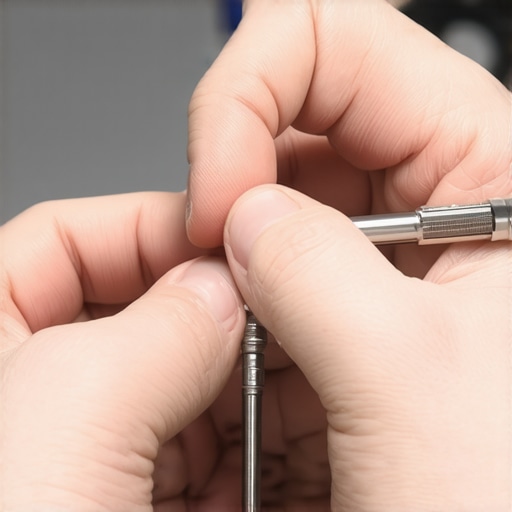
Give Your Ignition System Room to Breathe with Precise Gapping
Precision is not a suggestion in modern engines; it is a requirement. Most modern iridium or platinum plugs come pre-gapped, but a single drop during shipping can close the electrode, leading to an immediate cylinder contribution fault. Technicians must use a wire-type feeler gauge rather than a coin-style tool to avoid damaging the brittle precious-metal coatings on high-performance plugs. If the gap is even slightly off-spec, the flame front in the combustion chamber becomes inconsistent. This inconsistency explains why your engine stumbles when you accelerate, as the high-pressure environment of the cylinder under load makes it even harder for a weak spark to bridge the gap successfully.
How Does a Worn Gap Force Your Ignition Coil to Work Double Time?
The relationship between the spark plug and the ignition coil is a delicate balance of electrical demand and supply. According to the technical manuals from Bosch, an excessive gap increases the ‘firing voltage’ required, which can lead to insulation breakdown within the ignition coil’s secondary windings. When the coil is forced to work at its absolute limit to overcome a worn-out plug, it generates internal heat that eventually melts its internal epoxy. This is why a simple spark plug change is often the best preventative measure to avoid a much more expensive coil pack replacement. For those who suspect their coils are already on the way out, you can learn how to test a coil pack with a simple spark plug tool before spending money on parts you might not need.
Stop Chasing Ghost Codes by Testing Spark Intensity
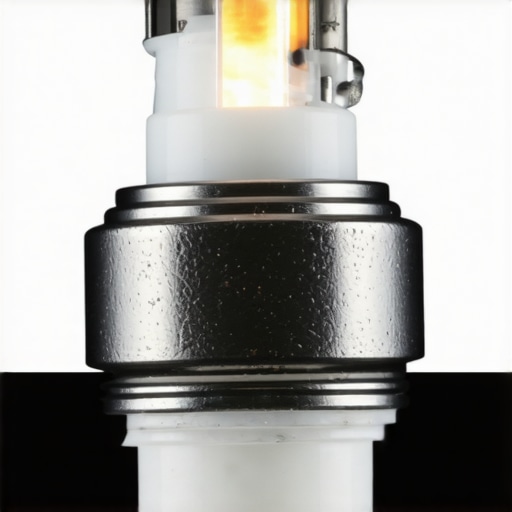
A frequent error in amateur diagnostics is assuming a ‘blue’ spark is always a ‘good’ spark. In reality, the spark must be intense enough to survive the high-turbulence environment of a direct-injection cylinder. If your spark is orange or yellow, the ignition system is failing to deliver the amperage necessary for a complete burn. This lack of intensity often results in intermittent misfires that disappear at higher RPMs but plague the car at cruising speeds. Beyond the mechanics, the way a shop communicates these technical nuances impacts customer trust significantly. Professionalism in explaining these complexities is a major factor in the secret to getting more five-star reviews for your auto business every week. If you found this forensic breakdown of spark plug wear helpful, consider sharing this guide with a fellow driver who is dealing with a mysterious engine stumble or leave a comment below about the strangest plug failure you’ve ever diagnosed.
Stop Guessing Which Heat Range Your Modified Engine Needs
Choosing the correct spark plug is not just about the thread pitch and reach; it is fundamentally about managing the heat path from the combustion chamber to the cooling system. The heat range of a spark plug is determined by the length of the insulator nose. A longer nose creates a longer path for heat to travel, meaning the plug stays hotter—essential for burning off deposits in low-load, city-driving conditions. Conversely, a ‘cold’ plug has a shorter nose, allowing heat to escape rapidly into the cylinder head. According to technical resources from Champion Spark Plugs, using a plug that is too hot for your specific engine load can cause the tip to become a glow plug, igniting the fuel before the spark even occurs. This ‘pre-ignition’ can destroy an engine in seconds, especially under boost. If you have recently upgraded your turbocharger or increased your compression ratio, your factory-recommended plug is likely no longer adequate. If you’re moving into high-performance territory, understanding these thermal dynamics is non-negotiable.
Is a Yellow Stain on the Ceramic Insulator a Sign of a Leak?
Many DIYers and even some junior techs see a brownish-yellow discoloration on the ceramic just above the metal shell and immediately assume the plug is ‘leaking’ combustion gases. This is a common misconception known as a ‘corona stain.’ It isn’t a failure of the internal seal but rather the result of high-voltage particles attracting oil mist and dirt to the insulator’s surface. It is a sign of normal electrical activity, not a reason for replacement. However, if you see actual soot or ‘blow-by’ trailing up the porcelain, the internal gasket has failed, and the plug is now a torch pointed directly at your ignition boot. Distinguishing between these two requires a keen eye and often reveals deeper issues with your engine’s crankcase ventilation system.
Treat Your Cylinder Head Threads with Respect
The mechanical interface between the plug and the engine is the most common point of failure during a routine swap. Many modern heads are aluminum, which is notoriously prone to galling and thread stripping. The ‘feel’ of the crush washer is paramount. When you thread a new plug in by hand—which you should always do to avoid cross-threading—you will reach a point of resistance where the washer meets the head. From that point, a specific fractional turn is required to permanently deform the washer and create a gas-tight seal. If you under-torque, the plug cannot dissipate heat into the head; if you over-torque, you risk cracking the fragile ceramic insulator or stripping the threads out of the head entirely.
#IMAGE_PLACE_HOLDER_C#
Cracking the porcelain during installation is a ‘silent killer’ for engine performance. A hairline fracture, often invisible to the naked eye, provides a path of least resistance for the high-voltage current to jump directly to the metal shell rather than the electrode. This results in a persistent ‘ghost’ misfire that only appears under heavy throttle. Professional-grade sockets with internal rubber grommets or magnetic inserts are not luxuries; they are essential tools to prevent side-loading the insulator. For more on the specific tools that can save your weekend project, check out our guide on the 15-dollar fix for engines that stumble under pressure. Beyond the mechanical installation, the chemical environment of the combustion chamber continues to evolve as engines age, requiring a transition in material strategy.
Why Iridium Outlasts Traditional Copper in Modern Systems
While copper is a superior conductor, its low melting point makes it unsuitable for the high-pressure, lean-burn environments of modern direct-injection engines. Iridium, with a melting point nearly 1,200 degrees higher than platinum, allows for an extremely fine wire center electrode. This fine point focuses the electrical field, requiring less voltage to initiate a spark—a critical advantage when your battery is struggling on a cold morning or when your coil pack is aging. If you’ve noticed your car takes a few extra cranks to start, the material degradation of your electrodes might be the culprit. Transitioning to a higher-grade material isn’t just about longevity; it’s about maintaining the flame kernel stability needed for peak fuel economy. However, even the best materials cannot compensate for a phenomena often overlooked by home mechanics: the dielectric breakdown of the spark plug boot itself.
The rubber boot connecting the coil to the plug is an often-ignored insulator that faces thousands of heat cycles. Over time, the rubber becomes porous or develops microscopic tracks that allow the high-voltage current to ‘flash over’ the outside of the ceramic rather than jumping the gap inside the cylinder. This is why applying a thin bead of dielectric grease to the inner lip of the boot is a non-negotiable step for any professional vehicle diagnostics protocol. It seals out moisture and ensures the path of least resistance remains across the electrodes where it belongs.
Stop Voltage Leakage with a Perfect Boot Seal
A flashover event leaves a distinctive carbon track—a thin, black squiggle—on the white porcelain. If you see this, the spark plug is ruined, and the boot must be replaced; simply cleaning it won’t stop the electricity from following that pre-etched path again. In high-humidity environments, this breakdown happens even faster, leading to that annoying ‘fish bite’ sensation under light acceleration. This subtle hesitation often precedes a total ignition failure, making early detection via visual inspection critical for maintaining peak auto repair standards.
Why Does High Ethanol Content Accelerate Spark Plug Erosion?
Modern pump gas often contains up to 15% ethanol, which burns with a different chemical profile than pure gasoline. According to engineering insights from Denso, ethanol-blended fuels can increase the internal temperature of the combustion chamber, potentially shifting the required heat range for your vehicle. The oxygen molecules within the ethanol itself promote a leaner, hotter burn that can lead to accelerated electrode rounding. This is particularly prevalent in direct-injection engines where the fuel is sprayed at extreme pressures, creating a sandblasting effect on the fine-wire iridium tips over thousands of miles.
Point the Flame Toward the Power with Plug Indexing
For those seeking the absolute peak of efficiency and throttle response, ‘indexing’ is a technique that moves beyond standard car service. This involves using copper shims to ensure that when the plug is fully torqued, the open side of the gap faces the intake valves. By preventing the ground strap from shadowing the initial flame kernel, you allow for a faster, more complete combustion. While primarily a performance tuning trick, it demonstrates how the physical orientation of a single component can influence the entire pressure curve of the power stroke and improve overall fuel atomization.
Catch Pending Misfires Before the Dashboard Lights Up
If you feel a subtle tremor but the computer remains silent, your engine is likely experiencing ‘Type B’ misfires—not frequent enough to trigger a Check Engine Light, but sufficient to ruin your fuel trim and long-term efficiency. Advanced technicians use scanners to look into Mode $06 data, specifically the Test IDs for misfire counts per cylinder. This allows you to identify a failing plug or a weak coil before it leaves you stranded or poisons your catalytic converter. Don’t wait for a total failure to take action; if your car feels slightly ‘off’ during a cold start, it likely is. Check your Mode $06 data today and share your findings in the comments to see how your engine’s health compares to factory specifications!
Expert Insights & Advanced Considerations
Waveform Data Often Lies Without Physical Context
While modern digital oscilloscopes provide a sophisticated view of ignition secondary patterns, they can occasionally mask physical defects like localized ceramic porosity. A technician must never rely solely on a screen; pulling the plug allows you to correlate electrical ‘noise’ with physical evidence. For example, a slightly leaned-out cylinder might show a perfect waveform but exhibit subtle ‘peppering’ on the porcelain—a clear sign of incipient detonation that vehicle diagnostics software might overlook until a hard failure occurs.
Ditch the Wire Brush for Chemical Cleaning Only
Using a traditional wire brush on a modern iridium or platinum plug is a recipe for disaster. The abrasive bristles can strip away the microscopic precious-metal plating on the center electrode, effectively turning a $15 high-performance component into a piece of scrap metal. If you must clean a plug during a mid-cycle auto repair, use a non-chlorinated brake cleaner and a soft nylon brush to remove loose soot without compromising the metallurgical integrity of the tip.
Thermal Fatigue in Aluminum Heads Demands a Torque Wrench
The habit of ‘snugging’ plugs by feel is a leading cause of pulled threads in modern overhead-cam engines. Aluminum expands and contracts at a different rate than the steel shell of the plug. Without using a calibrated torque wrench, you risk either a loose plug that vibrates and damages the threads or an over-tightened one that stretches the head material. This precision is what separates a DIY attempt from a professional car service experience.
Curated Expert Resources
NGK Technical Training Portal: This is the industry standard for understanding the relationship between heat ranges and combustion chamber geometry. It provides the deep-dive physics behind why certain plug designs are required for specific forced-induction applications.
Bosch Ignition Systems Guide: An essential resource for technicians who need to understand the interaction between the primary coil resistance and secondary voltage demand, specifically how gap erosion affects coil longevity.
SAE International Research Papers: For those looking to master the chemistry of combustion, search for papers on ‘Flame Kernel Development.’ This academic-level data explains the precise impact of plug indexing on thermal efficiency.
Precision Ignition is Your Best Defense Against Engine Failure
Mastering the art of spark plug analysis is more than a maintenance skill; it is the ultimate tool for deep vehicle diagnostics. By interpreting the story told by the insulator and electrodes, you can catch fuel trim imbalances, oil consumption issues, and cooling system failures long before they result in a catastrophic breakdown. Whether you are dealing with a simple engine stumble when you accelerate or a complex misfire, the physical evidence on the plug tip remains the most honest data point in your shop. If you have questions about specific wear patterns you’ve encountered or need a second opinion on a ‘ghost’ misfire, join the discussion in our professional forums or contact our technical team for a consultation on your next high-performance build.