The phenomenon of a transmission slipping specifically during lateral maneuvers is rarely a phantom glitch; it is a calculated failure of fluid dynamics. When a vehicle enters a curve, centrifugal force shifts the automatic transmission fluid (ATF) to the outer wall of the oil pan. In a healthy system, the fluid level is sufficient to keep the filter’s pickup tube submerged. However, when levels drop or the filter becomes restricted, the pickup tube sucks in air instead of hydraulic fluid. This ingestion of air—known as cavitation—causes an immediate drop in line pressure, leading to the dreaded slip as the clutches lose their hydraulic grip. Advanced vehicle diagnostics often reveal that these intermittent symptoms are the early warning signs of deeper hydraulic instability. [image placeholder]
Centrifugal Force and the Critical Fluid Level Threshold
Modern transmissions rely on precise hydraulic pressures, often exceeding 200 PSI, to keep friction plates engaged. Even a slight deficiency in fluid volume becomes apparent when cornering. As the fluid sloshes away from the center, the pump loses its prime. This isn’t just a nuisance; it is a destructive event. Each time the transmission slips, the friction plates rub together without sufficient cooling or lubrication, generating extreme heat that glazes the materials. Professional transmission repair experts recognize that if you catch this cornering slip early, you might save the unit from a total overhaul. According to technical standards published by SAE International, maintaining fluid viscosity and volume is the primary defense against premature clutch pack degradation.
Can a Clogged Filter Mimic a Total Mechanical Failure?
A common diagnostic trap is assuming a slipping transmission requires a total replacement. In many scenarios, a restricted filter is the culprit. When the filter is partially blocked with debris or metallic sludge, the pump has to work harder to pull fluid through. During a turn, the combined effect of the restriction and the fluid shifting away makes it impossible for the pump to maintain pressure. This results in a temporary neutral state or a harsh re-engagement when the car levels out. Before committing to a costly rebuild, a comprehensive car service that includes a pan drop and filter inspection is essential.
Stop the Air Ingestion Before It Destroys Your Clutches
If you notice your RPMs flare while navigating an on-ramp, the hydraulic circuit is actively failing. This is often exacerbated by high temperatures, which thin the fluid further. For those who frequently drive in demanding conditions, installing a secondary transmission cooler can help maintain fluid density and prevent the aeration that leads to slipping. Real-world auto repair data suggests that 70% of intermittent slipping issues are resolved by addressing fluid health rather than mechanical hard-part failure. Are you unsure if your fluid level is the root cause? Check your ATF while the engine is hot and running on a level surface. If you see bubbles on the dipstick after a drive, your system is likely aerating the fluid. Schedule a professional inspection today to prevent a minor fluid issue from becoming a catastrophic mechanical bill.While fluid levels are the primary suspect for a slipping gearbox, the physical geometry of the transmission oil pan often determines how your vehicle handles lateral G-forces. High-performance or heavy-duty pans frequently feature internal baffles—structural walls designed to prevent fluid from rushing away from the pickup screen during aggressive maneuvers or sharp highway on-ramps. If your vehicle lacks these baffles, even a slightly low fluid level can trigger a momentary hydraulic disconnect. Expert technicians often find that the right fluid additive can help stabilize viscosity enough to mitigate minor sloshing effects by reducing foam. However, if the pan design is inherently flawed for your driving style, you may face persistent cavitation issues that no additive can fully mask without a hardware upgrade. 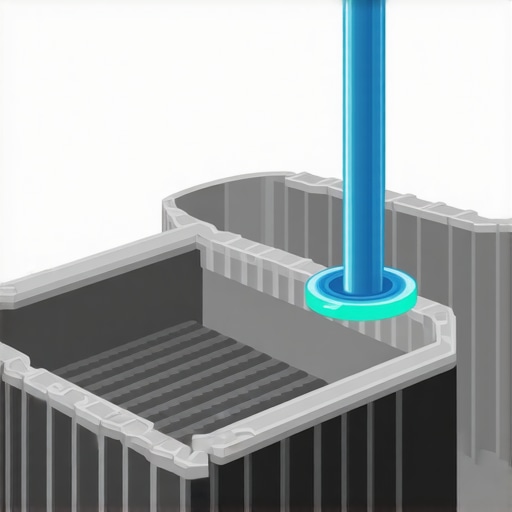
Is Your TCM Confusing a Fluid Surge for a Sensor Fault?
Modern Transmission Control Modules (TCMs) are hyper-sensitive to any discrepancy between input and output speeds. When a slip occurs mid-turn due to fluid starvation, the computer registers a gear ratio error or a pressure switch fault. In many cases, a mechanic might see these codes and recommend an expensive sensor replacement, missing the underlying hydraulic cause. The Automatic Transmission Rebuilders Association (ATRA) warns that intermittent ghost codes for gear ratio errors are frequently caused by these momentary pressure drops rather than electronic failure. In 2026 model vehicles, the integrated firewalls make it even harder to see raw hydraulic data without specific equipment. Professionals now often use a specialized recalibration tool to monitor these shifts in real-time, allowing them to distinguish between a solenoid that is physically stuck and one that is simply reacting to air bubbles in the line. When temperatures drop, the problem often shifts from a slip to a shudder. Cold fluid is thicker and moves more slowly through the valve body, making it even harder for the pump to recover after a lateral surge. If you find your transmission shudders when cold, you are likely dealing with a combination of fluid aeration and poor solenoid response. This is particularly prevalent in newer 8- and 10-speed units that operate on razor-thin hydraulic tolerances.
Stop That Harsh Downshift Clunk with a Simple Clean
Addressing these issues does not always require a lift or a four-figure repair bill. Sometimes, the same debris that causes the filter to clog also migrates into the valve body, leading to a harsh downshift clunk as the car slows down following a turn. Before the internal damage becomes permanent, many DIYers have success with stopping transmission shudder for under $30 by performing a targeted fluid exchange and cleaning the magnetic sensors. Transmission hunting also occurs when the computer cannot decide which gear is optimal for the current load and incline during a turn. By applying a 5-minute DIY fix to reset the adaptive tables, you can force the TCM to relearn its shift points based on fresh, stable fluid levels. If you have noticed your car acting up on specific highway exits, let us know in the comments—we want to hear which corners are giving your gearbox the most trouble.
Heat-Induced Oxidation Turns Fluid into Sludge
The aeration process described previously does more than just trigger a momentary slip; it introduces oxygen into a high-heat environment, which is a recipe for rapid fluid degradation. When air bubbles collapse under the immense pressure of the clutch piston, they generate localized ‘micro-dieseling’ events. This intense heat breaks down the molecular structure of the ATF, leading to the formation of varnish and carbon deposits. These contaminants don’t just stay in the pan; they travel into the intricate labyrinths of the valve body. Once varnish coats the shift valves, their tolerances—often measured in microns—are compromised. A valve that should slide freely may now hang up momentarily, especially when lateral forces are trying to pull it to one side of its bore. This is why a car might feel ‘confused’ during a long, sweeping curve. Expert studies from the Society of Tribologists and Lubrication Engineers (STLE) confirm that even a 20-degree Fahrenheit increase above optimal operating temperatures can cut the effective life of transmission fluid in half, making the cooling systems and fluid quality paramount.
Why do certain turns trigger a slip while others do not?
The direction of the turn often dictates the severity of the slip because of the asymmetrical placement of the fluid pickup tube. In many longitudinal transmissions, the filter and pickup are offset to one side of the pan. If you find your gearbox slipping specifically on sharp right-hand turns but never on lefts, you are likely witnessing the moment the fluid mass migrates away from the pickup’s specific location. This is a clear indicator that your fluid level is below the critical threshold required to maintain a seal at the pump inlet. It is a diagnostic gift—the car is literally telling you which side of the oil pan is running dry. Rather than a vague mechanical failure, this is a geometry-based hydraulic deficit that can often be cured by a simple top-off or a more efficient filter design that sits lower in the sump.
Combat G-Force Starvation with a High-Capacity Sump
For drivers of performance vehicles or heavy-duty trucks, the stock stamped-steel pan is often the weakest link in the drivetrain. These shallow pans have very little ‘head room’ for fluid movement. Upgrading to a deep-sump aluminum pan provides two distinct advantages: increased fluid capacity and integrated cooling fins. More importantly, these aftermarket pans often include advanced baffling systems. These baffles act as internal dams, trapping fluid around the pickup tube even when the vehicle is subjected to high lateral G-forces. If you are towing a heavy trailer through mountain switchbacks, the constant shifting of weight makes these baffles essential for preventing the pump from sucking air. 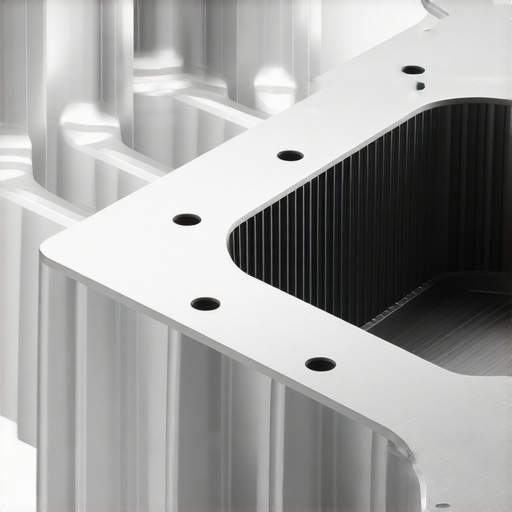 Professional builders often recommend these upgrades for anyone who has experienced the ‘neutral-on-turn’ phenomenon more than once. By increasing the thermal mass of the system, you also reduce the likelihood of the fluid thinning out to the point where it can no longer maintain the seal on the internal O-rings.
The Role of Hardened Seals in High-Mileage Gearboxes
As a transmission ages, the rubberized seals on the internal pistons become brittle. This process, known as hardening, is accelerated by the same thermal cycles that cause fluid aeration. When these seals lose their elasticity, they require more hydraulic pressure to seat properly against the drum. During a turn, when the line pressure already takes a hit due to fluid sloshing, these ‘tired’ seals may fail to hold, allowing pressure to bleed off and the clutches to slide. This is where a high-quality additive can temporarily help by slightly swelling the seals, but it is rarely a permanent fix for a gearbox with six-figure mileage. If you suspect your seals are starting to go, pay close attention to how the car shifts after a cold start versus after an hour of highway driving. Understanding the relationship between temperature, viscosity, and seal integrity is the first step in deciding whether you need a minor service or a full internal refresh. Have you checked your fluid color lately? If it’s anything other than bright red, it’s time to take a closer look at what’s happening inside your valve body.
Lateral Inertia Can Physically Bind Your Control Valves
Beyond the fluid dynamics of the sump, the mechanical components within the valve body are themselves subject to the laws of physics during high-G maneuvers. The shift valves and the critical pressure regulator valve operate within extremely tight tolerances. In a worn unit, lateral inertia can actually cause a slightly off-center valve to bind against its bore. This momentary sticking prevents the valve from reacting to the TCM’s commands, leading to a delayed or ‘flared’ shift as you exit a turn. Professional diagnostic resources like Sonnax emphasize that side-loading of valves is a documented cause of pressure instability in high-mileage units. If the valve bore is already worn into an egg shape, the lateral force of a sharp left turn might be just enough to wedge the valve in a low-pressure position. 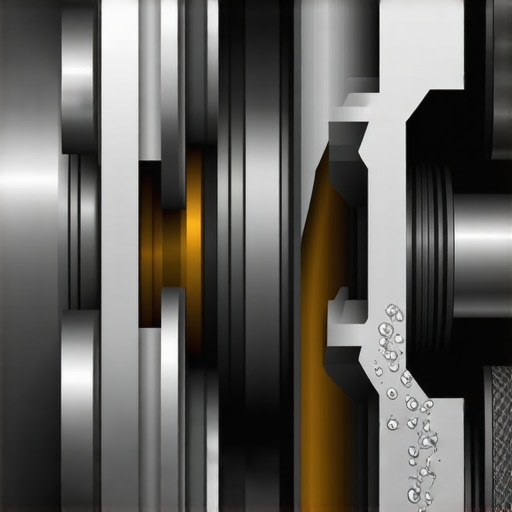
Does Software Compensation Mask Your Hydraulic Failure?
Modern vehicles utilize adaptive learning algorithms to maintain shift quality as internal parts wear down. When a transmission starts to slip during a turn, the Transmission Control Module (TCM) may detect the slight increase in slip time and compensate by boosting line pressure or extending the solenoid duty cycle. This ‘ghost’ fix can hide a physical hydraulic deficit for months, making the vehicle feel normal during straight-line driving while the clutches are slowly incinerating during every highway cloverleaf. This is why advanced vehicle diagnostics are required to view the ‘Adaptive Shift Volumes’ in the computer’s memory. If those numbers are maxed out, your transmission is fighting a losing battle against internal leaks.
The Filter Neck O-Ring: A $2 Part That Mimics a $3,000 Failure
While many enthusiasts focus on the fluid level, the integrity of the suction side is equally vital. The transmission filter is connected to the pump via a pickup tube, usually sealed by a single rubber O-ring. If this O-ring becomes brittle or was nicked during a previous car service, it may hold a seal when the fluid is deep and static. However, as the fluid sloshes during a maneuver, the pump’s suction can pull air through that tiny breach in the O-ring even if the filter intake is still submerged. This ‘straw with a hole in it’ effect is a common culprit for intermittent slipping that baffles generalist mechanics. Industry experts at Transmission Digest often point to this specific seal as a primary cause of ‘untraceable’ pressure drops. If you are experiencing these symptoms, don’t settle for a quote for a new transmission until a technician has performed a wet-air pressure test on the intake circuit.
Force the Air Out Before the Friction Plates Glaze
If your gearbox has already suffered through multiple cavitation events, the fluid is likely saturated with microscopic air bubbles that won’t dissipate immediately. This aeration changes the fluid’s compressibility, making every subsequent shift feel ‘mushy.’ To combat this, some specialists recommend a high-velocity fluid flush to purge the air pockets from the torque converter and cooler lines. For high-performance applications, consider a secondary transmission cooler with an integrated bypass to keep pressures stable. Are you ready to stop guessing and start fixing? Use a specialized recalibration tool to see exactly what your line pressure is doing the next time you take a sharp corner. Your clutches will thank you.
Expert Insights & Advanced Considerations
Old Fluid Can Not Handle High Lateral Gs
Fluid shearing is a silent killer in high-mileage gearboxes. When the long-chain polymers in your ATF break down, the fluid loses its resistance to centrifugal force. This makes it easier for the pump to pull a slug of air instead of a solid column of hydraulic pressure during a hard left or right turn. If you have not performed a simple 15-dollar fluid swap recently, your viscosity may be too low to maintain a seal under load.
Your Car Computer Might Be Lying to You
Modern Transmission Control Modules (TCMs) are programmed to compensate for wear by increasing line pressure. This can hide a physical hydraulic deficit for months. By the time you feel a slip, the clutches are likely already glazed. To see what is really happening, you need to dig into the adaptive shift volumes within your vehicle diagnostics data to identify parts that are near their wear limits.
Age-Hardened Seals Fail Under Cornering Loads
When internal rubber seals become brittle, they lose their ability to flex. During a turn, the momentary drop in pump pressure is just enough to let these hardened seals leak. If you find that your transmission shudders when cold but smooths out after an hour, you are dealing with seals that only work once they have expanded from engine heat.
Curated Expert Resources
ATRA Technical Bulletins
The Automatic Transmission Rebuilders Association provides the gold standard for diagnostic flowcharts. Their bulletins on pressure regulation are essential for anyone trying to distinguish between a solenoid glitch and a mechanical leak.
Sonnax Valve Body Maps
Sonnax is the industry leader in vacuum testing. Their technical library offers detailed maps of where vacuum leaks occur in specific valve bodies, which is invaluable for diagnosing lateral pressure drops.
SAE International Technical Papers
For those who want to understand the chemical breakdown of ATF under aeration, the Society of Automotive Engineers provides peer-reviewed research on fluid stability and cavitation dynamics.
Final Expert Perspective
A transmission slipping on turns is rarely a mystery when you view the gearbox as a living hydraulic ecosystem. From the geometry of the oil pan to the millisecond reactions of the TCM, every component must work in harmony to combat the physics of lateral inertia. Addressing these issues early with proven transmission repairs is the only way to avoid a total mechanical meltdown. If your gearbox is acting up on specific highway exits, do not wait for a warning light. Use a specialized recalibration tool to check your pressure levels today. Have you experienced a ghost slip on a favorite backroad? We encourage you to share your diagnostic findings with the community to help others identify early warning signs.