Stop Using Chassis Grease on Your Slide Pins
In the high-stakes environment of automotive braking systems, the difference between a smooth stop and a dangerous seizure often comes down to the microscopic layer of lubricant on your caliper slide pins. Many DIY enthusiasts and even some technicians fall into the trap of using general-purpose chassis grease or anti-seize. However, from an analytical perspective, these products are often catastrophic for modern floating caliper designs. True professional-grade auto repair necessitates a deep understanding of elastomer compatibility and thermal stability. When the wrong lubricant is applied, it reacts with the EPDM rubber boots, causing them to swell, tear, and eventually allow moisture to corrode the pin, leading to the dreaded frozen caliper.
The Chemical War Inside Your Rubber Boots
The technical reality is that petroleum-based lubricants are the natural enemy of ethylene propylene diene monomer (EPDM) rubber, which is the standard material for caliper seals. Professionals focused on high-tier car service prioritize pure silicone-based lubricants or high-quality synthetic polyalphaolefin (PAO) greases. These substances offer a high viscosity index and remain stable under the intense heat generated during heavy braking. Utilizing the correct lubricant is one of the top auto repair techniques every car owner should know to prevent premature component failure. Furthermore, consistent application of a high-solids lubricant ensures that the caliper can center itself perfectly over the rotor, preventing the uneven pressure that explains why your car pulls to one side only when braking.
Does High-Temperature Resistance Actually Matter for Everyday Commuting?
While some argue that a daily driver doesn’t reach the temperatures of a track car, the localized heat at the brake pad-rotor interface can exceed 500 degrees Fahrenheit during a single emergency stop. If your grease thins out and runs, or worse, turns into a sticky paste, the pins will bind. This binding often goes unnoticed during vehicle diagnostics until the inner pad is completely worn to the metal while the outer pad looks brand new. Experts look for lubricants that meet or exceed SAE standards for automotive lubricants, ensuring the grease maintains its integrity regardless of the season. High-quality lubrication is literally the secret to making your brake rotors last 100,000 miles because it guarantees even heat distribution across the entire friction surface.
Why Modern Ceramic Greases Outperform Old-School Moly
The industry has shifted significantly toward ceramic-fortified synthetic lubricants. These products contain ultra-fine ceramic particles that act as tiny ball bearings even if the base oil evaporates under extreme stress. In the world of high-performance transmission and engine work, we often talk about friction reduction, but in braking, we are managing heat dissipation and movement precision. A dry or improperly lubed pin creates a mechanical drag that can mimic a failing master cylinder or even a restricted brake line. Before you assume you need a complex car service overhaul, examine the state of your slide pins; they are the silent conductors of your braking orchestra. If you are a professional looking to sharpen your diagnostic edge, consider documenting your findings in our community forum to help elevate the standard of independent repair shops nationwide. Proper lubrication is not just a maintenance step; it is a critical safety protocol.
Stop Ignoring the Stainless Steel Hardware Kits
While the focus often remains on the friction material, the stainless steel abutment clips and return springs are equally vital to the system’s mechanical health. Over time, these components lose their tension due to constant thermal cycling, leading to a phenomenon where the pads do not fully retract from the rotor. This constant, albeit slight, contact creates a heat soak that can degrade even the best lubricants. In advanced vehicle diagnostics, we often find that a customer’s complaint of reduced fuel economy is actually linked to dragging pads caused by weak hardware. Replacing these components during every auto repair session ensures that the pads slide freely, reducing the noise and vibration that often lead to why your brakes squeal when you reversing. If you are performing a DIY service, never reuse old, pitted hardware; the microscopic rust buildup creates friction that no amount of grease can overcome.
The Mechanical Link Between Friction and Spongy Pedals
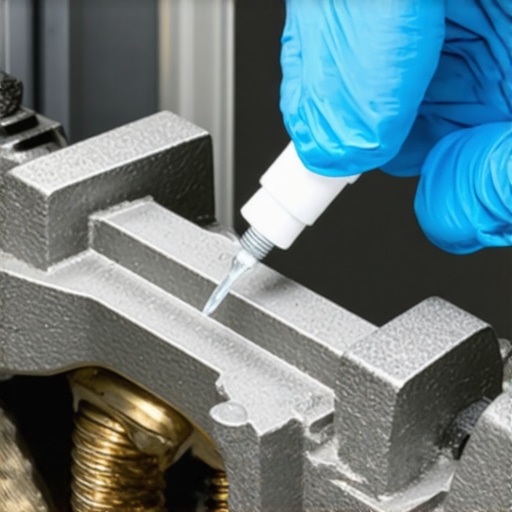
It is a common misconception that a soft pedal is exclusively a hydraulic issue. While air in the lines is a frequent culprit, mechanical deflection in the caliper assembly can produce a nearly identical sensation. When slide pins are improperly lubricated or slightly bent, the caliper body twists rather than squeezing the pads squarely against the rotor. This deflection requires more pedal travel to achieve the same clamping force, which explains why your brake pedal feels spongy after a long drive as the heat exacerbates the mechanical play. Ensuring that every moving part of the caliper is articulated perfectly is a hallmark of high-quality car service. Professionals don’t just look for leaks; they look for the geometric precision of the entire clamping mechanism.
Can Improper Lubrication Mimic Air in Your Brake Lines?
The short answer is yes. From a diagnostic standpoint, if a caliper is binding on its pins, the piston must travel further to overcome the mechanical resistance before the pads make contact. This creates a ‘dead zone’ at the top of the pedal travel. Before you commit to the labor-intensive process of how to flush your own brake lines without a helper, verify that your calipers are sliding with zero resistance. The National Highway Traffic Safety Administration (NHTSA) frequently emphasizes that braking efficiency is dependent on the total system integrity, not just the hydraulic pressure. A single seized pin can reduce your stopping distance by a significant margin, turning a controlled stop into a potential collision.
Why Your Rear Brakes Are More Sensitive to Lubrication Failure
Rear brake systems, particularly those with integrated parking brake mechanisms, have tighter tolerances and move less frequently than front brakes. This lack of movement makes them prone to internal oxidation and grease thickening. If the lubrication fails here, you will quickly notice why your rear brakes are wearing out faster than the fronts. Because the rear proportioning valve sends less pressure to the back under normal conditions, any mechanical binding is amplified because there isn’t enough hydraulic force to ‘snap’ the caliper free. This is why specialized transmission and drivetrain shops often inspect the rear braking bias during routine inspections. If you’ve noticed a decrease in stopping power or a strange vibration after a long trip, drop a comment below with your vehicle’s mileage—our community is here to help you troubleshoot the specific nuances of your car’s braking system.
Salt, Slush, and the Slow Death of Your Seals
In regions where road salt is a seasonal reality, the environmental assault on your braking system is relentless. While many focus on the thickness of the friction material during a standard car service, the integrity of the rubber dust boots often goes overlooked. A microscopic tear in a boot acts as a vacuum, drawing in brine that emulsifies even high-quality lubricants into a gritty, abrasive paste. This degradation doesn’t just stop movement; it creates a galvanic cell between the steel pin and the cast iron caliper bracket. When you are deep into auto repair on a high-mileage vehicle, you may notice that the pin isn’t just stuck; it has chemically bonded to the bore. Preventing this requires more than just a quick wipe-down; it demands a surgical cleaning of the bracket bore with a dedicated wire brush before the application of fresh silicone. Failure to maintain this barrier is the primary catalyst for internal bore pitting, which remains one of the most difficult issues to catch during routine vehicle diagnostics.
The Finger-Tip Test for Caliper Freedom
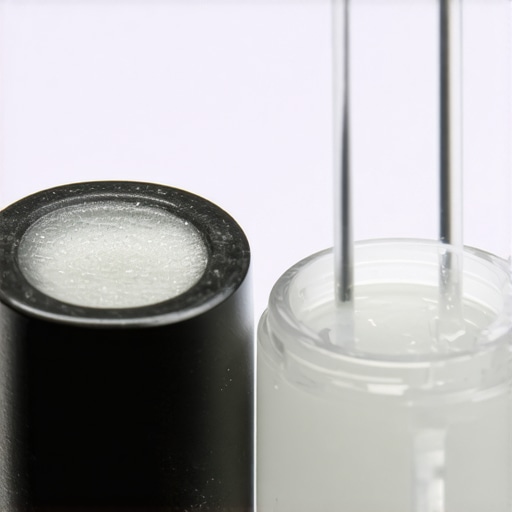
Experienced technicians don’t just look for movement; they feel for the quality of the slide. Once the caliper is unbolted, the bracket pins should move with a hydraulic-like resistance—smooth, consistent, and without any ‘notchy’ feedback. If the pin springs back at you, it indicates that too much grease was applied, creating a localized air pocket that acts as a pneumatic spring. This air-lock prevents the pad from fully seating, leading to a localized hot spot on the rotor. In professional auto repair, we call this ‘hydro-locking the pin,’ and it can be just as detrimental as a seized one. Precision is paramount; you want enough lubricant to coat the surface, but not enough to fill the void at the bottom of the bore. This nuance is why high-end car service shops often spend more time cleaning and prepping hardware than they do actually replacing the pads.
What Happens When Electronic Stability Control Meets a Seized Pin?
Modern vehicles rely on individual wheel speed sensors to modulate braking pressure via the ABS and Electronic Stability Control (ESC) systems. When a slide pin is seized, the mechanical latency of that specific wheel increases. As the computer pulses the hydraulic valves, a sticking caliper cannot react with the necessary millisecond-level precision. This discrepancy creates a ‘shadow’ in the data that the onboard computer interprets as a loss of traction or a failing sensor. According to technical documentation from Brembo, even a minor mechanical delay can disrupt the sensitive feedback loops used by modern brake-by-wire and stability systems. If you’ve felt a strange vibration in your transmission or drivetrain during light braking, the root cause might actually be the ESC trying to compensate for a dragging caliper pin that it thinks is a slipping tire.
The Torque Myth and Bracket Alignment
Many DIYers believe that tightening the caliper mounting bolts until they ‘feel right’ is sufficient, but over-torquing can slightly distort the bracket or even stretch the slide pin itself. This distortion, though measured in microns, is enough to throw the pin out of perfect axial alignment with the bore. Once the alignment is off, the lubricant is squeezed out of one side of the pin, leading to rapid metal-on-metal wear. Utilizing a calibrated torque wrench is a non-negotiable step in professional vehicle diagnostics and repair. It ensures that the clamping force is distributed evenly across the bracket. If you’ve ever dealt with a stubborn bolt that just wouldn’t budge, share your best ‘stuck bolt’ survival stories in our community forum—we’ve all been there, and your tips could save a fellow mechanic a massive headache. Proper torque isn’t just about safety; it’s about maintaining the geometric perfection required for the lubricant to do its job under the intense pressure of a high-speed stop.
How Micro-Vibrations Erode Your Lubricant Layer
Every time you drive, your braking system is subjected to high-frequency harmonic vibrations. These vibrations can cause ‘fretting’ if the lubricant film isn’t robust enough to stay in place. Fretting is a specialized form of wear that occurs at the contact points between the pin and the bore, effectively ‘shaking’ the grease out of the critical load zones. High-performance ceramic-based lubricants are specifically engineered to resist this displacement. When you perform your next car service, look for signs of ‘dry spots’ on the pins; these are clear indicators that your previous grease choice couldn’t handle the harmonic load of your specific vehicle setup.
Stop Blaming the Pads for Bore Pitting
In the realm of advanced vehicle diagnostics, we often find that internal corrosion within the caliper bracket bore is the primary architect of brake failure. While many believe that any grease creates a waterproof seal, certain low-grade lubricants are actually hydroscopic, meaning they slowly draw moisture from the atmosphere. Once moisture is trapped against the steel pin, a localized electrochemical reaction occurs. This is why a simple auto repair involving a pad swap is insufficient; you must verify that the lubricant provides a hydrophobic barrier that repels water molecules at a molecular level. Professionals who understand the nuances of car service look for greases with a high washout resistance rating, ensuring the protection remains even when the vehicle is subjected to high-pressure undercarriage washes or deep puddles.
Regenerative Braking Creates a New Lubrication Crisis
Hybrid and electric vehicle owners face a unique challenge that traditional transmission-focused shops are only beginning to address. In these vehicles, the mechanical brakes are used far less frequently due to regenerative braking. This lack of thermal cycling means the slide pin grease never reaches its optimal operating temperature, which can lead to grease plating where the lubricant hardens into a waxy residue. This stasis is a silent killer of braking performance. During routine vehicle diagnostics on an EV, it is crucial to manually actuate the calipers and refresh the lubricant more often than the pad wear might suggest. A stuck pin on a Tesla or a Prius can go unnoticed for months, dragging the pads and significantly reducing the vehicle’s driving range and efficiency.
Can Your Brake Lubricant Withstand the Chemical Assault of Modern De-Icers?
The transition from rock salt to liquid calcium chloride on winter roads has fundamentally changed the chemistry of the wheel well. These liquid de-icers have a higher wetting ability, meaning they can penetrate the tightest seals of a caliper dust boot. Standard lithium-based greases are quickly neutralized by these chemicals, leading to a rapid breakdown of the lubricating film. According to technical bulletins from Akebono Brake Corporation, using a high-quality ceramic or 100% synthetic lubricant is the only way to ensure the pins remain mobile in these aggressive environments. If you live in a salt belt state, your auto repair strategy must prioritize chemical resistance over mere heat tolerance to prevent the pins from seizing between service intervals.
The Critical Role of Thermal Expansion Coefficients
Engineering-grade car service requires an appreciation for the metallurgy of your components. Not all slide pins are created equal; some aftermarket pins are made from alloys with different thermal expansion rates than the original equipment. As the caliper heats up, a pin that expands too much will wedge itself into the bore, regardless of the lubricant used. This is why budget auto repair kits often lead to repeat complaints of brake drag. When diagnosing a recurring issue, compare the pin diameter to the manufacturer’s specifications using a micrometer. Precision is the difference between a repair that lasts 50,000 miles and one that fails in six months. If you’ve encountered a specific vehicle model that seems to eat slide pins, post the make and model in our discussion thread so we can analyze the metallurgical data together. Understanding these micro-scale interactions is what separates a parts-changer from a true automotive technician.
Stop Using Chassis Grease on Your Slide Pins
In the high-stakes environment of automotive braking systems, the difference between a smooth stop and a dangerous seizure often comes down to the microscopic layer of lubricant on your caliper slide pins. Many DIY enthusiasts and even some technicians fall into the trap of using general-purpose chassis grease or anti-seize. However, from an analytical perspective, these products are often catastrophic for modern floating caliper designs. True professional-grade auto repair necessitates a deep understanding of elastomer compatibility and thermal stability. When the wrong lubricant is applied, it reacts with the EPDM rubber boots, causing them to swell, tear, and eventually allow moisture to corrode the pin, leading to the dreaded frozen caliper.
The Chemical War Inside Your Rubber Boots
The technical reality is that petroleum-based lubricants are the natural enemy of ethylene propylene diene monomer (EPDM) rubber, which is the standard material for caliper seals. Professionals focused on high-tier car service prioritize pure silicone-based lubricants or high-quality synthetic polyalphaolefin (PAO) greases. These substances offer a high viscosity index and remain stable under the intense heat generated during heavy braking. Utilizing the correct lubricant is one of the top auto repair techniques every car owner should know to prevent premature component failure. Furthermore, consistent application of a high-solids lubricant ensures that the caliper can center itself perfectly over the rotor, preventing the uneven pressure that explains why your car pulls to one side only when braking.
Does High-Temperature Resistance Actually Matter for Everyday Commuting?
While some argue that a daily driver doesn’t reach the temperatures of a track car, the localized heat at the brake pad-rotor interface can exceed 500 degrees Fahrenheit during a single emergency stop. If your grease thins out and runs, or worse, turns into a sticky paste, the pins will bind. This binding often goes unnoticed during vehicle diagnostics until the inner pad is completely worn to the metal while the outer pad looks brand new. Experts look for lubricants that meet or exceed SAE standards for automotive lubricants, ensuring the grease maintains its integrity regardless of the season. High-quality lubrication is literally the secret to making your brake rotors last 100,000 miles because it guarantees even heat distribution across the entire friction surface.
Why Modern Ceramic Greases Outperform Old-School Moly
The industry has shifted significantly toward ceramic-fortified synthetic lubricants. These products contain ultra-fine ceramic particles that act as tiny ball bearings even if the base oil evaporates under extreme stress. In the world of high-performance transmission and engine work, we often talk about friction reduction, but in braking, we are managing heat dissipation and movement precision. A dry or improperly lubed pin creates a mechanical drag that can mimic a failing master cylinder or even a restricted brake line. Before you assume you need a complex car service overhaul, examine the state of your slide pins; they are the silent conductors of your braking orchestra. If you are a professional looking to sharpen your diagnostic edge, consider documenting your findings in our community forum to help elevate the standard of independent repair shops nationwide. Proper lubrication is not just a maintenance step; it is a critical safety protocol.
Stop Ignoring the Stainless Steel Hardware Kits
While the focus often remains on the friction material, the stainless steel abutment clips and return springs are equally vital to the system’s mechanical health. Over time, these components lose their tension due to constant thermal cycling, leading to a phenomenon where the pads do not fully retract from the rotor. This constant, albeit slight, contact creates a heat soak that can degrade even the best lubricants. In advanced vehicle diagnostics, we often find that a customer’s complaint of reduced fuel economy is actually linked to dragging pads caused by weak hardware. Replacing these components during every auto repair session ensures that the pads slide freely, reducing the noise and vibration that often lead to why your brakes squeal when you reversing. If you are performing a DIY service, never reuse old, pitted hardware; the microscopic rust buildup creates friction that no amount of grease can overcome.
The Mechanical Link Between Friction and Spongy Pedals
It is a common misconception that a soft pedal is exclusively a hydraulic issue. While air in the lines is a frequent culprit, mechanical deflection in the caliper assembly can produce a nearly identical sensation. When slide pins are improperly lubricated or slightly bent, the caliper body twists rather than squeezing the pads squarely against the rotor. This deflection requires more pedal travel to achieve the same clamping force, which explains why your brake pedal feels spongy after a long drive as the heat exacerbates the mechanical play. Ensuring that every moving part of the caliper is articulated perfectly is a hallmark of high-quality car service. Professionals don’t just look for leaks; they look for the geometric precision of the entire clamping mechanism.
Can Improper Lubrication Mimic Air in Your Brake Lines?
The short answer is yes. From a diagnostic standpoint, if a caliper is binding on its pins, the piston must travel further to overcome the mechanical resistance before the pads make contact. This creates a ‘dead zone’ at the top of the pedal travel. Before you commit to the labor-intensive process of how to flush your own brake lines without a helper, verify that your calipers are sliding with zero resistance. The National Highway Traffic Safety Administration (NHTSA) frequently emphasizes that braking efficiency is dependent on the total system integrity, not just the hydraulic pressure. A single seized pin can reduce your stopping distance by a significant margin, turning a controlled stop into a potential collision.
Why Your Rear Brakes Are More Sensitive to Lubrication Failure
Rear brake systems, particularly those with integrated parking brake mechanisms, have tighter tolerances and move less frequently than front brakes. This lack of movement makes them prone to internal oxidation and grease thickening. If the lubrication fails here, you will quickly notice why your rear brakes are wearing out faster than the fronts. Because the rear proportioning valve sends less pressure to the back under normal conditions, any mechanical binding is amplified because there isn’t enough hydraulic force to ‘snap’ the caliper free. This is why specialized transmission and drivetrain shops often inspect the rear braking bias during routine inspections. If you’ve noticed a decrease in stopping power or a strange vibration after a long trip, drop a comment below with your vehicle’s mileage—our community is here to help you troubleshoot the specific nuances of your car’s braking system.
Salt, Slush, and the Slow Death of Your Seals
In regions where road salt is a seasonal reality, the environmental assault on your braking system is relentless. While many focus on the thickness of the friction material during a standard car service, the integrity of the rubber dust boots often goes overlooked. A microscopic tear in a boot acts as a vacuum, drawing in brine that emulsifies even high-quality lubricants into a gritty, abrasive paste. This degradation doesn’t just stop movement; it creates a galvanic cell between the steel pin and the cast iron caliper bracket. When you are deep into auto repair on a high-mileage vehicle, you may notice that the pin isn’t just stuck; it has chemically bonded to the bore. Preventing this requires more than just a quick wipe-down; it demands a surgical cleaning of the bracket bore with a dedicated wire brush before the application of fresh silicone. Failure to maintain this barrier is the primary catalyst for internal bore pitting, which remains one of the most difficult issues to catch during routine vehicle diagnostics.
The Finger-Tip Test for Caliper Freedom
Experienced technicians don’t just look for movement; they feel for the quality of the slide. Once the caliper is unbolted, the bracket pins should move with a hydraulic-like resistance—smooth, consistent, and without any ‘notchy’ feedback. If the pin springs back at you, it indicates that too much grease was applied, creating a localized air pocket that acts as a pneumatic spring. This air-lock prevents the pad from fully seating, leading to a localized hot spot on the rotor. In professional auto repair, we call this ‘hydro-locking the pin,’ and it can be just as detrimental as a seized one. Precision is paramount; you want enough lubricant to coat the surface, but not enough to fill the void at the bottom of the bore. This nuance is why high-end car service shops often spend more time cleaning and prepping hardware than they do actually replacing the pads.
What Happens When Electronic Stability Control Meets a Seized Pin?
Modern vehicles rely on individual wheel speed sensors to modulate braking pressure via the ABS and Electronic Stability Control (ESC) systems. When a slide pin is seized, the mechanical latency of that specific wheel increases. As the computer pulses the hydraulic valves, a sticking caliper cannot react with the necessary millisecond-level precision. This discrepancy creates a ‘shadow’ in the data that the onboard computer interprets as a loss of traction or a failing sensor. According to technical documentation from Brembo, even a minor mechanical delay can disrupt the sensitive feedback loops used by modern brake-by-wire and stability systems. If you’ve felt a strange vibration in your transmission or drivetrain during light braking, the root cause might actually be the ESC trying to compensate for a dragging caliper pin that it thinks is a slipping tire.
The Torque Myth and Bracket Alignment
Many DIYers believe that tightening the caliper mounting bolts until they ‘feel right’ is sufficient, but over-torquing can slightly distort the bracket or even stretch the slide pin itself. This distortion, though measured in microns, is enough to throw the pin out of perfect axial alignment with the bore. Once the alignment is off, the lubricant is squeezed out of one side of the pin, leading to rapid metal-on-metal wear. Utilizing a calibrated torque wrench is a non-negotiable step in professional vehicle diagnostics and repair. It ensures that the clamping force is distributed evenly across the bracket. If you’ve ever dealt with a stubborn bolt that just wouldn’t budge, share your best ‘stuck bolt’ survival stories in our community forum—we’ve all been there, and your tips could save a fellow mechanic a massive headache. Proper torque isn’t just about safety; it’s about maintaining the geometric perfection required for the lubricant to do its job under the intense pressure of a high-speed stop.
How Micro-Vibrations Erode Your Lubricant Layer
Every time you drive, your braking system is subjected to high-frequency harmonic vibrations. These vibrations can cause ‘fretting’ if the lubricant film isn’t robust enough to stay in place. Fretting is a specialized form of wear that occurs at the contact points between the pin and the bore, effectively ‘shaking’ the grease out of the critical load zones. High-performance ceramic-based lubricants are specifically engineered to resist this displacement. When you perform your next car service, look for signs of ‘dry spots’ on the pins; these are clear indicators that your previous grease choice couldn’t handle the harmonic load of your specific vehicle setup.
Stop Blaming the Pads for Bore Pitting
In the realm of advanced vehicle diagnostics, we often find that internal corrosion within the caliper bracket bore is the primary architect of brake failure. While many believe that any grease creates a waterproof seal, certain low-grade lubricants are actually hydroscopic, meaning they slowly draw moisture from the atmosphere. Once moisture is trapped against the steel pin, a localized electrochemical reaction occurs. This is why a simple auto repair involving a pad swap is insufficient; you must verify that the lubricant provides a hydrophobic barrier that repels water molecules at a molecular level. Professionals who understand the nuances of car service look for greases with a high washout resistance rating, ensuring the protection remains even when the vehicle is subjected to high-pressure undercarriage washes or deep puddles.
Regenerative Braking Creates a New Lubrication Crisis
Hybrid and electric vehicle owners face a unique challenge that traditional transmission-focused shops are only beginning to address. In these vehicles, the mechanical brakes are used far less frequently due to regenerative braking. This lack of thermal cycling means the slide pin grease never reaches its optimal operating temperature, which can lead to grease plating where the lubricant hardens into a waxy residue. This stasis is a silent killer of braking performance. During routine vehicle diagnostics on an EV, it is crucial to manually actuate the calipers and refresh the lubricant more often than the pad wear might suggest. A stuck pin on a Tesla or a Prius can go unnoticed for months, dragging the pads and significantly reducing the vehicle’s driving range and efficiency.
Can Your Brake Lubricant Withstand the Chemical Assault of Modern De-Icers?
The transition from rock salt to liquid calcium chloride on winter roads has fundamentally changed the chemistry of the wheel well. These liquid de-icers have a higher wetting ability, meaning they can penetrate the tightest seals of a caliper dust boot. Standard lithium-based greases are quickly neutralized by these chemicals, leading to a rapid breakdown of the lubricating film. According to technical bulletins from Akebono Brake Corporation, using a high-quality ceramic or 100% synthetic lubricant is the only way to ensure the pins remain mobile in these aggressive environments. If you live in a salt belt state, your auto repair strategy must prioritize chemical resistance over mere heat tolerance to prevent the pins from seizing between service intervals.
The Critical Role of Thermal Expansion Coefficients
Engineering-grade car service requires an appreciation for the metallurgy of your components. Not all slide pins are created equal; some aftermarket pins are made from alloys with different thermal expansion rates than the original equipment. As the caliper heats up, a pin that expands too much will wedge itself into the bore, regardless of the lubricant used. This is why budget auto repair kits often lead to repeat complaints of brake drag. When diagnosing a recurring issue, compare the pin diameter to the manufacturer’s specifications using a micrometer. Precision is the difference between a repair that lasts 50,000 miles and one that fails in six months. If you’ve encountered a specific vehicle model that seems to eat slide pins, post the make and model in our discussion thread so we can analyze the metallurgical data together. Understanding these micro-scale interactions is what separates a parts-changer from a true automotive technician.
Expert Insights & Advanced Considerations
Surface Roughness Dictates Lubricant Retention
A mirror-like finish on a slide pin can actually be counterproductive. High-tier auto repair standards recognize that a microscopic level of cross-hatching helps silicone lubricants cling to the metal surface under high shear loads. If a pin is polished too smooth, the grease can be wiped away by the seal, leaving the metal vulnerable to friction. When performing vehicle diagnostics, examine the pin for localized galling, which often indicates a lubricant failure caused by a loss of surface integrity.
Electronic Parking Brakes Change the Game
Modern rear calipers equipped with electronic parking brakes (EPB) are far less tolerant of slide pin resistance. Because these systems use small electric motors to apply clamping force, any mechanical drag increases the current draw, which can trigger fault codes in the transmission and chassis control modules. The hidden world of vehicle diagnostics reveals that many EPB failures are actually mechanical sticking issues disguised as sensor errors. Proper lubrication ensures these expensive motors do not burn out prematurely.
The Pitfalls of Universal Synthetic Greases
Not all synthetics are equal. A professional car service utilizes lubricants with a specified drop point above 500°F. Some retail-grade synthetic greases are actually blends that can separate over time, leaving a thin oil that leaks onto the pads and a thick soap that binds the pins. This is why choosing the right car service for seamless vehicle maintenance involves vetting the specific chemical composition of the lubricants used by your technician.
Curated Expert Resources
SAE International Technical Reports
The definitive source for automotive engineering data, offering rigorous testing results on elastomer compatibility and the thermal degradation of synthetic lubricants under extreme pressure.
Brake and Front End Magazine
An essential trade publication providing real-world case studies on mechanical failures and unlocking your cars potential with expert auto repair tips for 2025 that bridge the gap between theory and practical garage work.
ASE Certification Hub
The primary benchmark for technician knowledge in the A5 (Brakes) category, setting the standards for component inspection and failure analysis in professional shops.
Final Expert Perspective
Mastering the nuances of caliper lubrication is a fundamental pillar of high-level auto repair. It represents the bridge between a simple pad replacement and a comprehensive braking system restoration that ensures safety. By understanding these chemical interactions, you can perform a car service that prevents issues like the simple move to prevent your brake lines from rusting out from compromising your vehicle. If you have questions about specific lubricant brands or have encountered a stubborn seized pin, share your professional insights in our community forum below.