Hydraulic system integrity remains the most critical safety barrier in modern automotive engineering. While advanced vehicle diagnostics can detect fluctuations in master cylinder pressure or ABS module latency, they often fail to alert the driver to the physical degradation occurring beneath the chassis. Brake line oxidation is an insidious process that compromises the structural limits of steel piping, often leading to catastrophic failure under emergency load. For those invested in long-term vehicle longevity, the shift from reactive auto repair to preventive metallurgical preservation is essential for maintaining a safe and reliable machine.
Why Salt and Brine Aggressively Target Your Brake System
In regions where road salts and liquid brines are used to combat ice, the chemical reaction with exposed steel is nearly instantaneous. Liquid de-icers, particularly magnesium chloride, possess a high hygroscopic nature, meaning they attract moisture and cling to the crevices of your brake lines. This creates an electrochemical cell that accelerates pitting and scaling. Professional car service intervals often overlook the subtle micro-cracks in the factory coating that allow these corrosive agents to penetrate the base metal. Research published by the National Highway Traffic Safety Administration (NHTSA) highlights that structural failure due to corrosion is a leading factor in safety-related recalls for aging fleets.
How Do Professional Technicians Identify Early-Stage Pitting?
Detecting corrosion before it reaches the point of a burst line requires more than a casual glance. Experts look for localized bubbling on the plastic or epoxy coating, which indicates that oxidation is occurring underneath the protective layer. This is where vehicle diagnostics play a secondary role; by monitoring the pedal travel and pressure consistency, a technician can infer if the internal diameter of the line is becoming restricted or if the wall thickness is thinning. If you notice a change in how your vehicle responds to stopping, it might not just be the pads. You should also be aware of the specific smell that tells you your brakes are dragging, as the heat generated can accelerate the breakdown of neighboring hydraulic lines.
[IMAGE_PLACEHOLDER]
The Single Move to Halt Oxidation Before it Starts
The most effective strategy to prevent your brake lines from rusting out is the application of a high-quality, oil-based corrosion inhibitor. Unlike rubberized undercoatings, which can actually trap moisture against the metal and accelerate rot, oil-based sprays such as fluid film or specialized waxes creep into every seam and fastener. This creates an airtight and watertight barrier that prevents the chemical reaction of oxidation from ever initiating. This proactive approach is the one maintenance move that doubles the life of your rotors and surrounding components by keeping the entire wheel-end assembly free from seizing.
Is Your Chassis Ready for the Next Winter Season?
If you have not yet inspected your undercarriage this year, now is the time to verify the health of your fuel and brake lines. Ensuring your vehicle receives a thorough car service that includes a chassis wash and protective coating can save thousands in future auto repair costs. For those who prefer a hands-on approach, learning how to flush your brake lines without a second-person helping is a valuable skill that ensures fresh, moisture-free fluid is protecting the interior of your lines as well. If you have noticed any sponginess in the pedal or suspicious stains on your driveway, do not hesitate to consult a professional to avoid a dangerous loss of stopping power. We encourage you to contribute your own experiences with rust prevention in the comments below or contact our experts for a detailed diagnostic review of your braking system.
When the structural integrity of factory-installed steel lines is compromised, the standard auto repair protocol often involves simple replacement. However, the discerning vehicle owner looks toward material science to prevent a recurrence of the same failure. Moving beyond basic steel, the introduction of copper-nickel (NiCopp) alloy tubing has revolutionized long-term hydraulic reliability. These lines offer superior ductility and an inherent resistance to salt-induced oxidation that standard lines cannot match. Integrating such upgrades during a routine car service ensures that the vehicle’s hydraulic backbone remains impervious to the environmental stressors that typically lead to a spongy brake pedal or worse.
Why NiCopp Tubing is Replacing Traditional Steel in High-End Restoration
The metallurgical composition of copper-nickel allows for a much higher degree of flexibility without sacrificing burst pressure ratings. This is particularly advantageous when navigating the complex geometry of a vehicle’s frame, where rigid steel lines are prone to kinking or developing stress fractures during installation. Professional vehicle diagnostics often reveal that many hydraulic leaks originate at the junction points where vibrations are most intense. The dampening qualities of NiCopp help absorb these harmonic frequencies, preventing the micro-fractures that eventually lead to catastrophic pressure loss. According to technical standards established by SAE International, copper-nickel tubing must meet strict wall thickness and pressure requirements to ensure safety in automotive applications, proving it is far more than an aesthetic choice.
Can Your Brake Lines Survive a Decade of Humidity?
Internal corrosion is just as lethal as the external rust seen on the chassis. Brake fluid is hygroscopic, meaning it actively pulls moisture from the atmosphere through the microscopic pores of rubber hoses and reservoir seals. Once moisture enters the system, it settles in the lowest points of the lines, initiating internal pitting. This is a primary reason why you might experience a situation where your car pulls to one side only when braking; a partially collapsed or internally corroded line can restrict fluid flow to one caliper, creating an imbalance in stopping force. Regular flushing is the only way to remove this moisture and the metallic debris it generates before it clogs the delicate valves within your ABS module.
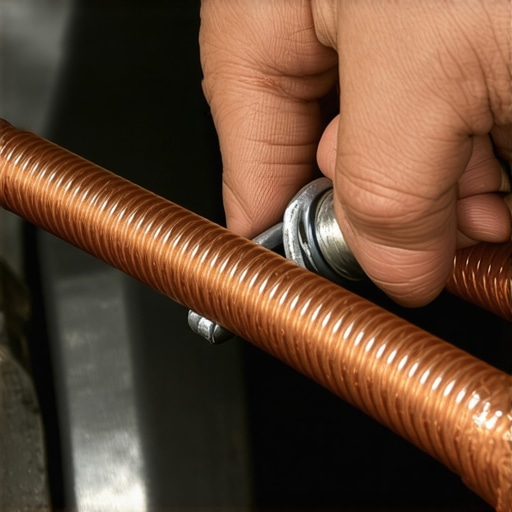
Spotting Internal Deterioration Before Your Pedal Goes Floorward
Expert technicians utilize specialized vehicle diagnostics tools, such as copper testing strips and electronic moisture analyzers, to determine the chemical health of the fluid. If the copper content in the fluid exceeds 200 ppm, it indicates that the internal lining of the brake pipes is already being stripped away. This chemical breakdown is a silent killer of hydraulic systems. If you are already dealing with mechanical issues, such as trying to figure out how to unstick a caliper without replacing the whole brake system, you must also investigate the condition of the flex hoses. Over time, these rubber components can swell internally, acting as a one-way check valve that holds pressure on the pads even after you release the pedal, leading to overheating and accelerated line wear. Have you ever noticed your brakes feeling tighter after a long drive in heavy traffic? This could be a sign of internal line failure. Share your diagnostic experiences or questions about brake material upgrades in the comments below, and let us know how you handle rust prevention in your climate.
While the shift to copper-nickel provides a significant buffer against external rot, the thermal dynamics of a modern hydraulic system introduce a different set of mechanical stresses. Every time you engage the pedal, kinetic energy is converted into intense heat at the caliper, some of which travels back up the column of fluid. This thermal cycling causes the lines to expand and contract at a microscopic level. Over thousands of cycles, the metal near the flare nuts—the tightest points of the system—can suffer from work hardening. This is why a high-quality car service doesn’t just check for leaks; it looks for evidence of stress fractures near the master cylinder and ABS block where vibration and heat are most concentrated. If you’re noticing a firm pedal but poor stopping power, it might be time to look beyond the pads—our team can help you identify if internal line restrictions are the true culprit.
Stop the Heat From Brittle-Fracturing Your Connections
When considering upgrades, many enthusiasts turn to stainless steel. While its tensile strength is impressive, it presents unique challenges during auto repair. Stainless is notoriously difficult to flare properly without professional-grade hydraulic flaring tools, often leading to micro-tears in the seat of the flare that result in slow, weeping leaks. Furthermore, its rigidity makes it less effective at dampening the high-frequency pulsations generated by modern ABS pumps. In contrast, NiCopp provides the perfect balance of corrosion resistance and ductility, allowing it to move with the chassis rather than fighting against it. According to technical documentation from the Copper Development Association (CDA), the 90-10 copper-nickel alloy used in automotive tubing is specifically engineered to resist salt spray for durations that far exceed the lifespan of the vehicle itself.
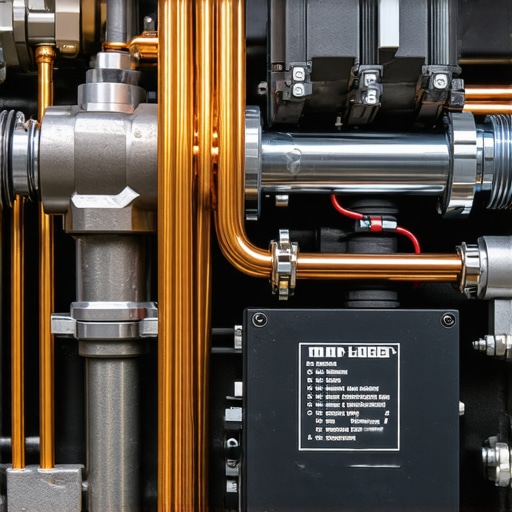
Stainless Steel Isn’t Always the Ultimate Solution
The decision between different alloy types often comes down to the environment in which the vehicle operates and the specific vehicle diagnostics profile of the braking system. For heavy-duty trucks frequently towing near their limit, the heat dissipation qualities of the line material become a secondary cooling mechanism for the fluid. Steel lines with high carbon content tend to retain heat longer, which can contribute to fluid boiling in the lines themselves rather than just at the caliper. This is where the superior thermal conductivity of copper-based alloys offers a subtle but vital performance edge, helping to pull heat away from the sensitive rubber seals in the master cylinder and preventing premature failure of the primary piston.
Why Does Brake Fluid Turn Black Even if There are No External Leaks?
The discoloration of brake fluid is frequently misinterpreted as simple dirt or dust ingress. In reality, that dark hue is often composed of dissolved polymers from the internal lining of flex hoses and microscopic metallic particles shed from the interior walls of the steel lines. When vehicle diagnostics reveal dark or ‘murky’ fluid, it is a definitive sign that the corrosion inhibitors in the fluid have been depleted, and the chemistry has turned acidic. This acidity begins to eat away at the zinc coating inside the lines, creating a metallic slurry that can jam the incredibly tight solenoid valves in your ABS module. This internal debris is a primary cause of ‘phantom’ ABS codes that lead to expensive auto repair bills. The introduction of air or moisture into this degraded environment doesn’t just lower the boiling point; it changes the entire compression curve of the hydraulic column. When the fluid reaches its vapor point during a long descent, the pedal can suddenly drop to the floor without warning, a phenomenon known as vapor lock which is exacerbated by the presence of these suspended particles…
The migration of microscopic particulates through the hydraulic circuit eventually reaches the most complex bottleneck in the system: the ABS modulator and proportioning valves. When a technician performs an auto repair that involves only replacing the visible lines, they often leave behind a reservoir of contaminated fluid within these expensive components. These intricate valve bodies contain tolerances measured in microns; a single flake of oxidized zinc can bypass the internal screens and jam a solenoid in the open or closed position. This is why a comprehensive car service must include a bidirectional scan tool flush—a process that cycles the ABS valves while the system is under pressure to ensure that no debris remains trapped in the ‘dead zones’ of the hydraulic manifold.
Why Flakes of Zinc Can Total Your ABS Module
Modern ABS units are marvels of micro-engineering, but they are also the most vulnerable point in your car’s hydraulic network. When internal corrosion begins to strip the coating from your steel lines, the resulting debris is swept directly into the modulator. Unlike larger particles that get caught in the primary filter, these sub-micron metallic flakes can cause ‘valve hang,’ where the ABS pump continues to run or fails to engage a specific wheel during an emergency stop. Advanced vehicle diagnostics can sometimes catch these variances in solenoid resistance, but by the time a code is thrown, the mechanical damage is often irreversible. This highlights the critical importance of regular fluid maintenance to preserve the chemical balance of the system.
Can You Trust Braided Stainless Steel for Daily Commuting?
While performance enthusiasts often upgrade to braided stainless steel hoses for a firmer pedal feel, these components introduce a ‘visibility vacuum’ during routine inspections. Unlike traditional rubber hoses that exhibit outward cracking or bulging when they fail, the stainless steel mesh conceals the internal Teflon or EPDM tube. If the internal liner develops a pinhole leak, the high-pressure fluid can travel between the layers, eventually causing a sudden, catastrophic burst far from the original site of the damage. For a vehicle that undergoes rigorous car service and high-mileage use, the expert consensus often leans toward coated NiCopp or high-grade seamless steel for the hard lines, paired with new, high-quality OEM rubber for the flexible junctions.
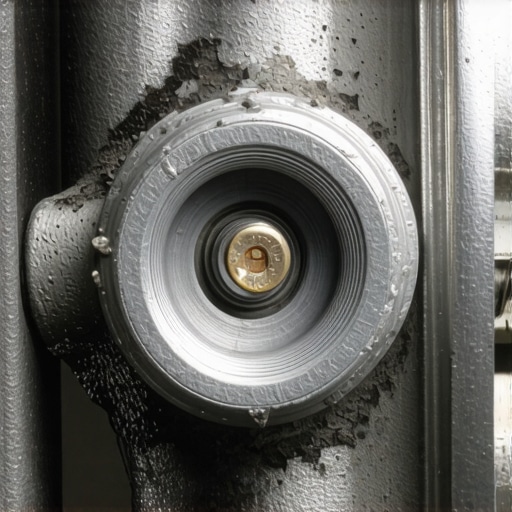
Stop Galvanic Corrosion from Welding Your Fittings Shut
One of the most overlooked aspects of hydraulic longevity is the interaction between dissimilar metals at connection points. When a steel line is threaded into an aluminum ABS block or caliper, the potential for galvanic corrosion is high. This electrochemical process occurs because aluminum and steel have different electrode potentials; in the presence of an electrolyte like road salt or moisture, the aluminum acts as an anode and sacrifices itself to the steel. This often results in the threads ‘welding’ together, making future auto repair nearly impossible without destroying the expensive aluminum component. According to the metallurgical standards provided by ASM International, the application of a specialized, non-conductive dielectric barrier or specific anti-seize compounds is vital when mating these disparate materials to prevent molecular bonding over time.
The Chemical Advantage of DOT 5.1 in Modern Architectures
Choosing the right fluid is not just about boiling points; it’s about protecting the physical integrity of the metal. While DOT 3 and 4 are the industry standards, DOT 5.1 offers a lower viscosity at cold temperatures, which is critical for the rapid-fire operation of modern stability control systems. More importantly, higher-grade fluids often contain more robust pH buffers that neutralize the acidic byproducts of fluid degradation. By maintaining a stable, alkaline environment inside the lines, you prevent the chemical ‘stripping’ of the internal protective coatings. If you’ve noticed your fluid darkening rapidly, your system is likely undergoing a chemical attack. We invite you to schedule a professional evaluation to determine if your hydraulic system requires a full metallurgical audit—don’t wait for a warning light to address the foundation of your vehicle’s safety.
Expert Insights & Advanced Considerations
Why Static Pressure Tests Often Lie to You
A standard pressure test performed during a routine car service may confirm that the system is sealed at rest, but it does not account for the dynamic surging that occurs during an ABS-triggered emergency stop. High-pressure pulses can find the weakest microscopic point in an oxidized line that would otherwise pass a static test. Effective vehicle diagnostics require a load-based evaluation to truly certify a vehicle’s safety.
Don’t Trust the Factory Coating Forever
Many modern vehicles come with epoxy-coated steel lines that look pristine from a distance. However, road debris creates micro-fissures in these coatings, allowing brine to wick underneath and rot the steel in a localized, highly pressurized environment. This crevice corrosion is often invisible until the line bursts. Proactive auto repair strategies involve stripping back suspect sections of coating during inspection to ensure the metal beneath remains structurally sound.
[IMAGE_PLACEHOLDER_E]
Get More Out of Your Bi-Directional Scan Tool
Bleeding the brakes on a modern vehicle is no longer a purely mechanical task. Without a scan tool to command the ABS pump and open internal solenoid valves, old, corrosive fluid remains trapped in the modulator’s complex passages. To ensure a complete purge of contaminants, follow the advanced steps in our guide on how to flush your brake lines without a second-person helping, which emphasizes the necessity of cycling these electronics to preserve the entire hydraulic circuit.
Curated Expert Resources
NHTSA Safety Research: This resource provides indispensable data on fleet-wide hydraulic failures, helping owners understand when their specific model might be at an increased risk for safety-related recalls due to corrosion.
SAE International Technical Standards: For those seeking the exact burst pressure and metallurgical requirements for copper-nickel vs. steel, SAE documents offer the highest level of technical validation used by automotive engineers.
Copper Development Association (CDA): The CDA provides detailed white papers on the 90-10 copper-nickel alloy, explaining why its specific chemistry is the ultimate defense against salt-induced oxidation in marine and automotive environments.
Final Expert Perspective
Maintaining the structural integrity of your braking system is a multi-front battle involving material science, chemical maintenance, and advanced vehicle diagnostics. While factory steel is sufficient for initial use, the transition to NiCopp alloys and the implementation of robust fluid-flushing protocols are the hallmarks of a superior car service routine. By choosing high-quality materials and staying ahead of internal pH shifts, you transform your auto repair philosophy from one of reactive survival to long-term reliability. We invite you to share your experiences with hydraulic upgrades or ask our master technicians a question in the community forum below—your insights help build a safer community for every driver. For more advanced guidance on maintaining peak performance, explore our expert auto repair tips for 2025 to stay ahead of the curve.