Harness Atmospheric Pressure for a Flawless Solo Brake Flush
Modern hydraulic systems demand a level of precision that the traditional pump and hold method often fails to provide. When performing vehicle diagnostics on a soft brake pedal, the culprit is frequently micro-bubbles trapped within the ABS actuator or the intricacies of the proportioning valve. Flushing your brake lines solo isn’t merely a matter of convenience; it is often a more controlled process that protects the internal seals of the master cylinder. In a standard two-person bleed, the pedal is often pushed beyond its normal range of motion, scouring the piston seals against unused, potentially corroded sections of the cylinder bore. By utilizing professional-grade solo techniques, you ensure a perfect brake pedal every time without risking secondary component failure.
Why is Pressure Bleeding Superior to the Traditional Two-Person Method?
Professional technicians favor pressure bleeding because it maintains a consistent positive displacement throughout the entire hydraulic circuit. According to standards established by SAE International (J1703), maintaining the chemical integrity and boiling point of brake fluid is critical for safety. Pressure bleeding prevents the aeration that occurs when a helper pumps the pedal rapidly, which can turn large air pockets into a fine mist of bubbles that are nearly impossible to purge. This method also allows for a complete car service of the ABS pump, which often requires specific pressure thresholds to clear trapped debris and old fluid from its internal valves.
The Professional Hardware Required for a One-Man Operation
To execute a high-level auto repair of this nature, you need more than just a wrench. A vacuum bleeder or a diaphragm-style pressure bleeder is essential. Vacuum bleeders pull fluid through the bleeder screw, but they require a tight seal with thread sealant to prevent air from being sucked past the threads. Conversely, a pressure bleeder attaches to the master cylinder reservoir and pushes fresh fluid through the system. This is the gold standard for transmission and brake technicians alike, as it replicates the system’s natural flow direction. If you are dealing with more complex issues, you might want to learn how to replace your own brake lines without making a mess to ensure your hard lines are as pristine as the fluid within them.
Check the Bleeder Valve Integrity Before You Begin
Before applying pressure, verify that the bleeder screws are not seized. A snapped bleeder screw turns a simple maintenance task into a nightmare of drilling and tapping. Use a high-quality six-point box-end wrench to break the initial tension. If you encounter resistance, a localized heat application or penetrating oil is mandatory. Once the lines are clear and the fluid runs amber-clear, you have successfully restored the hydraulic leverage of your vehicle. For those looking to elevate their DIY maintenance further, explore our guide on top auto repair techniques every car owner should know to keep your vehicle in peak condition.
Brake Fluid Chemistry Determines Your Stopping Distance
While mechanical components like calipers and pads get most of the attention, the chemical state of your hydraulic medium is the true gatekeeper of safety. Glycol-based DOT 3, 4, and 5.1 fluids are hygroscopic, meaning they actively pull moisture from the atmosphere through microscopic pores in flexible rubber hoses and the reservoir cap seal. This water contamination does more than just lower the boiling point; it initiates internal galvanic corrosion that attacks the precise valving inside your ABS module. According to the American Automobile Association (AAA), brake fluid should be replaced every two years regardless of mileage to prevent the accumulation of copper and moisture that can lead to unexpected component failure during emergency maneuvers.
Is Your Brake Fluid Pulling Moisture Out of Thin Air?
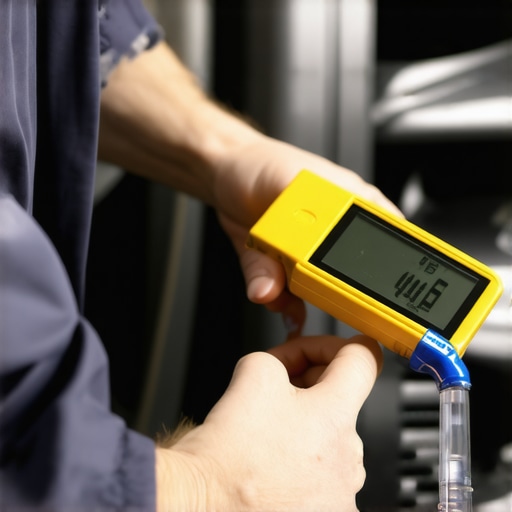
Even in arid climates, the heating and cooling cycles of your braking system create a vacuum effect that draws in ambient humidity. Over time, this water content can drop the boiling point of DOT 4 fluid from 446°F down to a dangerous 311°F. When you are descending a steep grade or carrying a heavy load, that moisture can turn into steam, creating a compressible gas in the lines. This is a common reason why your brake pedal feels spongy after bleeding the lines, as the air isn’t just trapped—it’s being generated by heat. Before you begin your next flush, use a digital moisture tester to quantify the contamination; anything above 3% moisture content warrants an immediate and thorough system purge.
Diagnose an Internal Master Cylinder Leak Before It Fails
A sinking brake pedal doesn’t always mean there is a puddle on your driveway. Expert-level vehicle diagnostics involve identifying internal bypass leaks where fluid escapes past the primary or secondary piston seals within the master cylinder itself. To test this without specialized gauges, perform a static pressure test: with the engine off to deplete the vacuum assist, apply firm, steady pressure to the pedal. If it slowly creeps toward the floorboard despite a rock-solid hydraulic circuit with no external leaks, the internal seals are scoured or deformed. This often happens if the fluid has been neglected, allowing grit to act as an abrasive. While the car is already on stands, take the opportunity to learn how to check your own brake pads without taking the wheels off to ensure your mechanical friction matches your hydraulic integrity.
Flush the ABS Module Without a High-End Scan Tool
The most difficult air to purge resides within the secondary valves of the Anti-lock Braking System (ABS) block. Standard bleeding often bypasses these pockets, leaving old, dark fluid trapped in the solenoid chambers. While professional auto repair shops use bidirectional scan tools to cycle these valves, a seasoned DIYer can achieve similar results through a controlled ‘gravel cycle.’ After performing an initial solo pressure bleed, safely drive the vehicle on a loose surface like gravel at low speed and engage the ABS several times. This physical cycling forces the solenoids to open, moving the trapped air and old fluid into the primary lines. Return to the garage and perform a final quick bleed at each corner. This ensures that even the deepest recesses of the system are clean. If you notice a lingering vibration afterward, consider the best way to remove rust from your brake rotors to maintain a smooth contact surface. If you’ve ever encountered a pedal that stays firm until the engine starts and then goes soft, share your experience in the comments—we might be looking at a vacuum booster seal issue rather than a hydraulic one.
Address the Aftermath of a High-Heat Brake Service
Once you have restored the hydraulic pressure, keep a close eye on the wheel ends during the first few drive cycles. If you notice an acrid scent or see wisps of vapor, you need to understand why your brakes smoke after youve changed the pads or flushed the lines. Often, this is merely residual assembly lube or a slight over-extension of a piston that was previously seized. By maintaining a rigorous car service schedule and using the pressure bleeding techniques outlined earlier, you treat the cause rather than just the symptoms of a failing brake system. Mastering these advanced dimensions of transmission and brake maintenance ensures that your vehicle remains a reliable tool rather than a liability on the road.
Avoiding the Trap of the Electronic Parking Brake
As you transition from standard vehicle diagnostics to actual hands-on auto repair, modern hardware often introduces invisible barriers. Many contemporary vehicles now utilize an Electronic Parking Brake (EPB) system, which replaces the traditional cable-and-lever setup with a motorized actuator on the rear calipers. If you attempt to retract these pistons manually to clear the lines or swap pads without first putting the vehicle into ‘Service Mode,’ you risk stripping the internal worm gear. This isn’t just a minor mistake; it can result in a four-figure repair bill for a new electronic caliper assembly. Accessing this mode typically involves a specific sequence of ignition cycles and button presses or the use of a diagnostic tool, ensuring the motor backs away from the piston so you can safely perform your car service.
Can You Safely Bleed Brakes on a Car with an Electronic Master Cylinder?
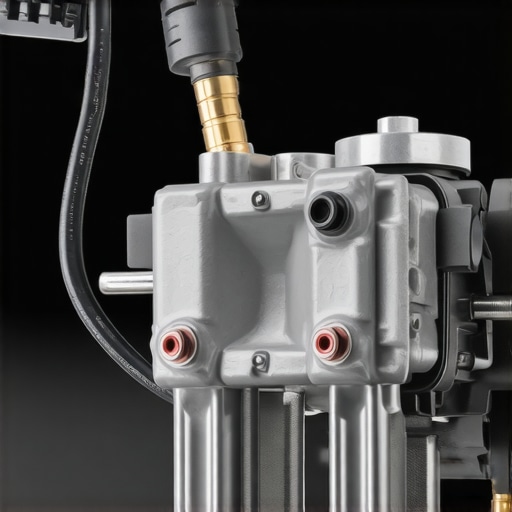
With the rise of brake-by-wire technology, found frequently in hybrid and electric vehicles, the connection between your foot and the calipers is often entirely digital. Systems like those found in the Toyota Prius or newer Ford pickups use an integrated power brake unit that maintains high-pressure reserves in an accumulator. Bleeding these systems requires a fundamental shift in auto repair strategy. Opening a bleeder screw without the proper electronic overrides can cause the system to interpret the pressure drop as a catastrophic leak, potentially triggering a ‘fail-safe’ mode that locks out the hydraulic circuit. These systems often require a specialized sequence where the pump motor itself does the work of pushing fluid through the lines, provided you have the software to command it.
The Critical Distinction Between Standard and Low Viscosity Fluid
In the world of high-performance vehicle diagnostics, using the wrong fluid is a silent performance killer. While Prompt B touched on the hygroscopic nature of DOT 4, modern Electronic Stability Control (ESC) systems require a specific subset: DOT 4 Low Viscosity (LV). According to ISO 4925 Class 6 specifications, low-viscosity fluids are engineered to flow significantly faster through the incredibly small orifices of the ABS/ESC solenoid valves, especially in freezing temperatures. Standard DOT 4 may be too “thick” for the micro-adjustments needed for traction control to react within milliseconds. If you notice your ABS feels “clunky” or slow to respond during winter months, check your reservoir cap; you may have inadvertently downgraded your transmission of force by using a generic fluid.
When Your Brake Hoses Act Like Balloons
Expert technicians know that a soft pedal isn’t always about what’s *inside* the lines, but the lines themselves. Over a decade of use, the internal structural braid of a flexible rubber brake hose begins to fatigue. This leads to a phenomenon known as volumetric expansion, where the hose physically swells under pressure. You might have perfectly bled the system and verified the vehicle diagnostics of the master cylinder, yet the pedal still lacks that “wooden” firm feel of a new car. You can diagnose this by having an assistant apply heavy brake pressure while you visually inspect the hoses; if they move or “fatten” during application, they are consuming the hydraulic force that should be going to the pistons. Upgrading to stainless steel braided lines eliminates this expansion, providing a direct, linear relationship between pedal effort and stopping power.
Why Does Your Brake Pedal Buzz After a Complex Flush?
If you experience a rapid vibration or “buzzing” through the pedal immediately following a fluid exchange, it often indicates that a microscopic air bubble is trapped specifically within the dampening chamber of the ABS pump. This is a common occurrence during a deep car service. While it may not significantly increase stopping distance, the vibration is a sign that the hydraulic balance is slightly off. Before you tear the system apart again, try a re-bleed while the vehicle’s front end is slightly elevated. This change in geometry helps those stubborn bubbles migrate toward the bleeder ports. If you’ve encountered this specific “buzz” after a DIY job, tell us what vehicle you were working on in the comments—some brands are notoriously difficult to burp.
Mastering the Bench Bleeding Process for New Cylinders
When an internal leak forces you to replace the master cylinder entirely, the most common error is skipping the bench bleed. Attempting to clear the air out of a dry master cylinder while it is mounted on the car is an exercise in futility. Because the cylinder sits at an angle on the firewall, air becomes trapped in the front of the bore, far above the exit ports. By using a bench bleed kit—essentially short loops of tubing that redirect fluid from the output ports back into the reservoir—you can purge the air in a controlled environment before the unit ever touches the vehicle. This ensures that the very first stroke of the pedal in your auto repair process is pushing fluid, not air, into the long runs of hard line leading to the rear wheels.
Copper Contamination Is the Silent Killer of ABS Modules
While moisture is the most discussed contaminant, the presence of dissolved copper serves as a far more accurate barometer for the internal health of your brake system. As the corrosion inhibitors in your fluid deplete, the copper braze on the interior of the steel brake lines begins to leach into the hydraulic medium. This isn’t just a cosmetic change; the National Highway Traffic Safety Administration (NHTSA) highlights that chemical degradation can lead to significant changes in fluid viscosity and boiling point stability. High copper levels are an early warning sign that your vehicle diagnostics should shift from simple maintenance to a comprehensive car service involving a full system scrub to prevent electrochemical reactions within the ABS valves.

Does Altitude Affect the Success of Your Solo Bleed?
Technicians working in high-elevation environments often encounter a frustrating phenomenon where air seems to reappear in a system that was perfectly bled at sea level. At higher altitudes, atmospheric pressure is lower, which changes the vapor pressure of any trapped micro-bubbles. This makes them expand and become more difficult to purge through conventional vacuum methods. If you are performing an auto repair in the mountains, a pressure bleeder is nearly mandatory. The positive pressure helps compress these expanded bubbles, making them easier to sweep through the long runs of line. This is a nuanced aspect of transmission and hydraulic fluid physics that many novice mechanics overlook during their first high-altitude project.
The Internal Hose Delamination You Can’t See
Sometimes, a spongy pedal persists even after every component has been verified. In these cases, the failure may be internal to the flexible rubber lines. Unlike volumetric expansion—where the hose “balloons” outward—internal delamination occurs when the inner liner of the hose separates from the outer braid. This flap of rubber can act as a one-way check valve, allowing fluid to reach the caliper but preventing it from returning quickly to the master cylinder. This results in “dragging” brakes that overheat and glaze the pads. Identifying this requires a specific vehicle diagnostics protocol: crack the bleeder screw immediately after a test drive where a wheel feels hot. If fluid sprays out under pressure while the pedal is released, the hose has failed internally and must be replaced.
Balance Your System with Precision Proportioning
In older vehicles without modern Electronic Brakeforce Distribution (EBD), the proportioning valve is the unsung hero of the hydraulic circuit. This component ensures that the rear wheels do not lock up before the fronts during hard deceleration. During a car service, it is vital to ensure this valve isn’t stuck. If the rear brakes aren’t getting enough fluid during your solo bleed, the valve’s internal differential pressure switch might be “tripped” to one side. Centering this valve often requires a delicate touch and a specific pressure-holding tool, ensuring that your auto repair results in a balanced, safe stop every time. If you have struggled with a rear-bias issue after a heavy bleed, jump into the discussion below and let us know how you centered your pressure differential switch.
Expert Insights & Advanced Considerations
Aged Fluid Creates a Galvanic Battery Inside Your Lines
When the chemical inhibitors in brake fluid break down, the liquid becomes an electrolyte. This allows for a small electrical current to flow between different metals in the system, such as steel lines and aluminum pistons. This galvanic corrosion is why vehicle diagnostics often reveal pitted internal surfaces even when the exterior of the car is pristine. Regularly flushing prevents this battery-like effect from destroying your ABS valves from the inside out. For a deeper look at system health, check out the hidden world of vehicle diagnostics to see what else might be lurking in your lines.
Break the Surface Tension to Evict Stubborn Micro-bubbles
Sometimes air sticks to the walls of the brake lines due to surface tension. Professional mechanics often use a soft-faced mallet to gently tap the calipers and hard lines while the system is under pressure. This mechanical vibration breaks the bond between the bubble and the metal, allowing the flow of fluid to carry the air toward the bleeder screw. If you’ve ever wondered why your brake pedal feels spongy after bleeding the lines, this lack of vibration during the flush might be the hidden cause.
Why DOT 5.1 is the Professional Secret for Heavy Vehicles
Many DIYers confuse DOT 5 (silicone-based) with DOT 5.1 (glycol-based). For high-performance auto repair, DOT 5.1 offers a higher boiling point and lower viscosity than DOT 4 without the seal compatibility issues of silicone. This is especially critical for towing or track use where heat soak can turn a firm pedal into a dangerous liability in seconds. Understanding these fluids is as vital as knowing transmission failures decoded when diagnosing overall vehicle performance.
#IMAGE_PLACEHOLDER_E#
Curated Expert Resources
SAE International Technical Papers
These documents provide the engineering foundation for hydraulic fluid standards and are essential reading for anyone performing advanced vehicle diagnostics on modern braking systems.
The NHTSA Safety Research Portal
A repository of real-world failure data that highlights the critical nature of brake maintenance and the long-term effects of fluid contamination on highway safety.
ISO 4925 Class 6 Documentation
The definitive guide on low-viscosity fluid requirements for Electronic Stability Control systems, ensuring your car service meets global safety specifications.
Final Expert Perspective
Mastering the nuances of hydraulic maintenance is what separates a basic car service from a professional-grade restoration of safety. Whether you are battling internal master cylinder bypass or navigating the complexities of an electronic parking brake, the goal remains the same: a rock-solid pedal and absolute reliability. By applying these advanced techniques, you ensure that your vehicle diagnostics efforts translate into real-world performance. If you are still dealing with a stubborn caliper, you might need to learn how to free a seized brake caliper without replacing the whole unit. We invite you to share your most challenging brake troubleshooting stories in the comments—your professional insights help the entire DIY community stay safe on the road.