Modern emissions architecture relies on a delicate balance of pressure and vacuum to ensure that volatile organic compounds are contained and processed correctly. Within the realm of vehicle diagnostics, few systems cause as much frustration for both technicians and owners as the Evaporative Emission Control (EVAP) system. This closed-loop network is designed to trap gasoline vapors before they can escape into the atmosphere, yet the sensitivity of its monitoring sensors is so high that even a microscopic breach can trigger a persistent Malfunction Indicator Lamp. While many assume a failed charcoal canister or a sophisticated sensor is to blame, the reality of auto repair is often anchored in a far more humble component: a simple rubber seal that costs less than a gallon of premium fuel.
How the Ghost of the P0442 Code Haunts Modern Diagnostics
The complexity of the EVAP system stems from its need to perform self-diagnostic tests under specific conditions—usually when the fuel tank is between 15% and 85% full and the vehicle has been sitting for several hours. When the Engine Control Unit (ECU) initiates a leak test, it monitors the rate of vacuum decay or pressure buildup. A failure to maintain this state leads to the dreaded P0442 (small leak) or P0455 (large leak) codes. To effectively troubleshoot these issues, one must look into the hidden world of vehicle diagnostics to understand how the ECU interprets subtle voltage shifts from the Fuel Tank Pressure (FTP) sensor.
The Rubber Seal That Triggers Thousands in Unnecessary Repairs
The most frequent offender in the EVAP saga is the fuel cap gasket. Over time, heat cycles and exposure to fuel vapors cause the rubber to harden, crack, or lose its elasticity. Once the seal is compromised, the system can no longer maintain the vacuum required to satisfy the ECU’s rigorous parameters. Professional-grade car service should always begin with an inspection of this $5 part before moving to more invasive procedures. If you have recently replaced a component and find that your check engine light stays on, it is highly probable that the primary leak source remains unaddressed or a new seal was seated incorrectly during the swap.
Can a Minute Vacuum Leak Affect Shifting Performance?
While the EVAP system is primarily an emissions-related circuit, it is inextricably linked to the engine’s vacuum map. In some high-performance or older turbocharged platforms, a significant leak in the purge line can introduce unmetered air into the intake manifold, potentially skewing long-term fuel trims. This imbalance occasionally manifests as erratic idling or, in rare cases, subtle shifts in how the transmission logic handles torque requests during low-load conditions. For those experiencing more severe mechanical symptoms, exploring transmission failures decoded can provide a broader context on whether your drivability issues are related to emissions or internal gear wear.
Mastering the Smoke Test and Logical Elimination
Expert technicians rarely rely on guesswork. Instead, they use smoke machines to pressurize the EVAP system and visually locate the exit point of the vapor. For the resourceful DIYer, you can learn how to find a vacuum leak using a 5 dollar cigar, which mimics the professional smoke test with surprising accuracy. According to the Environmental Protection Agency (EPA), maintaining a sealed fuel system is critical not just for passing emissions tests, but for preventing the loss of fuel through evaporation, which can degrade overall efficiency over time. If you have unique diagnostic tips or have found a bizarre culprit for an EVAP code, we invite you to share your technical findings with our community of specialists.
Stop Topping Off Your Tank Before You Ruin the Canister
A common habit at the fuel pump involves clicking the nozzle multiple times to round up the dollar amount, but this practice is a primary catalyst for expensive auto repair. Modern vehicles utilize a charcoal canister to absorb fuel vapors; however, it is not designed to handle liquid gasoline. When you overfill, liquid fuel enters the vent lines and saturates the activated carbon, rendering the canister useless. This saturation often triggers a series of complex codes that can lead a novice to believe the fuel pump is failing. In reality, the liquid-logged canister prevents the system from breathing, which is why some drivers notice the hidden reason your gas mileage just dropped is actually a compromised emissions loop rather than an engine mechanical issue.
Isolate the Purge Valve Before Tearing Down the Intake
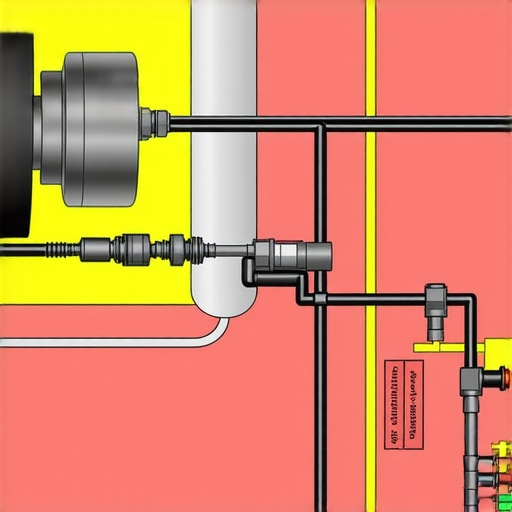
The purge solenoid is the gatekeeper between the EVAP system and the engine. When the ECU determines conditions are right, this valve opens to allow stored vapors to be burned in the combustion chamber. If the valve sticks open, it creates a constant vacuum leak that the computer cannot account for. This often results in a lean condition or a rough idle that disappears at highway speeds. Before you assume you have a major hardware failure, using the 20 dollar scan tool that does more than the dealership rig can allow you to command the valve on and off, verifying its mechanical integrity without turning a single wrench. If the valve fails to hold vacuum while de-energized, you have found your culprit.
Why Does Your Engine Stumble Only After a Fresh Fill-Up?
One of the most definitive symptoms of a failing purge valve is an engine that struggles to start or idles poorly immediately after refueling. When the tank is filled, vapors are pushed toward the charcoal canister; if the purge valve is stuck open, these concentrated vapors flood the intake manifold. This creates an overly rich mixture that ‘chokes’ the engine during startup. This specific diagnostic path is often overlooked, leading many to waste money on spark plugs or fuel injectors. If you are battling this specific symptom, also consider checking for carbon deposits in the air path; learning the easy way to clean your car throttle body can often restore the smooth idle the ECU is struggling to maintain.
Chasing Electrical Ghosts in the Emissions Harness
Sometimes the hardware is perfect, but the communication is broken. Corroded wiring or a loose ground can trick the ECU into reporting a circuit high or low error, which the untrained eye might mistake for a mechanical leak. Environmental factors, such as road salt and moisture, frequently attack the connectors located near the fuel tank or rear subframe. Before replacing expensive sensors, it is vital to perform a visual inspection of the harness. You can effectively troubleshoot these issues by knowing how to identify a bad ground wire without a multimeter, focusing on the physical integrity of the attachment points. According to the Society of Automotive Engineers (SAE), nearly 20% of emissions-related failures in older high-mileage vehicles are attributed to connector degradation rather than component failure. We would love to hear from you—have you ever replaced a sensor only to find the wire was the real problem? Leave a comment below and share your diagnostic wins to help others in the community save time and money.
Why Your FTP Sensor is the Ultimate Snitch
While the purge valve and gas cap get all the attention, the Fuel Tank Pressure (FTP) sensor is the actual intelligence officer of the EVAP system. This tiny silicon diaphragm measures pressure changes in inches of water—a scale far more sensitive than the PSI used for tires. If the FTP sensor’s internal reference voltage drifts, it may report a “small leak” even if the system is hermetically sealed. For those diving deep into vehicle diagnostics, a malfunctioning sensor can be identified by monitoring the data stream on a cold engine; the sensor should read atmospheric pressure (roughly 0V or 2.5V depending on the manufacturer) before the pump even primes. If you find yourself replacing parts with no success, it may be time to see if the hidden world of vehicle diagnostics holds the key to your specific sensor calibration issues.
Don’t Let Brittle Plastic Lines Fool Your Diagnostic Logic
Engineers favor nylon and hard plastic lines for EVAP plumbing because they are lightweight and resistant to fuel permeation. However, after a decade of heat cycles, these lines become as fragile as glass. A hairline crack in a line tucked above the rear subframe is nearly impossible to see but is a primary cause for a P0442 code. In many auto repair scenarios, technicians mistakenly replace the charcoal canister when the real culprit is a cracked plastic “T” fitting or a worn-out quick-connect O-ring. According to research by the California Air Resources Board (CARB), the durability of these onboard diagnostic systems is vital for long-term air quality, as even small leaks can contribute significantly to ground-level ozone. If you’ve struggled with a leak that only appears during spirited driving, you might be dealing with a line that only opens up under chassis flex.
Does the Ambient Temperature Affect Your EVAP Self-Test?
Yes, and this is why many owners see their check engine light vanish in the winter only to return during the first spring heatwave. The ECU typically requires a “cold soak” period—usually eight hours or more—where the fuel temperature and ambient air temperature are within a few degrees of each other. If it’s too hot or too cold, the computer won’t even attempt the test because the physics of fuel expansion would yield inaccurate results. This complexity is why some car service centers struggle to replicate the failure on a warm shop floor. Understanding these environmental triggers is part of mastering the craft. If you are noticing strange patterns in when your light illuminates, checking why your check engine light stays on during specific weather shifts can help you narrow down the diagnostic window.
Watch the Data Streams to Catch Intermittent Leaks
Moving beyond basic code reading requires looking at Short Term Fuel Trims (STFT) while manually commanding the purge valve. On a healthy system, when the purge valve opens, the engine should see a brief influx of vapors, causing the fuel trims to temporarily dip as the computer compensates for the rich mixture. If there is no reaction in the data stream, the path between the tank and the engine is likely blocked or the purge valve is dead. This level of analysis is what separates a part-swapper from a true technician. We encourage you to grab your scan tool and record these PIDs during a test drive; if you spot a discrepancy, tell us about it in the comments. Your data could be the missing piece for someone else facing the same transmission or idling ghost. If you are seeing more than just emissions codes, such as erratic shifts, it might be worth investigating if transmission failures decoded might actually be symptoms of a larger vacuum-related imbalance. Often, the search for the final vacuum breach leads directly to the intake plenum where heat-warped seals…
…can create a phantom intake leak that mirrors EVAP symptoms but is actually a mechanical vacuum failure. When the polymer material of an intake gasket degrades, it often creates a temperature-dependent gap. This variability makes vehicle diagnostics particularly challenging, as the leak might only be present for the first five minutes of operation. If you have already replaced the purge valve and gas cap, it is time to look at the fuel trim data during the warm-up cycle. A high positive fuel trim that slowly returns to normal as the engine reaches operating temperature is a classic indicator of a gasket that expands to seal itself, a nuance often missed in a standard car service appointment.
Stop Blaming the Gas Cap When Intake Gaskets Fail
In many modern V6 and V8 architectures, the intake plenum sits directly above the fuel injectors and EVAP service ports. A hairline crack in the plenum housing can pull in outside air, skewing the oxygen sensor readings and forcing the ECU to compensate. Because the EVAP system shares the same vacuum source, the computer may incorrectly attribute the resulting lean condition to a purge circuit malfunction. Advanced auto repair requires a dual-stage approach: first, block off the EVAP port entirely to see if the fuel trims stabilize. If the trims remain lean, you’ve successfully isolated the issue to the engine’s mechanical seals rather than the emissions hardware.
The Dust-Clogged Vent Valve Hiding Under Your Chassis
While the purge valve lives under the hood, the vent valve is the forgotten soldier located near the fuel tank or charcoal canister. This valve is responsible for allowing fresh air into the system during the purge cycle. Because of its location, it is constantly bombarded by road salt, dust, and moisture. A vent valve that sticks partially open will trigger a small leak code, while one that sticks shut will make refueling nearly impossible, as the displaced air in the tank has nowhere to go. 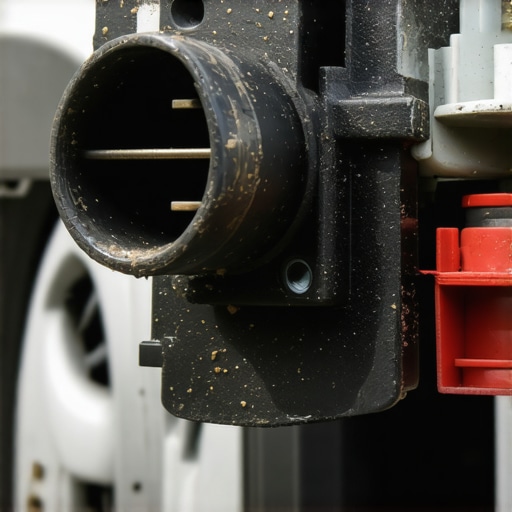 Professionals often use an oscilloscope to check the current ramp of these solenoids; a sluggish response indicates internal friction from dirt ingestion. According to technical bulletins from Delphi Technologies, ensuring the integrity of the vent filter is just as critical as the valve itself, as a restricted filter can simulate a vacuum blockage that triggers false sensor data.
Can a faulty charcoal canister actually cause your car to stall at a stoplight?
Yes, though it is an indirect consequence. If the internal baffles of the charcoal canister collapse or if the activated carbon pellets break down into dust, these particles can travel through the vacuum lines and lodge themselves in the purge valve seat. This prevents the valve from closing fully. At a stoplight, the engine is at its most sensitive to vacuum changes; the resulting ‘unmanaged’ flow of fuel vapors and air acts like a massive vacuum leak, causing the RPM to dip sharply or the engine to stall completely. If you find black soot inside your vacuum lines, the canister is disintegrating and must be replaced along with a thorough line cleaning.
Turbocharged Engines Demand a Different Diagnostic Logic
Forced induction vehicles complicate the EVAP map significantly. Under boost, the intake manifold is pressurized, which would normally blow out the EVAP lines or pump air back into the fuel tank. To prevent this, engineers utilize a series of one-way check valves and a secondary vacuum source, usually located before the turbo inlet. A failure in one of these $10 check valves can cause bizarre symptoms, such as the gas tank physically swelling under boost or the transmission hunting for gears because the engine load calculation is distorted by fluctuating plenum pressure. If you are tuning a turbocharged platform, verifying these check valves is a mandatory step in your seasonal maintenance. Have you ever chased a boost leak only to find it was an EVAP check valve? Share your story in the comments below; your insight could save a fellow enthusiast hours of frustration.
Modern emissions architecture relies on a delicate balance of pressure and vacuum to ensure that volatile organic compounds are contained and processed correctly. Within the realm of vehicle diagnostics, few systems cause as much frustration for both technicians and owners as the Evaporative Emission Control (EVAP) system. This closed-loop network is designed to trap gasoline vapors before they can escape into the atmosphere, yet the sensitivity of its monitoring sensors is so high that even a microscopic breach can trigger a persistent Malfunction Indicator Lamp. While many assume a failed charcoal canister or a sophisticated sensor is to blame, the reality of auto repair is often anchored in a far more humble component: a simple rubber seal that costs less than a gallon of premium fuel.
How the Ghost of the P0442 Code Haunts Modern Diagnostics
The complexity of the EVAP system stems from its need to perform self-diagnostic tests under specific conditions—usually when the fuel tank is between 15% and 85% full and the vehicle has been sitting for several hours. When the Engine Control Unit (ECU) initiates a leak test, it monitors the rate of vacuum decay or pressure buildup. A failure to maintain this state leads to the dreaded P0442 (small leak) or P0455 (large leak) codes. To effectively troubleshoot these issues, one must look into the hidden world of vehicle diagnostics to understand how the ECU interprets subtle voltage shifts from the Fuel Tank Pressure (FTP) sensor.
The Rubber Seal That Triggers Thousands in Unnecessary Repairs
The most frequent offender in the EVAP saga is the fuel cap gasket. Over time, heat cycles and exposure to fuel vapors cause the rubber to harden, crack, or lose its elasticity. Once the seal is compromised, the system can no longer maintain the vacuum required to satisfy the ECU’s rigorous parameters. Professional-grade car service should always begin with an inspection of this $5 part before moving to more invasive procedures. If you have recently replaced a component and find that your check engine light stays on, it is highly probable that the primary leak source remains unaddressed or a new seal was seated incorrectly during the swap.
Can a Minute Vacuum Leak Affect Shifting Performance?
While the EVAP system is primarily an emissions-related circuit, it is inextricably linked to the engine’s vacuum map. In some high-performance or older turbocharged platforms, a significant leak in the purge line can introduce unmetered air into the intake manifold, potentially skewing long-term fuel trims. This imbalance occasionally manifests as erratic idling or, in rare cases, subtle shifts in how the transmission logic handles torque requests during low-load conditions. For those experiencing more severe mechanical symptoms, exploring transmission failures decoded can provide a broader context on whether your drivability issues are related to emissions or internal gear wear.
Mastering the Smoke Test and Logical Elimination
Expert technicians rarely rely on guesswork. Instead, they use smoke machines to pressurize the EVAP system and visually locate the exit point of the vapor. For the resourceful DIYer, you can learn how to find a vacuum leak using a 5 dollar cigar, which mimics the professional smoke test with surprising accuracy. According to the Environmental Protection Agency (EPA), maintaining a sealed fuel system is critical not just for passing emissions tests, but for preventing the loss of fuel through evaporation, which can degrade overall efficiency over time. If you have unique diagnostic tips or have found a bizarre culprit for an EVAP code, we invite you to share your technical findings with our community of specialists.
Stop Topping Off Your Tank Before You Ruin the Canister
A common habit at the fuel pump involves clicking the nozzle multiple times to round up the dollar amount, but this practice is a primary catalyst for expensive auto repair. Modern vehicles utilize a charcoal canister to absorb fuel vapors; however, it is not designed to handle liquid gasoline. When you overfill, liquid fuel enters the vent lines and saturates the activated carbon, rendering the canister useless. This saturation often triggers a series of complex codes that can lead a novice to believe the fuel pump is failing. In reality, the liquid-logged canister prevents the system from breathing, which is why some drivers notice the hidden reason your gas mileage just dropped is actually a compromised emissions loop rather than an engine mechanical issue.
Isolate the Purge Valve Before Tearing Down the Intake
The purge solenoid is the gatekeeper between the EVAP system and the engine. When the ECU determines conditions are right, this valve opens to allow stored vapors to be burned in the combustion chamber. If the valve sticks open, it creates a constant vacuum leak that the computer cannot account for. This often results in a lean condition or a rough idle that disappears at highway speeds. Before you assume you have a major hardware failure, using the 20 dollar scan tool that does more than the dealership rig can allow you to command the valve on and off, verifying its mechanical integrity without turning a single wrench. If the valve fails to hold vacuum while de-energized, you have found your culprit.
Why Does Your Engine Stumble Only After a Fresh Fill-Up?
One of the most definitive symptoms of a failing purge valve is an engine that struggles to start or idles poorly immediately after refueling. When the tank is filled, vapors are pushed toward the charcoal canister; if the purge valve is stuck open, these concentrated vapors flood the intake manifold. This creates an overly rich mixture that ‘chokes’ the engine during startup. This specific diagnostic path is often overlooked, leading many to waste money on spark plugs or fuel injectors. If you are battling this specific symptom, also consider checking for carbon deposits in the air path; learning the easy way to clean your car throttle body can often restore the smooth idle the ECU is struggling to maintain.
Chasing Electrical Ghosts in the Emissions Harness
Sometimes the hardware is perfect, but the communication is broken. Corroded wiring or a loose ground can trick the ECU into reporting a circuit high or low error, which the untrained eye might mistake for a mechanical leak. Environmental factors, such as road salt and moisture, frequently attack the connectors located near the fuel tank or rear subframe. Before replacing expensive sensors, it is vital to perform a visual inspection of the harness. You can effectively troubleshoot these issues by knowing how to identify a bad ground wire without a multimeter, focusing on the physical integrity of the attachment points. According to the Society of Automotive Engineers (SAE), nearly 20% of emissions-related failures in older high-mileage vehicles are attributed to connector degradation rather than component failure. We would love to hear from you—have you ever replaced a sensor only to find the wire was the real problem? Leave a comment below and share your diagnostic wins to help others in the community save time and money.
Why Your FTP Sensor is the Ultimate Snitch
While the purge valve and gas cap get all the attention, the Fuel Tank Pressure (FTP) sensor is the actual intelligence officer of the EVAP system. This tiny silicon diaphragm measures pressure changes in inches of water—a scale far more sensitive than the PSI used for tires. If the FTP sensor’s internal reference voltage drifts, it may report a “small leak” even if the system is hermetically sealed. For those diving deep into vehicle diagnostics, a malfunctioning sensor can be identified by monitoring the data stream on a cold engine; the sensor should read atmospheric pressure (roughly 0V or 2.5V depending on the manufacturer) before the pump even primes. If you find yourself replacing parts with no success, it may be time to see if the hidden world of vehicle diagnostics holds the key to your specific sensor calibration issues.
Don’t Let Brittle Plastic Lines Fool Your Diagnostic Logic
Engineers favor nylon and hard plastic lines for EVAP plumbing because they are lightweight and resistant to fuel permeation. However, after a decade of heat cycles, these lines become as fragile as glass. A hairline crack in a line tucked above the rear subframe is nearly impossible to see but is a primary cause for a P0442 code. In many auto repair scenarios, technicians mistakenly replace the charcoal canister when the real culprit is a cracked plastic “T” fitting or a worn-out quick-connect O-ring. According to research by the California Air Resources Board (CARB), the durability of these onboard diagnostic systems is vital for long-term air quality, as even small leaks can contribute significantly to ground-level ozone. If you’ve struggled with a leak that only appears during spirited driving, you might be dealing with a line that only opens up under chassis flex.
Does the Ambient Temperature Affect Your EVAP Self-Test?
Yes, and this is why many owners see their check engine light vanish in the winter only to return during the first spring heatwave. The ECU typically requires a “cold soak” period—usually eight hours or more—where the fuel temperature and ambient air temperature are within a few degrees of each other. If it’s too hot or too cold, the computer won’t even attempt the test because the physics of fuel expansion would yield inaccurate results. This complexity is why some car service centers struggle to replicate the failure on a warm shop floor. Understanding these environmental triggers is part of mastering the craft. If you are noticing strange patterns in when your light illuminates, checking why your check engine light stays on during specific weather shifts can help you narrow down the diagnostic window.
Watch the Data Streams to Catch Intermittent Leaks
Moving beyond basic code reading requires looking at Short Term Fuel Trims (STFT) while manually commanding the purge valve. On a healthy system, when the purge valve opens, the engine should see a brief influx of vapors, causing the fuel trims to temporarily dip as the computer compensates for the rich mixture. If there is no reaction in the data stream, the path between the tank and the engine is likely blocked or the purge valve is dead. This level of analysis is what separates a part-swapper from a true technician. We encourage you to grab your scan tool and record these PIDs during a test drive; if you spot a discrepancy, tell us about it in the comments. Your data could be the missing piece for someone else facing the same transmission or idling ghost. If you are seeing more than just emissions codes, such as erratic shifts, it might be worth investigating if transmission failures decoded might actually be symptoms of a larger vacuum-related imbalance. Often, the search for the final vacuum breach leads directly to the intake plenum where heat-warped seals can create a phantom intake leak that mirrors EVAP symptoms but is actually a mechanical vacuum failure. When the polymer material of an intake gasket degrades, it often creates a temperature-dependent gap. This variability makes vehicle diagnostics particularly challenging, as the leak might only be present for the first five minutes of operation. If you have already replaced the purge valve and gas cap, it is time to look at the fuel trim data during the warm-up cycle. A high positive fuel trim that slowly returns to normal as the engine reaches operating temperature is a classic indicator of a gasket that expands to seal itself, a nuance often missed in a standard car service appointment.
Stop Blaming the Gas Cap When Intake Gaskets Fail
In many modern V6 and V8 architectures, the intake plenum sits directly above the fuel injectors and EVAP service ports. A hairline crack in the plenum housing can pull in outside air, skewing the oxygen sensor readings and forcing the ECU to compensate. Because the EVAP system shares the same vacuum source, the computer may incorrectly attribute the resulting lean condition to a purge circuit malfunction. Advanced auto repair requires a dual-stage approach: first, block off the EVAP port entirely to see if the fuel trims stabilize. If the trims remain lean, you’ve successfully isolated the issue to the engine’s mechanical seals rather than the emissions hardware.
The Dust-Clogged Vent Valve Hiding Under Your Chassis
While the purge valve lives under the hood, the vent valve is the forgotten soldier located near the fuel tank or charcoal canister. This valve is responsible for allowing fresh air into the system during the purge cycle. Because of its location, it is constantly bombarded by road salt, dust, and moisture. A vent valve that sticks partially open will trigger a small leak code, while one that sticks shut will make refueling nearly impossible, as the displaced air in the tank has nowhere to go. Professionals often use an oscilloscope to check the current ramp of these solenoids; a sluggish response indicates internal friction from dirt ingestion. According to technical bulletins from Delphi Technologies, ensuring the integrity of the vent filter is just as critical as the valve itself, as a restricted filter can simulate a vacuum blockage that triggers false sensor data.
Can a faulty charcoal canister actually cause your car to stall at a stoplight?
Yes, though it is an indirect consequence. If the internal baffles of the charcoal canister collapse or if the activated carbon pellets break down into dust, these particles can travel through the vacuum lines and lodge themselves in the purge valve seat. This prevents the valve from closing fully. At a stoplight, the engine is at its most sensitive to vacuum changes; the resulting ‘unmanaged’ flow of fuel vapors and air acts like a massive vacuum leak, causing the RPM to dip sharply or the engine to stall completely. If you find black soot inside your vacuum lines, the canister is disintegrating and must be replaced along with a thorough line cleaning.
Turbocharged Engines Demand a Different Diagnostic Logic
Forced induction vehicles complicate the EVAP map significantly. Under boost, the intake manifold is pressurized, which would normally blow out the EVAP lines or pump air back into the fuel tank. To prevent this, engineers utilize a series of one-way check valves and a secondary vacuum source, usually located before the turbo inlet. A failure in one of these $10 check valves can cause bizarre symptoms, such as the gas tank physically swelling under boost or the transmission hunting for gears because the engine load calculation is distorted by fluctuating plenum pressure. If you are tuning a turbocharged platform, verifying these check valves is a mandatory step in your seasonal maintenance. Have you ever chased a boost leak only to find it was an EVAP check valve? Share your story in the comments below; your insight could save a fellow enthusiast hours of frustration.
Strategic Ways to Approach Complex EVAP Failures
ECU Logic Can Be Fooled by Peripheral Sensor Drift
One must remember that a P0442 code is not a direct measurement of a hole, but a calculation based on vacuum decay rates. If your Fuel Tank Pressure sensor has shifted its ground reference, the ECU may perceive a leak where none exists. Always verify the sensor’s resting voltage against known atmospheric pressure before assuming a mechanical failure in the plumbing. Learning how to tell if your oxygen sensor is actually bad can also help you understand how voltage fluctuations impact overall system feedback loops.
Rubber Components Have a Predictable Expiration Date
In high-heat environments, any rubber seal or vacuum line over eight years old should be considered suspect regardless of visual appearance. Micro-fissures that expand only when the engine is under load are common culprits. Integrating top auto repair techniques every car owner should know, such as systematic hose isolation, will prevent you from chasing phantom codes for weeks.
The Interaction Between Vacuum and Shift Logic
The modern engine and transmission communicate via the CAN bus to manage torque. If an EVAP leak is severe enough to cause a lean-misfire or a vacuum fluctuation, the transmission control module may respond with harsh shifts to protect the clutch packs. Never overlook a simple emissions leak when diagnosing drivability issues that feel like a failing gearbox.
Curated Expert Resources
iATN (International Automotive Technicians Network): A peer-to-peer network where master techs share actual case studies and waveform data for specific EVAP failures.
ScannerDanner YouTube Channel: Invaluable for those who want to see live-action vehicle diagnostics using advanced oscilloscopes and fuel trim analysis.
SAE International Technical Papers: The definitive source for understanding the engineering standards behind charcoal canister design and purge flow algorithms.
A Final Professional Perspective
Mastering the EVAP loop requires a transition from being a ‘part-swapper’ to a ‘diagnostic strategist.’ While a loose gas cap is the most likely culprit, the true challenge lies in identifying the subtle electrical drifts and brittle plastic fractures that occur as a vehicle ages. By applying rigorous vehicle diagnostics and utilizing the right tools, you can avoid the costly trap of unnecessary component replacement. Whether you are performing a simple car service or deep-diving into complex auto repair, logical elimination remains your most powerful asset. We invite you to contribute your most difficult diagnostic wins in the comments—what was the one EVAP leak that almost beat you? For further support, explore our guide on choosing the right car service for seamless vehicle maintenance to ensure your vehicle stays within emissions compliance year-round.