The Physics of Fluid Migration in Modern Powertrains
Locating the genesis of a mystery oil leak requires more than a cursory glance at the driveway; it demands an analytical understanding of fluid dynamics under varying thermal loads. In professional auto repair, we recognize that oil rarely stays where it escapes. Due to aerodynamic turbulence under the vehicle and the natural incline of engine mounting, a leak from the front crankshaft seal can easily masquerade as a failed rear main seal by the time it reaches the edge of the oil pan. Mastering vehicle diagnostics in this context means looking past the symptom—the puddle—and investigating the high-pressure zones where seals are most likely to fail during peak operating temperatures.
Stop Chasing Shadows Under the Chassis
Experienced technicians often start with a thorough degreasing of the engine block to establish a clean slate. This isn’t just about aesthetics; it is a critical step in isolating the leak’s origin. Once the residues of car service past are removed, the technician can apply specialized fluorescent dyes to the lubrication system. Under a ultraviolet light source, even the most microscopic fracture in a transmission housing or a valve cover gasket becomes glaringly obvious. If you suspect your gearset is the culprit, identifying the 10-dollar gasket that stops your transmission from leaking can save you thousands in premature component failure and unnecessary labor costs.
Why does oil seem to defy gravity in your engine bay?
To the untrained eye, oil moving upward or horizontally across an engine block seems physically impossible. However, the phenomenon known as capillary action, combined with the wind tunnel effect created by the radiator fan and high-speed vehicle movement, can pull oil through narrow crevices or spray it across the firewall. This is why a simple valve cover leak can eventually coat the entire undercarriage, leading to a misdiagnosis of a blown head gasket. Expert vehicle diagnostics emphasize the importance of checking the highest and most forward point of the wetness first. According to research published by SAE International, thermal cycling—the constant expansion and contraction of metal components—is the primary driver for gasket fatigue in high-mileage vehicles, especially when high-performance synthetic oils are used.
Distinguishing Between Engine Seepage and Transmission Failure
One of the most common errors in DIY maintenance is confusing engine oil with automatic transmission fluid (ATF). While modern synthetics can look remarkably similar when contaminated with road grime, their viscosity and scent profiles remain distinct. A failure in the front pump seal of your gearbox can lead to catastrophic transmission failures if not addressed immediately. If you notice a drop in pressure or unusual shifting patterns, it’s time to move beyond visual checks and perform a functional pressure test of the hydraulic circuits. For those looking to sharpen their diagnostic edge, exploring top auto repair techniques every car owner should know provides a blueprint for professional-grade maintenance. If you notice why your car oil light comes on at idle, you may be dealing with more than just a leak; you could be facing a critical loss of oil pressure that threatens the engine’s internal integrity. We encourage readers to share their own diagnostic challenges or professional breakthroughs in our community forums below.
The PCV System’s Silent Role in Gasket Failure
While we often blame the rubber or silicone material of a gasket for a leak, the root cause frequently lies in excessive crankcase pressure. When a Positive Crankcase Ventilation (PCV) valve clogs, the internal pressure of the engine has no escape route, forcing oil past seals that were never designed to hold back such force. This is why a technician might replace a valve cover gasket only to see it fail again three months later. In professional circles, we utilize methods like how to find a vacuum leak using a 5-dollar cigar to visualize how air moves through these systems under pressure. If the breather system is compromised, even a brand-new seal is destined for a blowout.

Smoke and Air as Precision Diagnostic Tools
Moving beyond UV dyes, the use of low-pressure smoke machines has revolutionized how we approach airtight integrity in the powertrain. By introducing smoke into the crankcase or the intake, a mechanic can identify leaks in seconds that would otherwise take hours of teardown to find. This technique mirrors the logic behind the 8-dollar tool that finds exhaust leaks in seconds, emphasizing that fluid and gas will always follow the path of least resistance. For persistent issues, a cylinder leak-down test provides the ultimate data point, indicating if internal combustion pressure is bypassing piston rings and over-pressurizing the oiling system—a condition known as blow-by.
Can a restricted breather actually blow out your rear main seal?
The answer is a definitive yes. According to the technical training standards provided by the National Institute for Automotive Service Excellence (ASE), a restricted PCV system can increase internal crankcase pressure to the point where it overcomes the tension of the rear main seal’s lip. This creates a massive leak at the back of the engine that looks like a terminal mechanical failure but is actually a 20-dollar maintenance oversight. If you are struggling with a leak that refuses to stay fixed, have you checked your crankcase pressure readings recently? Leave a comment below if you’ve ever been stumped by a ‘ghost’ leak that turned out to be a simple clogged valve.
Thermal Stress and the Breakdown of Chemical Bonds
The environment inside a modern engine bay is a crucible of extreme heat and chemical aggression. As engines run hotter to improve efficiency, gaskets are subjected to heat soak—a state where temperatures continue to rise after the engine is turned off because the cooling system is no longer active. This is particularly problematic if your engine temperature spikes only in stop-and-go traffic, as the repeated thermal expansion cycles accelerate the hardening of elastomeric seals. Once a seal loses its elasticity, it can no longer compensate for the minute vibrations of the rotating assembly, leading to the dreaded slow seep. Maintaining fresh fluids is essential because degraded oil contains acids that chemically attack seal materials; don’t fall for the truth about lifetime transmission fluid claims that suggest maintenance-free operation for the life of the vehicle.
Viton and the Science of Modern Seal Integrity
Beyond the mechanics of pressure, the material science of the seals themselves dictates the longevity of any repair. Modern engines, especially those utilizing forced induction, generate internal temperatures that would liquefy standard nitrile rubber from decades past. This is why we see a shift toward fluoroelastomers like Viton. These high-performance compounds maintain their mechanical properties at temperatures exceeding 400°F, providing a level of resilience that cheaper aftermarket gaskets simply cannot match. If you are performing a car service on a turbocharged unit, opting for a lower-tier gasket is a recipe for a repeat failure within twelve months. The thermal stability of the seal must match the thermal output of the engine, or the cycle of hardening and cracking begins anew.
Does your oil additive actually repair a leaking gasket?
The market is flooded with chemical ‘stop leak’ solutions that promise a mechanical overhaul in a bottle. From a professional vehicle diagnostics perspective, these products are often a double-edged sword. Most work by introducing plasticizers that cause the elastomeric material to swell. While this might temporarily halt a drip from a valve cover, it also softens the seal to the point where it loses structural integrity, potentially leading to a catastrophic blowout later. Furthermore, these chemicals can negatively interact with the friction modifiers in a transmission, leading to erratic shifting or clutch slippage. Before you pour a chemical fix into your crankcase, consider the long-term impact on your engine’s internal tolerances. If you’ve ever used one of these products, we would love to hear about your long-term results in the community comments below.
Why a Quarter-Turn Too Much Ruins Your Gasket
Precision is the enemy of the ‘hand-tight’ philosophy. When dealing with aluminum-to-aluminum mating surfaces, the margin for error is measured in thousandths of an inch. Over-torquing a fastener doesn’t create a better seal; it crushes the gasket’s ‘bead’ and can cause the component housing to warp. Technical data from Victor Reinz suggests that uneven clamping force is the leading cause of premature head gasket failure in multi-layer steel (MLS) designs. This is why a calibrated torque wrench is the most important tool in your auto repair arsenal. Following a specific star or spiral pattern ensures that the gasket is compressed evenly across its entire surface, preventing the creation of high-pressure ‘hot spots’ that eventually become leak paths.
Galvanic Corrosion and the Death of Sealing Surfaces
When different metals, like an aluminum cylinder head and a cast-iron engine block, meet, a chemical reaction can occur in the presence of degraded coolant or moisture. This galvanic corrosion creates microscopic pitting on the metal surfaces themselves. Even the best gasket in the world cannot seal against a surface that looks like the surface of the moon. In these instances, the technician must move beyond simple replacement and utilize surface flattening tools or specialized RTV sealants designed to fill these voids. This brings us to the critical role of chemical compatibility when choosing a liquid sealant, as the wrong formula can actually accelerate the corrosion of the aluminum parts you are trying to save. The interaction between modern long-life coolants and specific gasket polymers is a field of constant study, as shifting pH levels can turn a protective fluid into an acidic cocktail that eats through seals from the inside out. This leads us to the often-overlooked relationship between cooling system health and oil pan integrity…
How Acidic Coolant Dissolves Your Oil Seals
The chemical stability of your engine’s cooling system is directly proportional to the lifespan of its oil seals. When coolant pH drops below 7.0, it becomes an electrolyte that facilitates the very galvanic corrosion discussed earlier. This acidity doesn’t just pit the metal; it causes hydrolysis in certain gasket polymers, effectively breaking down the chemical bonds that keep the material pliable. In advanced vehicle diagnostics, we often find that a recurring oil pan leak is actually the result of a neglected cooling system that has turned the gasket into a brittle, plastic-like substance. According to technical bulletins from Gates Corporation, maintaining the correct concentration of inhibitors is the only way to prevent this chemical aggression from compromising the structural integrity of your powertrain.
Stop Using Abrasive Pads on Aluminum Mating Surfaces
One of the most destructive habits in auto repair is the use of high-speed abrasive “scuff” pads to clean engine surfaces. While they make the metal look shiny and new, they are notorious for removing material unevenly and leaving microscopic valleys that a standard gasket cannot bridge. On modern aluminum heads, even a deviation of 0.002 inches can lead to a localized pressure drop and an eventual blowout. Professional car service standards dictate the use of chemical solvents and plastic scrapers to preserve the factory-machined finish. If you’ve already used abrasives, you may need a machinist’s straightedge to verify the surface before attempting a re-seal.
Can engine oil really travel through your wiring harness?
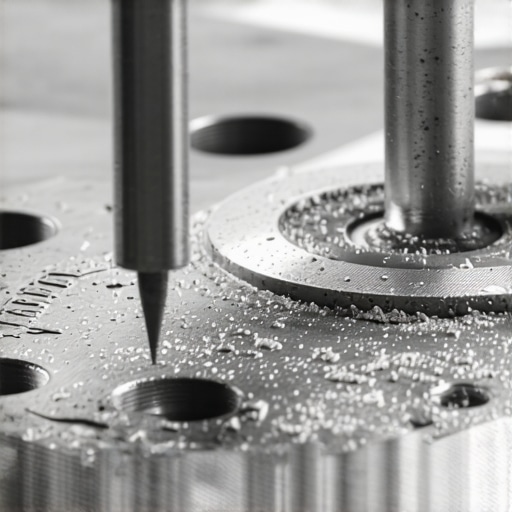
It sounds like science fiction, but “oil wicking” is a legitimate threat in modern, sensor-heavy engines. Due to capillary action, oil leaking from a camshaft position sensor or a solenoid can enter the wiring insulation and travel through the copper strands all the way to the Engine Control Unit (ECU). This can contaminate the sensitive electronics of your transmission controller or fuel management system, leading to ghost codes and erratic performance that are nearly impossible to trace without a full harness inspection. This is why a simple 10-dollar sensor leak can escalate into a multi-thousand-dollar electronic failure if the vehicle diagnostics process isn’t thorough enough to check the connector pins for moisture.
The Non-Negotiable Physics of Torque-to-Yield Fasteners
In the quest for weight reduction and precise clamping, many manufacturers have moved to Torque-to-Yield (TTY) bolts for critical sealing components. Unlike traditional bolts, TTY fasteners are designed to stretch permanently into their “plastic” zone to provide a constant, spring-like tension on the gasket. Reusing these bolts is a cardinal sin of auto repair; once they have been stretched, they lose their ability to maintain the necessary load during thermal cycling. If you are chasing a leak on a modern cylinder head or a high-pressure transmission pump, always check the service manual for the “one-time use” symbol. Failing to replace a 5-dollar bolt can lead to a catastrophic loss of seal integrity the first time the engine reaches operating temperature. We invite you to share your experiences with TTY bolts or wiring harness “wicking” in the comments section—have you ever seen oil reach an ECU?
Expert Insights and Advanced Considerations
Surface Micro-Texture Matters More Than You Think
#IMAGE_PLACEHOLDER_E#
Beyond simple flatness, the Rz value—the average peak-to-valley height of a machined surface—determines how well a gasket mechanically bonds to the metal. If you use a high-grit abrasive, you might make the surface too smooth for a mechanical seal to hold under pressure. This is a nuanced aspect of expert auto repair tips for 2025 that separates the driveway hobbyist from the master technician.
ECU Adaptive Logic Often Masks Physical Failures
Modern Electronic Control Units can compensate for low fluid levels by increasing line pressure within a transmission. This means your vehicle might drive perfectly even while losing fluid, right up until the point of catastrophic failure. Staying ahead of these transmission troubles requires physical inspections rather than relying solely on the dashboard lights.
Thermal Fatigue vs Chemical Decomposition
Every engine eventually shows signs of aging, but differentiating between atmospheric oil vapor condensation and an active leak is vital. In professional vehicle diagnostics, we identify ‘seepage’ as a condition that doesn’t yet reach the ground. Knowing when to leave a seal alone is just as important as knowing when to replace it to avoid unnecessary car service costs and labor.
Authorized Channels for Specialized Data
SAE International Technical Papers: These documents offer the gold standard for understanding the fluid dynamics of lubricants and the shear strength of modern gasket materials under high thermal loads.
Identifix Direct-Hit Databases: A real-world resource used in auto repair shops to track pattern failures across specific makes and models, helping to determine if a leak is a common engineering flaw.
Manufacturer Technical Service Bulletins (TSBs): These are the secret maps of the automotive world, often containing the exact procedures for cleaning your engine bay or resolving persistent leaks not documented in standard manuals.
High-Level Maintenance Requires Precision Data
Fluid migration isn’t a mystery; it is a measurable physical process. By understanding the interplay of pressure, heat, and material science, you transform from a parts-changer into a diagnostic specialist. Whether you are hunting for a ghost leak or preventing a future blowout, the key lies in the details—from the torque of a TTY bolt to the electrical ground integrity. If you are ever in doubt about a complex electrical-mechanical crossover, learning how to identify a bad ground wire can save you hours of frustration. We invite you to share your most challenging leak stories or professional breakthroughs in the comments below, and if you need expert assistance, make sure to find a car service near you that understands these advanced diagnostic principles.