The spark plug serves as an unintended yet vital diagnostic window into the internal health of a modern internal combustion engine. While contemporary vehicle diagnostics rely heavily on sensor data and OBD-II protocols, the physical state of the insulator and electrodes often reveals subtle mechanical nuances that electronics can overlook. A master technician views a spark plug not merely as a component to be replaced, but as a chemical recorder of combustion efficiency, thermal management, and fuel-air chemistry. Understanding how to interpret these visual cues is a cornerstone of advanced auto repair and can prevent the cascade of failures often associated with ignition neglect.
Visual Forensics Inside the Combustion Chamber
A healthy engine typically produces spark plugs with a light tan or gray color around the ceramic insulator. However, when a plug presents a dry, velvety black coating, you are observing carbon fouling. This is a clear indicator of an over-rich fuel mixture, often caused by a malfunctioning oxygen sensor or a restricted intake system. Because carbon is electrically conductive, this soot provides an alternate path for the voltage, causing the spark to track down the insulator rather than jumping the gap. This phenomenon explains why misfires occur without specific trouble codes being immediately logged, as the voltage is technically being discharged, just not across the air gap.
Oil Contamination Versus Fuel Saturation
Distinguishing between oil and fuel fouling is critical for determining whether your repair strategy involves the fuel system or deep engine internals. Wet, black, and oily deposits signify that lubrication is entering the combustion chamber, likely through worn valve stem seals or bypass at the piston rings. Conversely, a plug that smells of raw gasoline but lacks a sludge-like texture suggests fuel saturation. This often happens if the ignition system is failing to provide sufficient voltage to ignite the mixture. In many cases, a weak spark is not the fault of the plug itself but stems from electrical resistance issues; for instance, if your engine ground wires are compromised, the ignition coils cannot reach their peak secondary voltage, leading to incomplete combustion and fouled electrodes.
Does Your Plug Geometry Show Signs of Pre-Ignition?
Experienced mechanics look specifically at the sharp edges of the center electrode and the condition of the ground strap. If the electrode edges are rounded or the ceramic shows a white, blistered appearance, the plug is operating at temperatures exceeding its design limits. This pre-ignition state is dangerous; according to technical documentation from SAE International, sustained pre-ignition can lead to catastrophic piston crown failure. This heat soak is often caused by an incorrect heat range selection for the specific application or a lean-run condition where the fuel-to-air ratio is too thin. If you notice your gas mileage has dropped without a check engine light, your plugs may be showing the early stages of this thermal stress before the computer registers a hard fault.
Visual Inspection Beats a Scanner Every Time
While a scanner provides a high-level overview of system status, it cannot see the physical accumulation of ash or the subtle erosion of a side electrode. Ash deposits, appearing as a crusty buildup on the insulator, indicate that oil additives or fuel detergents are not being completely burned off. This long-term accumulation eventually bridges the gap, causing a permanent misfire. By integrating visual plug analysis into your routine car service schedule, you can identify these trends before they damage your catalytic converter. Professional-level maintenance is about proactive data gathering, and nothing is more data-rich than a used spark plug. If you have noticed performance issues or unusual engine behavior, contact our specialist team to schedule a comprehensive diagnostic evaluation.
The Hidden Tax of Electrode Erosion on Your Ignition Coils
As a spark plug ages, the relentless cycle of electrical discharge and thermal expansion causes the metal of the electrodes to migrate. This physical degradation increases the gap between the center and ground electrodes, a process known as gap growth. While modern ignition systems are robust, an excessively wide gap forces the ignition coil to generate a significantly higher secondary voltage to bridge the divide. This increased voltage demand doesn’t just stress the coil; it creates electromagnetic interference that can scramble sensitive sensor data. When your ignition system is overtaxed, you might notice that your dashboard lights get brighter when you rev the engine, as the charging system struggles to compensate for the erratic electrical load. Over time, this constant high-voltage demand can lead to internal coil failure or even compromise your battery health, leading some owners to mistakenly wonder how to tell if your alternator is killing your new battery when the root cause is actually an overlooked set of worn-out spark plugs.
Why Do ‘Lifetime’ Plugs Fail Long Before the Vehicle Hits 100,000 Miles?
Many manufacturers claim that iridium or platinum-tipped plugs can last six figures in mileage, but these estimates often assume ideal driving conditions that rarely exist in the real world. Stop-and-go traffic, short trips that prevent the engine from reaching full operating temperature, and varying fuel quality all accelerate the buildup of combustion byproducts. According to technical bulletins from Bosch Mobility Solutions, even premium precious-metal plugs can suffer from ‘chemical wear’ where fuel additives create a glazed coating on the insulator, effectively insulating the spark. If you have noticed that your car feels sluggish despite no warning lights, the spark plugs are likely the culprit. These deposits can lead to a ‘lazy’ spark that ignites the fuel-air mixture inconsistently, robbing you of torque and fuel economy long before a hard misfire is detected by the ECM.
How a Weak Spark Mimics Serious Transmission Problems
One of the most common diagnostic errors occurs when a light engine misfire—caused by fouled or worn plugs—is misinterpreted as a mechanical failure in the drivetrain. This typically happens under high-load, low-RPM situations, such as when the torque converter locks up on a highway incline. The resulting shudder or ‘thud’ feels remarkably similar to a slipping clutch or a gear-hunting issue. Drivers often fear they are dealing with transmission failures, when in reality, the engine is simply failing to produce enough power to maintain the load due to a weak ignition kernel. This phantom symptom is also the hidden reason your automatic transmission hesitates on hills; the computer detects the erratic crankshaft speed from the misfire and delays the shift to protect the geartrain. Before committing to expensive transmission work, a visual inspection of the spark plugs and a check for bad ground wires can often resolve the ‘shudder’ for a fraction of the cost.
The Thermal Signature of Lean Run Conditions
Beyond simple fouling, the color of the ceramic insulator can alert you to a lean-run condition, which is far more dangerous to your engine’s longevity than a rich mixture. A stark, chalky white insulator suggests that the combustion chamber is running too hot, often due to an air leak or a failing fuel injector. If you suspect this is happening, you can find a vacuum leak using a simple cigar trick to see if unmetered air is entering the system. Leaving a lean condition unaddressed will eventually melt the spark plug electrodes and could lead to a hole in the piston. Have you noticed a strange hesitation or a pinging sound during acceleration lately? Share your symptoms in the comments below, or check out our guide on diagnosing a misfire without a code reader to see if your plugs are trying to tell you a story about your engine’s internal health.
Why Direct Injection Makes Your Plugs Work Twice as Hard
The advent of Gasoline Direct Injection (GDI) has fundamentally changed the environment where the spark plug must operate. Unlike traditional port injection, where fuel and air mix in the intake manifold, GDI sprays fuel at immense pressure directly into the cylinder. This creates a highly stratified charge that can lead to localized “hot spots” or soot accumulation if the injector spray pattern is even slightly compromised. When an injector begins to leak or “dribble,” it doesn’t just waste fuel; it creates a localized rich condition that can coat the plug’s firing end in seconds. This heavy carbon loading is a primary reason why many GDI-equipped vehicles require plug replacements much earlier than the marketing brochures suggest. 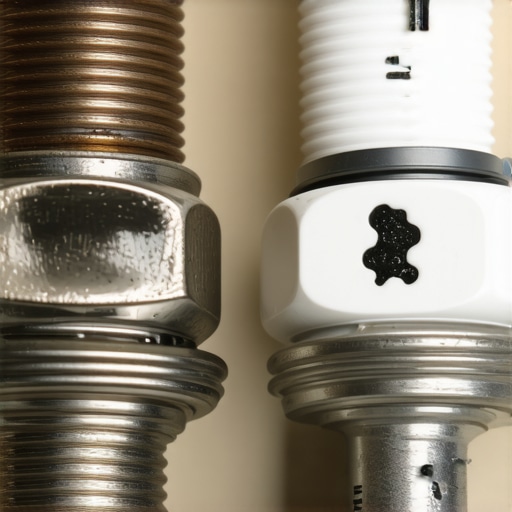
Should You Really Re-Gap Iridium Plugs Out of the Box?
This is one of the most debated topics in modern workshops. While older copper-core plugs required manual gapping with a coin-style tool, doing the same to a modern iridium or platinum plug can be a recipe for disaster. The center electrode on these high-performance plugs is incredibly brittle and thin—often as small as 0.6mm. Applying any prying force against that fine wire can cause micro-fractures in the iridium tip that might not be visible to the naked eye. According to technical advisories from NGK Spark Plugs, the risk of snapping the precious metal tip far outweighs the minor gains of adjusting a factory-set gap. If the gap is slightly off, it is often better to exchange the plug for another than to risk a tip falling into the combustion chamber during high-load operation.
Distinguish Normal Corona Stains from Dangerous Flashover
Many vehicle owners—and even some junior technicians—mistakenly condemn a perfectly healthy spark plug because of a brownish-orange ring on the ceramic insulator just above the hex nut. This is frequently misidentified as a combustion leak. In reality, this is a “corona stain,” a natural byproduct of high-voltage fields attracting oil particles or dirt in the air to the surface of the insulator. It is purely cosmetic and does not affect performance. However, if you see vertical black “lightning” streaks running down the porcelain, you are looking at actual flashover. This occurs when the electrical charge travels down the outside of the plug instead of through the center. If you spot these tracks, you must replace both the plug and the ignition boot; otherwise, the “carbon track” left in the old rubber boot will immediately ruin your new plug. If you’ve noticed your engine stumbling under load, reach out to our diagnostic specialists to ensure your ignition system isn’t leaking voltage where you can’t see it.
The Forgotten Art of Indexing for Efficiency
In high-performance tuning and ultra-lean burn engines, the physical orientation of the spark plug—known as indexing—becomes a critical variable. When you thread a plug into the cylinder head, the ground strap (the “hook” at the bottom) ends up in a random position. If that strap sits between the spark and the incoming fuel-air mixture, it can “shroud” the initial flame front, leading to a slower, less efficient burn. By using thin copper washers of varying thicknesses, technicians can align the plug so the open side of the gap faces the intake valves. This ensures the spark is directly exposed to the richest part of the charge. While mostly reserved for racing, this technique highlights how even the smallest geometric obstacle can influence the complex fluid dynamics inside your engine.
The spark plug serves as an unintended yet vital diagnostic window into the internal health of a modern internal combustion engine. While contemporary vehicle diagnostics rely heavily on sensor data and OBD-II protocols, the physical state of the insulator and electrodes often reveals subtle mechanical nuances that electronics can overlook. A master technician views a spark plug not merely as a component to be replaced, but as a chemical recorder of combustion efficiency, thermal management, and fuel-air chemistry. Understanding how to interpret these visual cues is a cornerstone of advanced auto repair and can prevent the cascade of failures often associated with ignition neglect.
Visual Forensics Inside the Combustion Chamber
A healthy engine typically produces spark plugs with a light tan or gray color around the ceramic insulator. However, when a plug presents a dry, velvety black coating, you are observing carbon fouling. This is a clear indicator of an over-rich fuel mixture, often caused by a malfunctioning oxygen sensor or a restricted intake system. Because carbon is electrically conductive, this soot provides an alternate path for the voltage, causing the spark to track down the insulator rather than jumping the gap. This phenomenon explains why misfires occur without specific trouble codes being immediately logged, as the voltage is technically being discharged, just not across the air gap.
Oil Contamination Versus Fuel Saturation
Distinguishing between oil and fuel fouling is critical for determining whether your repair strategy involves the fuel system or deep engine internals. Wet, black, and oily deposits signify that lubrication is entering the combustion chamber, likely through worn valve stem seals or bypass at the piston rings. Conversely, a plug that smells of raw gasoline but lacks a sludge-like texture suggests fuel saturation. This often happens if the ignition system is failing to provide sufficient voltage to ignite the mixture. In many cases, a weak spark is not the fault of the plug itself but stems from electrical resistance issues; for instance, if your engine ground wires are compromised, the ignition coils cannot reach their peak secondary voltage, leading to incomplete combustion and fouled electrodes.
Does Your Plug Geometry Show Signs of Pre-Ignition?
Experienced mechanics look specifically at the sharp edges of the center electrode and the condition of the ground strap. If the electrode edges are rounded or the ceramic shows a white, blistered appearance, the plug is operating at temperatures exceeding its design limits. This pre-ignition state is dangerous; according to technical documentation from SAE International, sustained pre-ignition can lead to catastrophic piston crown failure. This heat soak is often caused by an incorrect heat range selection for the specific application or a lean-run condition where the fuel-to-air ratio is too thin. If you notice your gas mileage has dropped without a check engine light, your plugs may be showing the early stages of this thermal stress before the computer registers a hard fault.
Visual Inspection Beats a Scanner Every Time
While a scanner provides a high-level overview of system status, it cannot see the physical accumulation of ash or the subtle erosion of a side electrode. Ash deposits, appearing as a crusty buildup on the insulator, indicate that oil additives or fuel detergents are not being completely burned off. This long-term accumulation eventually bridges the gap, causing a permanent misfire. By integrating visual plug analysis into your routine car service schedule, you can identify these trends before they damage your catalytic converter. Professional-level maintenance is about proactive data gathering, and nothing is more data-rich than a used spark plug. If you have noticed performance issues or unusual engine behavior, contact our specialist team to schedule a comprehensive diagnostic evaluation.
The Hidden Tax of Electrode Erosion on Your Ignition Coils
As a spark plug ages, the relentless cycle of electrical discharge and thermal expansion causes the metal of the electrodes to migrate. This physical degradation increases the gap between the center and ground electrodes, a process known as gap growth. While modern ignition systems are robust, an excessively wide gap forces the ignition coil to generate a significantly higher secondary voltage to bridge the divide. This increased voltage demand doesn’t just stress the coil; it creates electromagnetic interference that can scramble sensitive sensor data. When your ignition system is overtaxed, you might notice that your dashboard lights get brighter when you rev the engine, as the charging system struggles to compensate for the erratic electrical load. Over time, this constant high-voltage demand can lead to internal coil failure or even compromise your battery health, leading some owners to mistakenly wonder how to tell if your alternator is killing your new battery when the root cause is actually an overlooked set of worn-out spark plugs.
Why Do ‘Lifetime’ Plugs Fail Long Before the Vehicle Hits 100,000 Miles?
Many manufacturers claim that iridium or platinum-tipped plugs can last six figures in mileage, but these estimates often assume ideal driving conditions that rarely exist in the real world. Stop-and-go traffic, short trips that prevent the engine from reaching full operating temperature, and varying fuel quality all accelerate the buildup of combustion byproducts. According to technical bulletins from Bosch Mobility Solutions, even premium precious-metal plugs can suffer from ‘chemical wear’ where fuel additives create a glazed coating on the insulator, effectively insulating the spark. If you have noticed that your car feels sluggish despite no warning lights, the spark plugs are likely the culprit. These deposits can lead to a ‘lazy’ spark that ignites the fuel-air mixture inconsistently, robbing you of torque and fuel economy long before a hard misfire is detected by the ECM.
How a Weak Spark Mimics Serious Transmission Problems
One of the most common diagnostic errors occurs when a light engine misfire—caused by fouled or worn plugs—is misinterpreted as a mechanical failure in the drivetrain. This typically happens under high-load, low-RPM situations, such as when the torque converter locks up on a highway incline. The resulting shudder or ‘thud’ feels remarkably similar to a slipping clutch or a gear-hunting issue. Drivers often fear they are dealing with transmission failures, when in reality, the engine is simply failing to produce enough power to maintain the load due to a weak ignition kernel. This phantom symptom is also the hidden reason your automatic transmission hesitates on hills; the computer detects the erratic crankshaft speed from the misfire and delays the shift to protect the geartrain. Before committing to expensive transmission work, a visual inspection of the spark plugs and a check for bad ground wires can often resolve the ‘shudder’ for a fraction of the cost.
The Thermal Signature of Lean Run Conditions
Beyond simple fouling, the color of the ceramic insulator can alert you to a lean-run condition, which is far more dangerous to your engine’s longevity than a rich mixture. A stark, chalky white insulator suggests that the combustion chamber is running too hot, often due to an air leak or a failing fuel injector. If you suspect this is happening, you can find a vacuum leak using a simple cigar trick to see if unmetered air is entering the system. Leaving a lean condition unaddressed will eventually melt the spark plug electrodes and could lead to a hole in the piston. Have you noticed a strange hesitation or a pinging sound during acceleration lately? Share your symptoms in the comments below, or check out our guide on diagnosing a misfire without a code reader to see if your plugs are trying to tell you a story about your engine’s internal health.
Why Direct Injection Makes Your Plugs Work Twice as Hard
The advent of Gasoline Direct Injection (GDI) has fundamentally changed the environment where the spark plug must operate. Unlike traditional port injection, where fuel and air mix in the intake manifold, GDI sprays fuel at immense pressure directly into the cylinder. This creates a highly stratified charge that can lead to localized “hot spots” or soot accumulation if the injector spray pattern is even slightly compromised. When an injector begins to leak or “dribble,” it doesn’t just waste fuel; it creates a localized rich condition that can coat the plug’s firing end in seconds. This heavy carbon loading is a primary reason why many GDI-equipped vehicles require plug replacements much earlier than the marketing brochures suggest.
Forced Induction Demands a Tighter Gap
Turbocharged and supercharged engines present an incredibly hostile environment for a standard ignition setup. As boost levels rise, the density of the air-fuel mixture increases, which in turn raises the dielectric strength of the medium the spark must penetrate. This often leads to “spark blowout,” where the high-pressure turbulence literally douses the arc before it can establish a robust flame kernel. To counter this, master technicians often reduce the gap, ensuring that even under maximum boost, the ignition coil can still deliver a clean strike. However, this is a delicate trade-off; too narrow a gap can lead to a rough idle, as there is less spark surface area to ignite the mixture at low speeds. 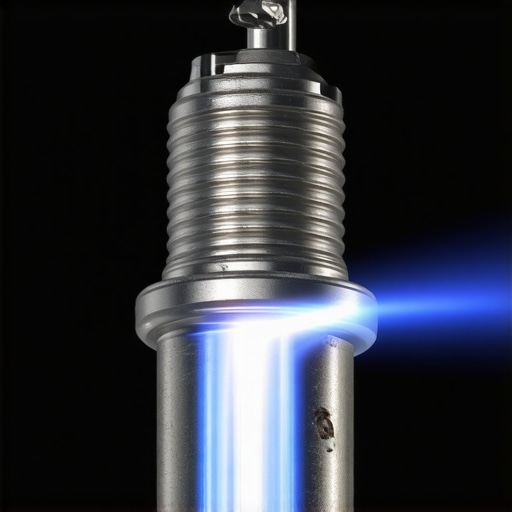
Stop-Start Technology and the Stealthy Rise of Carbon Tracking
The modern push for fuel efficiency has introduced automatic stop-start systems that subject spark plugs to hundreds of additional thermal cycles every week. These frequent restarts happen before the engine reaches its “self-cleaning” temperature—the specific thermal threshold where carbon deposits are naturally burned off. According to technical research from Denso Automotive, this can lead to “cold fouling” even in brand-new vehicles. If your car predominantly handles short city trips, the plugs never stay hot long enough to shed these deposits. Over time, this creates a microscopic bridge of carbon that bleeds off voltage, leading to the sluggish acceleration many drivers mistake for a transmission lag.
Does dielectric grease belong on the metal terminals of your spark plugs?
One of the most persistent myths in the DIY community is that dielectric grease should be applied to the electrical contact points to improve the connection. In reality, dielectric grease is a non-conductive silicone-based insulator. If you smear it on the metal tip where the coil meets the plug, you are creating a layer of resistance that the voltage must fight through. The correct application is a thin bead around the inner lip of the spark plug boot. This creates a moisture-proof seal that prevents voltage from leaking down the outside of the porcelain, a condition known as flashover. Proper application ensures the spark stays contained within the combustion chamber, rather than arcing to the cylinder head and causing a misfire under heavy load.
The Delicate Physics of High-Performance Heat Ranges
Choosing the right heat range is not about the power of the spark, but about the plug’s ability to shed heat into the engine’s cooling jacket. A cold plug has a shorter insulator nose, allowing heat to escape rapidly, while a hot plug has a longer nose to retain heat. If you have modified your engine for more power, the factory-specified heat range is likely no longer adequate. Using a plug that is too hot for your modified engine can turn the center electrode into a glowing ember, causing pre-ignition—a silent engine killer that can melt a hole through a forged piston in seconds. If you have recently upgraded your vehicle’s power output, consult with our specialist technicians to verify that your ignition system is matched to your new performance profile.
Expert Insights & Advanced Considerations
Stop Killing Your Ignition Coils with Excessive Gaps
While many believe a larger gap produces a more powerful flame, the reality is a direct tax on your electrical system. An oversized gap forces the ignition coil to ramp up secondary voltage beyond its design parameters, leading to internal dielectric breakdown. This is why many late-model vehicles experience premature coil failure; the hardware isn’t faulty, but rather overtaxed by an uncorrected spark plug gap. By maintaining precise clearances, you ensure your vehicle diagnostics profiles remain within stable voltage ranges, preventing electromagnetic interference from ghosting your sensor data.
The Critical Balance of Thermal Heat Ranges
Selecting a heat range is not a one-size-fits-all decision, especially for those operating in extreme climates or towing heavy loads. A plug that is too ‘hot’ will retain heat in its insulator, potentially turning the tip into a glowing ember that causes catastrophic pre-ignition. Conversely, a ‘cold’ plug in a commuter car will never reach the self-cleaning temperature, leading to rapid carbon fouling. If you suspect your engine is running lean or hot, you can find a vacuum leak using a 5 dollar cigar to rule out intake issues before changing your plug specifications.
Identify True Voltage Leaks vs Cosmetic Stains
Distinguishing between a harmless corona stain and a dangerous flashover track is a hallmark of a master technician. A brownish ring at the base of the porcelain is often a cosmetic byproduct of electrostatic attraction and requires no action. However, vertical black ‘lightning’ streaks signify that high-voltage current is bypassing the electrode entirely. If you see these tracks, it is a sign that you must how to spot a bad ground wire before it kills your new battery or check for degraded ignition boots that no longer seal the voltage pathway.
Curated Expert Resources
SAE International Technical Papers: This remains the gold standard for understanding the physics of combustion and ignition theory. Accessing these documents provides a deep dive into how electrode materials like iridium and ruthenium interact with high-pressure direct injection environments.
NGK and Bosch Training Modules: These manufacturers offer high-level technical bulletins that go far beyond basic installation instructions. They provide high-resolution visual guides for electrode erosion patterns that are essential for diagnosing a misfire without a code reader.
Advanced Engine Management Systems (AEM) Documentation: For those looking to understand how spark duration affects torque output, tuning manuals for standalone ECUs offer a more nuanced look at ignition timing than traditional factory service manuals.
A Professional Verdict on Ignition Health
The humble spark plug remains the most honest storyteller in your engine bay. While digital tools provide a snapshot of current performance, the physical state of your electrodes provides a long-term map of combustion efficiency, thermal stress, and fuel chemistry. Overlooking these visual cues in favor of solely relying on scanners is a common pitfall in modern top auto repair techniques. True mechanical mastery lies in the synthesis of electronic data and physical evidence. If your vehicle is exhibiting subtle performance drops or erratic idle behavior, do not wait for a warning light to appear. We invite you to contact us for a comprehensive ignition system evaluation to ensure your engine continues to run with peak precision.