The Invisible Failure Mode of Modern Fuel Trims
Modern internal combustion engines rely on a complex interplay of electronic feedback loops to maintain the stoichiometric ratio of 14.7 parts air to 1 part fuel. While modern vehicle diagnostics systems are designed to monitor hardware health, they often fail to detect marginal performance degradation. A sensor that has drifted out of its ideal calibration range but remains within its absolute operating parameters is essentially ‘invisible’ to the On-Board Diagnostics (OBD-II) logic. This creates a scenario where the vehicle consumes excessive fuel, yet the Engine Control Unit (ECU) perceives no fault, effectively trapping the driver in a cycle of inefficiency without a single illuminated warning light on the dashboard.
Can a Sensor Degrade Without Failing the Self-Diagnostic Check?
The short answer is yes. In the world of auto repair, this is known as a ‘lazy’ sensor. Specifically, the upstream Oxygen (O2) sensor or the Air-Fuel Ratio sensor can become coated with carbon or contaminants, slowing its response time. Because the sensor still produces a signal, the ECU doesn’t trigger a P0133 or similar diagnostic trouble code (DTC). However, the delay in signal transmission prevents the computer from making real-time micro-adjustments to the fuel injector pulse width. For a deeper dive into how these systems communicate, you may want to investigate the hidden world of vehicle diagnostics to see what standard dash lights often miss.
The Critical Role of the Mass Air Flow Sensor in Fuel Economy
The Mass Air Flow (MAF) sensor is another frequent culprit in silent fuel economy drops. Its job is to measure the density of air entering the engine, allowing the ECU to calculate the precise amount of fuel needed. Over time, microscopic particles of dust and oil can coat the sensing element, insulating it and causing it to report less air than is actually present. This creates a ‘lean’ reporting condition, which leads the ECU to compensate by adding more fuel than necessary. This mismatch is a primary reason for a sudden drop in MPG. If you suspect this is happening, learning how to clean a mass air flow sensor properly can save you from an expensive and unnecessary car service bill.
Use Specialized Data Streams Instead of Waiting for a Warning Light
To identify these silent killers, an expert technician looks at ‘Fuel Trims’ in live data. Long-term fuel trims exceeding +/- 10% indicate the engine is working too hard to maintain its balance, even if no light is on. According to research by the Society of Automotive Engineers (SAE), sensor aging is one of the most significant contributors to unrecorded emissions and fuel consumption increases in vehicles over five years old. Professional technicians often use live data to spot these trends; you can learn more by exploring the hidden diagnostic codes that standard scanners might overlook. If your vehicle feels sluggish or your fuel costs are rising, it may be time to perform a proactive transmission and engine health check to ensure all parameters are within their optimal engineering specifications.
Stop the Unmetered Air Sabotage
While sensors play a pivotal role, the integrity of the physical intake tract is just as vital. Unmetered air—any air that enters the engine after the Mass Air Flow sensor—dilutes the fuel mixture and forces the Engine Control Unit (ECU) to add fuel based on downstream data from the oxygen sensors. This often results in a ‘lean’ code or, more frustratingly, a rough idle that the computer cannot quite explain. Many car owners overlook tiny cracks in vacuum lines or intake boots, which only expand under heat or load. Utilizing the 12 dollar tool that finds every vacuum leak can reveal these microscopic fissures without requiring a trip to the dealership. When unmetered air enters the system, it doesn’t just affect fuel economy; it disrupts the entire combustion cycle. If your RPMs fluctuate while stopped, you might need to stop your engine from hunting at idle by inspecting the intake gaskets and throttle body for air bypass issues.
Why Does My Transmission Shift Hard When the Engine Is Just Lean?
It seems counterintuitive, but the health of your engine directly dictates the behavior of your gearbox. In many modern vehicles, the transmission control module (TCM) calculates ‘line pressure’—the internal hydraulic pressure used to engage gears—based on engine load and torque data. When an engine is running lean or has a failing sensor, it reports incorrect torque values. The TCM, sensing a mismatch, may default to maximum line pressure to prevent internal clutch slippage, leading to jarring shifts. This is a classic example where a technician might find that the transmission shifts hard specifically between second and third gear due to an engine-side vacuum leak rather than a mechanical failure within the transmission itself. According to the Environmental Protection Agency (EPA), even minor intake leaks and evaporative system faults can increase vehicle emissions by over 25%, while simultaneously degrading the performance of the torque converter and shifting solenoids.
Spot Electrical Interference Before Replacing Expensive Components
Sometimes the hardware is perfect, but the communication is flawed. Modern vehicles are essentially rolling computer networks, and electromagnetic interference or high resistance can wreak havoc on sensor signals. A corroded ground wire can cause a sensor to report voltage fluctuations that the ECU interprets as a mechanical fault. Before you authorize an expensive sensor replacement, it is essential to check the ‘electrical health’ of the circuit. Using the 5 dollar tool for finding electrical shorts can quickly narrow down whether your problem is a dead sensor or a frayed wire hidden in the loom. Experts always recommend that you spot a bad ground wire early, as these often manifest as intermittent starting issues or ghost codes. Identifying the hidden ground wire that links the engine block to the chassis can often solve a dozen seemingly unrelated drivability problems in one go. Have you ever replaced a part only to find the problem persisted? Share your diagnostic puzzles in the comments below so we can troubleshoot these complex electrical gremlins together.
Reset Your ECU Memory to Actually Feel the Repair
Replacing a faulty sensor or sealing a vacuum leak is only half the battle in professional vehicle diagnostics. Many drivers are frustrated when their car continues to stumble or consume excess gas even after a successful auto repair. This happens because the Engine Control Unit (ECU) has ‘learned’ to compensate for the previous mechanical failure by shifting its long-term fuel trims (LTFT). These values are stored in the Keep Alive Memory (KAM), a volatile memory segment that persists even after the ignition is turned off. If the ECU was previously adding 20% more fuel to compensate for a leak, it will continue that 20% enrichment on the first drive after the fix, leading to a rich condition and potential spark plug fouling.
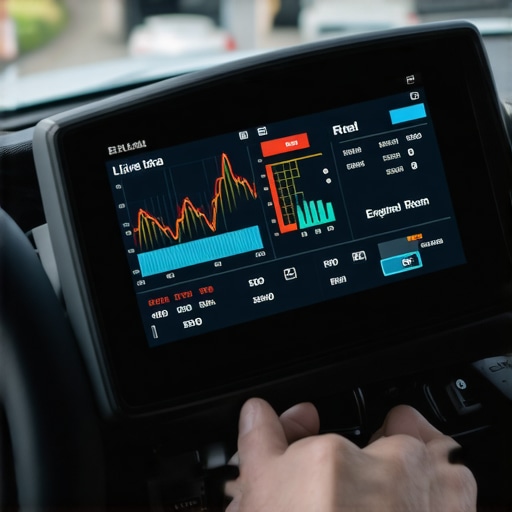
To truly restore factory performance, a technician must perform a KAM reset or a ‘Battery Disconnect’ procedure, although modern vehicles often require a scan tool to initiate a formal ‘Reset Adaptive Values’ command. Without this step, the engine may take upwards of 50 to 100 miles of varied driving to ‘re-learn’ that the air leak is gone. If you find yourself in this situation, using a high-quality OBD-II interface to clear these learned tables is the fastest way to get your transmission shifting smoothly again, as the gearbox also relies on these torque calculations to timing its shifts. Do you have a scan tool ready? If not, check out the best budget tools for clearing adaptive memory to ensure your repair actually takes hold.
Does Ethanol Blending Affect Long-Term Fuel Trim Stability?
The chemistry of what you put in your tank is just as critical as the hardware under the hood. Most modern gasoline is E10, containing 10% ethanol, which has a lower energy density than pure gasoline. The stoichiometric ratio for pure gasoline is 14.7:1, but for E10, it drops to approximately 14.1:1. The ECU detects this change through the oxygen sensors and adjusts the fuel trim accordingly. According to the American Petroleum Institute (API), seasonal variations in fuel volatility and ethanol concentrations can cause fuel trims to fluctuate by as much as 5% without indicating a mechanical fault. In regions where ‘winter blend’ fuel is common, a sudden jump in fuel consumption is often a result of the ECU adapting to the lower energy content of the fuel rather than a failing component. If you notice your mileage dropping as the temperature falls, it might be worth logging your fuel trims to see if the engine is simply compensating for a change in fuel chemistry.
Check the Fuel Rail Pressure Before Blaming the Injectors
A common mistake in car service is assuming that a ‘lean’ code always points to an air leak or a bad MAF sensor. Fuel delivery is the other side of the equation. If the fuel pump is tired or the fuel pressure regulator is sticking, the injectors may not be atomizing the fuel correctly, or they may be delivering a lower volume than the ECU expects for a given pulse width. This forces the fuel trims into the positive range as the computer tries to keep the engine from stalling. High-pressure fuel systems, particularly in Gasoline Direct Injection (GDI) engines, are extremely sensitive to these fluctuations. A drop of just 50 PSI in a system designed for 2,000 PSI can cause significant hesitation under load. Before you invest in a new set of injectors, it is vital to perform a ‘fuel volume test’—it isn’t just about the pressure, but how much fuel the pump can move under stress. Identifying a weak pump early can prevent a lean-induced pre-ignition event that could catastrophically damage your pistons or valves.
Flush Out the Silent Vacuum Leaks Hidden in Your Gas Tank
Beyond the fuel rail, the Evaporative Emission (EVAP) system represents a complex frontier where fuel vapors and atmospheric pressure collide. When the purge valve fails to seal completely, the engine breathes in raw fuel vapors from the charcoal canister during a cold start or at idle—scenarios where the Engine Control Unit (ECU) expects a strictly closed system. This leads to a sudden rich spike that the O2 sensors must frantically correct by pulling fuel, often manifesting as a stumbling idle or a hard start after refueling. Unlike a cracked intake boot, an EVAP leak is dynamic and fluctuates based on fuel tank temperature and vapor pressure. According to data from the National Highway Traffic Safety Administration (NHTSA), evaporative system malfunctions are among the primary triggers for failed emissions inspections in high-mileage vehicles, frequently traced back to a simple $30 solenoid that has lost its ability to hold a vacuum under load.
Does Your Engine Oil Viscosity Impact Fuel Injection Timing?
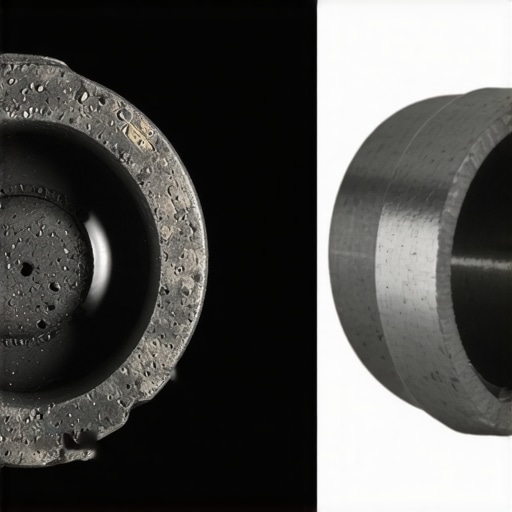
In modern engines equipped with hydraulically actuated Variable Valve Timing (VVT), the engine oil serves as more than just a lubricant; it functions as a critical hydraulic fluid. If the oil viscosity is incorrect—due to poor car service habits or simply using the wrong grade—the VVT phasers cannot respond with the precision the ECU demands. This slight mechanical lag alters the engine’s volumetric efficiency, causing the Mass Air Flow sensor to report data that the computer deems irrational. The ECU may then overcompensate by adjusting fuel trims, leading a technician to chase a phantom auto repair on the fuel system when the root cause is actually oil-related. High-quality synthetic oils and frequent filter changes are essential to keep these micro-passages clear and ensure the timing stays within the tightly defined engineering windows required for peak fuel economy.
Stop the Alternator from Dragging Down Your Performance
An often-overlooked contributor to poor fuel trims and unexpected transmission behavior is the ‘parasitic’ electrical load. When you activate the rear defroster, heated seats, and high-intensity headlights, the alternator must work harder, creating physical resistance against the engine’s rotation. If the ECU doesn’t accurately predict this increased load, the idle speed will dip, and the fuel trims will shift to prevent a stall. In some cases, a failing alternator pulley or a slipping serpentine belt can create intermittent drag that the computer interprets as a mechanical misfire. Proactive vehicle diagnostics should always include a battery and charging system sweep to ensure that the ‘electrical ghost’ isn’t the one sabotaging your miles per gallon and shift quality.
Scrape Away the Efficiency Killers in Your GDI Intake
Gasoline Direct Injection (GDI) technology has transformed performance metrics, but it introduced a significant vulnerability: carbon accumulation on the intake valves. Because fuel is injected directly into the cylinder, it no longer cleans the back of the valves. Over time, oil vapors from the PCV system bake into a hard carbon crust that restricts airflow. This restriction induces turbulence, creating localized lean spots that the ECU struggles to balance through global fuel trim adjustments. If your auto repair strategy doesn’t include a professional intake cleaning every 60,000 miles, you are likely losing significant torque. Are you ready to see what your valves actually look like? Grab a borescope and join the discussion below about the most effective carbon-cleaning methods you have tried on your own vehicle.
Expert Insights and Advanced Considerations
Thermal Drift Can Fool Even Pro Scanners
A sensor that tests perfectly during a cold start may drift significantly once the engine bay reaches peak operating temperature. This is a common hurdle in auto repair where intermittent lean conditions only appear after an hour of highway driving. Professionals often use a borescope and live data logger to monitor how heat affects electrical resistance and sensor signal frequency in real-time, catching failures that static tests miss.
Your Transmission Reads Your Engine’s Mind
Modern shifting logic is entirely dependent on the “Engine Torque Delivered” PID. If your MAF sensor is dirty or your fuel pressure is marginal, the torque calculation reported to the computer will be incorrect. This leads to transmission failures that aren’t mechanical in nature, but rather software-induced harsh shifts meant to protect the internal clutches. Always resolve engine-side “lean” or “rich” fuel trim issues before assuming your gearbox needs a rebuild.
Stop Guessing and Start Data Logging
Snapshot diagnostics only tell half the story. To truly understand a vehicle’s health, you must record data during the specific event—whether that is a wide-open throttle pull or a steady-state cruise. High-quality vehicle diagnostics rely on looking at the relationship between the Short Term Fuel Trim (STFT) and Long Term Fuel Trim (LTFT) across different RPM bands to determine if a vacuum leak is internal to the manifold or external in the vacuum lines.
Curated Expert Resources
SAE International Technical Papers: For those who want the raw physics of combustion and sensor design, SAE offers the deepest dive into how fuel trim logic is programmed at the OEM level. It is the gold standard for engineering-level data.
iATN (International Automotive Technicians Network): This is the premier forum where master technicians share real-world fixes for “ghost codes” that haven’t made it into official service manuals yet, providing a massive database of proven auto repair solutions.
Advanced Factory Service Manuals: When standard aftermarket guides fail, unlocking your car’s potential requires the official factory documentation which includes specific voltage drop specifications and pin-out diagrams for the ECU.
Final Expert Perspective
Mastering vehicle diagnostics is an exercise in connecting the dots between seemingly unrelated symptoms, such as a rough idle and an aggressive gear change. By recognizing that the modern powertrain is a unified network, you can avoid the expensive “parts cannon” approach and achieve a higher standard of auto repair. Precision in measurement leads to longevity in performance. If you have encountered a diagnostic puzzle that defied standard logic, or if you need to find a specialized car service to handle complex sensor recalibration, we invite you to reach out through our contact page. Let’s continue the conversation and ensure every engine on the road runs at its engineered potential.