Stop Blaming the Metal and Start Inspecting the Hub Interface
In high-level vehicle diagnostics, we often see a recurring frustration: a vehicle owner replaces their rotors with premium-tier components, yet the dreaded steering wheel shimmy returns in less than 5,000 miles. To solve this, one must look past the metallurgy. Most ‘warped’ rotors are actually victims of Disc Thickness Variation (DTV), a condition where the rotor surface develops high and low spots due to uneven transfer of friction material. This often stems from lateral runout at the hub level. Even a microscopic speck of rust on the wheel hub can cause the rotor to sit slightly off-center. As the rotor spins, it wobbles, making intermittent contact with the pads even when the brakes aren’t applied. Over time, this creates ‘hot spots’ where the iron converts into cementite, an incredibly hard substance that wears slower than the surrounding metal, leading to permanent pulsation. Implementing the one maintenance move that doubles the life of your rotors—meticulously cleaning the hub with a wire brush—is often the difference between a six-month failure and years of smooth stopping.
Why the Brake Bedding Process Is Not Optional
Professional auto repair standards dictate that new rotors must be ‘bedded’ to establish a uniform transfer layer of pad material. Without this, the friction material deposits unevenly during initial heat cycles, especially during the first few stoplights. This leads to the very DTV issues that mimic physical warping. If you’ve recently experienced why your car pulls to the left after a professional brake job, it may be due to an uneven transfer layer or improper caliper retraction during service. According to research published by SAE International (specifically J2915 standards), the thermal stability of the friction couple depends heavily on this initial chemical interface. Proper bedding involves a series of controlled stops that gradually bring the rotors up to operating temperature, allowing for an even gaseous exchange between the pad and the disc surface.
Consistent Lug Nut Torque Prevents Lateral Distortion
In many transmission and chassis shops, the rush to finish a job leads to the over-use of impact wrenches. Uneven torque on lug nuts is a leading, yet preventable, cause of rotor distortion. When bolts are tightened unevenly, they pull the rotor hat against the hub with varying forces, physically flexing the disc. This is why vehicle diagnostics should always include a torque wrench check. Consistency is more important than absolute tightness to ensure the rotor remains true under extreme heat expansion. A rotor that is flexed by just a few thousandths of an inch will eventually develop the uneven wear patterns that drivers misinterpret as ‘warping’ of the metal itself.
Does Your Vehicle Suffer from Undiagnosed Caliper Drag?
A frequent culprit in car service oversights is the failure to inspect sliding pins and hardware. If a caliper does not fully retract, the constant friction keeps the rotor at an elevated temperature, accelerating the transition of cast iron into brittle cementite. This heat-soak cycle is the primary driver of premature rotor failure in urban driving environments. You can often identify early symptoms by noting the difference between a soft brake pedal and a spongy one, which can indicate air or fluid degradation caused by extreme heat. If you suspect a mechanical hang-up, learning how to free a seized brake caliper without replacing the whole unit can save significant diagnostic time. If you are an industry professional or a dedicated DIYer, consider sharing your findings on hub-runout tolerances in our community forums to help others tackle these complex vibration issues.
Stop Assuming Your Brake Fluid Stays Pure Forever
While mechanical wear is easy to see, the chemical degradation of brake fluid is often the silent killer of a precise pedal feel. Brake fluid is hygroscopic, meaning it actively pulls moisture from the atmosphere through microscopic pores in rubber hoses and the reservoir cap. This water content lowers the fluid’s boiling point, which can lead to vapor lock during high-load scenarios like mountain driving. If you’ve ever wondered about the real reason your brake pedal feels like spongy cake after bleeding, it usually traces back to trapped air or moisture-laden fluid that has compromised the internal seals of the master cylinder. According to safety guidelines provided by the National Highway Traffic Safety Administration (NHTSA), maintaining the chemical integrity of the hydraulic system is as critical as pad thickness for ensuring predictable stopping distances. Learning how to flush your brake lines without a second person helping can transform this daunting task into a manageable solo maintenance routine.
Does Your ABS System Confuse Debris for a Traction Event?
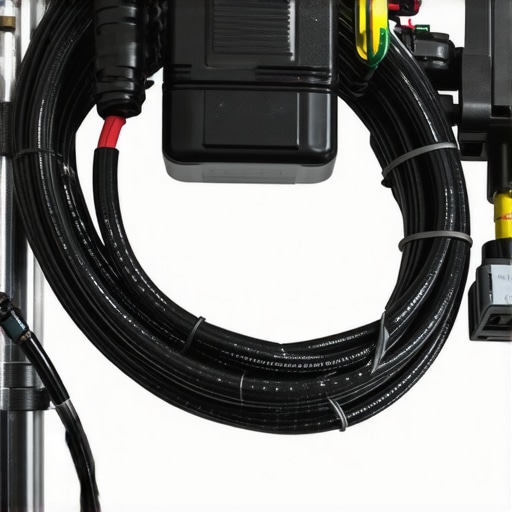
In modern vehicle diagnostics, a pulsing pedal isn’t always a physical warp in the rotor; it can be an electronic phantom. Anti-lock Braking Systems (ABS) rely on magnetic wheel speed sensors to detect imminent wheel lock-up. If these sensors become coated in metallic dust or road grime, the signal becomes noisy. The ABS control module may interpret this electrical noise as a wheel skidding, triggering the rapid-fire hydraulic pulsing of the ABS pump even during light braking. This is particularly common in environments where salt and moisture are prevalent, such as why your abs light comes on every time it rains. Inspecting the tone rings for chipped teeth or debris is a sophisticated diagnostic step that saves owners from unnecessarily replacing high-cost rotors when the issue is merely a sensor miscommunication.
Suspension Slop Often Masquerades as Rotor Runout
If you experience a vibration that only occurs at specific speeds, the problem might not be your brakes at all, but rather the components holding your wheels in place. Worn control arm bushings or failing struts can allow for excessive movement in the wheel assembly. When you apply the brakes, the shifting weight of the vehicle amplifies this instability, creating a shudder that mimics warped rotors. For instance, knowing how to tell if your struts are shot without a mechanic can help you isolate whether the vibration is localized to the braking system or part of a larger chassis failure. This is why some drivers notice why the steering wheel shakes at 60 mph but stops at 70—it’s a resonance issue within the suspension, not a permanent deformation of the metal. Have you ever chased a brake vibration only to find it was a $20 bushing? Share your diagnostic breakthroughs with us or let us know what technical mystery we should solve next.
How Tiny Hub Bearing Play Destroys High-End Rotors
Even if the rotor is perfectly flat and the hub face is scrubbed clean, a failing wheel bearing can introduce ‘stacked tolerance’ issues that defeat the most precise vehicle diagnostics. A wheel bearing with as little as .002 inches of play at the hub center translates to significantly more lateral runout at the outer edge of a 12-inch rotor. This movement causes the rotor to slap against the brake pads during normal driving, initiating the very Disc Thickness Variation (DTV) we aim to avoid. When performing a car service, technicians must check for play using a dial indicator rather than the traditional ‘shake the tire’ method, which often fails to detect early-stage bearing fatigue. If you have ever felt the hidden link between wheel bearings and brake pulsation, you know that ignoring the foundation makes the best rotors useless.
Can Micro-vibrations Cause Premature Wheel Bearing Failure?
The relationship between brakes and bearings is a two-way street. Constant vibration from a DTV-affected rotor creates high-frequency oscillations that can prematurely fatigue the hardened races inside a wheel bearing. This feedback loop is a classic example of why auto repair cannot be approached as a series of isolated part replacements. High-performance driving or heavy towing significantly accelerates this degradation. According to technical bulletins from Brembo, the thermal stress transferred from the rotor hat to the hub can actually thin out the bearing grease, leading to localized overheating and eventual metal-on-metal contact. This is why high-temp synthetic grease is a non-negotiable requirement for vehicles subjected to heavy braking loads.
Pick Your Friction Material Based on Heat Not Marketing
When it comes to the transmission of stopping power, the choice between ceramic and semi-metallic pads is often misunderstood. Ceramic pads are praised for low dust and noise, but they rely on an ‘adherent’ friction mechanism, where a thin layer of pad material is transferred to the rotor. Semi-metallic pads, conversely, use ‘abrasive’ friction, which is more effective at higher temperatures but harder on the rotor surface. If you are struggling with ceramic vs. semi-metallic pads for heavy towing, the decision should be based on your cooling capacity. A ceramic pad that gets too hot will smear its transfer layer unevenly, creating the ‘warped’ sensation, whereas a semi-metallic pad will maintain a cleaner interface at the cost of faster rotor wear.
Get Real Data with a Dial Indicator Test
To move beyond guesswork in vehicle diagnostics, you must quantify the runout. Attaching a dial indicator to the steering knuckle and measuring the lateral movement of the rotor as it rotates reveals exactly where the deviation occurs. Ideally, you want to see less than .002 inches (.05mm) of total runout. If the rotor shows .005 inches, try indexing it—rotating the rotor one or two bolt holes relative to the hub—to see if the high spots of the hub and rotor cancel each other out. 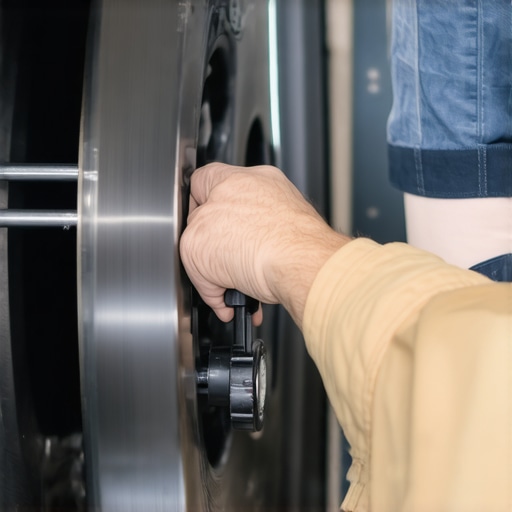 This ‘matching’ process is a lost art in many high-volume shops but is standard practice in precision auto repair. Have you tried indexing your rotors to solve a persistent vibration? Tell us about your results in the comments below.
Thermal Expansion and the Myth of Permanent Warpage
True warping—the physical permanent bending of the cast iron—is remarkably rare in modern ventilated rotors. What most drivers experience is a temporary thermal distortion. As the rotor heats up, the cooling vanes inside expand. If the cooling is uneven due to a blocked duct or a missing air deflector, one side of the rotor expands more than the other, causing a temporary ‘coning’ effect. Once the rotor cools down, it may return to its original shape, which is why some vibrations seem to disappear after a long highway cruise and reappear during heavy stop-and-go traffic. Understanding how brake cooling ducts prevent pedal fade is essential for anyone pushing their vehicle to its limits.
Stability Control Systems Demand More Than You Realize
In modern vehicle diagnostics, we must account for the silent partners in the braking system: Electronic Stability Control (ESC) and Torque Vectoring. Unlike traditional braking where the driver controls the pressure, these systems utilize the ABS pump to apply individual brake pulses to specific wheels to correct understeer or oversteer. This happens so rapidly that the driver often remains unaware. However, this ‘shadow braking’ creates significant thermal cycles on the rear rotors, which are typically smaller and less ventilated than the fronts. If you find your rear rotors developing DTV (Disc Thickness Variation) faster than the fronts, it is likely due to the aggressive intervention of these stability programs during spirited driving. 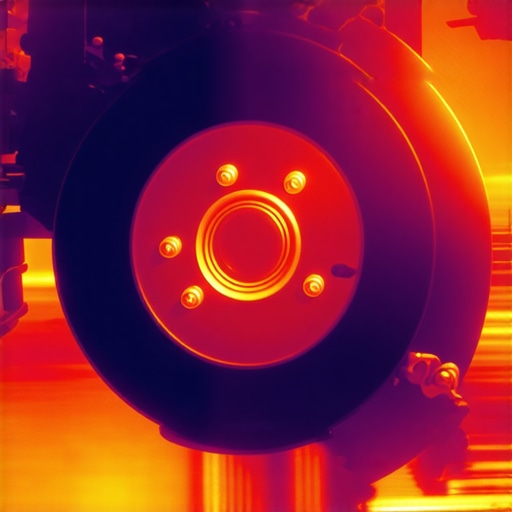 These localized heat spikes, if not managed by high-quality metallurgy, lead to the same cementite formation discussed previously, even if the vehicle is primarily used on highways.
High-Carbon Castings Kill the Noise Before It Starts
When selecting parts during a car service, the distinction between standard gray iron and high-carbon rotors is paramount for high-performance or heavy-duty applications. High-carbon rotors contain a higher percentage of carbon (often 3.6% to 3.9%), which significantly improves thermal conductivity and damping capacity. This means the rotor can move heat away from the friction surface more effectively, preventing the ‘hot spots’ that lead to pulsation. Furthermore, the enhanced damping properties of high-carbon iron absorb the high-frequency vibrations that we perceive as brake squeal. While a standard rotor might meet the basic dimensions, it lacks the internal structure to remain quiet under the extreme stress of modern transmission-braking assistance or heavy regenerative braking in electric vehicles.
Does Your Torque Vectoring System Eat Your Rear Pads Prematurely?
Many drivers of modern performance sedans and SUVs are surprised to find their rear pads worn to the metal while the fronts have 50% life remaining. This is a direct result of how the vehicle manages cornering. By ‘nibbling’ the inner rear brake during a turn, the car pivots more effectively. For technicians, this necessitates a more frequent inspection of rear caliper sliding pins and boot integrity. According to safety and performance standards outlined in Federal Motor Vehicle Safety Standard (FMVSS) No. 135, the hydraulic circuit must maintain incredible precision to manage these micro-applications. If there is any air or moisture in the system, the latency in these electronic pulses can cause jerky handling or uneven rotor wear that feels like a mechanical failure but is actually a hydraulic timing issue.
The Chemical Battle Between Aluminum Wheels and Iron Hubs
Expert-level auto repair requires an understanding of galvanic corrosion. When an aluminum wheel stays bolted to a cast-iron rotor for years, moisture and road salt act as an electrolyte, creating a microscopic layer of oxidation between the two surfaces. This corrosion creates a ‘high spot’ that mimics a warped rotor by pushing the wheel slightly out of true alignment with the hub. When you apply the brakes, the runout is amplified through the steering rack. Always ensure a thin, even layer of high-temperature anti-seize is applied to the hub face (while keeping it away from the lug studs) to prevent this chemical bonding. If you have ever experienced a vibration that only appears after a wheel rotation, you have likely encountered this exact phenomenon. Have you discovered a specific lubricant or cleaning technique that finally ended your battle with hub-face corrosion? We want to hear about your specialized shop hacks in the comments below.
Expert Insights & Advanced Considerations
Keep Your Rotor Temperature Delta in Check
True braking performance is often limited not by the pad’s bite but by the thermal delta between the inner and outer rotor faces. When cooling is obstructed, the inner face retains significantly more heat, leading to uneven expansion. This is where the hidden world of vehicle diagnostics becomes essential; monitoring brake temperatures with an infrared pyrometer after a spirited drive can reveal airflow imbalances before they manifest as steering wheel vibration.
Stop Searching for Warps and Start Measuring Cementite
If your rotors have developed blue spots, they have likely undergone a phase transformation into cementite. Because cementite is harder and less conductive than the surrounding gray iron, it wears at a different rate, creating a permanent pulsation that no amount of resurfacing can fix. This chemical reality is why checking your brake pads without removing the wheels is only a superficial step; a deep dive into the metallurgy is often required for persistent issues.
Aerodynamics Influence Your Braking Stability
Missing air dams or damaged fender liners are frequently overlooked causes of rotor failure. Without proper ducting, high-performance vehicles cannot shed heat effectively, causing localized ‘hot spots’ even during normal commuting. In the same way that transmission failures are often decoded by looking at fluid temperature, brake system longevity is dictated by how well the chassis manages airflow around the hubs.
#IMAGE_PLACEHOLDER_E#
Curated Expert Resources
SAE International Technical Papers (J2915): This is the gold standard for understanding the friction couple and thermal stability requirements for modern automotive disc brakes.
Brembo Technical Bulletins: Essential reading for professionals seeking the exact tolerances for hub runout and lateral distortion in high-performance applications.
NHTSA Brake System Standards: Provides the regulatory framework for hydraulic integrity and safety margins that every DIYer should understand.
Reliable Auto Cares Diagnostic Library: Specifically, the guide on how to diagnose a bad wheel bearing using only your ears helps isolate rotational noise from braking vibration.
Final Expert Perspective
Solving persistent brake vibration requires a shift in mindset from simple part replacement to comprehensive vehicle diagnostics. By focusing on the precision of the hub interface, the chemistry of the bedding process, and the integrity of the hydraulic fluid, you can eliminate the ‘warped rotor’ myth from your shop once and for all. If you have navigated complex chassis vibrations or found a unique way to verify hub runout, we invite you to contribute your expertise to our community. What is the most challenging vibration you have ever diagnosed? Share your story below or reach out to our team for specialized support.