High-Pressure Streams Obliterate Delicate Electrical Seals
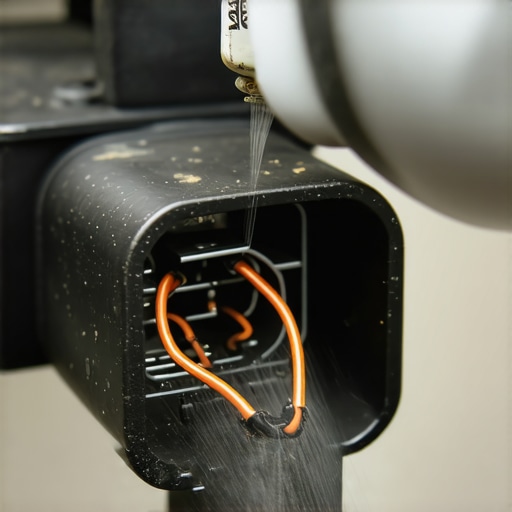
The modern engine bay is no longer just a collection of cast iron and rubber hoses; it is a sophisticated network of microprocessors, sensors, and delicate actuators. While a layer of dust might look unappealing, the structural integrity of your vehicle’s electronic architecture is far more valuable. Professional automotive technicians frequently encounter vehicles with mysterious intermittent faults—stuttering, stalling, or failure to shift—only to discover that the owner recently used a high-pressure wand at a car wash to ‘detail’ the engine. This aggressive approach to maintenance often necessitates complex vehicle diagnostics to trace shorts caused by moisture forced into supposedly ‘sealed’ environments. When water is driven into these components under extreme pressure, it circumvents the standard protection layers provided by the manufacturer, leading to long-term reliability issues.
High-pressure water is uniquely capable of bypassing the Weather-Pack or Metri-Pack connectors used in modern looms. These connectors are designed to resist splashing and ambient moisture, but they are rarely rated for the concentrated PSI delivered by a commercial pressure washer. Once water breaches these seals, it creates a bridge for corrosion, eventually leading to terminal fretting or complete signal loss. For instance, according to research shared by SAE International, moisture ingress remains one of the primary catalysts for early-onset electronic failure in automotive environments, particularly within the sensitive communication buses that link your engine and transmission. Even a single droplet in a CAN-bus connector can paralyze an entire vehicle.
Why do waterproof connectors fail under direct pressure?
The answer lies in the physics of gaskets and IP (Ingress Protection) ratings. Most automotive connectors are rated for IP67 or IP69K, which implies resistance to high-temperature spray, but the kinetic energy of a direct blast from a 3000-PSI nozzle exceeds the mechanical tension of the rubber grommets. The pressure essentially ‘lifts’ the edge of the seal, allowing water to enter the cavity. Once inside, the water becomes trapped by the very seals meant to keep it out, leading to electrolytic corrosion. If you suspect your vehicle is already suffering from these invisible issues, you should read about transmission failures decoded: signs and expert fixes to see if your symptoms match common water-damage patterns. This is often where a simple cleaning job turns into a nightmare for the owner and a challenge for the shop.
Protect Your Powertrain from Irreversible Moisture Ingress
Beyond the electrical loom, high-pressure water can damage the sensitive fins of your radiator or intercooler, reducing cooling efficiency. It can also force grease out of sealed bearings, such as those in the alternator or pulley idlers, which leads to premature mechanical wear. If you are serious about maintaining your vehicle’s longevity without risking an expensive trip for auto repair, shifting your cleaning methodology is mandatory. Instead of a pressure washer, learn the best way to clean your engine bay without damaging sensors by using low-pressure methods and targeted degreasers. This proactive care ensures that your sensors remain functional and your wiring remains dry.
Experts in car service recommend a ‘dry-first’ approach, using compressed air to remove loose debris before applying a gentle mist of water only where absolutely necessary. Have you encountered a persistent ‘Check Engine’ light after a deep clean? Share your experience with our community of specialists or browse our diagnostic guides to find a permanent solution to your electrical gremlins.
Don’t Let Your Air Intake Become a Straw
One of the most overlooked hazards of engine bay detailing is the proximity of high-pressure water to the air induction system. While the air box is designed to prevent rain and splash-back from entering the combustion chamber, it is remarkably vulnerable to a concentrated jet of water. If moisture is forced past the filter media, it can saturate the paper or fabric, significantly restricting airflow and causing a rich-running condition. More dangerously, water droplets that make it past the filter can coat the Mass Air Flow (MAF) sensor. This delicate component relies on a heated wire to measure air density; any sudden thermal shock or contamination from mineral-heavy tap water can lead to erratic idling or limp-mode activation. Learning how to clean a mass air flow sensor without damaging the hot wire is a critical skill for any DIY enthusiast who has over-applied cleaning agents or water in this sensitive area.
Can a saturated air filter actually mimic a failing fuel pump?
To an untrained ear, the symptoms of a water-logged air intake system are strikingly similar to fuel delivery issues. When the engine struggles to pull air through a damp filter, it creates a bogging sensation during acceleration, much like the hesitation found when 3 signs your fuel pump is dying begin to manifest. The ECU tries to compensate for the lack of oxygen by adjusting fuel trim, often resulting in a misfire that feels mechanical rather than environmental. If you have recently cleaned your engine and notice the vehicle struggling to climb hills or maintain steady RPMs, check the air box before assuming the worst about your fuel system. Professional data from automotive engineering studies, such as those published by Car and Driver, highlights that modern engine management systems are so sensitive that even a 10% deviation in intake pressure can trigger significant performance derating.
Why Your Drive Belts Squeal After a Deep Clean
It is a common scenario: you finish detailing the engine, turn the key, and are met with a piercing shriek from the front of the motor. High-pressure water and aggressive degreasers are excellent at removing oil, but they also strip the necessary surface tension and lubricants from the serpentine belt and its pulleys. When water gets trapped between the belt ribs and the pulley grooves, it acts as a lubricant where you least want it, causing the belt to slip. This is especially prevalent when the compressor engages; if you find that your car only squeals when the air conditioning is on post-cleaning, it is a sign that your belts are struggling for grip. In some cases, the degreaser can even penetrate the seals of the tensioner bearing, washing out the factory grease and leading to a permanent mechanical rattle that no amount of ‘belt dressing’ can fix.
The Invisible Damage of Trapped Degreaser
While water is the immediate threat, the chemical residue left behind by heavy-duty degreasers poses a long-term risk to rubber and plastic components. If not thoroughly rinsed with low-pressure water, these alkaline or solvent-based cleaners can dry on vacuum lines and coolant hoses, causing them to become brittle and crack over time. These micro-cracks lead to the very ‘vacuum leaks’ that drive mechanics crazy during troubleshooting. If your dashboard begins to display a litany of codes after a wash, using the $20 scan tool that actually finds hidden transmission codes can help you determine if the issue is a simple sensor fault or a deeper communication error. For those facing persistent battery drain issues caused by moisture in the fuse box, knowing how to find a parasitic battery drain with a $15 multimeter is the most efficient way to isolate the circuit that didn’t take kindly to the bath. If you’ve noticed a strange hum or a drop in performance after your last wash, leave a comment below—our technicians are happy to help you narrow down the source.
Why Alternators Can’t Handle a Direct Blast
While many car owners worry about the spark plugs, the alternator remains one of the most exposed components under the hood. Unlike the engine block, an alternator is designed with open-air vents to dissipate the immense heat generated by the rectifiers and copper windings. When you direct a high-pressure stream into these vents, you aren’t just cleaning; you’re injecting a slurry of water and dislodged grit directly onto the carbon brushes and slip rings. This grit acts as an abrasive, accelerating wear on the brushes and potentially creating a conductive path that leads to internal electrical shorts. Even if the car starts immediately after the wash, the residual moisture trapped within the tightly wound copper can trigger galvanic corrosion, slowly eating away at the stator’s efficiency until you are stranded with a dead battery weeks later. 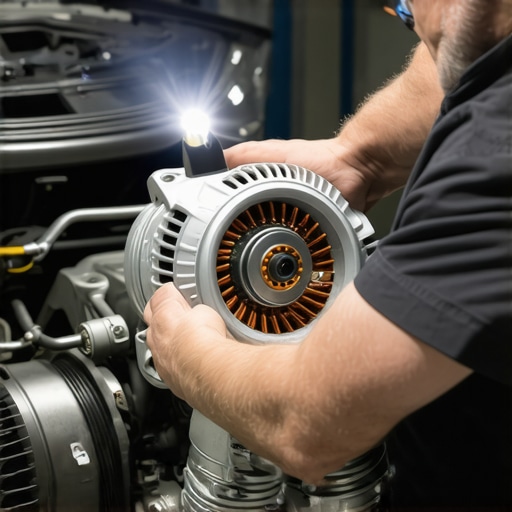
Does steam cleaning actually protect sensitive electronics better than cold water?
The debate between steam and cold water detailing often ignores the principle of thermal shock. While steam uses significantly less volume, the high temperature can cause rapid expansion of plastic connector housings and rubber seals. When these materials expand at different rates, the temporary gap is all that’s needed for vapor to penetrate. Once that vapor cools, it condenses back into liquid water inside the sensor housing. According to the ISO 20653 standard, which defines the ‘IP’ protection classes for road vehicles, even components rated for high-pressure steam (IPX9K) are tested under controlled distances and angles that the average DIYer rarely respects. If you’re dealing with an older vehicle, the risk of cracking brittle, heat-cycled plastics with a sudden burst of high-temperature steam is a gamble that rarely pays off for the sake of aesthetics.
Protect Your Stopping Power from Moisture Seepage
The hydraulic control unit (HCU) of your ABS system is a masterpiece of precision engineering, often tucked away in a corner of the engine bay that collects runoff. While it appears robust, the multi-pin connector that feeds data from the wheel speed sensors to the HCU is a frequent victim of water intrusion. A single micro-amp deviation caused by moisture-induced resistance can lead the ECU to believe a wheel has locked up, triggering the ABS system unnecessarily or disabling it entirely. This is a prime example of why ‘clean’ doesn’t always mean ‘functional.’ If your dashboard looks like a Christmas tree after a wash, you’ve likely disturbed the delicate balance of these electrical signals. Furthermore, brake fluid is naturally hygroscopic, meaning it actively attracts and absorbs moisture from the air. If you are cleaning around the master cylinder and some of that pressurized water bypasses a worn reservoir cap seal, you are effectively lowering the boiling point of your brake fluid. This can lead to dangerous brake fade or a ‘spongy’ pedal feel under heavy load. If your pedal hasn’t felt the same since your last ‘deep clean,’ it might be time for a full system flush. If you’re noticing a soft pedal or an intermittent ABS light, don’t ignore it. Check out our guide on bleeding brakes the right way to ensure no air or moisture remains in your lines.
Thermal Stress on the Engine Block and Manifolds
The physical stress of cold water meeting a warm engine block is another factor that professional detailers handle with extreme caution. Modern engines utilize a variety of alloys that expand and contract at different rates. If you spray cold, high-pressure water onto a hot exhaust manifold, you risk creating hairline fractures in the metal or snapping the studs that hold the manifold to the head. This thermal shock is particularly dangerous for turbocharged engines, where the turbo housing can reach temperatures exceeding 1,000 degrees Fahrenheit. The sudden quench from a garden hose or pressure wand can warp the housing, leading to oil leaks or catastrophic turbine failure. Beyond the metal components, the sudden temperature drop also affects the plastic cooling system components, such as the radiator end tanks and the expansion tank, which are already under pressure. The structural integrity of these plastics degrades over thousands of heat cycles, and a sudden thermal shock can be the final straw that causes a seam to burst. Keeping the engine running or waiting for it to reach ambient temperature is a requirement, not a suggestion, for anyone attempting a bay detail. Even then, the latent heat stored in the heavy cast iron of the block remains a risk for several hours after the vehicle has been turned off.
Why Coil-on-Plug Systems Fail After Detailing
While the plastic beauty cover might shed water efficiently, the wells housing your coil-on-plug (COP) ignition units are notorious for trapping moisture. When water enters these deep recesses, it cannot easily evaporate. As the engine reaches operating temperature, this trapped liquid turns into steam, which is far more pervasive than liquid water. This vapor can penetrate the silicone boots of the ignition coils, causing a dielectric breakdown. Once the insulation is compromised, the high-voltage current finds a path of least resistance to the cylinder head rather than the spark plug, leading to a persistent and frustrating misfire. If you have recently cleaned your engine and noticed a rough idle, our guide on vehicle diagnostics for engine misfires provides a step-by-step approach to isolating which coil has succumbed to moisture.

Oxidation Sabotages Your Vehicle’s Grounding Network
Modern vehicle electronics rely on clean, low-resistance paths to the chassis for stable operation. These grounding points are often located in areas prone to runoff. When you apply aggressive degreasers, they can seep behind the grounding eyelet, initiating a chemical reaction that accelerates oxidation. Over time, this creates a ‘floating ground’ where the voltage potential fluctuates wildly. For the sophisticated sensors used in transmission repair and engine management, even a 0.5-volt variance can cause the ECU to enter a fail-safe mode. These ‘ghost’ electrical problems are among the most difficult to diagnose, often requiring the use of high-end oscilloscopes to detect the rapid signal noise that results from a poor ground connection.
Can high-pressure water cause permanent damage to a hybrid’s high-voltage system?
The short answer is yes, and the consequences are significantly more dangerous than on a traditional internal combustion engine. Hybrid and electric vehicles utilize bright orange high-voltage cabling that is rigorously sealed against the elements. However, a concentrated 3,000-PSI blast can breach the seals of the inverter housing or the battery’s service disconnect. Once moisture bridges a high-voltage circuit to the chassis, the vehicle’s insulation monitoring system will permanently disable the drivetrain to prevent electrocution. According to technical bulletins from Pico Technology, diagnosing these high-impedance shorts requires specialized insulation testers that many DIY enthusiasts simply do not possess. If you drive a hybrid, the ‘gentle touch’ isn’t just about preserving the paint—it’s a critical safety protocol.
Micro-Corrosion and the Silent Death of Signal Integrity
The most insidious damage doesn’t happen the day you wash the car; it happens weeks later. This is known as capillary action, where water is pulled into the smallest gaps between wires and their insulation. This moisture, often carrying dissolved minerals or cleaning agents, begins a slow process of green-crust corrosion (verdigris) inside the harness. This increases the wire’s resistance, leading to signal attenuation. If your car has started acting ‘glitchy’ after a detailed cleaning, you might be experiencing the early stages of harness failure. To stay ahead of these issues, consult our tips on seamless vehicle maintenance to learn how to clean sensitive areas with anhydrous contact cleaners rather than water. If you’ve ever dealt with an electrical gremlin that seemed to fix itself and then return, we want to hear about it. Leave a comment below with your vehicle’s symptoms, and let our community of experts help you find a permanent fix.
Expert Insights & Advanced Considerations
Why Dielectric Grease is Your Best Defense Against Capillary Action
Professional technicians understand that moisture doesn’t just enter a connector; it migrates through the wiring harness via capillary action. Applying a high-quality dielectric grease to the mating surfaces of weather-sealed connectors provides a secondary hydrophobic barrier that high-pressure water cannot easily displace. This is a standard preventative measure during high-level car service to ensure that even if a seal is momentarily breached, the terminals remain isolated from electrolytic fluids.
Switch to Anhydrous Solvents for Sensitive Circuit Cleaning
If you must clean around delicate sensors or the fuse box, abandon water-based degreasers entirely. Automotive electrical specialists prefer anhydrous (water-free) contact cleaners which evaporate instantly without leaving a conductive residue. This prevents the ‘green crust’ corrosion that often occurs weeks after a traditional engine wash. For those already tracking down intermittent signals, utilizing the $5 tool for finding electrical shorts in minutes can help isolate where previous cleaning attempts may have compromised the loom.
Use Thermal Imaging to Spot Hidden Moisture Shorts Before They Fail
An advanced diagnostic technique involves using a thermal imaging camera after a cleaning session while the engine is running. Moisture trapped in a connector often creates a high-resistance bridge, which generates localized heat. By scanning the harness, you can identify these ‘hot spots’ before they lead to a catastrophic failure or trigger a complex round of vehicle diagnostics. This preemptive approach is what separates a DIY detailer from a master technician.
#IMAGE_PLACEHOLDER_E#
Curated Expert Resources
- Pico Technology Library: A world-class resource for understanding deep-level waveform analysis and how moisture-induced noise affects CAN-bus communication.
- ISO 20653 Documentation: The definitive guide to Ingress Protection (IP) ratings for road vehicles, providing the mechanical limits of automotive seals.
- SAE International Technical Papers: Academic-grade research on the long-term effects of chemical degreasers on automotive polymer degradation.
- Diagnostic Tool Insights: For a deeper look into the hardware side of repairs, the $30 tool that lets you see inside your engine offers a borescope view into hidden recesses where water often pools.
Final Expert Perspective
The transition from mechanical reliability to electronic complexity means that the traditional ‘garden hose and degreaser’ approach is now a high-risk gamble. Maintaining a pristine engine bay should never come at the cost of your powertrain’s digital integrity. By shifting your focus toward low-moisture cleaning and utilizing professional vehicle diagnostics at the first sign of trouble—such as why your ABS light comes on every time it rains—you ensure your car remains both aesthetically clean and mechanically sound. If you have questions about specific sensor protections or have encountered a unique electrical fault after a wash, share your findings in the comments below. Our technical community is here to provide the precise answers needed to keep your vehicle on the road and out of the diagnostic bay.