Maintaining a pristine engine bay is far more than a pursuit of aesthetic vanity; it is a fundamental practice in professional-grade car service and proactive auto repair. From an engineering perspective, a clean engine environment facilitates superior thermal dissipation and allows for the immediate identification of emerging fluid leaks that might otherwise be masked by layers of grime and road salt. However, the transition from traditional mechanical systems to high-complexity electronic architectures means that a simple garden hose can now cause thousands of dollars in damage. Modern vehicle diagnostics rely on a delicate web of sensors and microprocessors that are susceptible to hydrostatic shock and terminal corrosion if handled improperly. To clean an engine effectively, one must think like a technician, prioritizing the integrity of the electrical bus over the shine of the plastic covers.
Stop Blasting Your ECU: The Delicate Art of Safe Engine Detailing
The primary risk during engine cleaning is moisture intrusion into sealed connectors and control modules. While many modern harnesses are rated for weather resistance, they are rarely designed to withstand the concentrated force of a pressure washer. Professionals often witness transmission failures decoded as simple sensor short-circuits caused by aggressive cleaning. Before introducing any liquid, it is imperative to wrap sensitive components—such as the alternator, fuse box, and aftermarket air intakes—in heavy-duty plastic or aluminum foil. This physical barrier is the first line of defense against the ingress of degreasers that can strip dielectric grease from critical pins. If you are unsure about the location of these components, exploring the hidden world of vehicle diagnostics can provide clarity on where your car’s most vulnerable processors reside.
How Do You Protect Open Intake Tracts and Alternator Windings?
The alternator is particularly vulnerable because its internal copper windings and brushes require airflow for cooling, making them inherently open to the environment. When cleaning, avoid direct spray in this area. Instead, use a localized approach with a detailing brush and a pH-neutral cleaner. For those dealing with specific performance issues, knowing how to clean your mass air flow sensor is a critical skill, as this component is exceptionally sensitive to oils and cleaning residues that can cause a rough idle or lean-burn conditions. According to technical guidelines from the National Institute for Automotive Service Excellence (ASE), maintaining the integrity of sensor signals is paramount to vehicle longevity. You can learn more about professional standards at ASE.com.
Targeted Degreasing That Spares Your Rubber Components
Not all degreasers are created equal. Solvent-based cleaners can cause premature swelling and cracking of EPDM rubber hoses and serpentine belts. An expert approach involves using water-based, biodegradable degreasers that break down carbonized oil without attacking the polymers. Apply the cleaner to a cool engine—never a hot one—to prevent the chemical from flashing and leaving permanent etch marks on aluminum components. For those looking to refine their maintenance routine, consider reviewing top auto repair techniques every car owner should know to ensure your cleaning habits align with mechanical best practices. After the degreaser has dwelled, use a low-pressure mist to rinse, followed immediately by compressed air to blow standing water out of spark plug wells and electrical connectors where capillary action might draw moisture inward.
Professional Insight: If you find that your car exhibits strange behavior after a cleaning session, such as a hesitation during acceleration, it may be time to consult an expert regarding transmission troubles and proven repairs to ensure no moisture has compromised your shift solenoids.
Standing water is the silent killer of modern ignition systems. Even after a careful rinse, droplets often congregate in the deep recesses of the cylinder head, particularly around the spark plug wells. If these areas are not dried completely, the heat from the engine can turn that water into steam, forcing moisture into the high-voltage boots and causing a dreaded misfire. This is why you must avoid air-drying alone.
Ditch the Towel and Use Forced Air Instead
Instead of relying solely on towels, utilize a dedicated car dryer or an electric leaf blower to drive moisture out of every electrical pigtail and connector housing. This mechanical displacement of water is far more effective than evaporation, as it clears paths for oxygen to reach metal pins before oxidation begins. Furthermore, a clean bay makes it much simpler to identify a dying alternator, as you can clearly see the condition of the copper windings and cooling fins without a layer of grease obstructing the view. Focus the air on the alternator casing and the battery terminals to ensure no conductive residue remains between the posts.
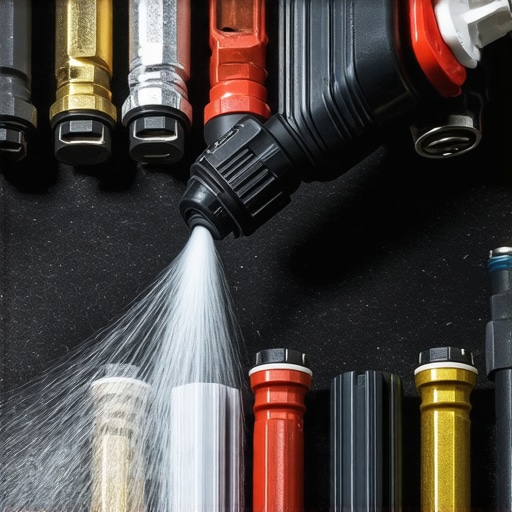
Can You Spot a Dying Valve Cover Gasket After the Grime is Gone?
The most significant benefit of a surgically clean engine is the diagnostic clarity it provides. When an engine is coated in a decade of oil mist and road film, pinpointing the source of a slow leak is nearly impossible. Once the surface is decontaminated, you can observe the first signs of fresh seepage from the upper head. If you notice oil pooling near the flange, you may need to learn how to fix a leaky valve cover gasket in under an hour before the problem escalates. This proactive approach prevents oil from saturating coolant hoses or dripping onto hot exhaust manifolds, which poses a significant fire risk and leads to expensive auto repair bills later on.
Stop Chemical Corrosion from Sabotaging Your Ground Points
While degreasers are excellent for removing sludge, they can be surprisingly aggressive toward the critical ground points that complete your car’s electrical circuits. Modern vehicle diagnostics are highly sensitive to voltage drops; even a single corroded ground can trigger a cascade of ‘ghost’ fault codes in the ECU. After cleaning, many professionals apply a light coating of dielectric grease to these points to ensure the metal-to-metal contact remains uncompromised. The **Car Care Council** notes that neglected engine maintenance, including the buildup of corrosive residues, is a leading contributor to premature component failure. For more insights on standardized maintenance intervals, visit their resource center at CarCare.org. Protecting these pathways is just as vital as the cleaning itself.
If you have noticed a sudden drop in efficiency after a deep clean, it might be unrelated to your detailing—check out our guide on the real reason your gas mileage suddenly dropped to find the true culprit. What is your go-to method for keeping a clean engine? Share your tips in the comments or read our expert auto repair tips for 2025 for more professional secrets.
Stop Heat Soak from Robbing Your Performance
While improving your fuel economy involves several mechanical factors, the physical temperature of your engine bay plays a surprisingly significant role in overall performance. Most drivers view a layer of grime as a purely cosmetic issue, but in the world of high-complexity vehicle diagnostics, dirt is recognized as a thermal insulator. When layers of oily dust coat aluminum components—like the cylinder head or the transmission cooler—they act as a thermal blanket, trapping heat that should be dissipated into the passing air. This phenomenon, known as heat soak, can lead to reduced ignition timing as the ECU attempts to prevent knock, ultimately robbing you of the power and efficiency you expect from a professional car service.
Does a Dirty Engine Actually Run Hotter?
Yes, though the difference may not always show on your dashboard temperature gauge. Modern cooling systems are robust, but they can be forced to work harder when the engine block is encased in a thick sludge of grease and road debris. This increased thermal load puts additional strain on your cooling fans and water pump. By maintaining a clean surface, you allow for more efficient radiant heat loss. Technical studies published by Motor Magazine highlight that modern engine plastics and alloys are engineered for specific heat-deflection temperatures, which can be compromised if surface contaminants lead to uneven thermal expansion across different material interfaces. Keeping these surfaces bare ensures the factory-engineered thermal management works as intended.
Keep Your Plastic From Cracking Under Pressure
Thermal cycling is the silent enemy of every plastic clip, hose, and cover under your hood. Over time, the constant shift from ambient temperature to 200°F causes polymers to lose their plasticizers, leading to the dreaded ‘brittle plastic’ syndrome. When you perform auto repair on an older vehicle, the risk of breaking a connector is significantly higher if the plastic has been neglected. Once the engine is clean, applying a water-based, non-silicone dressing is essential. Unlike old-fashioned ‘tire shines’ that contain heavy silicones, professional-grade water-based protectants penetrate the pores of the plastic to restore flexibility without creating a sticky residue that attracts dust. Before you start any deep cleaning, it’s wise to ensure your electrical health is sound; identifying a dying alternator early can save you from a major breakdown during your next test drive.
Trace Micro-Leaks with UV Fluorescence
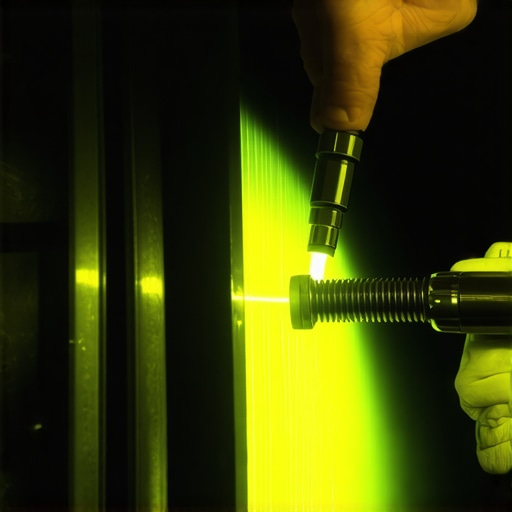
One of the most sophisticated reasons to maintain a clean engine bay is the ability to use ultraviolet (UV) leak detection effectively. On a grimy engine, a small coolant or oil leak will simply soak into the existing sludge, making it impossible to see until a puddle forms on your driveway. However, in a decontaminated bay, you can introduce a UV-reactive dye into the suspect system. By running the engine for a short period and then inspecting the area with a high-output 365nm blacklight, even the smallest ‘weeping’ gaskets will glow with a neon brilliance. This allows for surgical precision in your repairs, ensuring you only replace what is actually failing. If you’ve already mastered the basics, seeing expert auto repair tips for 2025 can help you integrate these detailing habits into a broader maintenance strategy. The chemistry of these dyes is specifically calibrated to remain in suspension without affecting the lubricity or the pH balance of the host fluid, but the light spectrum required to see them is narrow, often necessitating the use of specialized yellow-tinted glasses to filter out the blue-light noise.
Beyond the visual clarity of a UV-tested engine bay lies the invisible challenge of electrical resistance. Over years of operation, micro-layers of conductive dust can bridge the gap between high-tension wires and the chassis, leading to parasitic draws that even the best vehicle diagnostics struggle to pinpoint. This phenomenon, often referred to as surface tracking, can cause intermittent misfires that disappear in dry weather but return with the slightest humidity. By meticulously cleaning the ignition coils and the surrounding cylinder head casting, you eliminate the path of least resistance for stray current, ensuring that every millijoule of energy reaches the spark plug gap rather than dissipating into a layer of oily grime.
Shield Your Grounding Points from the Creeping Threat of Galvanic Corrosion
The chemistry of an engine bay is a volatile mix of heat, moisture, and dissimilar metals. When technicians perform a professional car service, they often find white rust or aluminum oxide blooming around steel fasteners. This isn’t just a cosmetic blemish; it is evidence of a galvanic cell. Without regular decontamination, these oxidized layers increase the impedance of the vehicle’s primary ground straps. In modern computer-controlled cars, even a 0.2-volt drop at a ground point can cause the ECU to misinterpret sensor data, leading to unnecessary and expensive auto repair attempts. Clean metal-to-metal contact is the bedrock of a stable electrical architecture.
How Does Surface Contamination Impact the Precision of Hybrid Cooling Loops?
In the realm of hybrid and electric vehicles, cleanliness is a matter of safety and efficiency. The high-voltage inverter coolant loops rely on sensors that are calibrated to extreme tolerances. A buildup of road salt around these high-voltage connections can lead to leakage current, where the car’s onboard insulation monitoring system might trigger a safety shutdown of the entire powertrain. Professional standards developed by SAE International (The Society of Automotive Engineers) emphasize that maintaining the cleanliness of high-voltage component housings is critical to preventing insulation breakdown over the vehicle’s lifecycle. You can dive deeper into these engineering standards at SAE.org to understand why modern service manuals are becoming increasingly strict about under-hood hygiene.

Reclaim Your Runoff to Protect the Local Watershed
Responsible engine detailing involves more than just a pressure washer; it requires an awareness of environmental impact. The slurry of oil, heavy metals, and surfactants that leaves your engine bay during a deep clean is classified as hazardous waste in many jurisdictions. Experts utilize containment mats and specialized vacuums to capture this runoff, preventing it from entering storm drains. This professional-grade approach not only keeps you in compliance with local EPA regulations but also ensures that your hobby doesn’t become an ecological liability. After you’ve secured the environment, why not secure your car’s future performance? Explore our latest expert auto repair tips for 2025 to learn how a clean engine integrates into a total vehicle health plan. What is your strategy for managing detailing runoff in your home garage?
Expert Insights & Advanced Considerations
Dielectric Grease is More Than a Spark Plug Lubricant
Seasoned technicians know that every ground point and connector disturbed during a deep clean requires a barrier against atmospheric moisture. Applying a thin layer of dielectric grease to ground pins prevents the microscopic oxidation that leads to ‘ghost’ fault codes. If you encounter these errors after detailing, exploring the hidden world of vehicle diagnostics is essential to understand how low voltage signals are compromised by minute electrical resistance.
Avoid the Trap of Silicone-Based Engine Dressings
Many amateur detailers use heavy silicone-based sprays to achieve a high-gloss, showroom-new look. This is a strategic error. Silicone acts as a dust magnet and can actually trap heat on plastic surfaces, accelerating the degradation of vacuum lines. Use water-based protectants to ensure the polymers stay flexible without becoming a sticky dirt collector. This keeps your choosing the right car service for seamless vehicle maintenance routine focused on engineering longevity rather than just cosmetic shine.
A Clean Block Reveals Hidden Transmission Stress
Heat is the primary catalyst for fluid breakdown in automatic gearboxes. A clean engine block and radiator stack facilitate maximum airflow, which indirectly maintains lower temperatures for the transmission cooler. If you still notice shifting issues despite a clean bay, you might need to stop that transmission shudder for good with this $18 filter change to ensure internal hydraulic pressures are correct.
#IMAGE_PLACEHOLDER_E#
Curated Expert Resources
SAE International Technical Papers
This is the definitive engineering source for the thermal and chemical resistance standards of modern under-hood components. It is where experts go to understand material limits.
ASE Training Modules
The National Institute for Automotive Service Excellence provides the industry-standard benchmarks for technician competency and safe fluid handling protocols.
Motor Magazine Technical Archives
An invaluable resource for deep dives into how environmental contaminants lead to electrical sensor failure and parasitic battery draws.
The Long-Term Value of Under-Hood Hygiene
Maintaining a surgically clean engine bay is a high-level strategy for vehicle longevity. It bridges the gap between aesthetic vanity and rigorous auto repair practices. By removing corrosive contaminants, you ensure that your vehicle diagnostics are accurate and your car service intervals are far more effective at catching minor issues before they become catastrophic failures. If you have encountered unexpected engine behavior after a deep clean, such as a rough idle, consult our guide on the main reason your car hesitates when you step on the gas to determine if a sensor has been compromised. What professional detailing challenges have you encountered? Share your technical experiences in the comments or reach out via our contact page for more advanced maintenance advice.