Why Modern Gaskets Create a Chemical Bond Over Time
In the realm of professional auto repair, few things are as deceptively simple yet frustrating as a seized oil filter. This phenomenon often occurs due to ‘dry’ installation—where the technician fails to lubricate the rubber gasket—or through extreme thermal cycles that essentially vulcanize the seal to the engine block. While vehicle diagnostics can identify internal wear, physical components like the filter require a more tactile, nuanced approach. Expert-level maintenance demands an understanding of the surface tension and vacuum pressure created within the canister. According to technical standards from organizations like the Car Care Council, improper filtration maintenance can lead to catastrophic pressure drops, highlighting why a successful removal is critical for vehicle longevity.
Can You Safely Use the Screwdriver Method Without Damaging the Engine Block?
The infamous screwdriver through the canister trick is a point of heated debate in professional circles. While it provides immense torque, the risk of tearing the thin metal housing or, worse, marring the threaded stud on the engine block is high. If you find yourself in this position, you must ensure the puncture is made as far from the threads as possible to maintain structural integrity. For those concerned about internal cleanliness after such a procedure, knowing how to tell if your mechanic actually changed your oil filter can provide peace of mind that the job was finished correctly. If you encounter metal shavings during this process, it may be time to consider deeper transmission or engine inspections during your next car service.
Improvised Leverage When Your Wrench Fails
When specialized tools are absent, professional-grade results come from utilizing high-friction materials. Wrapping a thick leather belt or a strip of heavy-grit sandpaper around the canister creates the necessary bite to break the initial seal. This approach mimics the function of a strap wrench without the specialized hardware. It is important to remember that most filters are overtightened during the previous car service; they only require being hand-tight plus a quarter turn. If you notice your engine seems to be struggling even after a fresh change, investigate the hidden reason your engine is consuming oil to rule out PCV or ring issues. Precision in these small tasks prevents the need for more invasive auto repair later.
A Critical Step for Your Next Oil Change
To avoid a repeat of this scenario, always apply a thin film of fresh oil to the new gasket and verify the old gasket did not stick to the block—a double gasket will cause an immediate, high-pressure leak. Once the new filter is secured, don’t forget to reset your oil life monitor to maintain an accurate service schedule. If you are noticing other performance dips, such as gear hesitation, you might want to explore our deep dive into transmission troubles and proven repairs. Have you developed your own foolproof method for stubborn parts? Share your professional insights with our community to help other enthusiasts maintain their vehicles with precision.
Hidden Fail-Safes Within the Oil Filtration System
Understanding the internal architecture of a spin-on filter reveals why a seized component is more than just a logistical headache—it is a potential threat to your engine’s lubrication flow. Most high-quality filters contain a bypass valve designed to open when the pressure differential across the element becomes too high, ensuring the engine isn’t starved of oil if the media is clogged. However, if a filter is so old that it has fused to the block, there is a high probability that this valve is either stuck or permanently open, allowing unfiltered oil to circulate. If you have successfully removed a stuck filter but still hear rhythmic ticking from the top end, it may be time to try the simple trick to quiet a noisy lifter before assuming mechanical failure.
Why Does Your Oil Pressure Light Stay On After a Fresh Filter Install?
It is a moment of panic for any DIYer: you’ve finally replaced a stubborn filter, filled the sump, and the red oil light refuses to extinguish. This usually occurs because of an air pocket trapped within the new filter or a faulty anti-drainback valve in a budget-grade replacement. Professionals often ‘pre-fill’ filters that sit vertically to minimize this dry-start period. According to the SAE International J185 standards, the flow rate of a filter must meet specific criteria to prevent such pressure drops. If you are tracking down intermittent electrical gremlins alongside your oil issues, you might also want to learn how to test your car battery with a simple headlight trick to rule out voltage drops affecting your dashboard sensors.
Avoid the Heat Trap with Proper Gasket Preparation
The primary reason a filter becomes inseparable from the engine block is a combination of thermal expansion and chemical vulcanization. When a dry rubber gasket is subjected to thousands of heat cycles, it essentially bonds to the aluminum or cast-iron mating surface. To prevent this, a pristine environment is necessary during installation. While you are working under the hood, taking the time to learn the best way to clean your engine bay without damaging sensors can help you identify small oil seeps before they turn into major leaks. A clean mating surface ensures that the next removal will be effortless, requiring only a standard wrench rather than a pry bar and desperation.
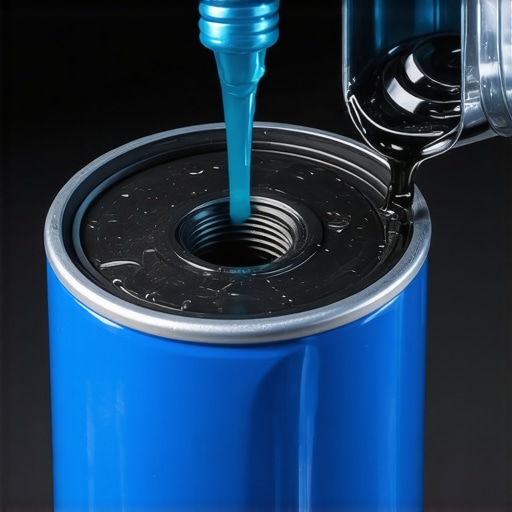
Before you spin on that next replacement, take a moment to inspect the filter housing for old gasket remnants or metal burrs. Utilizing the $30 tool that lets you see inside your engine, such as a flexible borescope, allows you to verify that the oil galleries are clear and the threads are undamaged. This preventative step is what separates a quick oil change from a professional-grade car service. If you found these technical insights helpful, consider sharing this guide with your local car club or leaving a comment about the toughest part you’ve ever had to remove from your vehicle during a routine maintenance session.
Break the Seal with Controlled Kinetic Impact
When brute force fails, physics offers a more elegant solution. The vacuum lock created by a dry gasket can often be disrupted by introducing harmonic vibrations into the metal canister. By using a dead-blow mallet or a soft-faced hammer to gently tap the bottom rim of the filter at a 45-degree angle, you can induce microscopic shifts in the gasket’s seating. This isn’t about denting the housing; it’s about breaking the stiction—that stubborn static friction that prevents the initial rotation. During a standard car service, technicians often forget that metal-on-metal components under heat create a semi-permanent bond. If this method doesn’t yield results, you might be dealing with more than just a tight seal; internal sludge buildup could be the culprit. Understanding how to tell if your engine is sludged up without taking it apart can help determine if the seizure is symptomatic of broader neglect.
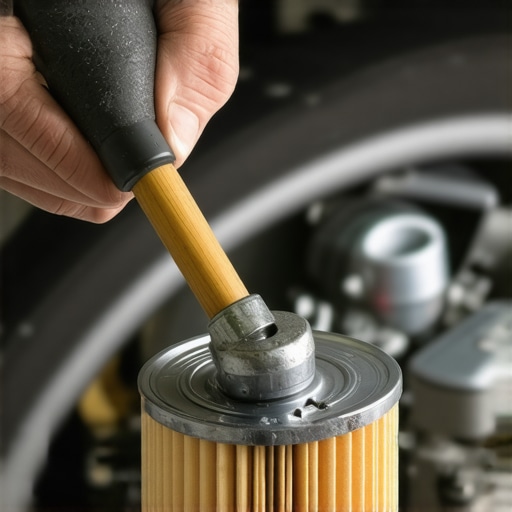
Can a High-Heat Blowtorch Actually Free a Seized Filter?
Using a propane or MAPP gas torch is a common last-resort tactic in auto repair shops, but it requires surgical precision. The goal is to expand the outer canister slightly faster than the threaded stud of the engine block. However, the proximity of plastic sensors, rubber hoses, and volatile fluids makes this incredibly hazardous for the uninitiated. Professionals typically apply heat only to the very base of the filter, near the flange, for no more than 15-20 seconds before attempting another turn with a strap wrench. According to technical safety guidelines from the National Fire Protection Association (NFPA), any use of open flames near automotive fuel systems must be accompanied by active fire suppression tools. If you are hesitant about using heat, performing vehicle diagnostics to ensure your cooling system is functioning correctly is a safer way to manage engine temperatures during operation. For those dealing with recurring component failures, knowing how to diagnose a faulty fuel pump without expensive tools might reveal similar thermal-related issues in your fuel delivery system.
The Critical Role of Flange Surface Integrity
Once the filter is finally off, the real work of auto repair begins. Inspecting the mounting flange for pitting or ‘galvanic corrosion’ is a step many skip to their later regret. If the aluminum block has reacted with the steel of the filter, the surface will be uneven, leading to microscopic leaks even with a new, lubricated gasket. Using a lint-free cloth and a specialized degreaser to mirror-clean the surface is non-negotiable. If you notice deep scratches on the mating surface, you may need a fine-grit abrasive pad to gently level the area. This level of detail is what differentiates a backyard oil change from a professional car service. While you have the underside of the vehicle exposed, it’s the perfect time to check your transmission fluid the right way to ensure your entire drivetrain is in peak condition. Precision at this stage prevents the ‘weeping’ leaks that often plague vehicles months after a service. Have you ever encountered a mating surface so damaged it required professional resurfacing? Share your most difficult extraction stories with us and join the community discussion on advanced DIY maintenance.
Why Does the Thread Pitch Matter More Than the Filter Size?
It is a common mistake to assume that if a filter spins on, it fits. Different manufacturers use varied thread pitches, such as 3/4″-16 or M20x1.5. Forcing a filter with the wrong pitch can cross-thread the engine’s permanent stud, turning a simple maintenance task into a multi-thousand dollar auto repair nightmare. Always cross-reference the part number against the vehicle’s VIN rather than relying on visual similarity alone. This becomes even more critical when performing vehicle diagnostics on high-mileage imports where previous owners may have modified the mounting hardware.
When the Canister Body Shears from the Base Plate
In the most extreme cases of auto repair neglect, the thin metal walls of an oil filter canister can actually shred under the torque of a heavy-duty strap wrench, leaving only the circular base plate stuck firmly against the engine block. This nightmare scenario requires a transition from brute force to surgical precision. At this stage, the task shifts to utilizing the small drainage holes within the filter’s base plate as leverage points. By inserting a high-carbon steel punch or a blunt-nose chisel into one of these peripheral holes, you can apply tangential pressure to ‘walk’ the plate counter-clockwise. This method relies on controlled kinetic energy rather than constant tension, which is often more effective at breaking the static friction of a vulcanized rubber seal. If you suspect that internal engine conditions contributed to this seizure, performing vehicle diagnostics to check for high-temperature spikes in the past is a prudent next step.
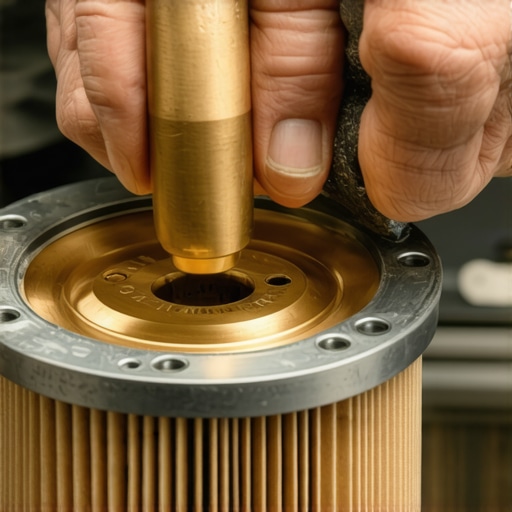
Can You Safely Use a Cold Chisel to Rotate a Seized Flange?
Using a chisel on an engine block is a high-stakes maneuver that demands a steady hand and a deep understanding of metallurgy. The primary risk is slipping and marring the aluminum housing or damaging the central threaded stud that the filter mounts onto. Professionals suggest using a brass drift if possible, as the softer metal is less likely to gouge the engine components. However, if the steel base plate is truly fused, a steel chisel may be necessary to bite into the rim. According to best practices from the Automotive Service Association (ASA), maintaining the structural integrity of the mating surface is paramount; even a microscopic scratch can create a high-pressure oil spray once the engine reaches operating temperature. If you find yourself frequently dealing with stuck components, it might indicate that your car service intervals are too long, allowing moisture and heat to facilitate galvanic corrosion between disparate metals.
Why Penetrating Oils Often Fail on Vertical Seals
Many DIY enthusiasts reach for a can of penetrating oil the moment a filter refuses to budge, but the physics of a vertically mounted spin-on filter often work against this solution. The square-cut rubber gasket creates a hermetic seal that prevents the fluid from reaching the threads where it is needed most. For a penetrant to be effective, it must rely on capillary action to bypass the compressed rubber. In these instances, a specialized mixture of acetone and automatic transmission fluid (ATF) often outperforms commercial off-the-shelf sprays due to its incredibly low viscosity and high solvent power. While you are addressing these lubrication hurdles, take a moment to evaluate the overall health of your drivetrain by learning how to check transmission fluid the right way. Ensuring that all fluid systems are maintained simultaneously prevents the ‘cascading failure’ effect common in high-mileage vehicles.
Protect the Fragile Integrity of Sandwich Plate Adapters
Modern performance vehicles often utilize sandwich plate adapters between the filter and the block to facilitate oil coolers or sensor ports. These aluminum plates are notoriously fragile and can easily crack if you apply excessive lateral force to a seized filter. If your vehicle is equipped with one of these, you must use a counter-hold tool to ensure the torque is applied only to the filter and not transmitted to the adapter’s mounting hardware. If the seizure is symptomatic of a larger oiling issue, you may need to investigate how to tell if your engine is sludged up without taking it apart, as heavy carbon deposits can act like an adhesive on the filter’s internal threads. If you have mastered the art of extracting the impossible, share your most harrowing auto repair victories with our community and help fellow mechanics navigate these technical minefields with confidence. Have you ever had to pull an engine just to remove a five-dollar part?
Professional Wisdom for Persistent Seizures
The Chemical Reality of Cold Welding
A common misconception in auto repair is that filters simply get tight over time. In reality, repeated thermal cycles facilitate a process akin to cold welding between the rubber gasket and the aluminum housing. Using the $5 gasket that stops a common high-pressure oil leak as a benchmark for quality, it becomes clear that material integrity is paramount. When the gasket loses its pliability, removal requires shifting from simple rotation to managing metallurgical friction with extreme care.
Torque Accuracy Prevents Future Headaches
Precision is the hallmark of any high-tier car service. While many manuals suggest a generic ‘hand-tight’ approach, this often lacks the specificity needed for modern high-vibration environments. Overtightening compresses the gasket beyond its elastic limit, forcing the metal canister into direct contact with the block. If you are already troubleshooting larger issues like transmission troubles and proven repairs, you are likely aware that excessive torque is a primary driver of stripped threads and component failure across the entire drivetrain.
Tools That Respect the Mating Surface
A master technician understands that the wrong tool does more than fail to remove a part—it often destroys the possibility of a clean installation. When a filter is completely seized, jumping to destructive methods can mar the aluminum sealing surface. Advanced vehicle diagnostics frequently reveal that persistent oil leaks are the result of microscopic gouges left behind during a previous removal struggle, rather than a failure of the new part itself.
Essential Resources for Master Technicians
Deepening your mechanical expertise requires consulting high-level documentation that goes beyond basic owner’s manuals. These resources provide the scientific backing for advanced auto repair strategies.
ASE Certification Prep Materials: These guides offer standardized procedures for handling seized components while maintaining safety and efficiency during a car service. They are essential for understanding the tolerances of modern engines.
Machinery Lubrication Magazine: This is a premier source for understanding the chemistry of lubrication and filtration, which helps in selecting the right materials to prevent future seizures.
SAE International Technical Papers: For those seeking to master the physics of fluid flow and filter housing structural integrity, these papers represent the global industry gold standard.
The High Cost of Small Errors
Successfully removing a seized filter is a victory of physics and patience over neglect. This technical challenge highlights why integrating top auto repair techniques every car owner should know into your routine is vital for long-term reliability. Whether you are performing a simple oil change or complex vehicle diagnostics, the attention to detail on a small component like a filter gasket dictates the health of the entire engine. If you have recently encountered a part that refused to budge, we invite you to share your story below. Join our community of professional mechanics and enthusiasts to discuss the specialized tools that have saved your transmission or engine from avoidable damage.
#IMAGE_PLACEHOLDER_FINAL#