The evolution of automotive maintenance has transitioned from primitive mileage-based schedules to sophisticated, data-driven systems that safeguard engine longevity. The Oil Life Monitor (OLM) is the centerpiece of this shift, utilizing complex algorithms rather than physical sensors to determine lubricant degradation. For the modern professional or dedicated enthusiast, managing these systems is a fundamental aspect of comprehensive auto repair. These systems track engine revolutions, thermal cycles, and ambient temperatures to provide a precise window for maintenance. According to technical documentation from the Society of Automotive Engineers (SAE), the move toward dynamic monitoring has significantly reduced unnecessary oil changes while simultaneously preventing premature engine wear in high-stress environments.
The Engineering Logic Behind Dynamic Oil Life Calculation
Modern vehicles no longer rely on the static 3,000-mile rule. Instead, the Powertrain Control Module (PCM) calculates oil life based on operational conditions. For example, a vehicle used primarily for short, cold-weather trips will trigger a service alert much sooner than one used for highway cruising at stable operating temperatures. This level of granularity is essential when choosing the right car service for seamless vehicle maintenance. The algorithm accounts for fuel dilution and oxidation rates, which are critical factors that simple timers cannot capture. Understanding this logic allows technicians to better communicate the necessity of timely fluid exchanges to customers who may be skeptical of varying intervals.
Standardized Reset Procedures for Domestic and Import Engines
While the goal is universal, the execution of an oil life reset varies significantly between manufacturers. In many General Motors vehicles, the process typically involves navigating the Driver Information Center (DIC) using steering wheel controls or performing the legacy “three-pedal-pump” method—pressing the accelerator to the floor three times within five seconds of turning the ignition to the ‘on’ position. Conversely, Honda and Toyota often utilize a combination of the trip odometer button and ignition cycles. Regardless of the method, the reset should only be performed after a verified oil and filter change. It is also a prime opportunity to perform a broader car service, including a check of the transmission fluid and cooling system health. To ensure your shop or personal garage is meeting professional standards, always verify the mechanical verification by checking if your mechanic actually changed your oil filter during the process.
What Happens When the Dashboard Indicator Desyncs from Actual Fluid Quality?
A common inquiry in expert forums involves the discrepancy between the OLM reading and the physical state of the oil. This usually occurs if the reset was performed without an actual fluid change or if a lower-grade oil was used than the algorithm expects. Most OLMs are calibrated for synthetic or synthetic-blend oils; using conventional oil in a system calibrated for high-performance lubricants can lead to catastrophic engine failure before the light ever illuminates. This is where advanced vehicle diagnostics become invaluable. By using the 30 dollar tool that lets you see inside your engine, such as a basic OBD-II scanner, you can often view the raw data the PCM is using to make its calculations, providing a clearer picture of engine health.
Leveraging Modern Tools for Deeper Engine Insight
Resets should never be viewed as a standalone task but rather as part of a holistic approach to the hidden world of vehicle diagnostics. When the service light is addressed, an expert technician will also scan for pending codes that haven’t yet triggered a Malfunction Indicator Lamp (MIL). This proactive stance differentiates a standard oil change from a high-level auto repair consultation. If you find yourself consistently dealing with complex dashboard warnings or shifting issues, it may be time to investigate further into transmission failures decoded to ensure your vehicle remains reliable for years to come. Contributing your own professional insights or experiences with different manufacturer reset quirks helps the entire community maintain higher standards of service.
Don’t Blindly Trust the Dashboard Digit
While the convenience of a digital countdown is undeniable, relying solely on the instrument cluster can be a dangerous gamble for owners of high-mileage vehicles. As an engine ages, internal tolerances widen, leading to increased blow-by and oil dilution that the factory-set OLM algorithm may not fully account for. This is often the hidden reason your engine is consuming oil without a leak, as the lubricant loses its viscosity faster than the software expects. Expert technicians recommend supplementing the OLM with a monthly physical dipstick check to ensure the level remains consistent between the extended service intervals suggested by the manufacturer. According to research by Consumer Reports, while modern synthetic oils allow for longer durations, extreme driving conditions—such as heavy towing or frequent idling in urban traffic—can degrade oil significantly faster than standard algorithms might predict, necessitating a more proactive approach to maintenance.
Can a Weak Battery Corrupt Your Service Data?
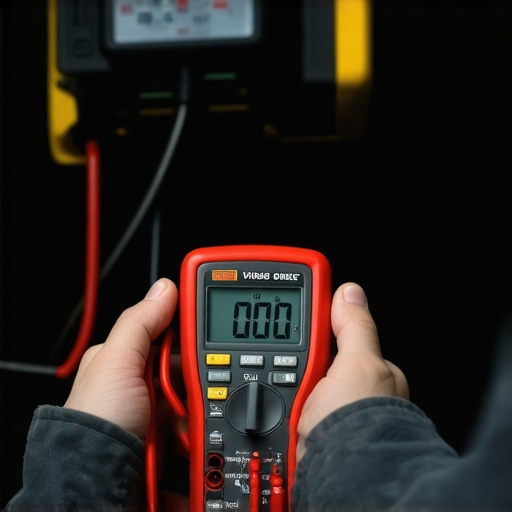
An often-overlooked aspect of digital service resets is the electrical environment of the vehicle. Modern Powertrain Control Modules are sensitive to voltage drops; if your battery is struggling to provide a clean signal during startup, it can occasionally cause data corruption within the non-volatile memory where service intervals are stored. This might lead to an OLM that resets itself prematurely or, conversely, one that freezes at a specific percentage. If you notice erratic behavior on your dashboard, it is vital to investigate why your battery dies every morning even if its brand new before assuming the sensor or software is at fault. Ensuring a stable power supply is the first step in guaranteeing that your digital maintenance tracking remains accurate and reliable.
Why Older Engines Require a Physical Check Over Software Prompts
Software-based monitoring is blind to physical contaminants like metal shavings, coolant intrusion, or carbon buildup. A clean OLM reset doesn’t mean the engine is healthy; it simply means the clock has been restarted. For instance, an engine that is consistently running rich will dilute the oil with fuel, a condition that might be signaled by a drop in performance. If you find the real reason your gas mileage suddenly dropped, it is highly likely that your oil quality is also suffering, regardless of what the dashboard says. During every reset, take five minutes to inspect the under-hood components. Professional technicians often suggest that if you notice a rhythmic tapping upon cold starts, you might need more than just an oil change; you may need to learn the simple trick to quiet a noisy lifter before significant damage occurs.
Identify the Mechanical Red Flags That Software Misses
A comprehensive service strategy involves looking for clues that the OLM cannot see. While the computer tracks revolutions, it cannot see the color of the spark plugs or the soot in the exhaust. When you are under the hood performing a reset, it is the perfect time to evaluate the combustion process. Learning how to tell if your spark plugs are fouled just by looking at them can provide a window into the health of your piston rings and valve seals. These physical indicators often precede a service light by thousands of miles. Have you ever encountered a service light that refused to reset despite following the manual? Share your most frustrating ‘un-resettable’ vehicle stories in the comments below so we can troubleshoot these digital gremlins together and help the community stay ahead of the curve.
Software Updates Are the New Tune-Up
In the realm of modern auto repair, we often forget that the code governing an Oil Life Monitor is not written in stone. Manufacturers frequently release Technical Service Bulletins (TSBs) that include software ‘reflashes’ for the Powertrain Control Module. These updates often recalibrate the OLM based on new field data regarding lubricant performance or engine wear patterns identified across thousands of vehicles. Ignoring these updates during a routine car service can result in a monitoring system that operates on outdated assumptions, potentially leading to inaccurate service intervals. A professional technician using high-level vehicle diagnostics equipment will check for these firmware updates as a standard part of the maintenance cycle, ensuring that the ‘100%’ life reset actually reflects the latest engineering standards. Failure to synchronize the software with the physical realities of the engine can lead to subtle but cumulative damage over the life of the vehicle.
How Does Ambient Humidity Affect Long-Term Storage Oil Degradation?
While most OLM algorithms excel at tracking thermal cycles and RPMs, they often struggle with vehicles that remain stationary for extended periods in high-humidity environments. Moisture from the atmosphere can enter the crankcase through the PCV system or breathers, leading to emulsification—the dreaded ‘milky’ oil—even if the engine hasn’t run a single mile. For owners of seasonal vehicles or car collections, relying on a digital percentage is a recipe for disaster. The algorithm assumes the oil is relatively dry because it hasn’t seen the thermal fluctuations associated with moisture entry. This nuance is why expert-level auto repair necessitates a time-based change—usually every six to twelve months—regardless of what the dashboard claims. When you are managing a fleet or a prized classic, don’t let a digital readout override the basic physics of fluid contamination.
When Software Is Not Enough: Capacitive Sensors in High-End Imports
While domestic manufacturers often lean heavily on algorithmic modeling, European brands like BMW and Mercedes-Benz frequently employ physical sensors to measure the dielectric constant of the oil. These capacitive sensors can detect changes in the oil’s chemical composition, specifically identifying the presence of soot, water, or fuel dilution in real-time. This provides a more robust layer of vehicle diagnostics than a purely mathematical model. According to the ASTM International standard D445, the kinematic viscosity of a lubricant is the primary indicator of its health; however, these on-board sensors act as a first line of defense, measuring the ‘permittivity’ of the fluid. 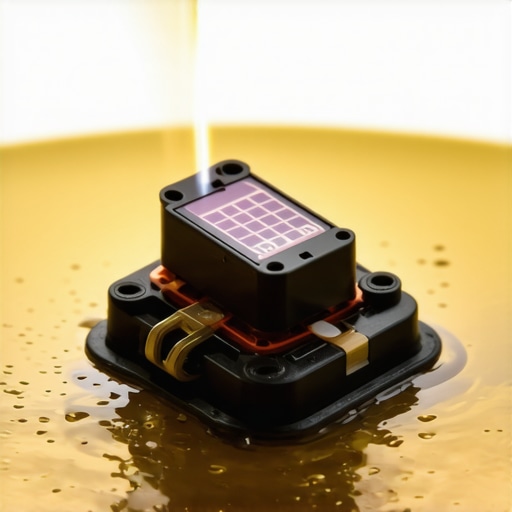 Understanding the difference between these two approaches—algorithmic vs. sensor-based—is critical for anyone performing a high-quality car service. If you are working on a system with a physical sensor, a failure in the sensor itself can lead to a ‘Service Now’ warning even if the oil is brand new, necessitating a deeper dive into the electrical circuit rather than just a simple fluid swap.
Address the Silent Killers of Transmission Fluid Longevity
Just as the OLM monitors engine oil, modern vehicles are increasingly incorporating life monitors for the transmission as well. However, these systems are often even more conservative and less visible to the driver. The heat generated during heavy towing or spirited driving can oxidize ATF (Automatic Transmission Fluid) at an exponential rate. Every 20-degree increase in operating temperature above 175°F can effectively halve the life of the fluid. When performing your oil reset, it is an industry-best practice to pull the data logs for transmission temperature history. This is where advanced vehicle diagnostics move from reactive to proactive. If you see frequent spikes in heat, it may be time to consider an auxiliary cooler or a more frequent fluid exchange than the manual suggests. Transitioning your focus from just the engine to the entire powertrain ensures that you aren’t blindsided by a mechanical failure that the dashboard forgot to mention. If you’ve ever dealt with a ‘sealed-for-life’ unit that failed prematurely, you know the value of looking beyond the official service intervals.
Go Deep Into the PCM to Find Hidden Engine Wear Data
A simple percentage on the dash is merely the tip of the iceberg when it comes to modern auto repair. To truly understand the state of an engine, an expert must dive into the specific Parameter IDs (PIDs) stored within the Powertrain Control Module. While the OLM provides a user-friendly countdown, data points such as ‘average engine load,’ ‘total cold starts,’ and ‘cumulative fuel consumption’ provide a much more granular view of the oil’s actual stress level. In professional vehicle diagnostics, comparing these raw data points against the OLM’s current state can reveal if the software is being overly optimistic. For instance, if the fuel trim data shows a consistent rich condition, the likelihood of fuel dilution in the crankcase increases, rendering the OLM’s mathematical prediction unreliable. This level of scrutiny is what separates a basic oil change from a high-performance car service.
Will Advanced Biofuels Force You to Ignore Your Factory Maintenance Light?
One of the most complex challenges for modern OLM algorithms is the increasing prevalence of high-ethanol fuel blends. Engines running on E85 experience significantly higher rates of oil dilution and moisture accumulation compared to those on pure gasoline. Most domestic OLMs are programmed for standard pump gas; they may not adequately calculate the aggressive acid formation and viscosity loss associated with heavy ethanol use. According to a technical study by the Society of Tribologists and Lubrication Engineers (STLE), lubricants in ethanol-fueled engines can reach a critical TBN (Total Base Number) depletion point up to 30% faster than software-predicted intervals suggest. If you frequently run high-performance blends, you must manually adjust your maintenance window to protect the rotating assembly from premature wear.
Why Stop-Start Technology Is Killing Your Oil Faster Than You Think
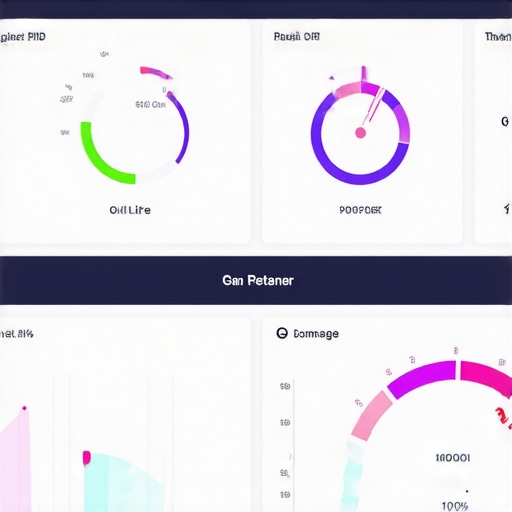
The rise of Auto Start-Stop systems has fundamentally changed the thermal profile of modern lubricants. Every time the engine shuts down at a traffic light, the oil stops circulating, leading to localized ‘heat soak’ in critical areas like the turbocharger bearings and piston rings. While the PCM tracks these stop-start cycles, the sheer volume of metal-to-metal boundary friction during frequent restarts can introduce microscopic wear particles that a standard auto repair algorithm might underestimate. Expert technicians now recommend a ‘severe service’ mindset for vehicles equipped with this technology, especially in urban environments. This shift in operational reality makes the choice of high-quality synthetic lubricants—specifically those with robust anti-wear additives like zinc and phosphorus—non-negotiable for long-term reliability.
Stop Treating the Transmission and Engine as Separate Systems
Advanced vehicle diagnostics now recognize that the health of the engine oil and transmission fluid are inextricably linked through the vehicle’s cooling system. A restricted transmission cooler can cause the engine to run hotter, which in turn accelerates the oxidation of the engine oil. When you perform a reset, you are only addressing one half of the thermal equation. By utilizing professional-grade scanners, you can cross-reference engine coolant temperature (ECT) with transmission oil temperature (TOT) to identify cooling inefficiencies before they trigger a hard fault. This holistic approach ensures that a routine car service addresses the root cause of fluid degradation rather than just the symptoms. Have you ever noticed your OLM percentage dropping faster during the summer months? Share your data logs or observations in our community forum so we can continue to refine these predictive maintenance strategies together.
The transition from manual mileage logs to digital Oil Life Monitors has brought convenience, but it has also introduced a layer of abstraction that can mask underlying mechanical issues. A professional approach to maintenance requires balancing these digital prompts with hard physical data. While the computer manages the variables it can see, the technician must manage the variables it cannot.
Why 100% On Your Screen Is Not Always 100% In the Pan
The Total Base Number (TBN) Disconnect
The software calculates the depletion of additives based on thermal cycles, but it cannot measure the actual alkalinity of the oil. If you are using a fuel with high sulfur content or experiencing minor head gasket seepage, the acid-neutralizing capabilities of your lubricant will drop much faster than the software predicts. For those managing high-performance engines, seeking out unlock your cars potential expert auto repair tips for 2025 can provide deeper insight into how chemical properties vary from the algorithmic ideal.
Clogged PCV Systems Ruin the Calculation
The Oil Life Monitor assumes your Positive Crankcase Ventilation (PCV) system is functioning perfectly. If the PCV valve is stuck, moisture and blow-by gases remain trapped in the crankcase, accelerating oil oxidation at a rate the PCM is not programmed to track. This is why a simple reset is never enough; you must verify the health of the entire engine ecosystem. If you notice your engine performance dipping or why your car bogs down when you turn on the air conditioner, it is often a sign that the parasitic load and internal pressures are higher than the software assumes.
The Hidden Impact of Vacuum Leaks on Oil Longevity
A lean-running engine caused by an unmetered air leak increases combustion temperatures significantly. These higher temperatures ‘cook’ the oil trapped in the ring lands, leading to carbonization that the OLM does not account for. Smart technicians use the 12 dollar tool that finds every vacuum leak in minutes to ensure the engine is running at its designed stoichiometric ratio before trusting the digital service interval.
#IMAGE_PLACEHOLDER_E#
Reliable Sources for Serious Gearheads
ASTM International Standards
For those who want to understand the physics of lubrication, the ASTM standards for kinematic viscosity and shear stability are the gold standard. They provide the empirical framework that manufacturers use to build their OLM algorithms.
The Society of Tribologists and Lubrication Engineers (STLE)
This organization offers technical papers that dive into the molecular breakdown of modern synthetics under extreme pressure, providing a level of detail that owner’s manuals intentionally omit for the sake of simplicity.
Manufacturer Technical Service Bulletins (TSBs)
Always cross-reference your dashboard percentage with recent TSBs. These documents often reveal that the factory originally set the oil life interval too high, necessitating a manual adjustment to your maintenance habits to avoid long-term wear.
Final Verdict on Digital Maintenance Tracking
The evolution of vehicle diagnostics has made modern auto repair more precise, but the Oil Life Monitor should be treated as a secondary advisory tool rather than an absolute authority. True engine longevity is achieved by synchronizing the software’s mathematical predictions with physical inspections of the fluid’s color, smell, and level. Whether you are performing a routine car service or troubleshooting a complex transmission issue, remember that the most important sensor in the vehicle is the one between your ears. For those who want to ensure their vehicle receives this level of professional scrutiny, knowing how to find reliable car service near you in 2025 is the first step toward a more resilient powertrain. We invite you to share your experiences with OLM discrepancies in the comments—have you ever found ‘dead’ oil while the dashboard still claimed 50% life?