For decades, the automotive industry operated under a predictable paradigm: front brakes handled roughly 70% of the stopping force, while the rears served primarily as stabilizers. However, seasoned technicians performing routine auto repair have noticed a dramatic shift in wear patterns over the last decade. In many modern vehicles, rear brake pads are reaching their wear indicators significantly earlier than the fronts, sometimes with a 2-to-1 ratio. This isn’t a manufacturing defect; it is a calculated result of advanced chassis dynamics and electronic interference designed to improve passenger comfort and vehicle stability. When you bring a car in for car service, understanding these underlying physics is crucial for accurate vehicle diagnostics.
Modern Chassis Control Hijacks Your Brake Life
The primary culprit behind accelerated rear wear is Electronic Brake-force Distribution (EBD). Unlike the mechanical proportioning valves of the past, EBD uses the ABS module to actively monitor load and speed at each wheel. By applying more pressure to the rear brakes during light to moderate stops, the system minimizes ‘nose dive,’ keeping the vehicle level and improving steering response. This constant, subtle application of the rear pads during everyday driving—often unnoticed by the driver—creates a cumulative friction load that exceeds traditional expectations. If you are experiencing unexpected noises during these interventions, it may be time to investigate why your brakes squeal when you are reversing to catch early signs of hardware fatigue.
Why Do New Sedans Burn Through Rear Pads Before Their First Oil Change?
Beyond EBD, modern Adaptive Cruise Control (ACC) and Traction Control systems play a massive role. When ACC maintains a gap in traffic, it frequently applies the rear brakes to gently scrub speed without jarring the occupants. Furthermore, many manufacturers have transitioned to thinner rear pad material to reduce unsprung weight, further shortening the replacement interval. To maintain optimal safety, regular vehicle diagnostics are essential to ensure these electronic systems aren’t over-compensating for mechanical misalignments. According to the Society of Automotive Engineers (SAE), the integration of electronic stability control has fundamentally altered the thermal duty cycles of rear braking components in a way that traditional maintenance schedules have yet to fully reflect.
Stop Blaming the Driver for Thin Rear Linings
It is a common misconception that aggressive driving is the sole reason for premature wear. In reality, the quest for a ‘premium’ ride quality is the driver. By utilizing the rear brakes to settle the suspension, engineers have traded pad longevity for a smoother cabin experience. This is especially prevalent in vehicles where the transmission logic is tuned for fuel efficiency, leading to less engine braking and more reliance on the foundation brakes. For those looking to extend the life of their braking system, implementing the secret to making your brake rotors last 100000 miles can provide a significant ROI. We invite you to share your own experiences with modern brake wear—have you noticed a change in your service intervals lately? Understanding these trends helps every owner navigate the complexities of 21st-century automotive engineering.
Where Electronic Parking Brakes Stealthily Steal Miles
Modern rear calipers are no longer simple mechanical levers; they are complex electromechanical units. The widespread adoption of the Electronic Parking Brake (EPB) has replaced the traditional cable-pull system with high-torque electric motors mounted directly on the caliper housing. While this adds convenience and clears up center console space, it introduces a layer of complexity to car service that many DIY enthusiasts overlook. If the EPB motor does not fully retract the piston—due to software glitches or accumulated road salt—the pads maintain a microscopic, high-friction contact with the rotor. This ‘parasitic drag’ generates heat without the driver ever feeling a pull or resistance. It is critical to ensure your technician performs a proper electronic recalibration after any auto repair involving the rear axle.
Does Your Electric Handbrake Drag Without You Knowing?
Unlike a manual handbrake, where you can feel the tension, an EPB is binary: it is either on or off. However, the internal screw mechanism can become sluggish over time. According to technical specialists at Delphi Technologies, failure to service the sliding pins on EPB-equipped vehicles is a leading cause of uneven pad wear, as the electric actuator cannot compensate for a seized guide pin. This results in the inner pad wearing at triple the rate of the outer pad. To avoid these hidden costs, you should learn how to spot a fake mechanic recommended service scam and insist on seeing the actual wear measurements during your inspection. Regular lubrication of these components is the only way to prevent the motor from overworking and prematurely burning through expensive friction material.
Tiny Rotors Face Big Heat Problems
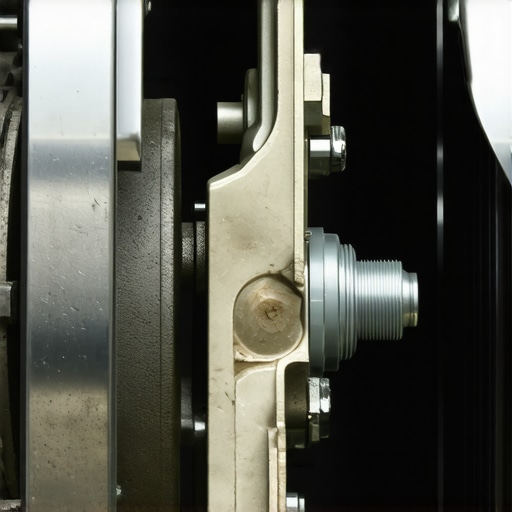
As vehicle manufacturers strive for better fuel economy, they aggressively target ‘unsprung weight.’ One of the easiest places to shed pounds is the rear braking system. By utilizing smaller, thinner rotors and compact calipers, engineers reduce the mass the suspension has to manage. The trade-off is thermal capacity. Because these smaller components have less surface area to dissipate heat, the friction material reaches its operating limit much faster during the frequent, ‘micro-braking’ events triggered by stability control. When these systems work overtime, you might notice a change in pedal feel; understanding why your brake pedal feels spongy after a long drive can help you identify if your rear brakes are overheating and boiling the fluid.
Furthermore, the materials used in modern brake pads have shifted toward ‘low-dust’ ceramic compounds that prioritize noise reduction and aesthetics over pure longevity. These softer compounds are more susceptible to ‘glazing’ if the vehicle is frequently driven in stop-and-go traffic where the rear brakes are constantly nibbling at the rotors to maintain vehicle leveling. Owners should also take proactive steps like the simple move to prevent your brake lines from rust out to ensure the entire hydraulic circuit remains pressurized and efficient. Have you checked your rear pad thickness recently? Drop a comment below if you’ve been surprised by a low-pad warning light earlier than expected, and let us know which model you’re driving—it helps the community track these engineering trends.
Torque Vectoring Turns Your Rear Brakes into Stealth Steering Aids
Beyond simple stopping power, many high-performance SUVs and luxury sedans now utilize ‘brake-based torque vectoring’ to enhance agility. During cornering, the vehicle’s Stability Control module subtly applies the brake on the inside rear wheel to help rotate the car through the apex. This process is entirely transparent to the driver, but the mechanical reality is a significant increase in friction and heat on the rear axle. While it makes a heavy vehicle feel like a nimble sports car, it turns your rear pads into a disposable steering component. If you have noticed your car feels less sharp in the turns lately, it might be time for comprehensive vehicle diagnostics to see if your pads have reached their thermal limit.
The Hybrid Paradox Where Less Use Leads to Faster Failure
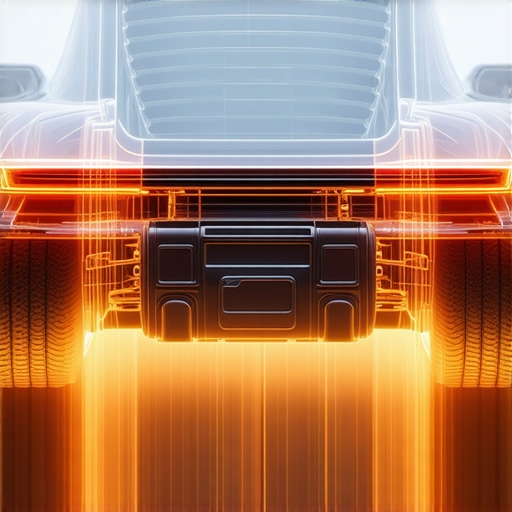
In the world of hybrids and EVs, regenerative braking is the hero of efficiency, but it creates a unique set of challenges for the physical hardware. Because the electric motor handles most of the deceleration, the mechanical rear brakes often sit idle. This lack of use allows moisture to sit on the rotor surfaces and slider pins, leading to ‘crevice corrosion.’ When the friction brakes are finally called upon during an emergency stop, the seized components apply uneven pressure, or worse, the pads fail to retract fully. According to a technical whitepaper by Continental AG, vehicles with aggressive regenerative mapping can see a 40% increase in caliper-related failures due to environmental oxidation rather than traditional friction wear.
Can Regenerative Braking Actually Accelerate Hardware Failure?
Yes, but not through friction. The primary enemy in these systems is ‘stagnation.’ Without the regular heat cycles of traditional braking, the lubricant in the caliper guide pins can thicken and dry out. This results in the pads dragging against the rotor even when your foot is off the pedal. For owners of electrified vehicles, performing a ‘brake bedding’ procedure once a month—a few controlled, firm stops from highway speeds—is a vital piece of auto repair prevention that keeps the mechanical links moving freely. Have you noticed a slight drop in your EV’s range? It could be a dragging rear brake stealing your battery’s precious kilowatt-hours.
Software Calibration Changes Your Hardware Life Overnight
We are living in an era where a manufacturer can change how your car stops with an Over-the-Air (OTA) update. If a fleet-wide issue with nose-dive is identified, engineers can push a software patch that shifts the braking bias even further toward the rear. This means the car service intervals you were quoted when you bought the car may no longer apply. This ‘dynamic biasing’ is why two identical models can have vastly different wear rates based on their current firmware version. To ensure your vehicle is operating as intended, regular vehicle diagnostics are necessary to verify that the hydraulic pressure is distributed according to the latest safety standards. If you’ve recently updated your vehicle’s software and noticed a change in pedal feel, we’d love to hear about it in the comments—community data often spots these trends before the manufacturers do.
Beyond the software logic lies the physical evolution of the friction pair itself. While traditional pads were often semi-metallic, the industry has pivoted toward high-performance organic and ceramic derivatives to mitigate noise and dust. This shift, however, creates a new friction dynamic where the rear rotor and pad wear at nearly identical rates, a phenomenon known as ‘matched wear.’ This means that during your next car service, you may find that the rotors are below the minimum thickness specification even if they look smooth. The sacrificial nature of these materials is a deliberate design choice to meet stringent noise, vibration, and harshness (NVH) targets in the luxury segment.
The One-Box Revolution Muffles Your Warning Signs
Traditionally, a driver could feel a failing master cylinder or a vacuum leak through a changing pedal stroke. Modern ‘One-Box’ integrated brake systems have changed that. These units combine the master cylinder, booster, and ABS/ESC into a single compact component. The pedal you press is often just a simulator; a high-pressure electric pump actually does the work of clamping the pads. This ‘brake-by-wire’ tech is excellent for vehicle diagnostics but dangerous for the uninitiated, as the system can mask mechanical drag or air in the lines by artificially maintaining pedal firmness. If the rear calipers are dragging due to a mechanical fault, the high-torque electric motor will simply push through the resistance, leading to rapid, silent destruction of the rear hardware without a single vibration reaching the driver’s foot. 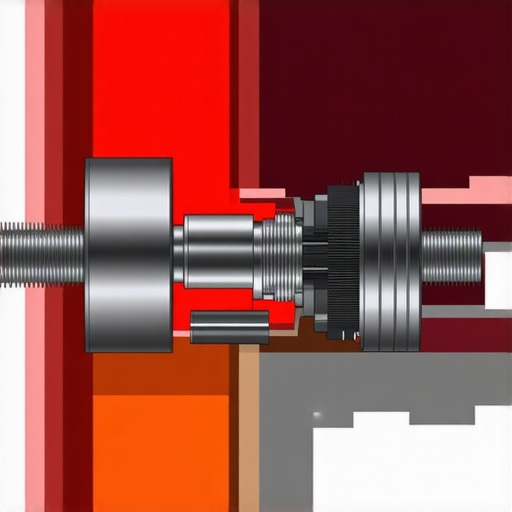
Does Your Auto-Hold Feature Secretly Cook the Rear Calipers?
The convenience of ‘Auto-Hold’—where the car stays stationary at a stoplight without you holding the pedal—is a hidden engine for rear brake wear. To keep the vehicle still, the system maintains hydraulic pressure on the rear axle. On a hot summer day, after a spirited drive, this means the hot pads are clamped firmly against a hot rotor while the vehicle is stationary. This lack of airflow during the clamping phase leads to localized ‘heat soak,’ which can warp the rotor or cause the friction material to transfer unevenly to the disc surface. This ‘pad transfer’ is often misdiagnosed as a warped rotor during an auto repair, leading to unnecessary replacements. Specialists at TÜV SÜD have highlighted that the increased thermal stress from these stationary clamping events is a significant contributor to the premature degradation of rear brake seals and boots.
Brake Dust is the New Tailpipe Emission
As internal combustion engines get cleaner, the focus of environmental regulators has shifted to ‘non-exhaust emissions.’ Upcoming Euro 7 standards will, for the first time, regulate the particulate matter coming off your brakes. To comply, manufacturers are developing coated rotors and even more exotic pad compounds that produce less airborne dust. These systems are highly sensitive to contamination. A simple transmission fluid leak or a stray drop of oil during a routine car service can ruin these specialized coatings, leading to a permanent loss of braking efficiency. The sophistication required to maintain these systems means that basic maintenance is becoming a high-precision task. We strongly encourage you to consult your vehicle’s Technical Service Bulletins (TSBs) to see if your specific model requires specialized cleaning agents or unique assembly lubricants. What has your experience been with the ‘Auto-Hold’ feature—do you find it convenient enough to justify the extra wear, or do you disable it to save your hardware? Share your thoughts below.
Expert Insights and Advanced Considerations
Forget the 70/30 Front-Bias Myth
Technicians must pivot away from the historical assumption that front brakes always take the brunt of the load. With Electronic Brake-force Distribution (EBD), the rear axle is now the primary stabilizer for light-braking events. This shift ensures the car remains level, but it also means the rear friction material is working much harder than in older designs. If your service schedule feels accelerated, it is likely the result of these active stability algorithms.
Electronic Drag Outpaces Mechanical Friction
Parasitic drag from electronic parking brakes and software-controlled calipers is often invisible. Unlike a stuck mechanical cable, these issues often require the hidden world of vehicle diagnostics to identify. When the software fails to fully retract the piston, the pads experience continuous, low-level wear that can halve their expected lifespan without the driver feeling a single symptom.
Thermal Mass Matters More Than Surface Area
As manufacturers prioritize weight reduction, rear rotors are getting thinner and lighter. This reduced thermal mass means they heat up faster and stay hot longer. In stop-and-go traffic, the combination of Auto-Hold and thin rotors creates a high-heat environment that degrades ceramic compounds prematurely. Following expert auto repair tips for 2025 will help you identify these heat-related issues before they compromise safety.
Authoritative Industry Resources
For those looking to deepen their technical knowledge, we recommend consulting these industry pillars:
- SAE International: The definitive source for technical papers on electronic stability control and its impact on thermal duty cycles.
- Delphi Technologies Service Portal: Offers granular insights into the engineering of Electromechanical Parking Brake (EPB) systems and calibration requirements.
- Continental AG Chassis Systems: Excellent for understanding how regenerative braking in hybrids alters traditional hardware wear patterns.
A New Standard for Brake Maintenance
The evolution of braking technology has effectively turned rear pads into high-frequency consumable components, often tied directly to the vehicle’s stability and cornering logic. While this improves safety and comfort, it necessitates a more proactive approach to vehicle diagnostics. Whether you are dealing with transmission troubles that affect engine braking or simply want to maximize your investment, choosing the right car service for seamless vehicle maintenance is the first step toward long-term reliability. We invite you to share your experiences—has your late-model car surprised you with a rear brake warning? Let’s discuss the engineering trends in the comments below.