Professional automotive preservation is an intricate discipline that transcends the simple act of parking a vehicle in a garage. For collectors and enthusiasts alike, the objective during the winter months is to mitigate the effects of thermal cycling and fluid stasis, which can lead to catastrophic engine damage and premature component failure. A systematic approach ensures that when the first thaw of spring arrives, the vehicle’s powertrain and complex electronic architecture remain as viable as the day they were sidelined. Proper winterization involves a deep understanding of fluid chemistry and the mechanical vulnerabilities that arise when a machine is not in regular motion.
Keep Fuel and Lubrication Systems Stable Against Oxidative Stress
One of the primary concerns during long-term storage is the degradation of fuel. Modern ethanol-blended gasolines are hygroscopic, meaning they actively absorb moisture from the atmosphere. Over several months, this can lead to phase separation, resulting in a corrosive slurry at the bottom of the tank. To prevent this, a professional-grade fuel stabilizer must be added, followed by a short drive to ensure the treated fuel reaches the injectors. Simultaneously, performing a comprehensive car service that includes an oil change is vital. Old oil contains combustion byproducts and acids that, when left sitting, can etch bearing surfaces and cylinder walls. According to research published by SAE International, acidic buildup in stagnant motor oil is a leading cause of internal corrosion in stored internal combustion engines.
Protect Your Transmission from Stagnant Fluid Degradation
The transmission is often overlooked during winter preparation, yet it is highly susceptible to seal shrinkage and fluid oxidation in unheated environments. Before storage, inspecting the fluid levels and quality is essential. If you have noticed that your automatic transmission shifts hard when the engine is cold, this issue will only be exacerbated by months of dormancy. Addressing these signs with expert fixes now prevents the fluid from thickening or losing its lubricating properties over time. A healthy drivetrain relies on consistent hydraulic pressure, and any moisture ingress during the winter can lead to internal rust on the valve body or clutch plates, eventually requiring a full rebuild.
How Does Extreme Cold Interfere with Advanced Vehicle Diagnostics?
Low temperatures can significantly impact the accuracy of on-board sensors and the longevity of the Battery Management System (BMS). When a vehicle sits in the cold, the battery’s chemical reaction slows down, often leading to a drop in voltage that can corrupt volatile memory in the Engine Control Unit (ECU). This can result in a mountain of phantom codes that complicate vehicle diagnostics once the car is restarted in the spring. Utilizing a smart trickle charger is the professional standard for maintaining voltage stability and protecting your car’s digital integrity from low-voltage anomalies.
Stop Rodents from Turning Your Wiring into an Auto Repair Disaster
The engine bay and interior of a stored car provide the perfect sanctuary for rodents seeking warmth. These pests can cause devastating damage by chewing through wiring harnesses, which leads to some of the most difficult and expensive auto repair scenarios a technician can face. Sealing the exhaust pipe and air intake with steel wool—and placing repellent packets in the cabin—is a simple yet effective barrier. If you are unsure if your storage location is sufficiently protected or require a pre-storage inspection, contact us for a professional consultation on seasonal vehicle preservation. By proactively managing these risks, you safeguard the mechanical and electrical health of your vehicle for years to come.
Save Your Tires from Permanent Flat Spots
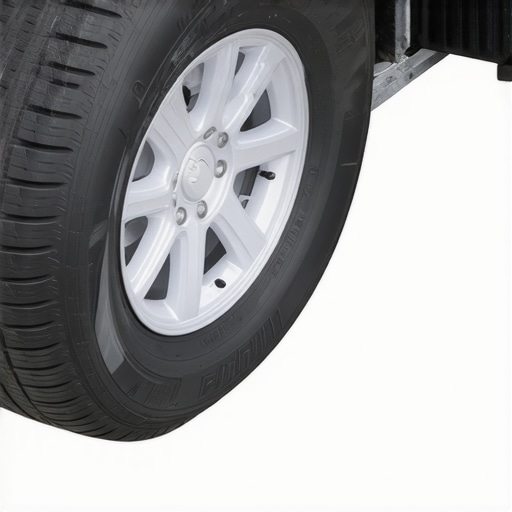
When a vehicle remains stationary for months, the weight of the car exerts constant pressure on the bottom of the tires. This leads to flat-spotting, a condition where the internal steel belts and rubber compounds conform to the flat surface of the floor. In cold environments, the rubber hardens in this deformed state, causing significant vibrations when the car is finally driven. To mitigate this, many experts recommend over-inflating tires by about 10 PSI or using specialized tire cradles that distribute the weight more evenly. If you return to the road and notice a persistent wobble, you may need to investigate why your steering wheel vibrates at exactly 60 mph to differentiate between temporary flat spots and a permanent balance issue.
Why the Braking System is Your Biggest Winter Corrosion Risk
Moisture is the primary enemy of a dormant braking system. Brake fluid is glycol-based and naturally pulls water from the air, which can settle in the lowest points of the lines or within the master cylinder. This internal moisture can lead to corrosion that causes a spongy pedal or, worse, internal failure. Taking the simple move to prevent your brake lines from rusting out involves flushing the system with fresh fluid before storage to remove existing water content. Furthermore, iron rotors will inevitably develop surface rust. In extreme cases, the pads can actually bond to the rotor. Learning how to unstick a caliper without replacing the whole brake system is a valuable skill, but prevention through a clean, dry environment and proper fluid management is far more efficient.
Can Six Months of Stasis Permanently Warp Your Suspension Bushings?
Suspension components are designed to be in motion. When a car sits, the rubber bushings and seals remain compressed in one specific position, which can lead to memory issues where they lose their elasticity. Over time, this degradation affects alignment and handling precision. It is often why owners find why your car pulls to the left even after an alignment; the issue isn’t the tie rods, but the hardened, non-compliant bushings. While it is tempting to put the car on jack stands, doing so for long periods can actually put unnatural stress on the suspension pivot points. The goal is to keep the weight on the tires but supported by a soft, protective barrier that prevents cold floor conduction.
Balance Your Coolant Chemistry to Avoid Block Cavitation
Coolant does more than prevent freezing; it contains corrosion inhibitors and lubricants that protect the water pump and radiator. Over time, these chemicals break down. The Car Care Council notes that nearly 25 percent of vehicles have low or contaminated coolant, a condition that accelerates electrolysis during periods of inactivity. If the coolant becomes acidic, it can begin to eat away at the head gasket or the internal cooling passages. Before the car goes into hibernation, it is prudent to check the pH levels. Knowing how to spot a failing water pump before your engine overheats is critical, but preventing that failure begins with ensuring the cooling system is filled with a fresh, properly mixed 50/50 solution. If you are preparing a high-value asset for the off-season, consider how to find reliable car service near you in 2025 to ensure every fluid and seal is accounted for before the first snowflake falls.
Stop Mildew and Dry-Rot from Reclaiming Your Cabin
The interior of a vehicle is a complex ecosystem of organic and synthetic materials, each reacting differently to stagnant, cold air. Leather seats can lose their essential oils, leading to “bloom” or cracking, while dashboard plastics become increasingly brittle. High-quality desiccant bags are more than just a suggestion; they are a necessity to maintain a relative humidity level between 40% and 50% within the cabin. This specific range is critical because any level higher encourages fungal growth, while anything significantly lower can accelerate the desiccation of natural hides. If your vehicle features a cabin air filter, replacing it before storage ensures that mold spores trapped in the pleats do not colonize the HVAC ducts over the winter months.
Does Starting Your Engine Once a Week Actually Cause More Harm Than Good?
There is a persistent myth among enthusiasts that “exercising” a stored vehicle by idling it in the driveway for ten minutes is beneficial. In reality, this is one of the most damaging habits you can adopt for a dormant engine. A short idle session never allows the motor oil to reach a sustained temperature high enough to evaporate the water that naturally condenses within the crankcase. According to technical data from Machinery Lubrication, for every gallon of fuel burned, a significant amount of water is produced as a combustion byproduct. In a cold engine, this moisture bypasses the piston rings via blow-by and mixes with the oil, creating a milky, acidic sludge that promotes internal rust on the camshafts and lifters.
Keep Your Modern ECU from Falling into a Coma
Modern vehicles are never truly “off.” They maintain a constant parasitic draw to power security systems, keyless entry modules, and internal clocks. If the battery voltage drops below a certain threshold—usually around 12.2 volts for a modern AGM battery—the lead plates begin to sulfate, which permanently reduces the battery’s total capacity. Furthermore, a total power loss can cause some European and high-end domestic vehicles to lose their “learned” throttle positions or transmission shift points. To avoid a trip to the dealer for a system re-flash, investing in a high-amperage smart maintainer is the only way to preserve the digital memory of your vehicle’s complex network. For those already dealing with persistent electrical gremlins after a period of non-use, you may need to fix electrical problems in your car using specialized diagnostic tools that can reset these modules.
Treat Your Door Seals with Silicone Before the Freeze
Rubber weatherstripping serves as the only barrier between your pristine interior and the harsh elements, yet it is highly prone to thermal stress. Over time, these seals can freeze directly to the metal door frame; attempting to force open the door in sub-zero temperatures can tear the rubber right off its mounting track. A light application of a non-petroleum-based silicone lubricant keeps the rubber supple and prevents ice from bonding the surfaces together. This same logic applies to the hood and trunk seals, which are frequently forgotten until they are found shredded during the first spring inspection. Beyond the doors, the convertible top—if applicable—requires its own set of specialized tensioning considerations to prevent the fabric from shrinking or the rear window from cracking under the weight of accumulated cold air pressure.
Why Surface Contaminants Become Permanent Under a Car Cover
Before draping a car in its winter shroud, a meticulous decontamination wash is non-negotiable. Microscopic particles of industrial fallout, brake dust, and organic matter can become trapped between the paint and the fabric of a cover. As the garage temperature fluctuates, the cover undergoes minute thermal expansions and contractions, effectively sanding these contaminants into the clear coat over several months. Applying a high-grade ceramic sealant or a synthetic wax provides a sacrificial barrier that prevents this mechanical etching. This process is essentially an insurance policy for the vehicle’s aesthetic integrity, as removing deep-seated scratches requires invasive paint correction in the spring. 
How Does Static Electricity Impact Modern Vehicle Communication Networks?
The friction created by removing or installing certain synthetic car covers can generate a significant electrostatic discharge (ESD). While most automotive-grade semiconductors are hardened against minor surges, the Controller Area Network (CAN bus) is highly sensitive to voltage spikes that can disrupt communication between the ABS, TCM, and PCM. Using a cover with anti-static properties or ensuring the vehicle is properly grounded in a climate-controlled environment is a sophisticated precaution that prevents digital gremlins. Technical research from Bosch Mobility indicates that even minor ESD events can lead to latent defects in sensitive silicon components, manifesting as intermittent electronic failures months after the car returns to the road.
Hydraulic Systems Require Specialized Protection Against Seal Stiction
While much attention is given to the engine and transmission, the power steering and convertible top hydraulics are often neglected. These systems rely on elastomers that stay pliable through regular cycling. During months of stasis, these seals can develop “stiction”—a state where the rubber bonds to the metal piston or bore. When the system is finally pressurized in the spring, the initial movement can tear the seal, leading to immediate leaks. If you notice your power steering leak getting worse after a cold snap, it is likely due to this lack of lubrication. Cycling these systems fully before the final shutdown ensures that every internal surface is coated in a protective film of hydraulic oil, preventing the rubber from hardening against the internal hardware.
The Chemistry of Condensation Inside Your Exhaust Manifold
The exhaust system is a prime candidate for unseen winter damage. As the ambient temperature drops, any residual moisture within the catalytic converter or mufflers condenses into liquid water. If this liquid is acidic due to sulfur content in the fuel, it will eat through the stainless steel or aluminized piping from the inside out. Professionals often use a desiccant plug or a breathable exhaust cap to manage internal humidity. If you find yourself needing to expert auto repair services for a mysterious exhaust blow after storage, internal corrosion is the likely culprit. Advanced collectors often employ vapor corrosion inhibitors (VCIs) which emit a protective gas that coats the internal metal surfaces of the exhaust and engine blocks, providing an additional layer of molecular defense that traditional fluids cannot reach. To ensure your vehicle receives a bespoke preservation plan tailored to its specific engineering, reach out to our specialists today for an advanced consultation.
Expert Insights & Advanced Considerations
Switch to Nitrogen to Combat Pressure Swings
Traditional compressed air contains moisture that expands and contracts significantly with temperature shifts. By purging tires and refilling with dry nitrogen, you ensure consistent internal pressure through the coldest months, which is a critical step for those following expert auto repair tips for 2025 to maintain tire structural integrity and prevent bead leaks during dormancy.
Fogging Oil Can Kill Your Modern O2 Sensors
In older carbureted engines, fogging oil was the gold standard for cylinder wall protection. However, in modern fuel-injected systems, these thick oils can coat the delicate elements of oxygen sensors and mass airflow sensors, leading to expensive failures upon restart. Relying on high-quality synthetic lubricants and proper fuel stabilization is a much safer alternative for contemporary electronic fuel systems. #IMAGE_PLACEHOLDER_E#
Check Your Stabilizer’s Expiration Date
Fuel stabilizers themselves have a finite shelf life. Using a bottle that has been sitting on your shop shelf for three years can lead to gummy deposits rather than preventing them. Always verify the manufacture date to avoid complicating vehicle diagnostics later with preventable fuel system clogs and injector issues.
Curated Expert Resources
SAE International offers the definitive source for technical papers on fluid oxidation and thermal dynamics, providing the scientific basis for modern storage protocols.
ASE (Automotive Service Excellence) acts as the industry leader for technician certification standards that define high-level car service and maintenance excellence.
Battery Council International provides deep-dive white papers on lead-acid and AGM battery chemistry during long-term storage and discharge cycles, which is essential for anyone who needs to how to find a battery drain with a simple light bulb effectively.
Final Expert Perspective
Professional automotive preservation is not a passive task but an active strategy to prevent transmission troubles and overall engine decay. By moving beyond basic storage and addressing the chemical and electrical nuances of your machine, you preserve both its resale value and its mechanical integrity. If you have specific technical questions or require a bespoke preservation plan, contact us today to consult with our master technicians and ensure your asset is fully protected for the season ahead.