The Critical Link Between Your Brake Pedal and Gear Selector
Modern automotive transmission architecture relies on a sophisticated safety handshake between the braking system and the gear selector mechanism. This system, known as the shift interlock, serves as a vital safeguard against accidental vehicle movement. However, when the electronic or mechanical chain of command breaks down, a vehicle remains trapped in ‘Park,’ leaving the driver stranded. Often, this is misdiagnosed by the uninitiated as a catastrophic transmission failure, when in reality, the issue frequently stems from a minor sensor or a small plastic actuator within the console. Understanding the synergy between vehicle diagnostics and mechanical hardware is essential for avoiding unnecessary towing fees and inflated dealership markups. An expert technician knows that the powertrain control module (PCM) monitors the brake pedal position before allowing the shift lock solenoid to disengage the physical locking pin.
Why Does the Shifter Jam Specifically During Temperature Swings?
Fluctuating temperatures can cause components like the brake light switch or the shift lock solenoid to behave erratically. High heat in the cabin can lead to the thermal expansion of plastic housings, causing internal friction that prevents the solenoid from retracting fully. Conversely, extreme cold can thicken old factory lubricants or cause brittle plastic parts to snap under the pressure of the gear lever. If you find that your transmission troubles coincide with the weather, the problem likely lies in these peripheral electrical components rather than the gearbox internals. Expert auto repair professionals often look first at the brake switch circuit, as it provides the primary voltage signal to release the locking pin. A failing ground wire can also lead to intermittent lockups, particularly when moisture levels change. Use these professional insights to troubleshoot effectively before assuming you need a new gearbox.
Locating the $12 Culprit Behind the Shifter Lock
In many modern sedans and SUVs, the most common point of failure is a small, inexpensive brake light switch located just above the brake pedal arm. If this switch fails to send a signal, the car assumes the brakes aren’t applied and keeps the shifter locked for safety. According to technical standards maintained by the Society of Automotive Engineers (SAE), these interlock systems must meet rigorous durability criteria, yet they remain subject to wear over hundreds of thousands of cycles. Replacing this switch is a simple car service task that usually costs less than $12 and requires no specialized tools. If the switch is functioning (indicated by working brake lights), the next step in vehicle diagnostics involves checking the shift lock solenoid located within the center console. Are you dealing with other mysterious electronic gremlins? Explore our expert auto repair tips for 2025 to learn how to master DIY maintenance and save thousands on professional labor.
Mastering the Manual Override in Emergencies
Every vehicle equipped with a shift interlock has a secret manual override, typically hidden behind a small plastic cap near the gear lever. Inserting a key or a thin tool into this slot mechanically bypasses the solenoid, allowing you to move the car to a safe location or a repair shop even when the electronics are dead. While this does not solve the underlying issue, it is an essential piece of field knowledge that prevents you from being stranded in a dangerous intersection. By mastering these auto repair nuances, you can differentiate between a minor electrical glitch and a genuine mechanical emergency, ensuring you never overpay for a simple fix.
The Solenoid That Keeps Your Vehicle Hostage
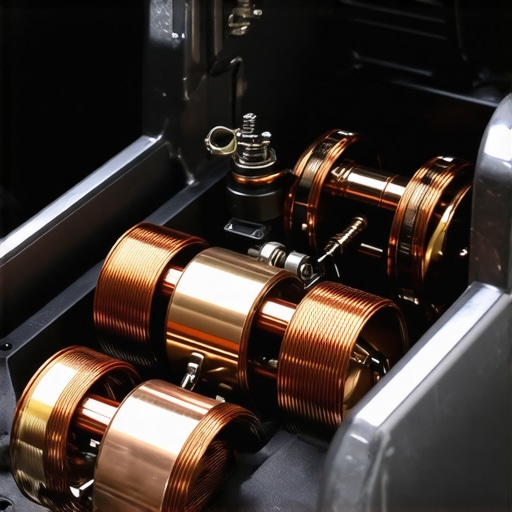
Beyond the brake switch, the shift lock solenoid is the primary mechanical muscle responsible for securing your gear lever. This electromagnetic actuator receives a command once the brake is depressed, physically pulling back a locking pin to allow movement. However, solenoids are prone to burning out after years of repetitive use. If you hear a faint clicking sound when you press the brake, the electrical signal is likely reaching the console, but the mechanical arm might be jammed by spilled beverages or accumulated dust. In these instances, vehicle diagnostics often shift from electrical testing to physical cleaning. Over time, sugary residues from coffee or soda can act as a powerful adhesive, cementing the locking pin in place regardless of the voltage applied. Cleaning the mechanism with an electronic contact cleaner is a standard auto repair procedure that often restores full functionality without requiring a single replacement part.
Can a Faulty Ground Wire Mimic a Total Transmission Failure?
Electrical circuits are only as strong as their return path to the battery. If your car has experienced minor water intrusion or corrosion, a weak ground can prevent the solenoid from receiving enough amperage to pull the locking pin, even if the fuse is perfectly intact. This often manifests as an intermittent issue where the car shifts fine in the morning but locks up after a short drive. To rule out these phantom issues, you should learn how to identify a bad ground wire without a multimeter, as this allows you to spot frayed or green-crusted wires that disrupt the shift interlock circuit. Furthermore, if you notice that your car battery dies every time it rains, the moisture might be creating a temporary bridge that drains the system and prevents the shift lock from operating correctly upon startup.
Why Your Dashboard Lights Hold the Key to the Shifter
Modern vehicles use the Instrument Cluster and the Body Control Module (BCM) to communicate the status of the transmission. If the computer cannot verify the exact position of the gear selector, it may engage a ‘fail-safe’ mode that keeps the shifter locked to prevent damage to the parking pawl. This is particularly common if the car was recently jumped or if there is a hidden electrical drain killing your battery while the car is parked. According to data from the National Highway Traffic Safety Administration (NHTSA), the mandatory implementation of brake-shift interlock systems since the early 2010s has significantly reduced roll-away accidents, but it has added layers of complexity to the car service routine. If you see a ‘Shift to Park’ warning on your dash while the car is already in Park, the micro-switch inside the shifter assembly is likely worn out, requiring a more surgical auto repair approach than just checking fuses.
Stop Misdiagnosing Mechanical Thuds as Gearbox Death
It is easy to panic when your vehicle refuses to move or makes an audible clunk when you finally force the lever. However, many owners find that their automatic transmission shifts hard when the engine is cold, which is often a separate fluid viscosity issue rather than an interlock failure. If the gear lever moves but the car doesn’t engage the gear, you may be dealing with a snapped shift cable rather than an electronic lock. Before you call a tow truck for a presumed transmission swap, verify if you can move the vehicle by knowing how to bypass a faulty neutral safety switch in an emergency. Sharing your experiences with these sticky situations helps our community build a better knowledge base—have you ever been stuck in a parking lot due to a $10 switch? Let us know in the comments or suggest a topic for our next deep dive into vehicle diagnostics.
Why Spilled Soda is More Than Just a Messy Console
Many owners underestimate how a simple latte spill can lead to a $400 auto repair bill. The shift interlock solenoid and its associated mechanical linkage are often located directly beneath the cup holders, making them prime targets for liquid intrusion. Once sugary liquids evaporate, they leave behind a viscous, resin-like residue that acts more like glue than lubricant. In these scenarios, the solenoid may be electrically sound and receiving the correct voltage from the brake switch, but the physical force required to overcome the ‘syrup’ exceeds the electromagnetic pull of the actuator. A professional car service technician won’t just replace the parts; they will perform a meticulous deep clean using non-conductive electronic cleaners and silicone-based lubricants to ensure the linkage glides without resistance. This prevents the solenoid from overheating as it struggles against friction and avoids a total replacement of the center console assembly.
Can Your Smartphone Diagnose a Shift Interlock Failure?
Modern vehicle diagnostics have moved beyond simple code reading. By utilizing a high-quality OBD-II dongle paired with advanced software, you can access the ‘Live Data’ stream of the Body Control Module (BCM). This allows you to verify in real-time whether the computer actually sees the brake pedal being depressed. If the ‘Brake Switch Status’ remains ‘Off’ while your foot is on the floor, you’ve pinpointed the electrical disconnect without tearing apart the dash. However, if the status flips to ‘On’ but the shifter remains stubborn, your focus must shift to the solenoid or the mechanical cable itself. This level of data-driven troubleshooting is what separates a DIYer from an expert, allowing for a surgical approach to repairs. For those looking to upgrade their toolkit, check out our guide on essential diagnostic tools to streamline your next project.
The Digital Handshake That Can Freeze Your Transmission
We often think of automotive circuits as simple loops, but modern vehicles operate on a complex network of data packets. The shift interlock is no longer just a wire from the brake to a magnet; it is a permission bit sent across the Controller Area Network (CAN bus). According to the ISO 11898-1:2015 standards for road vehicle communications, high-speed data exchange ensures that safety-critical systems like the transmission and braking work in perfect unison. If a different module on the network—such as the anti-lock braking (ABS) controller—is ‘spamming’ the bus with error messages, it can delay or block the ‘Brake Applied’ signal from reaching the shifter. This digital interference can cause the interlock to behave erratically, locking the gear lever even when every individual component tests perfectly fine on a bench. Troubleshooting these communication errors requires an oscilloscope or a high-end scanner capable of monitoring bus traffic.
Protect Your Parking Pawl Before It Locks You Out
One often overlooked cause of a ‘stuck’ shifter has nothing to do with electronics and everything to do with physics. When you park on a steep incline without engaging the emergency brake, the entire weight of the vehicle rests on a small metal pin inside the transmission called the parking pawl. This creates immense mechanical tension between the pawl and the parking gear. When you try to shift out of ‘Park,’ the interlock solenoid may struggle to pull the locking pin because the physical binding force is too great.

To prevent this, always engage your parking brake before releasing the main brake pedal and shifting into ‘Park.’ If you’re already stuck, having a passenger gently rock the vehicle back and forth can often relieve enough tension for the shifter to move freely. Mastering these physical nuances of your vehicle’s drivetrain is vital for long-term reliability and avoiding unnecessary stress on your shifter cable linkage.
Does Your Transmission Fluid Impact Your Shift Interlock?
While the interlock itself is primarily an external electrical and mechanical assembly, the internal pressures and fluid conditions within the gearbox can sometimes influence how the linkage interacts with the internal gears. High-mileage vehicles may suffer from internal wear that translates to more resistance at the shifter cable interface, especially if the fluid has degraded. If you’ve checked the solenoid and the brake switch but still feel a physical ‘catch’ when moving the lever, the internal detent plate or the pressure within the valve body could be playing a role in how smoothly the manual valve moves…
When Data Packets Replace Physical Linkages
Modern vehicle architecture often routes the shift interlock signal through a labyrinth of logic gates within the Body Control Module (BCM). Unlike older vehicles where a simple wire connected the brake switch directly to the solenoid, current systems require the BCM to verify multiple safety parameters simultaneously. This digital ‘permission’ involves checking the vehicle speed, the state of the anti-theft system, and even the integrity of the brake light bulbs themselves. If the system detects a discrepancy—such as a burnt-out brake bulb that creates unexpected resistance—it may interpret this as a circuit fault and refuse to release the shifter. This protective logic prevents the vehicle from being driven without functioning safety signals, yet it creates a complex troubleshooting scenario where a $1 bulb can mimic a major computer failure. Tracing these signal paths requires a nuanced understanding of how the BCM prioritizes safety-critical data over driver input.
How Does the Electronic Stability Program Interfere with Your Shifter?
In high-end performance and luxury vehicles, the Electronic Stability Program (ESP) or Traction Control System (TCS) can occasionally intervene in the shift interlock process. If the steering angle sensor or the wheel speed sensors report data suggesting the vehicle is on an unstable incline or experiencing a sensor calibration error, the onboard computer might lock the shifter to prevent a potential roll-away or transmission jolt. This is particularly prevalent during cold starts where sensor voltages might briefly dip. A sophisticated car service professional will look for ‘U-series’ communication codes that indicate a temporary loss of synchronization between the ESP and the transmission controller. Addressing these phantom errors often involves recalibrating the steering angle sensor rather than performing mechanical auto repair on the center console itself.
Combatting Corrosion at the Transmission Range Sensor
The Neutral Safety Switch, frequently integrated into the Transmission Range Sensor (TRS), is a primary suspect when the gear lever refuses to move despite a functioning brake switch. Located on the exterior of the transmission housing, this component is subjected to a relentless barrage of road salt, moisture, and extreme heat cycles. Over time, the internal sliding contacts become pitted or fouled by oxidized grease, leading to a loss of signal clarity. If the TRS cannot definitively tell the PCM that the vehicle is in ‘Park’ or ‘Neutral,’ the interlock solenoid will remain engaged as a fail-safe. Experts certified by the National Institute for Automotive Service Excellence (ASE) emphasize that cleaning the harness connector with specialized contact cleaner is a vital first step in vehicle diagnostics before assuming the sensor itself has died. 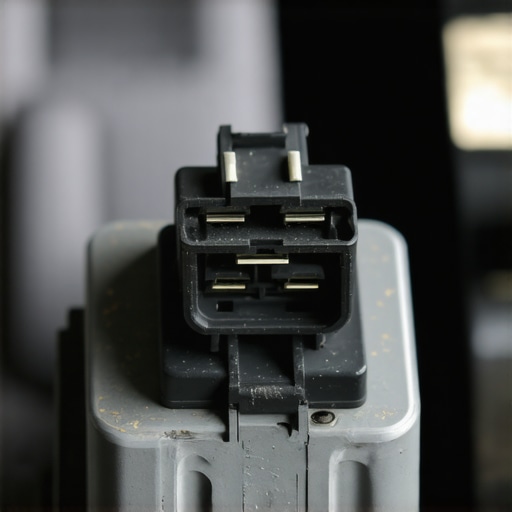
The Micro-Switch Fatigue in Modern Console Shifters
Within the shifter assembly itself, many manufacturers now use miniature micro-switches to verify the physical position of the lever. These switches are delicate and have a finite cycle life. After years of being toggled, the tiny copper leaf springs inside can fatigue or bend, causing the ‘Shift to Park’ error message even when the lever is firmly seated. This specific failure mode often requires a surgical approach to auto repair, involving the replacement of the micro-switch or the entire shifter gate assembly. If you find yourself repeatedly jiggling the handle to get the car to turn off or unlock, you are likely witnessing the early stages of switch failure. Do not ignore these early warnings; stay ahead of the curve by visiting our advanced transmission troubleshooting guide to learn how to identify these failures before they leave you stranded. Have you encountered a shifter that only works when the cabin is warm? Share your diagnostic journey with us and help other owners master their vehicle’s complex electronics.
Expert Insights & Advanced Considerations
Voltage Thresholds are Non-Negotiable
One of the most frequent oversights in vehicle diagnostics is ignoring the specific voltage drop across the shift lock solenoid. Even if your battery shows 12.6V at rest, a high-resistance connection can prevent the solenoid from pulling the pin under load. Experts know that the hidden world of vehicle diagnostics often reveals that a mere 0.5V drop is the difference between a smooth shift and a locked lever.
High Heat Destroys Plastic Actuator Tolerances
If you notice that your gear shifter feels sticky specifically on hot afternoons, you aren’t just imagining things. Inexpensive plastic pivot points within the console can expand just enough to bind the mechanism. A professional car service strategy involves applying high-temp silicone grease to these friction points rather than replacing the entire assembly. #IMAGE_PLACEHOLDER_E#
Logic Loops and Redundancy Systems
Modern safety logic requires specific digital handshakes—meaning the brake must be pressed AND the immobilizer must verify the key. If your security system is glitching, it can manifest as a mechanical shifter lock. Always verify the security light on your dash; if it is flashing rapidly, your transmission troubles might actually be an anti-theft communication failure rather than a mechanical jam.
Curated Expert Resources
SAE International Technical Papers: For those who want to understand the metallurgy and electronic logic behind interlock pins, the Society of Automotive Engineers provides the definitive engineering standards used by manufacturers globally.
NHTSA Recall Databases: A vital tool for auto repair professionals to see if a specific shifter lock issue is a known manufacturing defect or part of a safety recall rather than standard wear and tear.
ASE Certification Prep Materials: These resources offer structured paths to mastering vehicle diagnostics, ensuring you understand the intricate relationship between electrical sensors and mechanical actuators.
Final Expert Perspective
A vehicle trapped in ‘Park’ is rarely a sign of a total transmission collapse; rather, it is a protective response from a highly integrated safety system designed to prevent accidents. By methodically checking the brake switch, cleaning the solenoid, and understanding how to bypass a faulty neutral safety switch in an emergency, you shift the power from the dealership back to your own garage. To truly master these systems, you need more than just a wrench; you need data. Utilizing the 20-dollar scan tool that actually finds hidden transmission codes can save you hours of guesswork. We invite you to share your most challenging shifter stories in the comments or reach out via our contact page—your professional insights help keep this community moving forward.