Mechanical Auditing Beyond the OBD-II Port
In an era where vehicle diagnostics are increasingly dominated by expensive scanning software, the veteran technician understands that mechanical resonance often provides a more nuanced story than a binary fault code. A fuel pump failure does not always manifest as a total system blackout; frequently, it presents as intermittent lean conditions, a stumbling idle, or a persistent no-start condition that can evade standard electronic oversight. Before you commit to expensive car service or component replacement, implementing a tactical mechanical audit can save hours of labor and prevent the misdiagnosis of ancillary sensors. Often, what appears to be a complex auto repair issue is simply a failure of the priming cycle or a compromised electrical circuit. Before diving into the mechanical internals, it is prudent to check the hidden fuse that controls your fuel pump, as power delivery is the foundation of any diagnostic hypothesis.
Can You Hear the Difference Between an Electrical Failure and a Mechanical Jam?
The screwdriver is not merely a prying tool; in the hands of an expert, it acts as a mechanical stethoscope, conducting vibration and sound directly from the fuel tank or the fuel rail to the human ear. By placing the tip of a long-handled screwdriver against the fuel tank and the handle against your ear, you can identify the high-pitched hum of a healthy motor or the erratic grinding of a pump suffering from cavitation. This method reveals 3 signs your fuel pump is dying before your car wont start, specifically by detecting the lack of a smooth ‘whirr’ during the initial two-second priming window. According to data published by the Society of Automotive Engineers (SAE), acoustic emission testing remains one of the most reliable methods for identifying bearing wear in small DC motors before a complete seizure occurs. If the pump is silent, the issue is likely electrical, necessitating a search for the 5 tool for finding electrical shorts in minutes to verify ground integrity.
Mastering the Two-Person Priming Test
True expertise in the field of transmission and fuel system repair involves leveraging a second set of hands to isolate variables in real-time. This diagnostic choreography requires your assistant to cycle the ignition to the ‘on’ position without cranking the engine, while you monitor the fuel rail for pressure and resonance. This ‘synchronized priming’ allows you to observe if the pump receives the initial voltage burst and responds accordingly. If you find that the fuel system remains depressurized despite a functional pump, the failure may lie further downstream in the delivery chain. If you suspect the fuel delivery is inconsistent even with a functional pump, you should learn how to test a fuel injector with a screwdriver to ensure the entire system is operating in harmony. For those looking to refine their diagnostic toolkit, consider contributing your own field observations to professional forums or exploring our deeper technical guides on fuel system architecture.
Stop Chasing Ghost Codes and Test Residual Pressure
Many technicians get distracted by lean-condition trouble codes and immediately blame the oxygen sensors or mass air flow sensor. However, an expert knows that a fuel system must maintain pressure even when the engine is off. This is where residual pressure testing becomes vital. If the pressure drops to zero immediately after the key is turned off, the internal check valve within the pump assembly has likely failed. This failure often explains the real reason your gas mileage suddenly dropped as the ECU attempts to compensate for erratic pressure spikes during the next drive cycle. Without this stored pressure, the fuel in the lines can vaporize, leading to long crank times that many owners mistake for a failing starter or battery. To verify this, connect a mechanical gauge and observe the needle for ten minutes post-shutdown; a steady reading confirms a sealed system, while a slow bleed-off suggests an injector or regulator leak.
Is Your Battery Actually Feeding the Pump What It Needs?
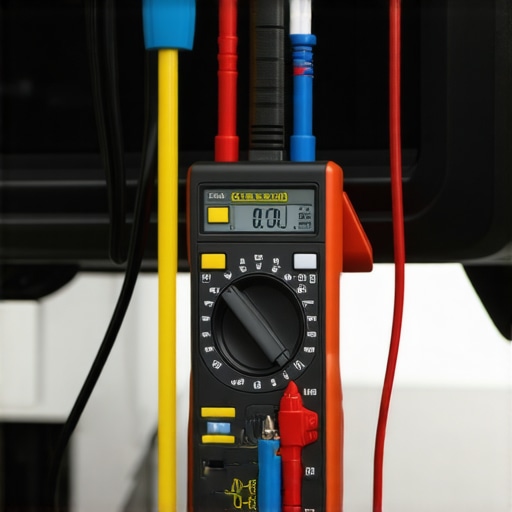
It is a common mistake to assume that if the pump is running, it is receiving the correct voltage. Resistance in aged wiring harnesses or corroded connectors can choke the pump, causing it to run slower than designed. This results in a lack of volume rather than a lack of pressure—a distinction that baffles many. According to Delphi Technologies, a leader in fuel system engineering, even a 0.5-volt drop in the pump’s circuit can lead to a 10% reduction in fuel flow, significantly affecting high-load performance. If you notice your engine struggling under load, it might not be the pump itself, but a parasitic loss within the circuit. You can verify this by learning how to find a parasitic battery drain with a 15 multimeter to ensure your electrical system isn’t bleeding energy elsewhere. Identifying these voltage drops requires probing the connector while the circuit is under load, as a static test will often show a misleading 12 volts.
The Heat Soak Trap That Fools Most Technicians
Vapor lock might sound like a problem from the carburetor era, but modern fuel-injected vehicles are not immune to heat-related delivery issues. When fuel lines are exposed to excessive engine bay heat, the fuel can actually boil within the rail, creating air pockets that the injectors cannot process. This often manifests when the vehicle is restarted after a short trip—a phenomenon known as heat soak. If you find your car struggles specifically in these scenarios, it is crucial to check for external leaks or compromised insulation. Furthermore, if you smell fumes, investigate why your car smells like gas after you fill the tank to rule out evaporative emission failures that mimic fuel pump symptoms. Sometimes, simply knowing the easy way to prime a dry fuel system can bypass these temporary air pockets and get the engine firing again. Expert-level diagnostics require patience and the ability to look past the most obvious symptoms. If your vehicle continues to exhibit strange behavior, such as why your car bogs down when you turn on the air conditioner, it may point to an alternator or load-sensing issue rather than a fuel delivery problem. Have you ever spent hours on a repair only to realize a simple loose ground was the culprit? Share your most challenging diagnostic stories in the comments below—we’d love to hear how you solved those elusive mechanical mysteries.
Pressure Doesn’t Mean Flow and Why You Must Test Volume
Experienced technicians recognize that a static pressure test is only half the diagnostic equation. A fuel pump can maintain 50 PSI against a dead head, yet fail miserably when the engine demands high volume under wide-open throttle. This discrepancy often points to a partially clogged internal strainer or a motor that is physically unable to maintain its rotational speed under load. To verify this, you must conduct a dynamic flow test, measuring how many milliliters of fuel the pump can displace into a graduated cylinder over a thirty-second window. A healthy pump should typically move between 1.5 to 2 liters per minute, though specific specs vary by displacement. If you find your pressure is perfect but the engine bogs under load, volume is your culprit. This is why having the only fuel pressure tester you will ever need is pointless if you don’t also own a simple measuring beaker.

Why Does My Fuel Pump Make More Noise When the Tank Is Low?
Fuel serves two purposes beyond combustion: it cools and lubricates the pump assembly. When you consistently run your vehicle on ‘E,’ the pump is no longer submerged, allowing heat to build up rapidly within the motor housing. This thermal stress causes the internal components to expand at different rates, leading to the high-pitched ‘whine’ often heard in failing units. According to technical documentation from Robert Bosch GmbH, the primary supplier for many OEM fuel systems, running a pump in less than a quarter-tank of fuel can increase internal operating temperatures by as much as 30%, significantly shortening the lifespan of the commutator and brushes. This heat-induced wear is irreversible and eventually leads to the erratic amperage draws that trigger intermittent stalling. If you’ve started hearing that whine, you are likely already on borrowed time.
Look at Your Fuel Trims to See the Pump’s True Health
Before you even pop the hood, the vehicle’s computer is already trying to tell you that the fuel pump is struggling. By monitoring Short-Term Fuel Trim (STFT) and Long-Term Fuel Trim (LTFT) on a live data stream, you can see the exact moment the system leans out. If your LTFT is showing a high positive percentage—meaning the computer is forced to keep the injectors open longer to compensate for a lack of fuel—you have confirmed a delivery issue. Specifically, if the fuel trim numbers improve at idle but skyrocket under load, you are looking at a clear case of pump fatigue. This analytical approach prevents the common mistake of replacing expensive sensors when the mechanical foundation is at fault. For a deeper dive into these numbers, you might find it useful to learn how to read live data on a 100 scanner to catch these trends before they trigger a check engine light.
The Rise of the Returnless System and PWM Control
Modern fuel delivery has evolved far beyond the simple ‘on-off’ relay systems of the 1990s. Most vehicles today utilize a returnless fuel system managed by a Fuel Pump Driver Module (FPDM). Instead of running at a constant 12 volts, the FPDM uses Pulse Width Modulation (PWM) to vary the speed of the pump based on real-time demand. This reduces electrical load and prevents the fuel from heating up as it circulates through the engine bay. Diagnosing these systems requires more than just a multimeter; you need an oscilloscope to verify the integrity of the square wave signal coming from the module. If the duty cycle is stuck at 100% while the engine is at idle, the computer is desperately trying to overcome a mechanical restriction or a failing pump motor. If you suspect your module is the weak link, consider sharing your vehicle’s specific symptoms in our technical forum—our community often has the exact voltage-drop specs for rare enthusiast models.
The Hidden Impact of Ethanol on Aging Fuel Lines
While we focus heavily on the pump and the electronics, the medium itself can be the enemy. Ethanol-blended fuels are hygroscopic, meaning they pull moisture from the air, which can lead to phase separation and internal corrosion within the pump. This corrosion doesn’t just kill the pump; it sends microscopic debris downstream, clogging the incredibly fine screens within the fuel injectors. If you’ve noticed a sudden loss of power after a long period of storage, the chemistry of your fuel might be the true antagonist, slowly eating away at the internal diaphragms and rubber seals that maintain system integrity. When these seals degrade, the pump loses its ability to hold the very residual pressure we discussed earlier, creating a cycle of
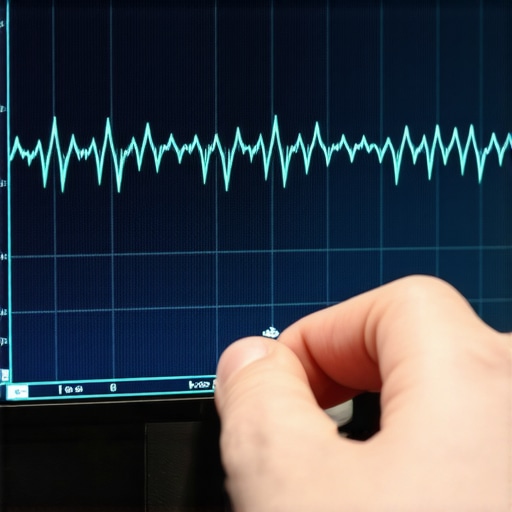
internal degradation that eventually compromises the entire engine’s longevity. This chemical erosion often results in a cycle of intermittent lean-burn conditions that can prematurely age catalytic converters and scorch exhaust valves. To truly isolate these phantom failures, a master technician must move beyond static voltage checks and employ current ramping via an oscilloscope. By wrapping an inductive amp clamp around the fuel pump’s power wire, you can visualize the electromechanical signature of every single commutator bar in the motor. A healthy pump displays a consistent, repetitive wave; however, a shorted winding or a worn brush will manifest as a sharp drop or ‘hiccup’ in the waveform. According to technical resources from Pico Technology, a global leader in automotive oscilloscope diagnostics, current ramping is the only definitive way to spot a failing motor before it generates enough heat to blow a fuse or leave the driver stranded.
Amperage Ramping Tells the Story Your Multimeter Misses
When you interrogate the fuel pump’s electrical health using time-domain analysis, you are essentially looking at the motor’s physical effort in real-time. If the peaks of the waveform are uneven, it indicates that the armature is struggling to maintain a consistent speed, likely due to internal friction or debris. This level of vehicle diagnostics transcends the basic ‘pass/fail’ nature of a test light. If you see a waveform that looks more like a saw blade than a smooth series of hills, the pump’s internal brushes are likely arching. This electrical noise can even backfeed into the vehicle’s CAN-bus network, causing seemingly unrelated errors in the transmission control module or the instrument cluster. Before you assume you have a major computer failure, cleaning the ground points and verifying the pump’s signature can eliminate these ‘ghost’ signals that haunt modern auto repair workflows.
Why Does High Amperage Often Point to a Clogged Filter?
In physics, as resistance to flow increases, the motor must work harder to push the fluid, which inherently draws more current from the battery. If you observe an amperage draw that exceeds the manufacturer’s specification—often 4 to 8 amps for most passenger cars—without a corresponding increase in fuel pressure, you have found a mechanical bottleneck. This usually occurs at the ‘sock’ or the internal strainer within the tank. As the pump fights against this restriction, internal heat rises, and the fuel begins to cavitate, creating bubbles that lead to the lean-condition misfires mentioned earlier. Monitoring these trends is essential for a high-quality car service, as it allows for proactive maintenance before the pump suffers a total catastrophic seizure. If you find your current draw is creeping into the double digits, it is time to drop the tank and inspect for silt and contamination.
Defeat the Vacuum When the Tank Vent Becomes the Enemy
Sometimes the fuel pump isn’t the victim of its own failure, but rather a victim of the atmosphere. The fuel tank must be able to ‘breathe’ to replace the volume of fuel being pumped out. If the EVAP canister or the vent solenoid is stuck closed, the pump begins to pull against an ever-increasing vacuum inside the tank. Eventually, the pump can no longer overcome this negative pressure, and the engine starves for fuel, stalling as if the pump had simply died. A quick way to diagnose this is to carefully crack the gas cap; if you hear a massive rush of air and the engine suddenly restarts and runs perfectly, your pump is healthy but your vent system is failed. This ‘vacuum lock’ scenario is a classic trap for those who rely solely on OBD-II codes, as it rarely triggers a specific ‘pump failure’ code. Instead, it leaves a trail of confusing ‘lean bank’ or ‘system too lean’ messages that lead many to waste money on sensors that aren’t actually broken.
Precise Regulation and the Pulse of the Returnless System
In modern returnless systems, the regulator is often integrated into the pump assembly itself, meaning you cannot simply swap a vacuum-referenced valve on the fuel rail. This integration means that any fluctuation in the regulator’s spring tension or seating results in immediate pressure instability. For technicians working on high-performance builds, understanding the Pulse Width Modulation (PWM) duty cycle of the pump is critical. If the computer is commanding a 90% duty cycle at idle just to maintain base pressure, the pump is mechanically compromised or there is a massive internal leak within the tank assembly. Have you captured a weird waveform or found a unique fuel delivery bottleneck recently? We encourage you to share your diagnostic captures and technical findings in the comments to help our community stay ahead of these evolving automotive challenges.
Master the Nuance of Professional Diagnostics
Stop Trusting Your Multimeter for Dynamic Loads
A multimeter is an essential tool, but it often lies by omission during vehicle diagnostics. Static voltage checks ignore the reality of a circuit under load, where resistance in a corroded wire only manifests as a voltage drop when the pump is actually drawing current. For the most accurate results, use a lab scope to watch the amperage signature; it is the only way to catch a pump with a failing commutator before it leaves the driver stranded. This level of scrutiny is what separates a true professional from someone just swapping parts.
Why Quarter-Tank Driving Kills Fuel Pumps
Fuel acts as a thermal heat sink for the pump motor. When the tank is low, the motor is exposed to air, losing its primary cooling mechanism. This creates a cycle of heat expansion that wears down internal brushes and can lead to the motor seizing during high-demand scenarios. If you find your car runs fine in the city but why your car loses power uphill but runs fine on flat roads, you may be seeing the early stages of thermal fatigue in a pump that has spent too much time in a near-empty tank.
Fuel Trims Reveal Secrets Your Gauge Can’t See
Long-term fuel trims are a historical record of a vehicle’s health. If you see a trim creeping above 10% positive, the ECU is compensating for a lean condition that a mechanical gauge might miss during a short idle test. This data allows you to predict a failure before the check engine light even illuminates. Integrating these data points into your routine car service prevents the frustration of “no-code” diagnostic dead ends and ensures you are not confusing fuel starvation with transmission failures decoded signs and expert fixes.
The Expert’s Technical Library
To truly master fuel delivery and auto repair, you must consult sources that go beyond basic repair manuals. SAE International (Society of Automotive Engineers) provides deep-dive research into acoustic emission testing and motor longevity that is invaluable for forensic-level analysis. For those focused on electrical signatures, the Pico Technology Automotive Library offers a vast database of known-good waveforms, allowing you to compare your current ramping results against industry benchmarks. Finally, Robert Bosch GmbH remains the definitive authority for OEM fuel system architecture and pressure regulation specs.
The Future of Precision Auto Repair
Successful fuel system maintenance requires a synthesis of mechanical intuition and advanced data analysis. By moving beyond basic pressure tests and embracing current ramping and fuel trim monitoring, you gain a transparent view of the engine’s operational health. This methodical approach ensures that every fuel system issue is addressed at the root cause, rather than just treating the symptoms. We invite you to explore the hidden world of vehicle diagnostics to refine your skills further. If you have encountered a particularly stubborn “ghost” code or want to discuss advanced vehicle diagnostics, we encourage you to share your technical findings in the comments below to help our community stay ahead of evolving automotive challenges.