Don’t Waste Money on New Hardware Before Checking the Circuit Protection
In the sophisticated architecture of modern internal combustion engines, the fuel delivery system has transitioned from simple mechanical suction to highly precise, electronically regulated circuits. When a vehicle refuses to start, the immediate instinct for many is to condemn the hardware—the fuel pump itself. However, seasoned experts in auto repair know that the diagnostic logic must begin at the Power Distribution Center (PDC). A blown fuse is rarely an isolated event; it is frequently a symptom of an over-current condition or a protective response to a fault in the wiring harness. Before you commit to a costly transmission or engine diagnostic, you must understand the interplay between the pump motor and its dedicated circuit protection.
Manufacturers Often Conceal Secondary Fuses in Obscure Locations
The primary fuse for the fuel pump is usually found in the engine bay fuse box, often labeled ‘F-PUMP’ or ‘EFG’. However, late-model vehicles frequently employ a secondary ‘hidden’ fuse or a fusible link buried within the Integrated Power Module (IPM) or tucked behind the kick panel on the passenger side. This secondary protection is designed to shield the Fuel Pump Driver Module (FPDM) from voltage spikes. If you have already looked for the 3 signs your fuel pump is dying but find no fuel pressure, the culprit is often this obfuscated electrical component. Professional-grade vehicle diagnostics requires checking not just the fuse itself, but the continuity of the entire loop. According to technical bulletins from SAE International, high resistance in the fuel pump connector is a leading cause of intermittent fuse failure, as the motor draws more amperage to overcome the electrical bottleneck.
Can a Failing Pump Motor Actually Trigger a Fuse Blown Event?
The short answer is yes, and it is a classic case of thermal stress. As a fuel pump ages, the internal brushes wear down, and the commutator becomes fouled. This increases internal friction and electrical resistance, forcing the motor to pull significantly more current than its rated capacity. If your fuel pump fuse is 20 amps and the failing motor starts pulling 22 amps, the fuse will sacrificialy pop to prevent the wiring harness from melting. This is why a simple fuse replacement is rarely a permanent fix. Advanced expert auto repair tips suggest using a low-amp current probe and an oscilloscope to ‘see’ the pump’s health. If the current ramp is jagged or the average draw is too high, the pump is on its last legs despite the new fuse.
Why Modern Fuel Systems Rely on Pulse Width Modulation
Gone are the days when a fuel pump received a steady 12-volt signal whenever the key was on. Modern car service procedures must account for Pulse Width Modulation (PWM), where the ECM cycles the pump on and off hundreds of times per second to vary the pressure. This digital control adds a layer of complexity to the ‘hidden fuse’ search. Sometimes, the ‘fuse’ is actually a solid-state driver within the computer that acts like a circuit breaker. If the system detects a short, it cuts power digitally. Resetting this requires specialized vehicle diagnostics tools rather than a pair of needle-nose pliers. To ensure you are staying ahead of these technological shifts, I encourage you to explore our deep dive into advanced diagnostic tools used by industry professionals.
The Role of the Fuel Pump Relay in Electrical Stability
Beyond the fuse lies the relay, which acts as the high-current switch. A relay with pitted contacts can create enough resistance to mimic a blown fuse or a dead pump. If you hear a ‘click’ but the pump doesn’t prime, the relay is likely energized but failing to pass the current. Expert technicians use a bypass jumper to test the pump’s response directly, bypassing the relay and fuse entirely for a brief moment to isolate the failure point. This methodical approach is a cornerstone of high-level auto repair, ensuring that no parts are replaced until the root electrical cause is verified with 100% certainty.
Poor Grounds Turn Your Wiring Into a Heating Element
While most DIY enthusiasts focus on the positive side of the circuit, the ground side is where many complex auto repair issues actually reside. A corroded or loose ground point creates excessive resistance, which forces the fuel pump to work significantly harder to maintain its flow rate. This electrical strain generates heat, which can eventually melt the plastic housing of the connector or trigger a fuse failure. If you are struggling with a car that won’t stay running, checking the ground path is just as critical as using a $15 multimeter to find parasitic drains. A simple visual inspection isn’t enough; you must verify that the chassis ground is clean, tight, and free of the oxidation that often plagues older vehicles in humid climates.
The Voltage Drop Test That Unmasks Phantom Electrical Failures
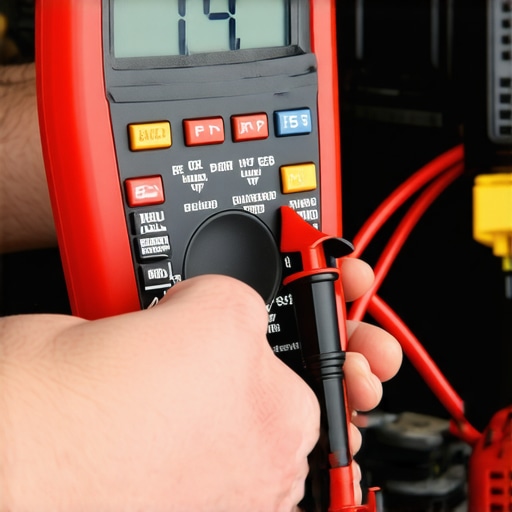
Measuring static voltage at the fuel pump connector might show a perfect 12.6 volts, but that reading is often a lie. A circuit can show full voltage when no work is being done, yet fail miserably the moment the pump tries to draw current. Expert vehicle diagnostics rely on the voltage drop test—measuring the difference in voltage between two points while the circuit is under load. If you find a drop of more than 0.5 volts on the power side, you have a high-resistance problem in the wires or the relay. This is often the precursor to those alarming noises your engine makes when the fuel mixture becomes dangerously lean. By mastering this technique, you can identify a failing wire before it leads to a total system shutdown.
Is Your Fuel Filter Secretly Murdering Your Pump Fuse?
An अक्सर overlooked variable in the electrical equation is the physical condition of the fuel filter. When a filter becomes restricted with sediment, the pump must build significantly higher internal pressure to push fuel through the media. This mechanical resistance directly translates into higher amperage draw. According to data from the Car Care Council, a severely clogged filter can increase the current draw of a fuel pump by up to 40%, often reaching the threshold where the fuse simply gives up. If you’ve noticed that your gas mileage suddenly dropped alongside intermittent starting issues, the electrical system might be crying for help because of a simple maintenance oversight. Changing the filter is a cheap insurance policy against expensive electronic component failure.
Protect Your Computer From Back-EMF Voltage Spikes
Modern vehicles use highly sensitive Engine Control Units (ECUs) to manage fuel delivery. When a fuel pump motor is turned off, the collapsing magnetic field can send a high-voltage spike back through the circuit, known as Back-EMF. If the suppressors or diodes built into the relay or the hidden fuse module fail, these spikes can wreak havoc on the vehicle’s computer. This is why using the right tool for finding electrical shorts is vital; you need to ensure the protection circuits are intact. If you have ever experienced a weird electrical ghost in your car after a fuel pump swap, it might be due to a lack of transient voltage suppression. If you have faced a similar electrical nightmare, share your story in the comments—your struggle could be the breakthrough someone else needs to fix their car today.
Stop Overlooking the Impact Switch That Cuts Your Current
In the hierarchy of missed diagnostic steps, the inertia switch—or fuel pump shut-off switch—reigns supreme. Originally a mechanical ball-and-magnet assembly designed to cut fuel in a rollover, modern versions are often integrated into the Restraint Control Module (RCM). If you hit a particularly nasty pothole or a curb, the system may trigger a ‘soft trip’ that kills power to the pump without deploying an airbag. This creates a phantom electrical break that a standard fuse check won’t reveal. For those performing vehicle diagnostics on Ford or older Jaguar models, physically resetting this switch is often the five-second fix that saves a thousand-dollar repair bill. If the switch has been triggered, the circuit remains open, and no amount of jumping the relay will bring that pump back to life until the safety logic is satisfied.
Why does the fuel pump relay get hot enough to melt its housing?
Heat is the byproduct of resistance, and in a fuel pump circuit, a hot relay is a screaming red flag. When the internal contacts of a relay begin to pit or carbonize, they no longer provide a low-resistance path for the current. This forces the electrons to ‘squeeze’ through a compromised gap, generating localized thermal energy. It is a vicious cycle: heat increases resistance, which in turn generates more heat. Professional auto repair standards dictate that if a relay feels hot to the touch after five minutes of operation, both the relay and the pump’s amperage draw must be scrutinized. A relay should be warm, never painful to touch. If you find signs of melting, the internal coil is likely failing, or the pump itself is drawing current dangerously close to the circuit’s maximum capacity.
The Cooling Myth and Why Your Quarter-Tank Habit Fuses Pumps
It is a common piece of advice, but the science behind it is often misunderstood. Electric fuel pumps are not cooled by the fuel they are submerged in; they are cooled by the fuel passing *through* them. However, maintaining a higher fuel level does provide a thermal sink for the pump assembly. According to technical data from Robert Bosch GmbH, operating a vehicle consistently on a low tank causes the pump to ingest air bubbles (aeration) during cornering or braking. These momentary lapses in fluid flow cause the pump’s internal RPMs to spike—since there is no liquid load—leading to rapid brush wear and eventual electrical shorts. This mechanical stress is a primary driver of the ‘blown fuse’ syndrome that plagues drivers who treat the ‘E’ light as a suggestion rather than a warning.
Hunt for the Green Crusties Inside Your Harness
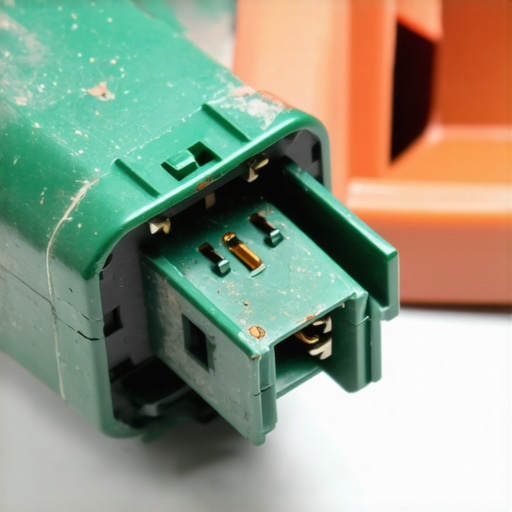
If you have verified the fuse and the relay but still lack power at the tank, the culprit is likely ‘wicking.’ This occurs when moisture enters a wire at a damaged point and travels up the copper strands under the insulation via capillary action. This leads to the infamous ‘green crusties’—copper oxidation that turns a once-conductive wire into a high-resistance insulator. In the realm of high-end car service, we often find this corrosion at the fuel pump hanger connector, where road salt and moisture congregate. A visual inspection of the harness is mandatory; if the insulation feels ‘crunchy’ or stiff when you flex it, the copper inside has likely degraded. Replacing the pump without cleaning the connector or splicing in a fresh pigtail is a recipe for a ‘comeback’ repair that will frustrate both the technician and the owner.
High-Pressure Rails and the High-Stakes Lift Pump Game
For vehicles equipped with Gasoline Direct Injection (GDI), the diagnostic tree becomes a multi-story building. You have a low-pressure lift pump in the tank and a high-pressure fuel pump (HPFP) driven by the camshaft. A ‘hidden’ electrical fault in the lift pump circuit can starve the HPFP, causing a lean condition that triggers limp mode. Interestingly, many ECUs will not throw a code for the lift pump fuse specifically; they will instead throw codes for rail pressure sensor performance. This is where mastering advanced diagnostic tools becomes essential. By monitoring the ‘Low Side’ fuel pressure pids on a scan tool, you can see if the lift pump is struggling to keep up with the demands of the high-pressure system before it reaches a total failure point. The interplay between these two systems means that an electrical bottleneck at the tank can actually cause mechanical damage to the expensive HPFP on the engine. To ensure you aren’t chasing ghosts, I recommend you check out our guide on the early warning signs of pump fatigue to catch these issues before they escalate into a full-scale engine shutdown.
Why the ECU Might Intentionally Kill Your Fuel Flow
In the hierarchy of vehicle diagnostics, it is vital to distinguish between a hardware failure and a software-mandated shutdown. Sometimes, the ‘hidden’ fault isn’t a physical fuse at all, but a logic gate within the Engine Control Unit (ECU). If the vehicle’s security system or immobilizer fails to recognize the transponder key, the ECU will immediately cease the fuel pump command. This creates a scenario where the pump has power during the initial ‘prime’ phase, only to have it cut the moment you attempt to crank the engine. High-level auto repair requires verifying that the security light on the dashboard isn’t the true reason your fuel circuit has gone cold. Without a synchronized ‘handshake’ between the key and the immobilizer, no amount of fuse-swapping will restore fuel pressure.
How can a faulty crankshaft position sensor trigger a fuel delivery ‘ghost’ fault?
One of the most deceptive hurdles in modern car service is the dependency of the fuel pump on the crankshaft position sensor (CKP). To prevent the fuel pump from running during a collision where the engine has stalled, the ECU requires a constant RPM signal. If the CKP sensor fails, the computer assumes the engine is stationary and will refuse to energize the fuel pump relay. This is a safety protocol designed to prevent fuel-fed fires, yet it frequently leads technicians to incorrectly diagnose a dead pump or a blown fuse. According to detailed service manuals from Mitchell 1, identifying whether the lack of fuel is a ‘command’ issue from the ECU or a ‘supply’ issue at the pump is the most critical fork in the diagnostic road. If your tachometer doesn’t move while cranking, your fuel issue might actually be a sensor problem.
When the Digital Handshake Fails in Smart Pump Modules
As we move toward more integrated electronics, many manufacturers have replaced traditional relays with dedicated Fuel Pump Control Modules (FPCM) that reside on the high-speed CAN-bus network. These ‘smart’ modules don’t just receive power; they receive data. If the communication line between the ECU and the FPCM is compromised by electromagnetic interference or a loose pin, the pump will stay dormant. Professional vehicle diagnostics in 2025 often involve checking for ‘U-codes’—network communication errors—rather than just checking for 12 volts at a fuse. These modules are sensitive to voltage fluctuations, and a failing alternator can actually ‘dirty’ the power enough to confuse the FPCM, leading to intermittent stalling that mimics a mechanical pump failure.
Ethanol Corrosion and the Stealthy Death of Internal Wiring
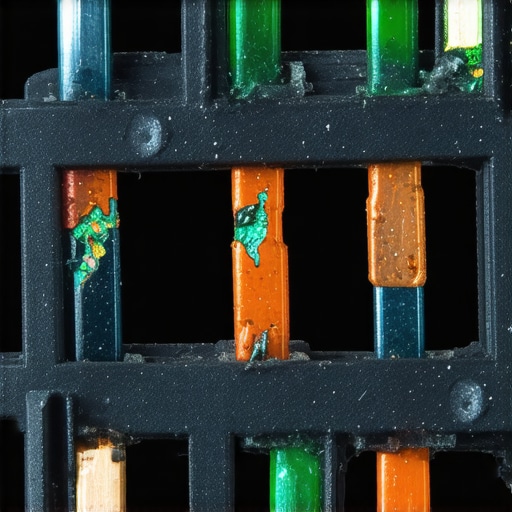
The chemical composition of modern fuels, particularly E15 and E85 blends, has introduced a new variable into auto repair: internal harness degradation. Ethanol is hygroscopic, meaning it attracts moisture. Over time, this moisture can permeate the sub-standard plastic insulation on internal fuel pump pigtails, leading to electrolysis. This process slowly ‘eats’ the copper strands from the inside out, increasing resistance until the circuit eventually fails or pops the fuse. If you find yourself frequently replacing the same fuse, the root cause may be this invisible chemical warfare happening inside your fuel tank. If you’re stuck in a diagnostic loop, check out our guide on advanced diagnostic tools to bridge the gap between basic testing and expert-level repair. Understanding these microscopic failures is what separates a parts-changer from a true master technician.
The Critical Threshold of High-Amperage ‘Wicking’
We previously discussed ‘green crusties,’ but the advanced technician must also look for ‘wicking’—where oil or fuel actually travels inside the wire insulation to the ECU or the fuse block. This fluid intrusion changes the resistance of the wire and can cause the fuse to fail under thermal load. When performing a car service on high-mileage vehicles, always unplug the ECU and check for fluid at the pins. If fluid has reached the connector, it can create a bridge between the fuel pump trigger wire and a ground, causing a constant current draw that drains the battery or melts the protective circuit components. It is a slow-motion disaster that requires a keen eye and a methodical approach to ensure the vehicle remains reliable for the long haul.
Don’t Waste Money on New Hardware Before Checking the Circuit Protection
In the sophisticated architecture of modern internal combustion engines, the fuel delivery system has transitioned from simple mechanical suction to highly precise, electronically regulated circuits. When a vehicle refuses to start, the immediate instinct for many is to condemn the hardware—the fuel pump itself. However, seasoned experts in auto repair know that the diagnostic logic must begin at the Power Distribution Center (PDC). A blown fuse is rarely an isolated event; it is frequently a symptom of an over-current condition or a protective response to a fault in the wiring harness. Before you commit to a costly transmission or engine diagnostic, you must understand the interplay between the pump motor and its dedicated circuit protection.
Manufacturers Often Conceal Secondary Fuses in Obscure Locations
The primary fuse for the fuel pump is usually found in the engine bay fuse box, often labeled ‘F-PUMP’ or ‘EFG’. However, late-model vehicles frequently employ a secondary ‘hidden’ fuse or a fusible link buried within the Integrated Power Module (IPM) or tucked behind the kick panel on the passenger side. This secondary protection is designed to shield the Fuel Pump Driver Module (FPDM) from voltage spikes. If you have already looked for the 3 signs your fuel pump is dying but find no fuel pressure, the culprit is often this obfuscated electrical component. Professional-grade vehicle diagnostics requires checking not just the fuse itself, but the continuity of the entire loop. According to technical bulletins from SAE International, high resistance in the fuel pump connector is a leading cause of intermittent fuse failure, as the motor draws more amperage to overcome the electrical bottleneck.
Can a Failing Pump Motor Actually Trigger a Fuse Blown Event?
The short answer is yes, and it is a classic case of thermal stress. As a fuel pump ages, the internal brushes wear down, and the commutator becomes fouled. This increases internal friction and electrical resistance, forcing the motor to pull significantly more current than its rated capacity. If your fuel pump fuse is 20 amps and the failing motor starts pulling 22 amps, the fuse will sacrificialy pop to prevent the wiring harness from melting. This is why a simple fuse replacement is rarely a permanent fix. Advanced expert auto repair tips suggest using a low-amp current probe and an oscilloscope to ‘see’ the pump’s health. If the current ramp is jagged or the average draw is too high, the pump is on its last legs despite the new fuse.
Why Modern Fuel Systems Rely on Pulse Width Modulation
Gone are the days when a fuel pump received a steady 12-volt signal whenever the key was on. Modern car service procedures must account for Pulse Width Modulation (PWM), where the ECM cycles the pump on and off hundreds of times per second to vary the pressure. This digital control adds a layer of complexity to the ‘hidden fuse’ search. Sometimes, the ‘fuse’ is actually a solid-state driver within the computer that acts like a circuit breaker. If the system detects a short, it cuts power digitally. Resetting this requires specialized vehicle diagnostics tools rather than a pair of needle-nose pliers. To ensure you are staying ahead of these technological shifts, I encourage you to explore our deep dive into advanced diagnostic tools used by industry professionals.
The Role of the Fuel Pump Relay in Electrical Stability
Beyond the fuse lies the relay, which acts as the high-current switch. A relay with pitted contacts can create enough resistance to mimic a blown fuse or a dead pump. If you hear a ‘click’ but the pump doesn’t prime, the relay is likely energized but failing to pass the current. Expert technicians use a bypass jumper to test the pump’s response directly, bypassing the relay and fuse entirely for a brief moment to isolate the failure point. This methodical approach is a cornerstone of high-level auto repair, ensuring that no parts are replaced until the root electrical cause is verified with 100% certainty.
Poor Grounds Turn Your Wiring Into a Heating Element
While most DIY enthusiasts focus on the positive side of the circuit, the ground side is where many complex auto repair issues actually reside. A corroded or loose ground point creates excessive resistance, which forces the fuel pump to work significantly harder to maintain its flow rate. This electrical strain generates heat, which can eventually melt the plastic housing of the connector or trigger a fuse failure. If you are struggling with a car that won’t stay running, checking the ground path is just as critical as using a $15 multimeter to find parasitic drains. A simple visual inspection isn’t enough; you must verify that the chassis ground is clean, tight, and free of the oxidation that often plagues older vehicles in humid climates.
The Voltage Drop Test That Unmasks Phantom Electrical Failures
Measuring static voltage at the fuel pump connector might show a perfect 12.6 volts, but that reading is often a lie. A circuit can show full voltage when no work is being done, yet fail miserably the moment the pump tries to draw current. Expert vehicle diagnostics rely on the voltage drop test—measuring the difference in voltage between two points while the circuit is under load. If you find a drop of more than 0.5 volts on the power side, you have a high-resistance problem in the wires or the relay. This is often the precursor to those alarming noises your engine makes when the fuel mixture becomes dangerously lean. By mastering this technique, you can identify a failing wire before it leads to a total system shutdown.
Is Your Fuel Filter Secretly Murdering Your Pump Fuse?
An overlooked variable in the electrical equation is the physical condition of the fuel filter. When a filter becomes restricted with sediment, the pump must build significantly higher internal pressure to push fuel through the media. This mechanical resistance directly translates into higher amperage draw. According to data from the Car Care Council, a severely clogged filter can increase the current draw of a fuel pump by up to 40%, often reaching the threshold where the fuse simply gives up. If you’ve noticed that your gas mileage suddenly dropped alongside intermittent starting issues, the electrical system might be crying for help because of a simple maintenance oversight. Changing the filter is a cheap insurance policy against expensive electronic component failure.
Protect Your Computer From Back-EMF Voltage Spikes
Modern vehicles use highly sensitive Engine Control Units (ECUs) to manage fuel delivery. When a fuel pump motor is turned off, the collapsing magnetic field can send a high-voltage spike back through the circuit, known as Back-EMF. If the suppressors or diodes built into the relay or the hidden fuse module fail, these spikes can wreak havoc on the vehicle’s computer. This is why using the right tool for finding electrical shorts is vital; you need to ensure the protection circuits are intact. If you have ever experienced a weird electrical ghost in your car after a fuel pump swap, it might be due to a lack of transient voltage suppression. If you have faced a similar electrical nightmare, share your story in the comments—your struggle could be the breakthrough someone else needs to fix their car today.
Stop Overlooking the Impact Switch That Cuts Your Current
In the hierarchy of missed diagnostic steps, the inertia switch—or fuel pump shut-off switch—reigns supreme. Originally a mechanical ball-and-magnet assembly designed to cut fuel in a rollover, modern versions are often integrated into the Restraint Control Module (RCM). If you hit a particularly nasty pothole or a curb, the system may trigger a ‘soft trip’ that kills power to the pump without deploying an airbag. This creates a phantom electrical break that a standard fuse check won’t reveal. For those performing vehicle diagnostics on Ford or older Jaguar models, physically resetting this switch is often the five-second fix that saves a thousand-dollar repair bill. If the switch has been triggered, the circuit remains open, and no amount of jumping the relay will bring that pump back to life until the safety logic is satisfied.
Why does the fuel pump relay get hot enough to melt its housing?
Heat is the byproduct of resistance, and in a fuel pump circuit, a hot relay is a screaming red flag. When the internal contacts of a relay begin to pit or carbonize, they no longer provide a low-resistance path for the current. This forces the electrons to ‘squeeze’ through a compromised gap, generating localized thermal energy. It is a vicious cycle: heat increases resistance, which in turn generates more heat. Professional auto repair standards dictate that if a relay feels hot to the touch after five minutes of operation, both the relay and the pump’s amperage draw must be scrutinized. A relay should be warm, never painful to touch. If you find signs of melting, the internal coil is likely failing, or the pump itself is drawing current dangerously close to the circuit’s maximum capacity.
The Cooling Myth and Why Your Quarter-Tank Habit Fuses Pumps
It is a common piece of advice, but the science behind it is often misunderstood. Electric fuel pumps are not cooled by the fuel they are submerged in; they are cooled by the fuel passing through them. However, maintaining a higher fuel level does provide a thermal sink for the pump assembly. According to technical data from Robert Bosch GmbH, operating a vehicle consistently on a low tank causes the pump to ingest air bubbles (aeration) during cornering or braking. These momentary lapses in fluid flow cause the pump’s internal RPMs to spike—since there is no liquid load—leading to rapid brush wear and eventual electrical shorts. This mechanical stress is a primary driver of the ‘blown fuse’ syndrome that plagues drivers who treat the ‘E’ light as a suggestion rather than a warning.
Hunt for the Green Crusties Inside Your Harness
If you have verified the fuse and the relay but still lack power at the tank, the culprit is likely ‘wicking.’ This occurs when moisture enters a wire at a damaged point and travels up the copper strands under the insulation via capillary action. This leads to the infamous ‘green crusties’—copper oxidation that turns a once-conductive wire into a high-resistance insulator. In the realm of high-end car service, we often find this corrosion at the fuel pump hanger connector, where road salt and moisture congregate. A visual inspection of the harness is mandatory; if the insulation feels ‘crunchy’ or stiff when you flex it, the copper inside has likely degraded. Replacing the pump without cleaning the connector or splicing in a fresh pigtail is a recipe for a ‘comeback’ repair that will frustrate both the technician and the owner.
High-Pressure Rails and the High-Stakes Lift Pump Game
For vehicles equipped with Gasoline Direct Injection (GDI), the diagnostic tree becomes a multi-story building. You have a low-pressure lift pump in the tank and a high-pressure fuel pump (HPFP) driven by the camshaft. A ‘hidden’ electrical fault in the lift pump circuit can starve the HPFP, causing a lean condition that triggers limp mode. Interestingly, many ECUs will not throw a code for the lift pump fuse specifically; they will instead throw codes for rail pressure sensor performance. This is where mastering advanced vehicle diagnostics becomes essential. By monitoring the ‘Low Side’ fuel pressure pids on a scan tool, you can see if the lift pump is struggling to keep up with the demands of the high-pressure system before it reaches a total failure point. The interplay between these two systems means that an electrical bottleneck at the tank can actually cause mechanical damage to the expensive HPFP on the engine.
Why the ECU Might Intentionally Kill Your Fuel Flow
In the hierarchy of vehicle diagnostics, it is vital to distinguish between a hardware failure and a software-mandated shutdown. Sometimes, the ‘hidden’ fault isn’t a physical fuse at all, but a logic gate within the Engine Control Unit (ECU). If the vehicle’s security system or immobilizer fails to recognize the transponder key, the ECU will immediately cease the fuel pump command. This creates a scenario where the pump has power during the initial ‘prime’ phase, only to have it cut the moment you attempt to crank the engine. High-level auto repair requires verifying that the security light on the dashboard isn’t the true reason your fuel circuit has gone cold. Without a synchronized ‘handshake’ between the key and the immobilizer, no amount of fuse-swapping will restore fuel pressure.
How can a faulty crankshaft position sensor trigger a fuel delivery ‘ghost’ fault?
One of the most deceptive hurdles in modern car service is the dependency of the fuel pump on the crankshaft position sensor (CKP). To prevent the fuel pump from running during a collision where the engine has stalled, the ECU requires a constant RPM signal. If the CKP sensor fails, the computer assumes the engine is stationary and will refuse to energize the fuel pump relay. This is a safety protocol designed to prevent fuel-fed fires, yet it frequently leads technicians to incorrectly diagnose a dead pump or a blown fuse. According to detailed service manuals from Mitchell 1, identifying whether the lack of fuel is a ‘command’ issue from the ECU or a ‘supply’ issue at the pump is the most critical fork in the diagnostic road. If your tachometer doesn’t move while cranking, your fuel issue might actually be a sensor problem.
When the Digital Handshake Fails in Smart Pump Modules
As we move toward more integrated electronics, many manufacturers have replaced traditional relays with dedicated Fuel Pump Control Modules (FPCM) that reside on the high-speed CAN-bus network. These ‘smart’ modules don’t just receive power; they receive data. If the communication line between the ECU and the FPCM is compromised by electromagnetic interference or a loose pin, the pump will stay dormant. Professional vehicle diagnostics in 2025 often involve checking for ‘U-codes’—network communication errors—rather than just checking for 12 volts at a fuse. These modules are sensitive to voltage fluctuations, and a failing alternator can actually ‘dirty’ the power enough to confuse the FPCM, leading to intermittent stalling that mimics a mechanical pump failure.
Ethanol Corrosion and the Stealthy Death of Internal Wiring
The chemical composition of modern fuels, particularly E15 and E85 blends, has introduced a new variable into auto repair: internal harness degradation. Ethanol is hygroscopic, meaning it attracts moisture. Over time, this moisture can permeate the sub-standard plastic insulation on internal fuel pump pigtails, leading to electrolysis. This process slowly ‘eats’ the copper strands from the inside out, increasing resistance until the circuit eventually fails or pops the fuse. If you find yourself frequently replacing the same fuse, the root cause may be this invisible chemical warfare happening inside your fuel tank. Understanding these microscopic failures is what separates a parts-changer from a true master technician.
The Critical Threshold of High-Amperage ‘Wicking’
We previously discussed ‘green crusties,’ but the advanced technician must also look for ‘wicking’—where oil or fuel actually travels inside the wire insulation to the ECU or the fuse block. This fluid intrusion changes the resistance of the wire and can cause the fuse to fail under thermal load. When performing a car service on high-mileage vehicles, always unplug the ECU and check for fluid at the pins. If fluid has reached the connector, it can create a bridge between the fuel pump trigger wire and a ground, causing a constant current draw that drains the battery or melts the protective circuit components. It is a slow-motion disaster that requires a keen eye and a methodical approach to ensure the vehicle remains reliable for the long haul.
Expert Insights & Advanced Considerations
FPCM Software Reflashes Solve “Ghost” Cranks
In many modern platforms, a fuel delivery issue isn’t hardware-related but a software glitch within the Fuel Pump Control Module. Manufacturers often release silent updates that recalibrate how the module handles voltage fluctuations during cold starts. Before condemning the wiring, always check for available TSBs regarding module reflashing; it is often the only way to resolve intermittent ‘no-start’ conditions that leave no diagnostic trouble codes.
Thermal Imaging Catches Resistance Before the Fuse Pops
A high-resolution thermal camera is becoming a mandatory part of top auto repair techniques for electrical hunting. By scanning the fuse block while the pump is under load, you can see ‘hot spots’ at specific terminals. This allows you to identify a loose pin fit or internal corrosion in the junction block that a multimeter would miss, effectively preventing a future roadside breakdown.
Lab Scopes Are Non-Negotiable for Pulse Width Modulation
You cannot accurately diagnose a modern fuel pump circuit with a test light. Pulse Width Modulated (PWM) signals happen too fast for the human eye or a standard digital multimeter to capture. Using a lab scope to analyze the duty cycle allows you to see if the ECU is actually commanding the pump to run and if the signal is ‘clean’ or distorted by electrical noise from a failing alternator.
Curated Expert Resources
Mitchell 1 ProDemand: The industry standard for accessing OEM-level wiring diagrams and component locations, essential for finding those hidden secondary fuses and grounding points.
SAE International Technical Papers: Gaining access to peer-reviewed research on fuel pump motor design and the effects of ethanol on internal harness longevity provides a deeper understanding of failure modes.
Bosch Automotive Handbook: Often referred to as the ‘mechanic’s bible,’ this resource offers unparalleled technical detail on the physics of PWM and high-pressure fuel delivery systems.
Final Expert Perspective
Mastering the intricacies of fuel delivery requires moving beyond the simple ‘is the fuse blown’ mentality. True expertise lies in understanding the ecosystem of the circuit—from the software handshake of the ECU to the chemical impact of fuel blends on copper wiring. By approaching vehicle diagnostics as a holistic logic puzzle rather than a parts-replacement race, you ensure lasting reliability for your vehicle. If you are struggling with a persistent electrical ghost, I invite you to reach out to our master technicians or share your diagnostic hurdles in the community; your experience might be the key to another driver’s success.