The Critical Importance of Thermal Equilibrium in Modern Engines
Engine thermal management is far more than a simple matter of preventing overheating; it is the fundamental regulator of volumetric efficiency and component longevity. When a thermostat fails, it disrupts the delicate balance between the engine block and the radiator, often leading to a cascade of mechanical stresses. A thermostat stuck in the closed position is an immediate threat, capable of causing localized boiling and head gasket failure within minutes. Conversely, a unit stuck open prevents the engine from reaching the critical operating window of 195 to 215 degrees Fahrenheit, which is essential for optimal oil viscosity and fuel atomization. Navigating these complexities requires a solid grasp of the hidden world of vehicle diagnostics to differentiate between a simple mechanical blockage and a sensor-related anomaly.
Detecting the Failure Without Specialized Laboratory Equipment
Professional technicians often rely on tactile symptoms before even connecting an OBD-II scanner. If your heater core fails to blow warm air despite the engine running for twenty minutes, the thermostat is likely stuck open. On the flip side, a rapid rise in temperature toward the red zone while the lower radiator hose remains cold to the touch indicates a closed-valve failure. These top auto repair techniques allow you to diagnose the issue at the curb. According to technical standards published by SAE International, thermal cycling fatigue is the primary culprit in these failures, where the internal wax pellet actuator loses its ability to expand and contract accurately over thousands of heat cycles. Utilizing high-quality vehicle diagnostics early can prevent a minor part from causing a total engine seizure.
Is it a Thermostat Failure or a Deeper Cooling System Crisis?
Before committing to a replacement, it is vital to ask whether the thermostat is the root cause or merely a symptom of a larger hydraulic issue. For instance, air pockets trapped within the cooling jacket can simulate the symptoms of a stuck thermostat by preventing coolant from reaching the wax pellet. In many cases, performing a thorough system purge—and locating the hidden drain plug that most people miss during a radiator flush—can resolve flow issues that might otherwise be misdiagnosed as hardware failure. If you have encountered a persistent cooling ghost in your vehicle, we invite you to contribute your professional insights to our ongoing technical discussion on advanced cooling mechanics.
The Sub-$15 Solution to Restore Your Coolant Flow
Restoring your vehicle’s thermal health does not require a massive investment in parts. Most OEM-spec thermostats for common domestic and import engines retail for between $8 and $12, leaving enough in a $15 budget for a new gasket or a small tube of high-temperature RTV sealant. The process involves draining a portion of the coolant, removing the thermostat housing—usually secured by two or three bolts—and swapping the units. Precision is key during this procedure: ensuring the ‘jiggle valve’ or bleed hole is oriented at the 12 o’clock position is a professional nuance that prevents air-lock during the refilling process. This simple, cost-effective intervention can save thousands in potential engine rebuilding costs, proving that expert auto repair tips for 2025 focus on proactive, low-cost maintenance rather than reactive, expensive overhauls. Mastering these minor fixes ensures your transmission and engine operate within the safe margins intended by the original manufacturers.
When the Computer Misinterprets Your Engine’s Fever
In modern fuel-injected vehicles, the mechanical thermostat works in tandem with the Engine Coolant Temperature (ECT) sensor to feed data to the Powertrain Control Module (PCM). A common pitfall for DIY mechanics is replacing a functional thermostat when the actual culprit is a skewed sensor or a corroded electrical connector. If your dashboard gauge fluctuates wildly but the engine feels physically cool, you may be dealing with a resistance issue in the wiring harness. Utilizing the $30 tool that lets you see inside your engine can help you inspect the sensor housing for scale buildup that might be insulating the probe from the actual coolant temperature. This digital-mechanical disconnect often triggers a ‘limp mode,’ where the car reduces power to protect itself from a perceived overheat that isn’t actually happening.
Why Does Your Brand New Thermostat Keep Failing?
If you have replaced your thermostat twice in one year, the hardware likely isn’t the problem—the environment is. Electrolysis, a process where stray electrical currents travel through the coolant, can eat through the metal housing of a new thermostat in months. This usually happens when the engine block’s ground straps are loose or corroded. According to technical bulletins from Car and Driver, maintaining the correct pH balance of your coolant is essential; once the anti-corrosion additives are depleted, the liquid becomes an electrolyte. If you suspect your cooling system is under chemical attack, checking the voltage of your coolant with a digital tool—much like how you would how to find a parasitic battery drain with a 15 multimeter—can reveal if your engine is literally dissolving its own parts from the inside out.
Combat the Chemical Erosion Destroying Your Cooling Passages
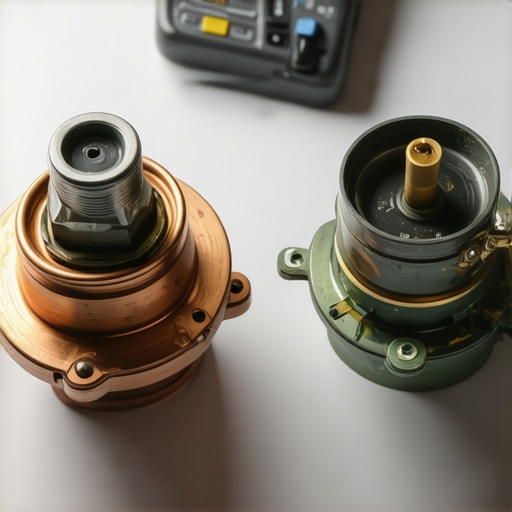
Scale and sludge are the silent killers of thermostat efficiency. When old coolant breaks down, it forms a silicate ‘dropout’ that can coat the wax pellet of the thermostat, delaying its response time by several critical seconds. This delay causes the engine to overshoot its target temperature before the valve finally snaps open, leading to repeated thermal expansion and contraction that eventually cracks the cylinder head. Before you install a new unit, it is imperative to verify the integrity of the surrounding system. If you notice white smoke or a sweet smell from the exhaust, you should immediately learn the easy way to check for a blown head gasket at home to ensure your new thermostat isn’t about to be subjected to extreme combustion pressures. Have you ever dealt with a cooling system that seemed to defy logic? Share your most difficult diagnostic story in the comments below to help our community of enthusiasts learn from real-world experience.
The Connection Between Cooling Health and Mechanical Performance
A properly functioning thermostat is the first line of defense against catastrophic failure, but it is part of a broader ecosystem. If your cooling system is struggling, you may begin to notice 3 noises your engine makes that mean you should stop driving immediately, such as a sharp metallic pinging known as pre-ignition or ‘knock.’ This occurs when the combustion chamber temperatures exceed the cooling capacity of the block, often because a partially stuck thermostat is restricting flow just enough to create ‘hot spots’ in the rear cylinders. Expert-level maintenance means looking past the simple fix and understanding how a ten-dollar valve influences everything from fuel economy to the structural integrity of your pistons. By treating the thermostat as a critical precision instrument rather than a simple gatekeeper, you ensure your vehicle remains reliable for years to come.
Keep the Pressure High to Prevent Early Boil-Over
While the thermostat controls the flow, the radiator cap manages the environment. It is a common misconception that the thermostat is solely responsible for preventing a boil-over. In reality, every pound of pressure applied by the radiator cap raises the boiling point of your coolant by approximately three degrees Fahrenheit. If your cap fails to hold the rated 13 to 16 PSI, the coolant may boil locally inside the engine head even if the thermostat is wide open. This creates steam pockets that act as insulators, preventing heat transfer and leading to the very head gasket failures we strive to avoid. Regularly testing your cap’s spring tension is as vital as checking the thermostat itself, ensuring the entire system stays pressurized and liquid-stable under load.
Does a 160-Degree Thermostat Make More Power?
In the world of performance tuning, many enthusiasts swap their factory 195-degree units for cooler 160-degree versions, hoping to densify the intake charge. However, this often leads to a phenomenon known as open-loop purgatory. Modern ECUs are programmed to remain in a rich-running startup mode until a specific temperature threshold—usually around 175 degrees—is met. By forcing the engine to run at 160 degrees, you may actually decrease fuel economy and cause excessive carbon buildup on valves because the computer never leans out the mixture. For those looking to optimize their setup, understanding the hidden world of vehicle diagnostics is essential to see if your PCM is actually reaching closed-loop operation with a modified thermostat.
Eliminate Pump Cavitation Before It Destroys the Cooling Jacket
When a thermostat is partially restricted or the system pressure is inconsistent, the water pump can suffer from cavitation—the formation and sudden collapse of vapor bubbles. These collapses are so violent they can literally erode the metal of the pump impeller and the internal engine passages. According to technical diagnostic guides from Gates Corporation, cavitation is often a symptom of pump starvation where the thermostat doesn’t allow enough volume through the suction side of the pump. This erosion sends tiny metallic shards through your cooling system, which can then lodge in the heater core or radiator tubes, causing a secondary blockage. Have you noticed a high-pitched whining noise from your engine that changes with RPM? This could be the sound of your pump struggling against a restricted flow, a warning sign that requires immediate top auto repair techniques to rectify before the pump fails entirely.
The Bypass Hose Secret for Faster Warm-Ups
Many vehicle owners overlook the small bypass hose that connects the thermostat housing back to the water pump. This critical path allows a small amount of coolant to circulate through the block while the thermostat is still closed. Without this bypass, the coolant surrounding the cylinders would remain stagnant and overheat while the coolant at the thermostat remains relatively cool, leading to a massive temperature differential that can crack a cast-iron block. If you are performing a flush, ensure this bypass is clear of debris. If your car takes an unusually long time to warm up even with a new thermostat, the bypass might be stuck open or improperly routed. We encourage you to share your experiences with bypass circuit modifications or unique cooling setups in our technical forum; your real-world data helps others avoid common installation errors.
The mechanical thermostat is rapidly becoming a relic as manufacturers shift toward sophisticated map-controlled cooling modules. These units utilize an internal resistance heater that can override the physical expansion of the wax, allowing the Engine Control Module (ECM) to preemptively open the cooling circuit based on throttle position and predicted load. This level of precision is why modern engines can maintain tighter tolerances for both performance and emissions. If you are troubleshooting a 2015 or newer vehicle, simply checking the coolant temperature isn’t enough; you must verify the duty cycle of the thermostat heater. Failure here often results in a ‘P0597’ code, indicating an open circuit that leaves the engine running significantly cooler or hotter than the optimal map dictates.
Why Your Car’s Computer Now Dictates Flow
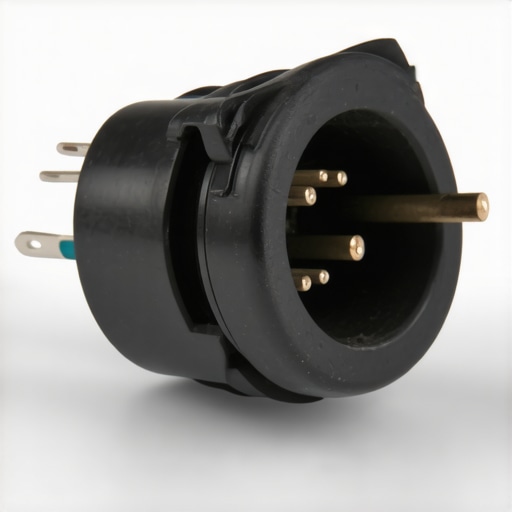
In these high-tech systems, the ECM monitors air intake temperature, engine load, and even vehicle speed to decide when to ‘cheat’ the thermostat open. For example, during a high-speed merge onto a highway, the computer may activate the internal heater to drop engine temperatures by 20 degrees in anticipation of the heat soak that follows aggressive acceleration. Navigating these complexities requires more than just a wrench; you need a bidirectional scan tool to command the thermostat open during diagnostic tests. According to the technical certification standards from the National Institute for Automotive Service Excellence (ASE), misinterpreting these electronic commands as mechanical failures is one of the most common diagnostic errors in modern shops today.
Stop Killing Your Heater Core with Excessive Silicone
One of the most frequent mistakes during a thermostat replacement is the ‘more is better’ approach to RTV sealant. While a thin bead can help a paper gasket seat, globbing excessive silicone onto the housing often results in ‘snakes’ of cured rubber breaking off inside the system. These fragments travel directly to the narrowest passages in your engine: the heater core and the radiator tubes. Once a heater core is clogged with silicone debris, it is nearly impossible to flush out, often requiring a dashboard-tearing replacement that costs ten times the price of the original repair. Always opt for high-quality top auto repair techniques by using precision-cut gaskets and only a microscopic film of sealant where necessary.
Can a failing water pump mimic a stuck-closed thermostat?
Distinguishing between a failed pump and a stuck valve is a hallmark of expert-level diagnostics. If the internal impeller of a water pump has eroded or ‘spun’ on its shaft, it will fail to circulate coolant even if the thermostat is wide open. The primary differentiator is the behavior of the temperature at idle versus under load. A stuck thermostat usually causes a steady, unrelenting climb toward the red zone. In contrast, a failing pump might allow the engine to stay cool at idle—where the heat load is low—but cause an immediate spike as soon as the vehicle moves. To confirm, you can safely squeeze the upper radiator hose (using protective gear) while a helper revs the engine; a lack of felt pressure surge often points to the pump rather than the thermostat.
The Fan and the Valve Must Work in Sync
A perfectly functioning thermostat is useless if the electric cooling fans are not pulling air through the radiator fins. In many vehicles, the fan is programmed to kick on at 220 degrees Fahrenheit, which is slightly above the thermostat’s full-open temperature. If your fan relay is burnt out, the thermostat will open, the radiator will fill with hot coolant, but the heat has nowhere to go. This creates a feedback loop where the thermostat stays permanently open, yet the engine continues to overheat. This intersection of mechanical flow and electrical airflow is a critical pillar of vehicle diagnostics that every owner should verify before condemning their hardware. Which of these advanced cooling failures have you encountered in the shop? Share your diagnostic findings below and let’s refine our collective repair knowledge.
Expert Insights & Advanced Considerations
Fuel Trims Tell the True Story
A professional technician knows that if the long-term fuel trims remain positive while the car is idling, the engine might not be reaching its target heat. A thermostat that hangs just five degrees too low keeps the system in a permanent warm-up enrichment map. This wastes fuel and eventually dilutes the oil with unburned gasoline. Using the hidden world of vehicle diagnostics, you can spot these subtle deviations before they trigger a Check Engine Light. Monitoring how the oxygen sensors react to these temperature shifts is the secret to pinpointing efficiency losses.
Stop Relying on Dashboard Gauges
Modern gauges are often heavily buffered, meaning they stay pointed at the middle even if the actual temperature fluctuates between 180 and 220 degrees. To truly understand your cooling health, you should use the $30 tool that lets you see inside your engine data stream in real-time. Seeing the raw digits allows you to identify a lazy thermostat that is oscillating rather than holding a steady thermal floor, which is a common precursor to total hardware failure.
The Hidden Risk of Fail-Safe Hardware
Many owners install fail-safe units that lock open if an overheat occurs. While this sounds logical, a single momentary temperature spike—perhaps from a heavy hill—can lock the thermostat open permanently. This leads to the simple reason your car wont start only when the engine is hot, as the computer struggles with inconsistent sensor readings during heat soak. High-quality OEM parts are generally superior to these secondary-market alternatives because they offer more predictable thermal cycling.
#IMAGE_PLACEHOLDER_E#
Curated Expert Resources
Deep Research via SAE International
This organization provides the gold standard for automotive engineering standards. Their technical papers offer deep dives into heat exchanger efficiency and the physics of wax pellet actuators for those who want to understand the fluid dynamics of their engine.
Gates Corporation Technical Library
An essential resource for mastering top auto repair techniques. They provide specific bulletins focusing on pump cavitation, belt-driven system synchronization, and the chemical breakdown of modern coolants.
ASE Advanced Performance Standards
The National Institute for Automotive Service Excellence provides the framework for diagnosing complex cooling-to-emission interactions. Their study materials are invaluable for understanding how a simple mechanical valve affects the entire electronic engine management system.
Final Expert Perspective
Managing a persistent thermostat failure effectively requires a transition from reactive parts-swapping to proactive system analysis. By integrating digital data with mechanical verification, you protect the engine from the thermal stresses that lead to head gasket and transmission failure. We invite you to apply these expert auto repair tips for 2025 to your own maintenance routine. If you have questions about specific diagnostic readings or cooling system quirks, join our technical community below to discuss the future of automotive thermal management and share your professional findings.