Solve Idle Hunting for the Price of a Lunch Special
A rough idle is often the first symptom of a systemic imbalance within the internal combustion engine’s delicate ecosystem. While many technicians immediately suggest expensive component replacements—such as ignition coils or fuel injectors—expert-level vehicle diagnostics reveal that the culprit is frequently a minor pneumatic discrepancy. This “hunting” sensation, where the RPM needle bounces rhythmically, typically indicates that the Engine Control Unit (ECU) is struggling to maintain the stoichiometric ratio due to unmetered air entering the system. Often, the fix involves nothing more than a $20 PCV valve or a simple intake gasket, yet it is frequently bypassed in favor of higher-margin auto repair jobs.
Why Your ECU Can’t Fix a Cracked Vacuum Line
Modern vehicles rely on a closed-loop system where oxygen sensors provide feedback to the computer to adjust fuel delivery. However, when a vacuum leak occurs downstream of the Mass Air Flow (MAF) sensor, the engine receives “extra” air it didn’t account for. According to research by the Society of Automotive Engineers (SAE), fuel trim compensations can only mask these issues up to a certain percentage before the engine begins to stumble. You can often pinpoint these leaks yourself and stop your engine from hunting at idle using basic household items like a cigar or soapy water, avoiding the $150-an-hour diagnostic fee at a dealership.
Is Your Oxygen Sensor Giving You Bad Advice?
Many drivers assume a “Lean Condition” code (P0171 or P0174) means the oxygen sensor is failing. In reality, the sensor is usually doing its job perfectly—reporting that there is too much oxygen in the exhaust. Replacing the sensor without checking for physical air leaks is a common mistake in car service. If the idle stabilizes when you increase the RPM, you are likely dealing with a vacuum leak rather than a sensor failure, as the higher volume of metered air at speed makes the small leak less significant. If you’re seeing multiple warning lights alongside a rough idle, consider examining our guide on post-repair light resets to ensure your diagnostic path is clear.
Reclaiming Transmission Smoothness Through Idle Control
The relationship between engine idle and gear engagement is tighter than most realize. A stumbling engine can cause a transmission to shift harshly because the torque converter isn’t receiving a consistent input speed. When the idle is erratic, the fluid pressure within the valve body may fluctuate, leading to a “thud” when shifting into gear. Before you assume you need a rebuild, ensure your throttle body is clean; a carbon-caked butterfly valve can be restored for pennies, solving both the rough idle and the perceived transmission lag. This is the quintessence of professional-grade auto repair tips for 2025: look for the simplest mechanical failure before blaming the complex electronics.
Stop Chasing Ghosts and Check Your Ground Wires
Grounding issues are the silent killers of smooth idling. Even a microscopic layer of oxidation on a ground strap can create electrical ‘noise’ that disrupts the sensitive signals sent from the MAF or crank position sensors to the ECU. This interference results in erratic idle corrections that no amount of fuel additive will fix. If you have ever noticed that your headlights dim when you turn the wheel or that your radio signal crackles, you might be dealing with a systemic grounding failure. Before you let a shop talk you into a new alternator, learn how to spot a bad ground wire that is likely starving your ignition system of the voltage it needs to maintain a steady burn.
Can a Screwdriver Really Save You From a Costly Injector Swap?
One of the most effective tools in a master technician’s arsenal is a simple long-handled screwdriver. By placing the tip against the body of a fuel injector and the handle against your ear, you can hear the mechanical ‘click’ of the solenoid firing. A silent or muffled click indicates a sticking injector, which can cause an imbalanced fuel-to-air ratio and subsequent idle hunting. This old-school method is a cornerstone of testing fuel injectors without specialized gauges. If one cylinder is lagging, the ECU will constantly adjust the remaining injectors to compensate, creating a rhythmic surging that many DIYers misdiagnose as a failing spark plug.

Why Your Idle Only Misbehaves on Chilly Mornings
Thermal expansion plays a critical role in the integrity of your intake system. Rubber gaskets and plastic manifolds contract when cold, potentially opening up leak paths that disappear once the engine reaches operating temperature. This explains why your transmission shifts hard when the engine is cold; the inconsistent vacuum pressure prevents the vacuum modulator from timing the shifts correctly. Expert diagnostic data from the National Institute for Automotive Service Excellence (ASE) suggests that cold-start rough idling is frequently tied to intake plenum gaskets that have lost their elasticity. Addressing this specific gasket failure is a low-cost repair that prevents long-term catalytic converter damage caused by running lean every morning.
Clean the Butterfly Valve Before Replacing the Motor
Modern drive-by-wire systems rely on a small motor to actuate the throttle plate. Over time, oily vapors from the PCV system coat the edges of the plate with carbon, forcing the motor to fight for every millimeter of movement. This resistance causes the idle to overshoot or undershoot its target. Instead of buying a $400 throttle assembly, use the easy way to clean your car throttle body using a lint-free cloth and specialized solvent. Have you encountered a persistent idle surge that refused to go away? Share your diagnostic journey in the comments below or read our guide on finding a mechanic who won’t charge you for parts you don’t need.
Look Toward the Crankcase When the Intake Seems Solid
When you have smoke-tested the intake manifold and found no external leaks, the search must turn inward. The Positive Crankcase Ventilation (PCV) system is a frequent source of ‘ghost’ leaks that bypass standard diagnostic checks. A PCV valve that is stuck in the open position allows an excessive amount of crankcase blow-by and unmetered air to flow directly into the intake plenum. This bypasses the throttle plate entirely, creating a lean condition that the ECU desperately tries to counteract by dumping more fuel, leading to that characteristic rhythmic surging. To verify this, simply pinch the vacuum hose leading to the PCV valve while the engine is hunting; if the idle immediately stabilizes, you have found your culprit without spending a dime on sensors.
Can a Faulty Gas Cap Really Make Your Idle Surge?
While a loose gas cap usually just triggers a Check Engine Light, a more sinister failure within the Evaporative Emission (EVAP) system can wreak havoc on your idle quality. The EVAP purge valve is designed to stay closed during idle, preventing fuel vapors from the charcoal canister from entering the combustion chamber. If this valve leaks, the engine receives an unpredictable ‘slug’ of fuel-rich vapor. According to technical documentation from the California Air Resources Board (CARB), even minor deviations in evaporative pressure control can lead to significant variations in short-term fuel trims. Testing this requires a vacuum pump to ensure the purge valve holds a seal when de-energized, a step often missed by general service shops.
Reset the Computer’s Memory After Every Cleaning
One of the most frustrating experiences for a DIYer is cleaning a filthy throttle body only to find the engine idling even higher or more erratically than before. This happens because the ECU has ‘learned’ to open the throttle plate wider to compensate for years of carbon buildup. When that gunk is removed, the old adaptation values are now incorrect for the clean, high-flow environment. Performing an ‘Idle Relearn’ procedure is essential. On many vehicles, this involves a specific sequence of key turns and pedal presses, or it may require a scan tool to reset the ‘Adaptive Fuel Trims.’ If you are unsure of the sequence for your specific make, our deep dive into advanced vehicle diagnostics covers the software reset protocols for most major manufacturers.
Why Does My RPM Spike Only When I Use the Defroster?
This nuanced symptom points directly to the ‘Idle Up’ logic within the ECU. When high-load accessories like the A/C compressor or the rear defroster are activated, the engine must increase torque to prevent stalling. This is managed by the Idle Air Control (IAC) valve or the electronic throttle body. If the Power Steering Pressure (PSP) switch or the A/C request signal is intermittent, the ECU may fluctuate between two different idle targets. This ‘hunting’ isn’t a vacuum leak at all, but rather a digital confusion caused by a failing pressure switch or a corroded electrical connector. Before replacing the compressor, try disconnecting the PSP switch; if the surging stops during low-speed maneuvers, the switch is sending false high-pressure signals to the computer.
The Critical Role of Fuel Pressure Regulation in Steady Combustion
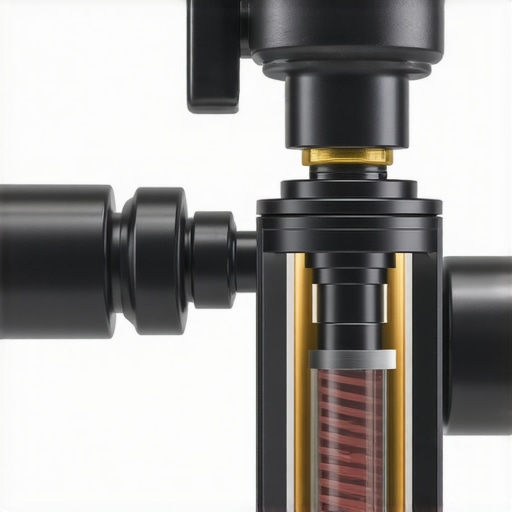
We often focus on the air side of the equation, but a failing fuel pressure regulator can mimic a vacuum leak with startling accuracy. Many older fuel-injected engines use a vacuum-referenced regulator located on the fuel rail. If the internal rubber diaphragm ruptures, the engine’s vacuum literally sucks raw gasoline through the reference hose and into the intake. This creates a localized rich condition that causes the RPM to dip sharply before the oxygen sensor forces a correction. You can diagnose this in seconds by pulling the vacuum line off the regulator; if there is a hint of liquid fuel inside the hose, the regulator is toast. This mechanical failure is a prime example of why we emphasize foundational auto repair techniques—sometimes the most complex symptoms have the most tangible, physical causes.
Don’t Ignore the Harmonic Balancer’s Subtle Wobble
When every vacuum line is sealed and the sensors are reporting perfect data, the source of a rhythmic idle hunting might not be combustion-related at all. The harmonic balancer, or crankshaft damper, is responsible for absorbing the torsional vibrations of the engine. Over time, the rubber isolating ring can delaminate, causing the outer pulley to slip or wobble. This mechanical eccentricity mimics an engine misfire or a surge because the crankshaft position sensor—which reads the teeth on that very balancer—detects a variation in rotational speed. Instead of an electronic fault, you are witnessing a physical oscillation that the ECU tries to “fix” by adjusting fuel trim, leading to a frustrating diagnostic loop. Inspecting the balancer for cracks or a visible “runout” is a master-level step often overlooked in standard vehicle diagnostics.
Can an Alternator Ripple Hide Behind a Perfect Battery Voltage?
Electrical “noise” is the bane of modern automotive computers. While your multimeter might show a healthy 14.2 volts at the battery, a failed diode inside the alternator can allow alternating current (AC) to “ripple” into the direct current (DC) system. This AC ripple creates electromagnetic interference that confuses the signals from the Mass Air Flow sensor and the Ignition Control Module. Expert diagnostics provided by Pico Technology demonstrate how using an oscilloscope to visualize the charging system waveform can reveal these hidden electrical ghosts. If your idle hunts only when the headlights or blower motor are on, you aren’t looking for a leak; you’re looking for a failing alternator bridge that is polluting your car’s digital communication. 
Find the Ghost of a Stretched Timing Chain
In many modern high-compression engines, a minute stretch in the timing chain—as little as a few millimeters—can throw the camshaft and crankshaft correlation out of sync. While not enough to trigger a catastrophic “out of time” code, this slight discrepancy forces the ECU to constantly hunt for a stable idle by manipulating the variable valve timing (VVT) solenoids. This creates a soft, rhythmic surging that feels like a vacuum leak but doesn’t respond to traditional smoke testing. If you notice your idle stabilizes slightly after a fresh oil change, it could be a sign that the VVT solenoids were struggling with sludge or low pressure to maintain that delicate timing balance. This is where advanced auto repair moves beyond part-swapping and into the realm of precision mechanical analysis.
Stop Carbon Buildup from Choking Your GDI Engine
Gasoline Direct Injection (GDI) has revolutionized efficiency, but it has a dark side: “carbon coking” on the intake valves. Because fuel is sprayed directly into the cylinder rather than over the intake valves, there is no solvent to wash away the oily mist from the PCV system. This buildup disrupts the laminar flow of air into the combustion chamber, causing turbulence that the ECU cannot predict. This results in a stumble or “hunting” idle that feels like a fouled spark plug. While chemical sprays offer a temporary fix, high-level car service often requires “walnut blasting”—a process of using pressurized walnut shells to scrub the valves clean without damaging the cylinder head. If you’ve been chasing a rough idle on a modern BMW, Audi, or Ford EcoBoost, the solution might be more about “dentistry” for your valves than replacing sensors. Have you ever tried a chemical intake cleaning only to have the problem return a month later? Join the discussion in our forums and see why professional-grade walnut blasting is becoming the standard for long-term engine health.
Expert Insights & Advanced Considerations
Why Stoichiometric Targets Are Often Moving Targets
Technicians frequently focus on the 14.7:1 ratio as an absolute, but modern ECUs prioritize stability over theoretical perfection during the warm-up cycle. If your engine hunts only during the transition from open-loop to closed-loop, you are likely witnessing a software conflict where the computer is misinterpreting the rapid decrease in resistance from the O2 sensors. This is where advanced vehicle diagnostics become essential to separate sensor latency from actual mechanical lean conditions.
Watch the Long-Term Fuel Trim Percentage
A healthy engine should ideally hover within +/- 5% fuel trim. If you see numbers climbing toward 15% or 20%, the system is on the verge of a CEL, but it is already causing an erratic idle. Using the right scan tool allows you to see these corrections in real-time, often pointing to a failing fuel pump or a clogged filter before the car even realizes it is sick.
EMI and the Proximity of Ignition Wires
Electromagnetic Interference (EMI) is often overlooked in older vehicles with aftermarket ignition wires. If high-voltage lines are routed too close to the crank or cam sensor wiring, the resulting ‘noise’ can cause minute timing retardations that manifest as a rhythmic stumble. This is a classic case of auto repair techniques favoring physical organization as much as component replacement.
Walnut Blasting Is Not a Luxury Service
For GDI engines, physical carbon removal is a maintenance necessity, not an optional upgrade. If your idle persists after cleaning the throttle body, the intake valves are likely shielded by a layer of ‘coke’ that prevents proper air tumbling. This physical obstruction leads to localized lean spots in the cylinder that no amount of software adaptation can fix.
Curated Expert Resources
SAE International Technical Papers
The gold standard for understanding the physics of internal combustion. Their research into fuel atomization and intake manifold dynamics provides the scientific foundation for troubleshooting complex idle issues.
ASE Training Manuals
Genuinely authoritative for those looking to bridge the gap between hobbyist and professional. These manuals offer systematic approaches to electrical troubleshooting that prevent ‘parts-cannon’ diagnostic styles.
Pico Technology Waveform Library
An invaluable database for seeing how sensors should look under an oscilloscope. Comparing your car’s erratic sensor signal to a known-good waveform is the fastest way to confirm an electrical fault.
Final Expert Perspective
Mastering a steady idle is less about finding a single ‘broken’ part and more about verifying the integrity of the entire air-fuel-spark triangle. Whether you are dealing with a simple vacuum leak or complex transmission failures that put a drag on the engine, the solution always begins with data. True expertise in modern auto repair requires a disciplined diagnostic path that favors measurement over assumption. Have you encountered a ‘ghost’ idle that defied logic? We invite you to share your findings or consult our library of advanced troubleshooting guides to refine your technical edge.
#IMAGE_PLACEHOLDER_E#