A rhythmic vibration or a distinct “stutter” occurring specifically between 40 and 50 mph represents one of the most deceptive symptoms in modern automotive repair. While a standard DIY approach often leads to the immediate replacement of spark plugs or ignition coils, professional-grade vehicle diagnostics frequently reveal that the culprit is actually downstream in the drivetrain. This phenomenon, often described as “rumble strip shudder,” typically indicates a failure in the Torque Converter Clutch (TCC) system rather than a combustion failure. When the engine is under light load at cruising speeds, the transmission control module (TCM) commands a mechanical lock-up to improve fuel efficiency, and if the hydraulic environment is compromised, the result is a jarring mechanical hesitation that mimics an engine misfire.
The Crucial 40mph Lock-Up Point
At approximately 40mph, most modern automatic transmissions shift into their highest gear and engage the torque converter’s internal clutch. This lock-up eliminates the slip inherent in a fluid coupling, creating a direct mechanical link between the engine and the wheels. If the transmission fluid has suffered thermal breakdown or if the friction linings are glazed, the clutch cannot maintain a steady grip. This results in a cycle of rapid slipping and gripping. Many technicians refer to this as transmission failures decoded through physical feedback, where the shuddering is the literal sound and feel of a clutch failing to find purchase. This is often exacerbated by the industry-wide push for thin, low-viscosity fluids that are highly susceptible to shear over time.
Isolate the Driveline from the Combustion Cycle
To accurately identify the source, an expert uses a process of elimination that moves beyond simple code reading. A valuable field-tested technique involves lightly tapping the brake pedal with your left foot while maintaining speed with your right. This action signals the TCM to disengage the TCC. If the stuttering vanishes instantly, the issue is confirmed within the transmission; if it persists, the search returns to the engine or tires. It is vital to recognize that the truth about lifetime transmission fluid claims is often the root cause here; fluid that has lost its friction-modifying additives cannot support smooth TCC engagement. According to research published by SAE International, the friction coefficient of transmission fluid must remain within a narrow window to prevent stick-slip vibrations in modern electronically controlled converter clutches.
Could the TCC Solenoid be Your Ghost in the Machine?
Beyond the fluid itself, the pulse-width modulated (PWM) solenoid that controls hydraulic pressure to the converter can become clogged or electrically weak. This component acts as the gatekeeper for the TCC; if it cannot maintain steady pressure, the clutch will “hunt,” creating a sensation of surging or stuttering. If you notice this behavior, don’t wait for a check engine light that may never come. You should explore specialized repair strategies to address hydraulic pressure issues before the friction material inside the converter completely disintegrates and contaminates your entire gear set.
Vibration vs. Hesitation Logic
Experienced mechanics distinguish between an engine-based hesitation, which usually worsens under heavy acceleration, and a speed-specific shudder. If your vehicle feels like it is driving over a rumble strip only when you are feathering the throttle at 40mph, you are likely dealing with a torque converter issue. Conversely, a true engine misfire will typically manifest most aggressively when climbing a hill or during wide-open throttle transitions. Understanding this distinction is the cornerstone of professional auto repair, saving hours of unnecessary labor on the ignition system.
Software logic often overrides mechanical reality in the age of computerized drivetrains. If your vehicle shutters specifically between 40 and 50 mph, the Transmission Control Module (TCM) might be working with corrupted adaptive values. These are internal data tables where the computer learns the wear patterns of clutches to adjust hydraulic shift timing. Over time, these values can drift so far from factory specifications that the Torque Converter Clutch (TCC) engagement becomes erratic and jerky. Utilizing the 20 dollar scan tool that does more than the dealership rig allows you to monitor TCC Slip Speed in real-time. If the slip speed oscillates wildly while the solenoid command remains steady, you are likely dealing with a data mismatch or a failing solenoid rather than a total mechanical collapse. 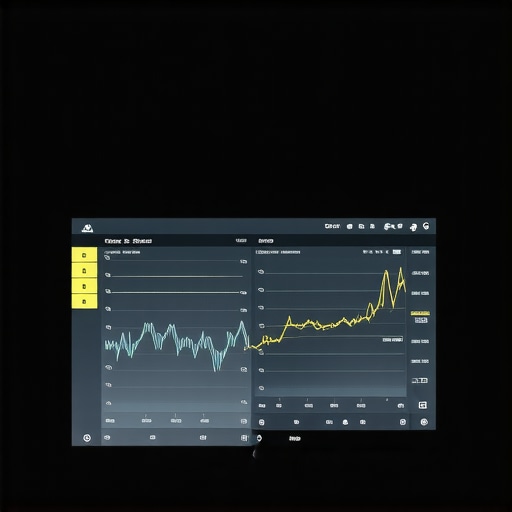
How Often Should You Reset Your Transmission’s Learning Pattern?
Resetting these adaptives is not a standard maintenance item, but it is a critical diagnostic step after any fluid service or battery replacement. Many owners find that why your automatic transmission shifts hard when the engine is cold is often linked to the TCM attempting to apply hot-weather shift logic to thickened, high-viscosity cold fluid. According to technical data from Transmission Digest, failing to perform an adaptive reset after a fluid change can lead to accelerated wear on the friction plates, as the computer continues to apply outdated pressure profiles to the new, more slippery fluid.
Stop the Cross-Contamination Before Your Fluid Turns Into a Slurry
A more sinister cause of the mid-speed shudder involves the vehicle’s cooling system. Most automatic vehicles utilize an internal cooling loop for transmission fluid located inside the radiator tank. If this internal barrier breaches, engine coolant mixes with transmission fluid, creating a destructive emulsion often called the strawberry milkshake of death. This mixture specifically targets and dissolves the water-soluble glues that hold the friction material to the torque converter clutch. While performing preventative maintenance, don’t overlook the hidden drain plug most people miss during a radiator flush to ensure no acidic or contaminated coolant remains to compromise your transmission seals.
Identify the Leaks That Kill Hydraulic Pressure
Hydraulic pressure is the lifeblood of the TCC system, and even minor pressure drops can manifest as a 45 mph vibration. A pinhole leak in a transmission cooler line can introduce air into the hydraulic circuit, causing the fluid to foam. Because aerated fluid is compressible, it cannot provide the rock-solid clamping force required for a clean lock-up. Before authorizing an expensive torque converter replacement, inspect your external lines; sometimes the 20 dollar fix for a leaky radiator hose or a simple line fitting is the only thing standing between you and a smooth-shifting vehicle. If your car exhibits these symptoms alongside a sudden loss of power, you may also need to investigate how to fix a car that dies while driving to ensure the issue isn’t related to a failing fuel pump mimicking a transmission hesitation. Have you noticed your car vibrating only at specific speeds? Share your experience in the comments or read our guide on ignition misfires to rule out engine-related causes.
Clean Your Sensors to Kill the Phantom Shudder
While hydraulic and electronic failures dominate the discussion, mechanical interference from engine load sensors often goes unnoticed. The Transmission Control Module relies heavily on the “Engine Load” parameter to determine the exact duty cycle of the TCC solenoid. If your Mass Air Flow (MAF) sensor is reporting even slightly skewed data—a common occurrence in high-mileage vehicles that haven’t yet tripped a P0101 code—the TCM may apply the clutch with insufficient pressure for the actual torque being produced. This creates a micro-slip condition that feels like a stutter. Cleaning the sensor with a specialized solvent is a low-cost diagnostic step that frequently resolves “phantom” transmission issues without opening the gearbox. If you’ve already attempted this, you might need to deepen your diagnostic arsenal to see how the computer interprets load in real-time.
Eliminate Electrical Interference Before Swapping Parts
Modern vehicles are rolling Faraday cages of electromagnetic interference (EMI). A failing alternator diode or a corroded engine-to-chassis ground strap can introduce “noise” into the electrical system. This noise can interfere with the Pulse Width Modulation (PWM) signal sent to the TCC solenoid. Instead of a clean, steady command, the solenoid receives a garbled message, causing the valve to flutter rapidly. This flutter translates directly into the 45-mph vibration owners report. Professional technicians often use an oscilloscope to check for AC voltage ripple in the DC circuit. According to the technical engineering team at Sonnax Industries, the physical wear on the TCC regulator valve bore is often accelerated by these inconsistent electrical commands, eventually leading to a permanent hydraulic leak that no software update can fix. 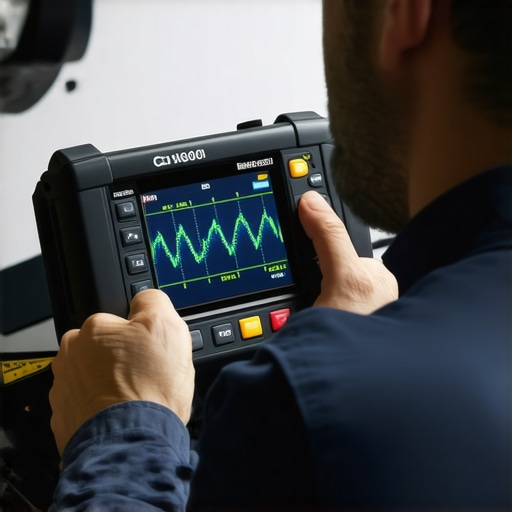
Why does the vibration stop when I shift into Neutral?
Shifting into neutral while the vibration is occurring is a definitive way to separate engine/transmission issues from tire and wheel balance. When you move the selector to “N”, you disconnect the engine’s power flow from the rest of the drivetrain and usually command the TCC to disengage immediately. If the vibration vanishes the moment the RPMs drop to idle, you have effectively ruled out a bent rim, an out-of-balance tire, or a warped driveshaft. However, if the shaking persists even as you coast, your focus should shift toward identifying suspension secrets like worn control arm bushings or a failing CV axle that has lost its internal dampening properties.
Inspect the Unseen Mechanical Spine
We often get so caught up in the digital side of diagnostics that we ignore the physical hardware connecting the transmission to the wheels. A universal joint (U-joint) that has seized in one plane of motion will often vibrate most noticeably under the specific torque load experienced at cruising speeds. Unlike a TCC shudder, which feels like a horizontal “stutter,” a failing U-joint often produces a higher-frequency “buzz” that resonates through the floorboards. Similarly, a worn CV axle tulip—the inner joint that allows for plunging movement—can create a rhythmic wobble when the vehicle is at the exact ride height maintained during a 40-50 mph cruise. Before condemning a torque converter, ensure you have physically inspected these components for play or heat-discoloration. The interaction between driveline angles and transmission outputThe interaction between driveline angles and transmission output is the missing link in many unresolved shudder cases. If a vehicle has been modified or even if the rear suspension has sagged significantly, the working angles of the universal joints can shift out of their phased synchronization. When these angles vary by more than a single degree from front to rear, they introduce a non-uniform velocity into the driveshaft. This produces a torsional vibration that peaks exactly at cruising speeds, often mirroring the cadence of a TCC shudder. A professional technician uses a digital clinometer to verify these angles, ensuring the mechanical spine of the vehicle remains in harmony. 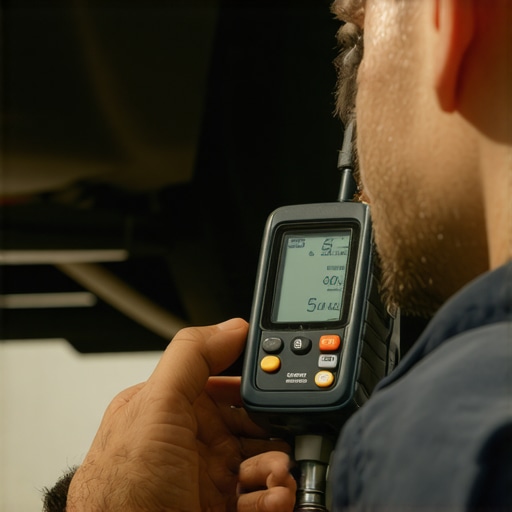
Why Driveline Geometry Matters More Than You Think
Torsional vibrations caused by incorrect driveline angles are particularly deceptive because they often disappear under heavy acceleration, just like a torque converter issue might. However, the root cause is purely geometric. When the transmission output shaft and the differential pinion are not parallel, the U-joint must speed up and slow down twice per revolution to compensate. This rapid fluctuation in driveshaft speed creates a harmonic resonance that travels through the chassis. If you have recently replaced a transmission or a rear differential, ensuring that the mounting heights are factory-spec is paramount. Even a few millimeters of deviation in the transmission mount height can throw the entire geometry into a chaotic state, leading to that frustrating 45-mph vibration that feels like a software glitch but is actually a physical misalignment.
Don’t Overlook the Rubber Dampening Your Drivetrain
Before assuming your torque converter’s internal clutch is toast, inspect the hydraulic engine and transmission mounts. Modern luxury and performance vehicles use vacuum-actuated or fluid-filled mounts designed to cancel out specific engine frequencies. When the internal fluid leaks out or the rubber hardens, the mount loses its ability to isolate the cabin from the natural “stutter” inherent in low-RPM cylinder deactivation or TCC lock-up. A collapsed mount can turn a minor, normal mechanical vibration into a bone-rattling shudder that feels like a major transmission failure. Check for staining around the mount brackets or use a pry bar to see if the rubber has separated from the metal housing.
Does a Cracked Flexplate Mimic a Torque Converter Failure?
An often-ignored mechanical failure is the structural integrity of the flexplate. This thin metal disc connects the engine’s crankshaft to the torque converter. Over hundreds of thousands of cycles, stress fractures can develop around the bolt holes. As these cracks expand, the flexplate can warp slightly under load, causing the torque converter to spin off-center. This imbalance creates a rhythmic vibration between 40 and 50 mph that mimics a TCC slip. Distinguishing this requires a careful inspection through the transmission’s dust cover or starter hole. If you hear a faint metallic “tinkling” at idle that turns into a heavy vibration at speed, the flexplate is a prime suspect.
Scan for Software TSBs Before Tearing Down Hardware
In the era of the “connected car,” mechanical symptoms are frequently solved with a keyboard rather than a wrench. Manufacturers regularly release Technical Service Bulletins (TSBs) that address TCC shudder through software recalibration. These updates often adjust the “slip target” of the converter clutch, allowing for a few extra RPM of slip to dampen out vibrations that the physical hardware can no longer handle. According to industry-leading technical data from the Automatic Transmission Rebuilders Association (ATRA), many late-model shudder issues are resolved entirely by updating the TCM to a version that utilizes improved hydraulic pressure strategies. Always check for available flash updates for your VIN before authorizing a component replacement. Have you checked your vehicle’s TSB history yet? Doing so could save you thousands in unnecessary hardware costs; join our community discussion to see which software versions fixed similar issues for other owners.
A rhythmic vibration or a distinct “stutter” occurring specifically between 40 and 50 mph represents one of the most deceptive symptoms in modern automotive repair. While a standard DIY approach often leads to the immediate replacement of spark plugs or ignition coils, professional-grade vehicle diagnostics frequently reveal that the culprit is actually downstream in the drivetrain. This phenomenon, often described as “rumble strip shudder,” typically indicates a failure in the Torque Converter Clutch (TCC) system rather than a combustion failure. When the engine is under light load at cruising speeds, the transmission control module (TCM) commands a mechanical lock-up to improve fuel efficiency, and if the hydraulic environment is compromised, the result is a jarring mechanical hesitation that mimics an engine misfire.
The Crucial 40mph Lock-Up Point
At approximately 40mph, most modern automatic transmissions shift into their highest gear and engage the torque converter’s internal clutch. This lock-up eliminates the slip inherent in a fluid coupling, creating a direct mechanical link between the engine and the wheels. If the transmission fluid has suffered thermal breakdown or if the friction linings are glazed, the clutch cannot maintain a steady grip. This results in a cycle of rapid slipping and gripping. Many technicians refer to this as transmission failures decoded through physical feedback, where the shuddering is the literal sound and feel of a clutch failing to find purchase. This is often exacerbated by the industry-wide push for thin, low-viscosity fluids that are highly susceptible to shear over time.
Isolate the Driveline from the Combustion Cycle
To accurately identify the source, an expert uses a process of elimination that moves beyond simple code reading. A valuable field-tested technique involves lightly tapping the brake pedal with your left foot while maintaining speed with your right. This action signals the TCM to disengage the TCC. If the stuttering vanishes instantly, the issue is confirmed within the transmission; if it persists, the search returns to the engine or tires. It is vital to recognize that the truth about lifetime transmission fluid claims is often the root cause here; fluid that has lost its friction-modifying additives cannot support smooth TCC engagement. According to research published by SAE International, the friction coefficient of transmission fluid must remain within a narrow window to prevent stick-slip vibrations in modern electronically controlled converter clutches.
Could the TCC Solenoid be Your Ghost in the Machine?
Beyond the fluid itself, the pulse-width modulated (PWM) solenoid that controls hydraulic pressure to the converter can become clogged or electrically weak. This component acts as the gatekeeper for the TCC; if it cannot maintain steady pressure, the clutch will “hunt,” creating a sensation of surging or stuttering. If you notice this behavior, don’t wait for a check engine light that may never come. You should explore specialized repair strategies to address hydraulic pressure issues before the friction material inside the converter completely disintegrates and contaminates your entire gear set.
Vibration vs. Hesitation Logic
Experienced mechanics distinguish between an engine-based hesitation, which usually worsens under heavy acceleration, and a speed-specific shudder. If your vehicle feels like it is driving over a rumble strip only when you are feathering the throttle at 40mph, you are likely dealing with a torque converter issue. Conversely, a true engine misfire will typically manifest most aggressively when climbing a hill or during wide-open throttle transitions. Understanding this distinction is the cornerstone of professional auto repair, saving hours of unnecessary labor on the ignition system.
Software logic often overrides mechanical reality in the age of computerized drivetrains. If your vehicle shutters specifically between 40 and 50 mph, the Transmission Control Module (TCM) might be working with corrupted adaptive values. These are internal data tables where the computer learns the wear patterns of clutches to adjust hydraulic shift timing. Over time, these values can drift so far from factory specifications that the Torque Converter Clutch (TCC) engagement becomes erratic and jerky. Utilizing the 20 dollar scan tool that does more than the dealership rig allows you to monitor TCC Slip Speed in real-time. If the slip speed oscillates wildly while the solenoid command remains steady, you are likely dealing with a data mismatch or a failing solenoid rather than a total mechanical collapse.
How Often Should You Reset Your Transmission’s Learning Pattern?
Resetting these adaptives is not a standard maintenance item, but it is a critical diagnostic step after any fluid service or battery replacement. Many owners find that why your automatic transmission shifts hard when the engine is cold is often linked to the TCM attempting to apply hot-weather shift logic to thickened, high-viscosity cold fluid. According to technical data from Transmission Digest, failing to perform an adaptive reset after a fluid change can lead to accelerated wear on the friction plates, as the computer continues to apply outdated pressure profiles to the new, more slippery fluid.
Stop the Cross-Contamination Before Your Fluid Turns Into a Slurry
A more sinister cause of the mid-speed shudder involves the vehicle’s cooling system. Most automatic vehicles utilize an internal cooling loop for transmission fluid located inside the radiator tank. If this internal barrier breaches, engine coolant mixes with transmission fluid, creating a destructive emulsion often called the strawberry milkshake of death. This mixture specifically targets and dissolves the water-soluble glues that hold the friction material to the torque converter clutch. While performing preventative maintenance, don’t overlook the hidden drain plug most people miss during a radiator flush to ensure no acidic or contaminated coolant remains to compromise your transmission seals.
Identify the Leaks That Kill Hydraulic Pressure
Hydraulic pressure is the lifeblood of the TCC system, and even minor pressure drops can manifest as a 45 mph vibration. A pinhole leak in a transmission cooler line can introduce air into the hydraulic circuit, causing the fluid to foam. Because aerated fluid is compressible, it cannot provide the rock-solid clamping force required for a clean lock-up. Before authorizing an expensive torque converter replacement, inspect your external lines; sometimes the 20 dollar fix for a leaky radiator hose or a simple line fitting is the only thing standing between you and a smooth-shifting vehicle. If your car exhibits these symptoms alongside a sudden loss of power, you may also need to investigate how to fix a car that dies while driving to ensure the issue isn’t related to a failing fuel pump mimicking a transmission hesitation. Have you noticed your car vibrating only at specific speeds? Share your experience in the comments or read our guide on ignition misfires to rule out engine-related causes.
Clean Your Sensors to Kill the Phantom Shudder
While hydraulic and electronic failures dominate the discussion, mechanical interference from engine load sensors often goes unnoticed. The Transmission Control Module relies heavily on the “Engine Load” parameter to determine the exact duty cycle of the TCC solenoid. If your Mass Air Flow (MAF) sensor is reporting even slightly skewed data—a common occurrence in high-mileage vehicles that haven’t yet tripped a P0101 code—the TCM may apply the clutch with insufficient pressure for the actual torque being produced. This creates a micro-slip condition that feels like a stutter. Cleaning the sensor with a specialized solvent is a low-cost diagnostic step that frequently resolves “phantom” transmission issues without opening the gearbox. If you’ve already attempted this, you might need to deepen your diagnostic arsenal to see how the computer interprets load in real-time.
Eliminate Electrical Interference Before Swapping Parts
Modern vehicles are rolling Faraday cages of electromagnetic interference (EMI). A failing alternator diode or a corroded engine-to-chassis ground strap can introduce “noise” into the electrical system. This noise can interfere with the Pulse Width Modulation (PWM) signal sent to the TCC solenoid. Instead of a clean, steady command, the solenoid receives a garbled message, causing the valve to flutter rapidly. This flutter translates directly into the 45-mph vibration owners report. Professional technicians often use an oscilloscope to check for AC voltage ripple in the DC circuit. According to the technical engineering team at Sonnax Industries, the physical wear on the TCC regulator valve bore is often accelerated by these inconsistent electrical commands, eventually leading to a permanent hydraulic leak that no software update can fix.
Why does the vibration stop when I shift into Neutral?
Shifting into neutral while the vibration is occurring is a definitive way to separate engine/transmission issues from tire and wheel balance. When you move the selector to “N”, you disconnect the engine’s power flow from the rest of the drivetrain and usually command the TCC to disengage immediately. If the vibration vanishes the moment the RPMs drop to idle, you have effectively ruled out a bent rim, an out-of-balance tire, or a warped driveshaft. However, if the shaking persists even as you coast, your focus should shift toward identifying suspension secrets like worn control arm bushings or a failing CV axle that has lost its internal dampening properties.
Inspect the Unseen Mechanical Spine
We often get so caught up in the digital side of diagnostics that we ignore the physical hardware connecting the transmission to the wheels. A universal joint (U-joint) that has seized in one plane of motion will often vibrate most noticeably under the specific torque load experienced at cruising speeds. Unlike a TCC shudder, which feels like a horizontal “stutter,” a failing U-joint often produces a higher-frequency “buzz” that resonates through the floorboards. Similarly, a worn CV axle tulip—the inner joint that allows for plunging movement—can create a rhythmic wobble when the vehicle is at the exact ride height maintained during a 40-50 mph cruise. Before condemning a torque converter, ensure you have physically inspected these components for play or heat-discoloration. The interaction between driveline angles and transmission output is the missing link in many unresolved shudder cases. If a vehicle has been modified or even if the rear suspension has sagged significantly, the working angles of the universal joints can shift out of their phased synchronization. When these angles vary by more than a single degree from front to rear, they introduce a non-uniform velocity into the driveshaft. This produces a torsional vibration that peaks exactly at cruising speeds, often mirroring the cadence of a TCC shudder. A professional technician uses a digital clinometer to verify these angles, ensuring the mechanical spine of the vehicle remains in harmony.
Why Driveline Geometry Matters More Than You Think
Torsional vibrations caused by incorrect driveline angles are particularly deceptive because they often disappear under heavy acceleration, just like a torque converter issue might. However, the root cause is purely geometric. When the transmission output shaft and the differential pinion are not parallel, the U-joint must speed up and slow down twice per revolution to compensate. This rapid fluctuation in driveshaft speed creates a harmonic resonance that travels through the chassis. If you have recently replaced a transmission or a rear differential, ensuring that the mounting heights are factory-spec is paramount. Even a few millimeters of deviation in the transmission mount height can throw the entire geometry into a chaotic state, leading to that frustrating 45-mph vibration that feels like a software glitch but is actually a physical misalignment.
Don’t Overlook the Rubber Dampening Your Drivetrain
Before assuming your torque converter’s internal clutch is toast, inspect the hydraulic engine and transmission mounts. Modern luxury and performance vehicles use vacuum-actuated or fluid-filled mounts designed to cancel out specific engine frequencies. When the internal fluid leaks out or the rubber hardens, the mount loses its ability to isolate the cabin from the natural “stutter” inherent in low-RPM cylinder deactivation or TCC lock-up. A collapsed mount can turn a minor, normal mechanical vibration into a bone-rattling shudder that feels like a major transmission failure. Check for staining around the mount brackets or use a pry bar to see if the rubber has separated from the metal housing.
Does a Cracked Flexplate Mimic a Torque Converter Failure?
An often-ignored mechanical failure is the structural integrity of the flexplate. This thin metal disc connects the engine’s crankshaft to the torque converter. Over hundreds of thousands of cycles, stress fractures can develop around the bolt holes. As these cracks expand, the flexplate can warp slightly under load, causing the torque converter to spin off-center. This imbalance creates a rhythmic vibration between 40 and 50 mph that mimics a TCC slip. Distinguishing this requires a careful inspection through the transmission’s dust cover or starter hole. If you hear a faint metallic “tinkling” at idle that turns into a heavy vibration at speed, the flexplate is a prime suspect.
Scan for Software TSBs Before Tearing Down Hardware
In the era of the “connected car,” mechanical symptoms are frequently solved with a keyboard rather than a wrench. Manufacturers regularly release Technical Service Bulletins (TSBs) that address TCC shudder through software recalibration. These updates often adjust the “slip target” of the converter clutch, allowing for a few extra RPM of slip to dampen out vibrations that the physical hardware can no longer handle. According to industry-leading technical data from the Automatic Transmission Rebuilders Association (ATRA), many late-model shudder issues are resolved entirely by updating the TCM to a version that utilizes improved hydraulic pressure strategies. Always check for available flash updates for your VIN before authorizing a component replacement. Have you checked your vehicle’s TSB history yet? Doing so could save you thousands in unnecessary hardware costs; join our community discussion to see which software versions fixed similar issues for other owners.
Expert Insights & Advanced Considerations
Thermal Degradation Trumps Mileage Every Time
We often focus on the odometer, but the chemical stability of your fluid is the real factor in TCC performance. High-heat cycles from stop-and-go driving can shear down friction modifiers long before the service interval arrives. If you are experiencing transmission troubles, start with a chemical analysis of the fluid, not just a visual check.
Verify the Harmonic Balance of Your Tires
While we emphasize the torque converter, remember that a vibration at 40-50 mph can occasionally be a tire out of balance that only resonates at that specific rotational frequency. This is similar to why your steering wheel vibrates at exactly 60 mph, though the lower speed threshold often points back to the internal transmission clutch.
The Software Component is Non-Negotiable
Modern transmissions are computers with gears attached. If you haven’t checked for TSBs, you aren’t doing a complete job. You may find that how to diagnose a misfire without a code reader becomes irrelevant once a software flash fixes the shudder by altering the PWM duty cycle of the lock-up solenoid.
Curated Expert Resources
Sonnax Industries Tech Library: A premier destination for understanding the hydraulic physics of torque converter clutches and valve body wear.
ATRA (Automatic Transmission Rebuilders Association): Provides technical seminars and data sheets specifically focused on real-world transmission failure patterns.
Transmission Digest: A deep-dive trade publication that offers case studies on deceptive vibrations and electronic shift logic.
Final Expert Perspective
Mastering the 45-mph vibration requires shifting your mindset from “parts swapping” to systematic vehicle diagnostics. Whether the root cause is a failing transmission clutch, a software glitch, or a simple misaligned U-joint, a professional auto repair strategy always begins with isolating the system. By using the techniques discussed—from the brake-tap test to monitoring live slip data—you move beyond guesswork into the realm of precision maintenance. If you’ve encountered a particularly stubborn shudder that defied traditional fixes, join our professional community or contact us for advanced diagnostic support. Your insights could be the missing link for another owner facing the same ghost in the machine.