A vehicle dying while driving represents a critical intersection of safety risk and mechanical complexity. This phenomenon often stems from a sudden disruption in the stoichiometric ratio or a catastrophic loss of electrical continuity. From a professional auto repair perspective, diagnosing an intermittent stall requires a systematic isolation of the ‘big three’—fuel, spark, and air—while simultaneously monitoring the CAN bus for communication lags. When the internal combustion process is interrupted at speed, the loss of vacuum-assisted braking and hydraulic power steering creates an immediate emergency. Resolving this issue isn’t merely about parts replacement; it is an exercise in advanced vehicle diagnostics to ensure the car service performed addresses the root cause rather than just the symptom.
Fuel Delivery Failures That Stall Your Momentum
The fuel system is often the primary suspect when an engine cuts out under load. A failing fuel pump may provide enough pressure for idling but fail to meet the increased volumetric demands of highway speeds. In many cases, the culprit is not the pump itself but the electrical circuit providing power to it. For instance, the hidden fuse that controls your fuel pump can suffer from micro-fractures that expand as they heat up, causing a sudden break in current that kills the engine instantly. Technicians should also inspect the fuel pressure regulator and the fuel filter for blockages that could cause lean-out conditions. If your vehicle feels breathless before it dies, the problem is almost certainly a delivery restriction rather than a sensor failure.
Why Does the Engine Cut Out Only After Reaching Operating Temperature?
This specific behavior often points toward a failing crankshaft or camshaft position sensor. These components are responsible for telling the PCM exactly when to fire the spark plugs and fuel injectors. As these sensors age, their internal copper windings can expand when exposed to engine heat, leading to an open circuit. Once the engine cools down, the connection is restored, and the car starts again. This cycle is a classic diagnostic marker that separates electronic component heat-soak from mechanical transmission or fuel issues. According to technical safety data from the National Highway Traffic Safety Administration, such intermittent electronic failures are a leading cause of unexpected stalling in modern fleets.
Electrical Continuity and the Grounding Paradox
In the realm of modern automotive engineering, the chassis ground is just as important as the positive battery terminal. A compromised ground strap can cause the ECU to lose its reference voltage, leading to a total system reboot while you are in motion. Learning how to identify a bad ground wire without a multimeter can save hours of labor, as these issues often leave no permanent error codes. Furthermore, a failing alternator can intermittently spike or drop voltage, confusing the sensitive electronics required for modern car service and engine management. If you notice flickering lights or a sluggish response before the stall, the electrical charging system requires immediate attention.
If you are struggling with inconsistent engine performance, we recommend investigating the hidden world of vehicle diagnostics to uncover latent issues before they leave you stranded on the road.
The Silent Death of Combustion via Sensor Drift
Not all stalls are catastrophic; some are the result of the PCM making incorrect adjustments based on faulty data. The Mass Air Flow (MAF) sensor and the Idle Air Control (IAC) valve are critical for maintaining the engine’s breath. A dirty MAF sensor might report a lower volume of air than is actually entering the cylinders, leading to a lean stall during deceleration. This is why routine auto repair maintenance, such as cleaning the intake tract, is vital. When the sensor drift becomes too great, the engine can no longer compensate, resulting in a stall that feels like a simple ‘conking out’ at a stoplight or during coasting. Always verify sensor data pids before assuming a mechanical failure in the engine or transmission.
Stop the Air Leak Before the ECU Panics
While sensor data remains a cornerstone of vehicle diagnostics, the mechanical integrity of the intake system often dictates the engine’s ability to remain running under varying loads. Vacuum leaks introduce unmetered air into the combustion chamber, bypassing the Mass Air Flow sensor and forcing the engine control unit to drastically increase fuel trim levels. If the leak is severe enough, the ECU hits its compensation limit, causing the engine to stumble and die, particularly when the throttle closes during braking. When investigating these air-path anomalies, employing the 15-way to find a vacuum leak without a smoke machine provides a cost-effective entry point for any high-level auto repair. These leaks frequently occur in the brake booster hose or the PCV valve, where a sudden rupture can simulate a total engine failure while you are navigating traffic.
The Mechanical Anchor of a Stuck Torque Converter
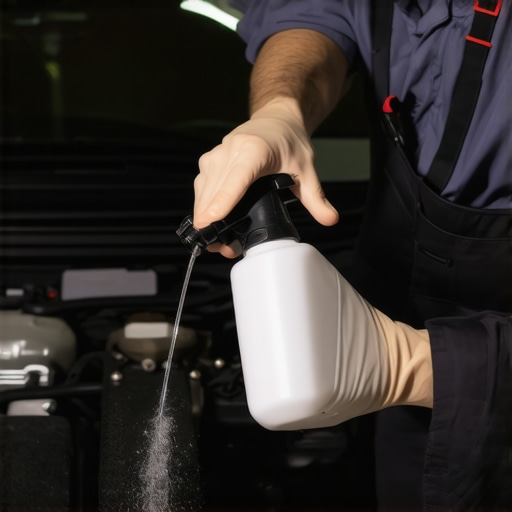
In many modern vehicles, a stall that occurs specifically as you slow down to a stop is not an engine problem at all, but rather a transmission engagement issue. The torque converter clutch (TCC) is designed to create a direct mechanical link between the engine and the gearbox at cruising speeds to improve efficiency. However, if the TCC solenoid becomes stuck in the ‘on’ position due to debris or electrical failure, it keeps the engine locked to the transmission input shaft. As the car slows down, the transmission effectively ‘stalls’ the engine because the hydraulic coupling cannot slip. According to technical documentation from SAE International, fluid degradation often leads to varnish buildup on these sensitive valves, necessitating a precise car service schedule to maintain hydraulic clarity. If your diagnostic flow leads to the gearbox, remember that the 20-scan tool that actually finds hidden transmission codes can reveal specific TCC duty cycle errors that generic OBDII readers often miss.
Can a Failing Security Module Force a Highway Shutdown?
One of the most frustrating causes of a car dying while driving is the intermittent failure of the immobilizer or anti-theft system. These modules are designed to cut fuel or spark if they do not detect a valid key transponder signal. While usually active only at startup, vibration or thermal expansion in the ignition barrel or the wireless receiver can cause the system to drop the ‘handshake’ with the key while the vehicle is in motion. This triggers a failsafe mode that shuts down the fuel pump or ignition coils instantly. If you find yourself in a situation where your engine starts then immediately dies after an initial stall, the security module is a prime candidate for inspection. This type of electronic phantom often requires a professional-grade oscilloscope to track the millisecond-long dropouts in the communication line between the immobilizer and the PCM.
Advanced engine management also includes limp-home modes that may intentionally restrict power to prevent catastrophic damage. Understanding how to fix a car that will not rev past 3000-rpm can help you distinguish between a full mechanical failure and a software-mandated safety shutdown. If you have experienced a sudden loss of power or a total engine stall on the highway, we invite you to share your specific vehicle year and symptoms in the comments below; our community and expert technicians can help decode the diagnostic trouble codes that often accompany these frightening events.
When Variable Valve Timing Fights Your Idle Control
In the precision-tuned world of modern internal combustion, the timing of intake and exhaust valves is no longer a static mechanical certainty. Systems like VVT or VTEC rely on hydraulic oil pressure to adjust camshaft phasing in real-time. When engine oil becomes contaminated or the incorrect viscosity is used during a car service, the VVT solenoids can stick. If a solenoid remains energized or mechanically jammed while you are decelerating, the camshaft may stay in an “advanced” position meant for high-speed cruising. This mismatch causes a massive internal EGR effect, essentially choking the engine on its own exhaust gases as you come to a stop. This specific failure mode is a frequent hurdle in vehicle diagnostics because it often leaves no “hard” codes, only “pending” efficiency errors that disappear once the engine restarts.
Why Does Low Oil Pressure Cause an Immediate Engine Stall at High Speeds?
While most drivers associate low oil pressure with a ticking sound or a warning light, it can also act as a primary engine-kill trigger. Many late-model European and domestic vehicles utilize an oil pressure switch as a secondary safety for the fuel pump relay. If the pressure drops below a critical threshold—perhaps due to a failing pump or a severely restricted oil filter—the PCM may cut power to the fuel injectors to prevent a catastrophic bottom-end seizure. This is a sophisticated protection layer that often mimics a failing ignition system. According to technical specifications found in SAE International’s research on engine lubrication dynamics, the loss of hydraulic tensioner pressure can also lead to momentary timing chain slack, prompting the auto repair specialist to look for phase-gap errors in the sensor data logs before condemning the fuel system.
The Suffocation Effect of Exhaust Backpressure
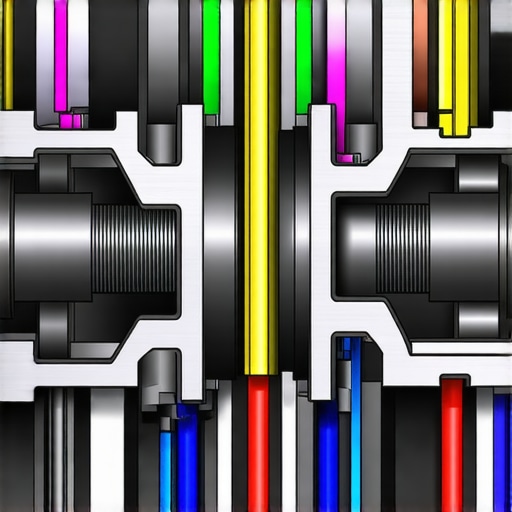
An engine is essentially a giant air pump; if it cannot exhale, it cannot continue to inhale. A common but frequently misdiagnosed cause of a vehicle dying under load is a collapsed internal ceramic monolith within the catalytic converter. When this happens, exhaust gases build up in the manifold, creating massive backpressure that eventually exceeds the force of the incoming intake charge. The result is a progressive loss of power followed by a total stall. This condition is particularly deceptive because the car might start and idle perfectly fine, only to die after a few minutes of highway driving as the pressure builds. Professional vehicle diagnostics in this scenario require a backpressure gauge installed in the upstream oxygen sensor port. If you find your engine “gasping” for air or the exhaust manifold glowing cherry red, the blockage is severe enough to necessitate immediate auto repair of the entire exhaust tract.
The Internal Failure of PCM Circuitry
Sometimes the brain of the car simply gets too hot. The Powertrain Control Module (PCM) is often located in the engine bay or near the firewall, where it is subjected to extreme thermal cycling. Over years of use, the solder joints on the internal circuit board can develop microscopic cracks. As the engine reaches peak temperature during a long drive, these cracks expand, breaking the electrical connection to critical components like the fuel injectors or the ignition coil drivers. This results in a “clean” stall—no sputtering, no warning, just a dead dashboard. Identifying this requires a “wiggle test” on the harness or using a thermal imager to detect hotspots on the computer casing. If your transmission starts shifting erratically just before the engine dies, it is a strong indicator that the PCM’s shared ground or internal power rail is failing. Investigating how to test a PCM without expensive tools can provide a roadmap for owners facing these phantom electronic shutdowns.
Modern Gasoline Direct Injection (GDI) systems have introduced a new layer of mechanical complexity to the auto repair landscape, specifically regarding high-pressure fuel delivery. Unlike traditional port injection, GDI relies on a mechanical high-pressure fuel pump (HPFP) driven directly by the camshaft. When the internal plunger or the volume control solenoid within the HPFP fails due to wear or lubrication issues, the fuel rail pressure can drop from over 2,000 PSI to nearly zero in milliseconds. This sudden starvation causes the engine to die instantly, often without the rhythmic stuttering typically associated with low-pressure pump failure. Diagnosing this requires high-speed real-time data logging of the rail pressure sensor during the failure event—a hallmark of advanced vehicle diagnostics that separates master technicians from generalists.
Can Internal Battery Plate Micro-Fractures Cause a Sudden Highway Shutdown?
While most drivers view the battery solely as a starting component, it actually serves as a massive capacitor that stabilizes the entire electrical grid. Under the high-frequency vibrations of highway driving, an older battery can develop internal micro-fractures in its lead plates. These fractures can intermittently separate, creating a momentary open circuit. In a modern car service scenario, this brief interruption causes the PCM to lose its keep-alive memory or reboot entirely while the vehicle is in motion. Because the alternator requires a reference voltage to continue charging, this ‘open’ state can effectively kill the engine’s spark and fuel timing. According to failure analysis research by the American Society of Mechanical Engineers (ASME), mechanical fatigue in lead-acid structures is a documented but frequently overlooked cause of total system collapse in high-vibration environments.

How CAN-Bus Signal Noise Acts Like a Digital Kill Switch
In the digital architecture of contemporary vehicles, every module—from the transmission controller to the anti-lock brake system—communicates via the Controller Area Network (CAN). If a single wire in this twisted-pair network suffers from EMI (Electromagnetic Interference) or a frayed shield, ‘signal noise’ can flood the bus. When the PCM cannot receive a ‘heartbeat’ signal from the security module or the transmission range sensor because of this data corruption, it may initiate an emergency shutdown to prevent mechanical damage. This is a ghost in the machine that traditional auto repair methods struggle to catch. Technicians must utilize a dual-trace oscilloscope to visualize the square-wave data packets, looking for the jagged edges of interference that indicate a failing harness or a ‘chatty’ module that is poisoning the network.
The Risks of Turbocharger Induction Collapse
For vehicles equipped with forced induction, the integrity of the intake tract is non-negotiable. A delaminated inner liner of a turbocharger hose can act like a one-way valve; under high boost pressures, the liner can collapse inward, completely sealing off the air supply to the cylinders. This ‘suffocation’ happens so fast that the ECU often doesn’t have time to throw a specific code before the engine stalls. This emphasizes why a comprehensive car service should always include a physical ‘squeeze test’ of all induction plumbing to ensure the structural integrity of the rubber and silicone components. If you have experienced a stall specifically during hard acceleration followed by a normal restart, your intake tract likely has a hidden structural weakness.
Are you dealing with a ‘phantom stall’ that your local shop can’t seem to replicate? Describe the exact weather conditions and road speed when your vehicle died in the comments below, and let’s leverage our collective vehicle diagnostics expertise to find the solution.
Expert Insights & Advanced Considerations
Real-Time Data Capture Beats Part-Swapping Every Time
Relying solely on stored codes often leads to unnecessary parts replacement. A master technician utilizes the ‘snapshot’ or ‘freeze frame’ data captured the exact moment the engine failed. This allows for an analysis of the fuel trim, mass airflow, and engine load under real-world conditions. For those looking to go deeper into the logic of the vehicle’s brain, the hidden world of vehicle diagnostics provides a comprehensive look at how these data points correlate to prevent a sudden shutdown.
Voltage Drop Testing Reveals What a Scan Tool Misses
Static battery tests frequently mask intermittent electrical failures that occur under vibration or heat. Implementing a dynamic voltage drop test while the engine is running—or attempting to run—can identify high resistance in the main power or ground circuits that a standard OBDII scanner simply cannot see. If your vehicle dies without warning, learning how to identify a bad ground wire without a multimeter can serve as an essential first step in your preliminary auto repair workflow.
Transmission Fluid Integrity Impacts Engine Stability
The relationship between your gearbox and engine idle is more intimate than most realize. Degraded fluid can cause the torque converter clutch to drag, effectively acting like a manual car coming to a stop without the clutch depressed. Maintaining a strict car service interval for fluid changes is not just about the gears; it is about ensuring the engine remains decoupled during deceleration. For a deeper dive into these mechanical links, see transmission failures decoded: signs and expert fixes.
Curated Expert Resources
SAE International Technical Papers
This is the gold standard for automotive engineering documentation. Researching specific white papers on internal combustion stability and electronic control unit (ECU) failure modes offers a high-level perspective that goes far beyond standard repair manuals.
NHTSA Safety & Recall Database
Intermittent stalling is often a known manufacturer defect. This database allows you to search for Technical Service Bulletins (TSBs) and recalls related to your specific VIN, which may provide a pre-determined solution for your vehicle’s engine failure.
Professional Diagnostic Portals
Platforms like iATN or Identifix provide a collaborative environment where master technicians share real-world fixes for ‘ghost’ issues. Accessing these insights via expert auto repair tips for 2025 can bridge the gap between basic DIY and professional-grade resolution.
Final Expert Perspective
Experiencing a vehicle dying while driving is a high-stakes diagnostic challenge that demands more than just a quick fix. It requires a systematic verification of the electrical, fuel, and transmission systems to ensure total operational safety. Whether the root cause is a thermal-sensitive sensor or a mechanical blockage, the goal is always to move beyond symptom management toward a permanent resolution. When selecting your next car service provider, ensure they utilize high-speed data logging to replicate the failure event. If you have faced a persistent stall that defies traditional vehicle diagnostics, we encourage you to share your story or consult our guide on choosing the right car service for seamless vehicle maintenance to find a partner who values precision over guesswork.