Modern internal combustion engines operate on a razor-thin margin of thermal and volumetric efficiency. While most vehicle owners prioritize oil changes and tire rotations, a silent degradation often occurs within the intake and ventilation systems that fundamentally alters the stoichiometric ratio of the air-fuel mixture. When the Engine Control Unit (ECU) detects an airflow restriction, it frequently compensates by adjusting fuel trim, leading to a rich condition that burns through your budget long before a check engine light illuminates. Identifying the real reason your gas mileage suddenly dropped requires moving beyond surface-level inspections and into the technical nuances of fluid dynamics and sensor feedback loops.
Air Intake Impedance and the Death of Stoichiometric Balance
The primary engine air filter is the lungs of your vehicle, yet it is often the most neglected component in a standard car service. As particulate matter accumulates, the filter media’s permeability decreases, causing a significant increase in pumping losses. The engine must work harder to pull air through the restricted membrane, effectively acting like a person trying to run while breathing through a straw. This restriction disrupts the laminar flow required for accurate Mass Air Flow (MAF) sensor readings. A contaminated filter can lead to ‘MAF sensor lag,’ where the sensor provides inaccurate data to the ECU, resulting in inefficient combustion cycles and carbon buildup on valves. Advanced vehicle diagnostics often reveal that even a filter that ‘looks clean’ can be holding microscopic silica that has fused into the fibers, creating a pressure drop that kills fuel economy.
How Often Does Your Cabin Filter Force the Compressor to Overwork?
Many drivers are unaware that the cabin air filter has a direct, measurable impact on fuel consumption. When the cabin filter is clogged with debris, the HVAC system’s blower motor must draw significantly more amperage to circulate air. More importantly, the restricted airflow prevents the evaporator core from shedding heat effectively, forcing the A/C compressor to run for longer cycles to maintain the desired temperature. Since the A/C compressor is a high-torque parasitic load on the engine, this inefficiency translates directly into lower MPG. If you find yourself wondering the hidden world of vehicle diagnostics, start by measuring the temperature differential at your vents; a restricted filter is often the culprit behind a ‘thirsty’ car in summer months. Professional technicians, as noted in studies by SAE International, emphasize that maintaining optimal thermal exchange is critical for reducing engine load.
Recover Your Lost Mileage with Precision Maintenance
True auto repair isn’t just about fixing what is broken; it is about restoring the vehicle to its peak engineered state. Beyond the air filters, the fuel filter—often ‘hidden’ inside the gas tank in modern assemblies—can cause the fuel pump to work at higher pressures, increasing electrical draw and heat. To maintain peak performance, you must unlock your car’s potential by adhering to a rigorous filtration replacement schedule that accounts for your specific driving environment, such as high-dust or urban idling conditions. If you have noticed a decline in responsiveness or a creeping increase in fuel costs, we invite you to share your diagnostic findings or reach out for a professional system analysis to ensure your vehicle isn’t fighting against its own components.
Stop the Unmetered Air Sabotage
One of the most insidious enemies of fuel economy is the presence of ‘unmetered air’ entering the combustion chamber. This occurs when a vacuum leak develops downstream of the Mass Air Flow (MAF) sensor, allowing oxygen to bypass the primary measurement system. The oxygen sensors in the exhaust manifold immediately detect a lean condition, prompting the Engine Control Unit (ECU) to dump excessive fuel into the cylinders to compensate. This cycle results in a persistent rich-burn condition that not only spikes fuel consumption but also risks melting the substrate of your catalytic converter. Finding these leaks can be frustrating, but using the 12-tool that finds every vacuum leak in minutes can save you hours of guesswork. Often, a brittle plastic hose or a hairline crack in the intake boot is the only thing standing between your vehicle and its factory-rated MPG. Real-time data logging of short-term and long-term fuel trims is the definitive way to see if your engine is fighting a hidden intake breach.
Is Your Ignition System Actually Firing on All Cylinders or Just Getting By?
Ignition health is measured in more than just the absence of a misfire. As spark plugs age, the gap between the center and ground electrodes widens due to electrical erosion. This increased gap requires higher voltage from the ignition coils to jump, which generates more heat and can lead to micro-misfires that aren’t severe enough to trigger a Check Engine Light but are significant enough to waste fuel. Analyzing the ceramic insulator and electrode tip is a lost art; learning how to tell if your spark plugs are fouled just by looking at them provides a direct window into the health of your combustion cycles. A plug that is slightly glazed or carbon-fouled indicates a sub-optimal spark, leading to incomplete combustion and unburnt fuel exiting through the exhaust. If you are managing a high-mileage vehicle, checking the checklist for buying a used car with 150000 miles can provide further insights into when specific ignition components should be retired to maintain peak thermal efficiency.
Minimize the Drag That Kills Your Highway Efficiency
Fuel efficiency is a constant battle against physical forces, specifically rolling resistance and aerodynamic drag. While many owners focus solely on the engine, the drivetrain and chassis play a massive role in the energy required to maintain forward momentum. Underinflated tires are perhaps the single most common cause of avoidable fuel waste. According to data from AAA, even a five-pound drop in tire pressure can lead to a measurable increase in fuel consumption because the tire’s contact patch deforms, generating heat instead of motion. This friction forces the transmission to stay in lower gears for longer periods or prevents the torque converter from locking up at the ideal cruise speed. Beyond tire pressure, dragging brake calipers or worn wheel bearings create parasitic drag that forces the engine to burn more fuel just to maintain a steady velocity. Have you noticed your car slowing down faster than usual when you lift off the throttle? This subtle change in coasting distance is often the first sign of a mechanical drag issue. Share your mileage experiences in the comments below or let us know if you’ve recently performed a rolling resistance check on your vehicle.
Don’t Ignore Your Transmission’s Efficiency Gap
The transmission is the crucial bridge between engine power and the pavement, yet it is frequently the source of “ghost” power loss. In automatic systems, the torque converter is designed to lock up at cruising speeds, creating a 1:1 mechanical link that eliminates fluid slip. However, as transmission fluid shears and loses its heat-dissipating properties, the internal clutch packs may struggle to maintain this lock-up. This subtle slippage might not feel like a “transmission problem” to the average driver, but it generates excessive heat and forces the engine to maintain higher RPMs for the same road speed. Advanced transmission diagnostics can reveal “slip codes” that haven’t yet reached the threshold for a warning light. If your highway RPMs have crept up by even 200 units over the last year, your transmission is likely siphoning away your fuel budget.
Can an Oxygen Sensor Fail Without Lighting Up Your Dashboard?
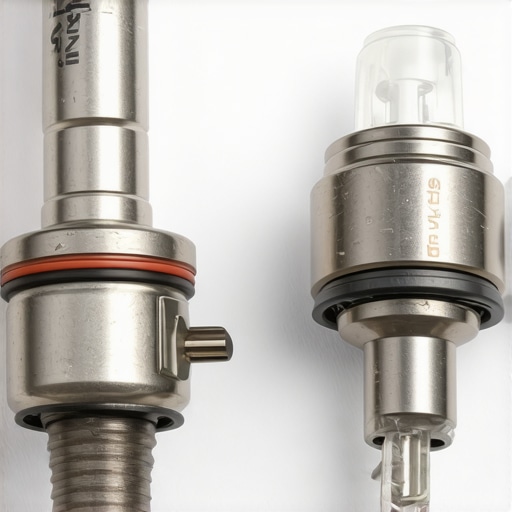
While many owners wait for the “Check Engine” light before considering an O2 sensor replacement, these components actually begin to degrade long before they trigger a Diagnostic Trouble Code (DTC). A “lazy” oxygen sensor—one that has been coated in a fine layer of soot or silica—will still produce a voltage signal, but its response time slows down significantly. This lag in the feedback loop means the ECU spends more time in a rich-burn state than necessary because it cannot adjust the pulse width of the injectors quickly enough. According to technical documentation from the Environmental Protection Agency (EPA) regarding on-board diagnostic systems, even a slight delay in sensor “cross-counts” can result in a 10-15% drop in fuel efficiency. Monitoring live data via an OBD-II scanner allows you to see if your upstream sensor is switching rapidly or struggling to keep pace with changing throttle positions.
ECU Drift and Why Your Car ‘Learns’ Bad Habits
Modern vehicles utilize adaptive learning algorithms to compensate for minor mechanical wear and environmental changes. This “Keep Alive Memory” (KAM) stores fuel trim data that helps the engine run smoothly as it ages. However, if you have recently fixed a mechanical issue—like a vacuum leak or a dirty MAF sensor—the ECU might still be applying “learned” compensations based on the old, faulty state. This is known as ECU drift. Without a professional reset of the adaptive memory, the vehicle may continue to run rich even after the physical repair is complete. This is a common pitfall in auto repair where technicians replace a part but fail to recalibrate the software. Resetting these parameters forces the engine into a “relearn” mode, where it can re-establish its baseline based on the now-optimal hardware conditions.
The Hidden Chemistry of Cheap Gas
Not all fuel is created equal, and the decision at the pump involves more than just octane ratings. It is about energy density. High ethanol content—common in many budget-tier fuels—actually contains less energy per gallon than pure gasoline. Most modern cars are calibrated for E10 (10% ethanol), but if you are consistently filling up with low-tier fuel that lacks sufficient detergents, carbon deposits will begin to form on the fuel injectors. These deposits disrupt the fine mist required for efficient combustion, leading to larger fuel droplets that do not burn completely. Have you experimented with Top Tier™ certified fuels to see if your mileage improves over three full tanks? We would love to hear if a change in fuel quality made a tangible difference in your daily commute. Beyond the chemical makeup, the actual volatility of the fuel changes with the seasons, which can significantly impact how your engine handles cold starts and idling.
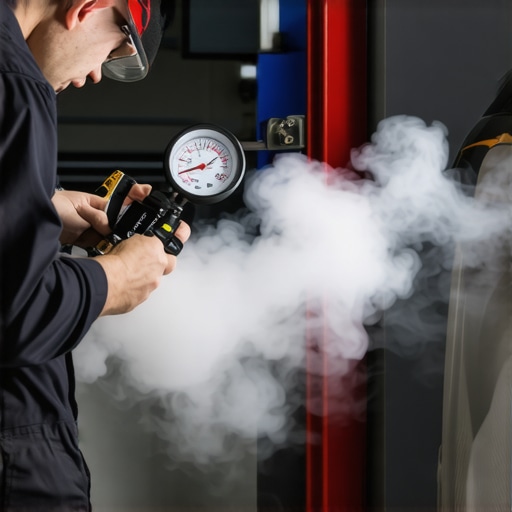
While most drivers focus on the engine’s immediate health, a significant portion of fuel waste occurs within the evaporative emission control (EVAP) system. This closed-loop network is designed to trap gasoline vapors before they escape into the atmosphere, routing them back into the intake manifold to be burned during normal operation. A faulty purge valve or a hairline fracture in the charcoal canister allows these high-energy vapors to vent into the void, essentially causing you to pay for fuel that never moves the pistons. These leaks are often too small to trigger a gross-leak code immediately, but they result in a constant, parasitic loss of fuel energy that bypasses the combustion chamber entirely.
Stop Losing Fuel to Thin Air via the EVAP System
Modern vehicle diagnostics have evolved to detect minute pressure drops within the fuel tank, yet the sensitivity of these sensors can vary based on ambient temperature and fuel levels. If you notice a persistent smell of gasoline after parking or a slight hesitation during a hot start, your EVAP system may be struggling to manage vapor pressures. Professional auto repair involving a smoke test can pinpoint these elusive leaks in minutes, ensuring that every drop of fuel you purchase stays within the system. Restoring the integrity of the vapor recovery loop is a critical step for anyone serious about maximizing their distance per tank.
Can Your Choice of Engine Oil Really Pay for Itself at the Pump?
The transition toward ultra-low viscosity oils like 0W-16 and 0W-8 isn’t just a trend; it’s a calculated move by engineers to reduce internal fluid friction. The American Petroleum Institute (API), specifically through their latest SP and GF-6 standards, has demonstrated that advanced synthetic lubricants can significantly lower the energy required to move internal engine components. High-quality synthetics maintain their shear stability even under extreme thermal stress, preventing the oil from thickening and creating unnecessary drag on the crankshaft. Switching to a high-specification lubricant during your next car service can yield a 1-2% improvement in fuel economy—a small percentage that compounds into massive savings over the life of the vehicle.
Direct Injection’s Dirty Little Secret and the Efficiency Tax
Gasoline Direct Injection (GDI) has revolutionized power delivery, but it comes with a physical caveat: carbon buildup on the intake valves. Unlike traditional port injection, where fuel washes over the valves and keeps them clean, GDI sprays fuel directly into the cylinder. Over time, oil mist from the crankcase ventilation system bakes onto the hot intake valves, creating a restrictive, crusty layer that disrupts airflow. This turbulence prevents the engine from achieving its designed volumetric efficiency, forcing the transmission to downshift more frequently to maintain speed.  Left untreated, this carbonization acts as a literal chokehold on your engine’s performance. Specialized walnut blasting or chemical induction cleaning is often required to restore the smooth, laminar airflow necessary for peak MPG.
The Overlooked Drag of Driveline Fluids
We often forget that the engine is only one part of the kinetic chain. The differential and transfer case are filled with heavy-weight gear oils that, as they age, lose their ability to mitigate friction. In all-wheel-drive vehicles, the cumulative drag of oxidized driveline fluids can be equivalent to driving with a permanent headwind. Replacing these fluids is an advanced maintenance step that many skip, yet it is vital for reducing the mechanical resistance that the engine must overcome. If you are chasing the highest possible efficiency, ensure your entire drivetrain is operating with fresh, friction-modified lubricants. Have you ever compared your mileage before and after a full driveline fluid exchange? We encourage you to share your data with us or contact our team for a comprehensive efficiency audit to see where your car might be hiding its true potential.
Modern internal combustion engines operate on a razor-thin margin of thermal and volumetric efficiency. While most vehicle owners prioritize oil changes and tire rotations, a silent degradation often occurs within the intake and ventilation systems that fundamentally alters the stoichiometric ratio of the air-fuel mixture. When the Engine Control Unit (ECU) detects an airflow restriction, it frequently compensates by adjusting fuel trim, leading to a rich condition that burns through your budget long before a check engine light illuminates. Identifying the real reason your gas mileage suddenly dropped requires moving beyond surface-level inspections and into the technical nuances of fluid dynamics and sensor feedback loops.
Air Intake Impedance and the Death of Stoichiometric Balance
The primary engine air filter is the lungs of your vehicle, yet it is often the most neglected component in a standard car service. As particulate matter accumulates, the filter media’s permeability decreases, causing a significant increase in pumping losses. The engine must work harder to pull air through the restricted membrane, effectively acting like a person trying to run while breathing through a straw. This restriction disrupts the laminar flow required for accurate Mass Air Flow (MAF) sensor readings. A contaminated filter can lead to ‘MAF sensor lag,’ where the sensor provides inaccurate data to the ECU, resulting in inefficient combustion cycles and carbon buildup on valves. Advanced vehicle diagnostics often reveal that even a filter that ‘looks clean’ can be holding microscopic silica that has fused into the fibers, creating a pressure drop that kills fuel economy.
How Often Does Your Cabin Filter Force the Compressor to Overwork?
Many drivers are unaware that the cabin air filter has a direct, measurable impact on fuel consumption. When the cabin filter is clogged with debris, the HVAC system’s blower motor must draw significantly more amperage to circulate air. More importantly, the restricted airflow prevents the evaporator core from shedding heat effectively, forcing the A/C compressor to run for longer cycles to maintain the desired temperature. Since the A/C compressor is a high-torque parasitic load on the engine, this inefficiency translates directly into lower MPG. If you find yourself wondering the hidden world of vehicle diagnostics, start by measuring the temperature differential at your vents; a restricted filter is often the culprit behind a ‘thirsty’ car in summer months. Professional technicians, as noted in studies by SAE International, emphasize that maintaining optimal thermal exchange is critical for reducing engine load.
Recover Your Lost Mileage with Precision Maintenance
True auto repair isn’t just about fixing what is broken; it is about restoring the vehicle to its peak engineered state. Beyond the air filters, the fuel filter—often ‘hidden’ inside the gas tank in modern assemblies—can cause the fuel pump to work at higher pressures, increasing electrical draw and heat. To maintain peak performance, you must unlock your car’s potential by adhering to a rigorous filtration replacement schedule that accounts for your specific driving environment, such as high-dust or urban idling conditions. If you have noticed a decline in responsiveness or a creeping increase in fuel costs, we invite you to share your diagnostic findings or reach out for a professional system analysis to ensure your vehicle isn’t fighting against its own components.
Stop the Unmetered Air Sabotage
One of the most insidious enemies of fuel economy is the presence of ‘unmetered air’ entering the combustion chamber. This occurs when a vacuum leak develops downstream of the Mass Air Flow (MAF) sensor, allowing oxygen to bypass the primary measurement system. The oxygen sensors in the exhaust manifold immediately detect a lean condition, prompting the Engine Control Unit (ECU) to dump excessive fuel into the cylinders to compensate. This cycle results in a persistent rich-burn condition that not only spikes fuel consumption but also risks melting the substrate of your catalytic converter. Finding these leaks can be frustrating, but using the 12-tool that finds every vacuum leak in minutes can save you hours of guesswork. Often, a brittle plastic hose or a hairline crack in the intake boot is the only thing standing between your vehicle and its factory-rated MPG. Real-time data logging of short-term and long-term fuel trims is the definitive way to see if your engine is fighting a hidden intake breach.
Is Your Ignition System Actually Firing on All Cylinders or Just Getting By?
Ignition health is measured in more than just the absence of a misfire. As spark plugs age, the gap between the center and ground electrodes widens due to electrical erosion. This increased gap requires higher voltage from the ignition coils to jump, which generates more heat and can lead to micro-misfires that aren’t severe enough to trigger a Check Engine Light but are significant enough to waste fuel. Analyzing the ceramic insulator and electrode tip is a lost art; learning how to tell if your spark plugs are fouled just by looking at them provides a direct window into the health of your combustion cycles. A plug that is slightly glazed or carbon-fouled indicates a sub-optimal spark, leading to incomplete combustion and unburnt fuel exiting through the exhaust. If you are managing a high-mileage vehicle, checking the checklist for buying a used car with 150000 miles can provide further insights into when specific ignition components should be retired to maintain peak thermal efficiency.
Minimize the Drag That Kills Your Highway Efficiency
Fuel efficiency is a constant battle against physical forces, specifically rolling resistance and aerodynamic drag. While many owners focus solely on the engine, the drivetrain and chassis play a massive role in the energy required to maintain forward momentum. Underinflated tires are perhaps the single most common cause of avoidable fuel waste. According to data from AAA, even a five-pound drop in tire pressure can lead to a measurable increase in fuel consumption because the tire’s contact patch deforms, generating heat instead of motion. This friction forces the transmission to stay in lower gears for longer periods or prevents the torque converter from locking up at the ideal cruise speed. Beyond tire pressure, dragging brake calipers or worn wheel bearings create parasitic drag that forces the engine to burn more fuel just to maintain a steady velocity. Have you noticed your car slowing down faster than usual when you lift off the throttle? This subtle change in coasting distance is often the first sign of a mechanical drag issue. Share your mileage experiences in the comments below or let us know if you’ve recently performed a rolling resistance check on your vehicle.
Don’t Ignore Your Transmission’s Efficiency Gap
The transmission is the crucial bridge between engine power and the pavement, yet it is frequently the source of “ghost” power loss. In automatic systems, the torque converter is designed to lock up at cruising speeds, creating a 1:1 mechanical link that eliminates fluid slip. However, as transmission fluid shears and loses its heat-dissipating properties, the internal clutch packs may struggle to maintain this lock-up. This subtle slippage might not feel like a “transmission problem” to the average driver, but it generates excessive heat and forces the engine to maintain higher RPMs for the same road speed. Advanced transmission diagnostics can reveal “slip codes” that haven’t yet reached the threshold for a warning light. If your highway RPMs have crept up by even 200 units over the last year, your transmission is likely siphoning away your fuel budget.
Can an Oxygen Sensor Fail Without Lighting Up Your Dashboard?
While many owners wait for the “Check Engine” light before considering an O2 sensor replacement, these components actually begin to degrade long before they trigger a Diagnostic Trouble Code (DTC). A “lazy” oxygen sensor—one that has been coated in a fine layer of soot or silica—will still produce a voltage signal, but its response time slows down significantly. This lag in the feedback loop means the ECU spends more time in a rich-burn state than necessary because it cannot adjust the pulse width of the injectors quickly enough. According to technical documentation from the Environmental Protection Agency (EPA) regarding on-board diagnostic systems, even a slight delay in sensor “cross-counts” can result in a 10-15% drop in fuel efficiency. Monitoring live data via an OBD-II scanner allows you to see if your upstream sensor is switching rapidly or struggling to keep pace with changing throttle positions.
ECU Drift and Why Your Car ‘Learns’ Bad Habits
Modern vehicles utilize adaptive learning algorithms to compensate for minor mechanical wear and environmental changes. This “Keep Alive Memory” (KAM) stores fuel trim data that helps the engine run smoothly as it ages. However, if you have recently fixed a mechanical issue—like a vacuum leak or a dirty MAF sensor—the ECU might still be applying “learned” compensations based on the old, faulty state. This is known as ECU drift. Without a professional reset of the adaptive memory, the vehicle may continue to run rich even after the physical repair is complete. This is a common pitfall in auto repair where technicians replace a part but fail to recalibrate the software. Resetting these parameters forces the engine into a “relearn” mode, where it can re-establish its baseline based on the now-optimal hardware conditions.
The Hidden Chemistry of Cheap Gas
Not all fuel is created equal, and the decision at the pump involves more than just octane ratings. It is about energy density. High ethanol content—common in many budget-tier fuels—actually contains less energy per gallon than pure gasoline. Most modern cars are calibrated for E10 (10% ethanol), but if you are consistently filling up with low-tier fuel that lacks sufficient detergents, carbon deposits will begin to form on the fuel injectors. These deposits disrupt the fine mist required for efficient combustion, leading to larger fuel droplets that do not burn completely. Have you experimented with Top Tier™ certified fuels to see if your mileage improves over three full tanks? We would love to hear if a change in fuel quality made a tangible difference in your daily commute. Beyond the chemical makeup, the actual volatility of the fuel changes with the seasons, which can significantly impact how your engine handles cold starts and idling.
While most drivers focus on the engine’s immediate health, a significant portion of fuel waste occurs within the evaporative emission control (EVAP) system. This closed-loop network is designed to trap gasoline vapors before they escape into the atmosphere, routing them back into the intake manifold to be burned during normal operation. A faulty purge valve or a hairline fracture in the charcoal canister allows these high-energy vapors to vent into the void, essentially causing you to pay for fuel that never moves the pistons. These leaks are often too small to trigger a gross-leak code immediately, but they result in a constant, parasitic loss of fuel energy that bypasses the combustion chamber entirely.
Stop Losing Fuel to Thin Air via the EVAP System
Modern vehicle diagnostics have evolved to detect minute pressure drops within the fuel tank, yet the sensitivity of these sensors can vary based on ambient temperature and fuel levels. If you notice a persistent smell of gasoline after parking or a slight hesitation during a hot start, your EVAP system may be struggling to manage vapor pressures. Professional auto repair involving a smoke test can pinpoint these elusive leaks in minutes, ensuring that every drop of fuel you purchase stays within the system. Restoring the integrity of the vapor recovery loop is a critical step for anyone serious about maximizing their distance per tank.
Can Your Choice of Engine Oil Really Pay for Itself at the Pump?
The transition toward ultra-low viscosity oils like 0W-16 and 0W-8 isn’t just a trend; it’s a calculated move by engineers to reduce internal fluid friction. The American Petroleum Institute (API), specifically through their latest SP and GF-6 standards, has demonstrated that advanced synthetic lubricants can significantly lower the energy required to move internal engine components. High-quality synthetics maintain their shear stability even under extreme thermal stress, preventing the oil from thickening and creating unnecessary drag on the crankshaft. Switching to a high-specification lubricant during your next car service can yield a 1-2% improvement in fuel economy—a small percentage that compounds into massive savings over the life of the vehicle.
Direct Injection’s Dirty Little Secret and the Efficiency Tax
Gasoline Direct Injection (GDI) has revolutionized power delivery, but it comes with a physical caveat: carbon buildup on the intake valves. Unlike traditional port injection, where fuel washes over the valves and keeps them clean, GDI sprays fuel directly into the cylinder. Over time, oil mist from the crankcase ventilation system bakes onto the hot intake valves, creating a restrictive, crusty layer that disrupts airflow. This turbulence prevents the engine from achieving its designed volumetric efficiency, forcing the transmission to downshift more frequently to maintain speed. Left untreated, this carbonization acts as a literal chokehold on your engine’s performance. Specialized walnut blasting or chemical induction cleaning is often required to restore the smooth, laminar airflow necessary for peak MPG.
The Overlooked Drag of Driveline Fluids
We often forget that the engine is only one part of the kinetic chain. The differential and transfer case are filled with heavy-weight gear oils that, as they age, lose their ability to mitigate friction. In all-wheel-drive vehicles, the cumulative drag of oxidized driveline fluids can be equivalent to driving with a permanent headwind. Replacing these fluids is an advanced maintenance step that many skip, yet it is vital for reducing the mechanical resistance that the engine must overcome. If you are chasing the highest possible efficiency, ensure your entire drivetrain is operating with fresh, friction-modified lubricants. Have you ever compared your mileage before and after a full driveline fluid exchange? We encourage you to share your data with us or contact our team for a comprehensive efficiency audit to see where your car might be hiding its true potential.
Precision Tactics to Stop Fuel Waste
The Voltage Drop Most Technicians Miss
While mechanical resistance is often the first suspect in poor mileage, electrical ground degradation is an insidious culprit that frequently escapes notice during a standard car service. If your grounding straps are oxidized, the reference voltage for critical sensors—like the O2 and MAF sensors—becomes unstable. This results in erratic data that forces the ECU to default to conservative, fuel-heavy maps. Experts know that learning how to find a parasitic battery drain with a 15-multimeter can often lead you directly to the faulty connections that are sabotaging your efficiency.
Fuel Trim Logs Provide the Real Story
A static vehicle diagnostics scan only shows a snapshot in time. To truly understand why your MPG is tanking, you must analyze Long-Term Fuel Trim (LTFT) data during various load conditions. A positive LTFT consistently above 10% indicates the engine is fighting a vacuum leak or a fuel delivery restriction. Using the 20-scan tool that actually finds hidden transmission codes allows you to monitor these trims in real-time and see exactly when your system starts struggling to maintain its stoichiometric target.
Software Handshakes Are Not Optional
Replacing a hardware component is only half the battle in modern auto repair. When you clean your mass air flow sensor to fix a rough idle, you are changing the physical input the ECU has been compensating for over thousands of miles. Failing to reset the Keep Alive Memory (KAM) means the car will continue to ‘over-fuel’ based on old, dirty sensor data. A proper software reset ensures the vehicle enters a learning state immediately, maximizing the ROI of your maintenance efforts.
Field Manuals for the Modern Mechanic
ASE (National Institute for Automotive Service Excellence): The premier resource for technician certification standards, providing the technical benchmarks required for high-level engine performance and transmission maintenance.
SAE International: An essential technical library detailing the fluid dynamics and thermodynamic properties of modern lubricants, critical for those researching rolling resistance and thermal efficiency.
IATN (International Automotive Technicians Network): A high-level forum where professional mechanics share real-world data logs and diagnostic breakthroughs that go beyond standard factory service manuals.
The Blueprint for Peak Efficiency
Restoring a vehicle’s peak efficiency is a holistic endeavor that moves from the air intake through the transmission and down to the rolling resistance of the tires. The most common mistake is treating symptoms rather than the root cause of stoichiometric imbalance or parasitic drag. By integrating high-level auto repair techniques and data-driven diagnostics, you move beyond guesswork and into the realm of predictable, long-term performance. We encourage you to review transmission failures decoded signs and expert fixes to ensure your drivetrain isn’t the weak link in your efficiency chain. What technical anomalies have you discovered in your own logs? Join the conversation below or contact our team for a deep-dive analysis of your vehicle’s performance data.
#IMAGE_PLACEHOLDER_E#