A vanishing coolant level without the telltale neon puddle on the garage floor is one of the most deceptive challenges in modern auto repair. While a ruptured hose is obvious, a “ghost leak” usually indicates that the fluid is being consumed internally or evaporated under high-pressure conditions. In high-performance cooling systems, even a microscopic compromise in seal integrity can lead to significant fluid loss over a few hundred miles. This phenomenon often points toward the intricate interplay between thermal expansion and the chemical stability of the coolant itself. Professional vehicle diagnostics are essential to differentiate between a simple pressure cap failure and a catastrophic internal breach.
The Cylinder Head’s Secret Thirst for Antifreeze
When the external plumbing of the car service history appears pristine, the focus must shift to the combustion chamber. A failing head gasket or a warped cylinder head can allow coolant to enter the cylinders. Instead of pooling on the ground, the liquid is atomized and expelled through the exhaust system as steam. This often leaves no trace other than a slightly sweet smell from the tailpipe or a white plume during heavy acceleration. If you suspect your engine is “drinking” its coolant, you should learn the easy way to check for a blown head gasket at home before the internal damage necessitates a full engine rebuild. According to technical literature from SAE International, cooling system failures are a leading cause of mechanical breakdown, often exacerbated by neglected pH levels in the fluid that lead to internal corrosion.
Can a Tiny Crack in the Block Mimic an External Leak?
Absolutely. Thermal cycling—the repeated heating and cooling of the engine block—can cause hairline fractures to expand only when the engine reaches operating temperature. In these scenarios, the coolant may leak onto a hot component like the exhaust manifold, evaporating instantly before it can ever reach the ground. Identifying these intermittent faults requires specialized pressure testing equipment that mimics the stresses of highway driving. If the fluid loss is accompanied by changes in lubrication quality, it is vital to investigate why your engine oil looks like a chocolate milkshake, as this confirms a breach between the oil and water jackets.
When the Leak Hides Under Your Floor Mats
Another common culprit is the heater core, located deep within the dashboard. When this component fails, the coolant does not leak outside the car; it saturates the carpeting or remains trapped within the HVAC housing. This can lead to foggy windows and a damp interior. While it is tempting to use “stop-leak” additives, these can often clog the small passages in your radiator or transmission cooler, leading to further overheating issues. Instead of temporary fixes, look into how to fix a stuck thermostat for under $15 or other affordable cooling system repairs to ensure your vehicle remains reliable for years to come.
Explore our deep-dive technical library to master your own vehicle maintenance or contribute your own diagnostic success stories in the comments below.
The High Cost of Internal Radiator Breaches
In vehicles equipped with an automatic gearbox, the radiator often performs double duty by cooling both the engine and the transmission fluid. A rupture in the internal heat exchanger—the specialized coil submerged within the radiator tank—can force pressurized antifreeze into the gear system. This creates a chemical sludge that destroys friction plates almost instantly. If you notice your gear shifts becoming erratic or slipping while your reservoir level drops, you are likely witnessing transmission failures decoded in real-time. This cross-contamination is notoriously difficult to detect via visual inspection of the engine bay. You may find it useful to review the truth about transmission flushes and why they can be dangerous before attempting to drain the contaminated fluid, as the introduction of new detergents into a damaged system can sometimes accelerate failure.
Intake Gaskets Often Hide the Evidence
A less catastrophic but equally elusive leak occurs at the intake manifold gasket. In many V-style engines, the manifold channels both air and coolant in close proximity. When the composite or rubber gasket fails due to thermal fatigue, coolant can seep directly into the intake ports or pool in the ‘V’ of the engine block. Because this area is subject to intense radiant heat, the liquid evaporates almost instantly, leaving behind a crusty white or orange residue that is only visible once the upper components are removed. This is why some owners experience a rough idle or persistent misfires alongside their fluid loss. For these deep-seated issues, professionals often use the $30 tool that lets you see inside your engine—a digital endoscope—to peer into tight crevices and inspect the integrity of the casting without a full teardown.
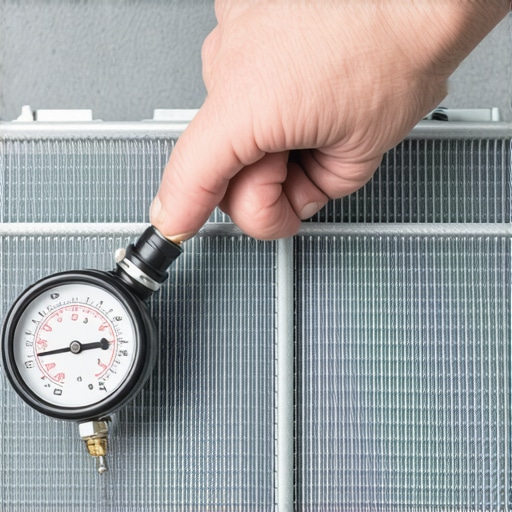
Why Is Your Pressure Cap the Most Overlooked Component?
The cooling system is designed to operate under a specific pressure, typically between 14 and 16 PSI, to raise the boiling point of the fluid and prevent cavitation. If the spring in the radiator cap weakens or the rubber seal degrades, the system will vent steam into the overflow tank prematurely. This vapor is then lost to the atmosphere through the tank’s breather. According to technical experts at Gates Corporation, a faulty cap is responsible for more cases of unexplained overheating and fluid loss than almost any other single part. Replacing it is a minor expense, especially compared to the high cost of transmission troubles and how to save time and money with proactive cooling maintenance. When you are performing your own maintenance, always ensure you are using the hidden drain plug that most people miss during a radiator flush to ensure a complete cycle of fresh fluid. Have you ever chased a leak that seemed to simply vanish into thin air? Share your best diagnostic tips in the comments below or share this guide with a fellow car owner who is constantly topping off their reservoir.
How Your Turbocharger Might Be Stealing Your Coolant
Many modern downsized engines rely on forced induction to maintain power, but this adds a layer of complexity to the cooling circuit that often baffles DIY mechanics. The turbocharger’s center housing is liquid-cooled to protect the delicate bearings from the extreme heat generated by the exhaust side. If the internal casting of the turbo develops a hairline fracture, coolant can be drawn directly into the intake tract under high vacuum or pushed into the exhaust stream under boost. This results in a ‘ghost loss’ where the fluid is vaporized instantly by the 1,000-degree turbine wheel, leaving no drips behind. According to the engineering team at Garrett Motion, maintaining the integrity of these coolant lines is critical to preventing ‘coking,’ where stagnant oil bakes onto the shaft after shutdown.  If your fluid loss occurs primarily after spirited driving or heavy towing, the turbocharger’s internal seals deserve a high-pressure inspection to ensure they aren’t leaking into the airstream.
Can an Internal Water Pump Cause Engine Failure Without Warning?
This is perhaps the most terrifying scenario for owners of specific modern V6 architectures where the water pump is driven by the timing chain and sits entirely behind the front engine cover. When the pump’s weep hole or main seal fails, it doesn’t drip onto the pavement; it dumps the entire contents of the radiator directly into the oil pan. This creates a thick, milky slurry that can lead to immediate bearing failure or even a catastrophic engine seize if not caught during a routine oil analysis. Monitoring your oil level and its consistency is just as important as watching the temperature gauge, as this design turns a simple car service item into a potential engine killer. If you are worried about your engine’s internal health, you might want to check our guide on how to perform a block test to rule out combustion gases in your reservoir before moving on to these more complex mechanical failures.
When the Timing Cover Masks a Fatal Fluid Breach
Beyond the pump itself, the gaskets sealing the timing cover can experience electrolysis if the coolant’s pH level has turned acidic. This electrical reaction literally eats away at the aluminum casting and the gasket material from the inside out, creating a porous bridge between the water jacket and the crankcase. A technician might spend hours looking for an external leak while the fluid is actually migrating slowly through the front of the block. If you are noticing a slight but persistent drop in fluid, consider using a fluorescent dye kit. These dyes glow under UV light and can often reveal ‘tracks’ of dried coolant hidden behind accessory brackets or beneath the crankshaft pulley that are invisible to the naked eye. Identifying these patterns early is the difference between a proactive gasket replacement and a sudden breakdown on the highway. This is why vehicle diagnostics must always include a chemical evaluation of the fluid, not just a physical check for leaks.
EGR Coolers: A Hidden Path to Hydrostatic Lock
In the world of modern diesel engines and even some high-efficiency gasoline models, the Exhaust Gas Recirculation (EGR) cooler is a frequent point of failure. This component uses engine coolant to lower the temperature of exhaust gases before they are reintroduced into the combustion chamber. When the internal tubes of the cooler fail, the engine essentially ‘breathes’ its own coolant. This not only causes mysterious fluid loss but can also lead to carbon buildup that mimics transmission hesitation or rough shifting due to engine load miscalculations. If a large enough volume of coolant enters the cylinder while the engine is off, it can lead to hydrostatic lock—a condition where the piston attempts to compress an incompressible liquid, often bending connecting rods in the process. Detecting a leaking EGR cooler requires a specific bypass test or a pressure test of the cooler itself while it is submerged in a water bath to look for air bubbles escaping the core.
While most owners focus on the radiator, the engine oil cooler—often a compact plate-style heat exchanger—represents a common point of internal failure in premium auto repair scenarios. When the internal barriers of this cooler fail, the higher-pressure oil usually migrates into the cooling system, but in certain off-cycle conditions, the coolant can also seep into the lubrication system. This cross-contamination ruins the oil’s viscosity, leading to accelerated wear on main bearings. Effective vehicle diagnostics must include an inspection of the oil filter for a milky residue, even if the dipstick appears clean. This specific type of failure is particularly deceptive because it rarely presents as a puddle; the fluid remains trapped within the engine’s internal galleries until the damage is critical.
Plastic Fatigue and the Mystery of Invisible Expansion Tank Fractures
Modern car service often involves dealing with the limitations of lightweight composite materials. Pressurized expansion tanks are prone to crazing—a network of microscopic cracks that develop due to years of thermal cycling. These fractures are frequently invisible when the engine is cold and the plastic is contracted. However, once the system reaches operating temperature and pressure, the cracks expand, allowing a fine mist of coolant to escape. Because the engine bay is hot, this mist evaporates before it can condense into a liquid, leaving nothing but a faint, sweet odor. Identifying this requires a high-pressure test performed on a hot system, a step often skipped in basic inspections. 
Does Your Vehicle’s Electrical Grounding Impact Coolant Longevity?
One of the most overlooked aspects of auto repair is the role of electrolysis. If a vehicle has a poor engine-to-chassis ground, the coolant can become the path of least resistance for stray electrical currents. This transforms the cooling system into a rudimentary battery, causing a chemical reaction that aggressively attacks aluminum components and heater cores. According to the corrosion standards established by NACE International, even a few hundred millivolts of stray current can accelerate metal loss by tenfold. This explains why some vehicles suffer from repeated random leaks despite frequent component replacements. A technician must use a digital multimeter to test the voltage between the coolant and the negative battery terminal to rule out this hidden killer.
Chemically Induced Seal Degradation in Modern Modular Systems
The transition from traditional silicates to Organic Acid Technology (OAT) in modern transmission and engine cooling circuits was intended to extend service intervals, but it introduced a new vulnerability. Using the wrong coolant chemistry can cause silicone-based gaskets to swell or degrade. In modular cooling systems where multiple plastic pipes are joined by O-rings, this chemical incompatibility leads to seepage that only occurs during the cool-down phase after the engine is turned off. As the metal and plastic components contract at different rates, the compromised seals fail to maintain pressure. This is often exacerbated by the heat soak phenomenon, where temperatures spike momentarily after the water pump stops circulating. Always consult your factory manual before topping off; a five-dollar bottle of the wrong fluid could eventually cost you thousands in labor. Grab your multimeter today and check your coolant’s voltage to find the ghost in your machine before it finds your wallet.
Expert Insights & Advanced Considerations
Stop Blindly Adding Stop-Leak to Your System
While marketing claims suggest a quick fix, these viscous additives frequently settle in the low-velocity areas of your heater core and transmission cooler. This doesn’t just block the leak—it compromises the entire thermal efficiency of your engine. True auto repair requires physical or chemical sealing at the source, not a global clogging agent. If you find your system struggling after a DIY fix, you might need transmission failures decoded to see if your cooling breach has migrated into the gearbox.
Why You Need a Digital Multimeter for Coolant Issues
Chemical stability is often overlooked, but stray voltage can eat a radiator from the inside out in months. By testing for electrolysis, you address the environmental cause of the leak rather than just replacing the symptomatic part. This level of vehicle diagnostics separates parts-changers from master technicians. For those looking to master these skills, learning about the hidden world of vehicle diagnostics is the first step toward professional-grade maintenance.
The Thermal Cycle Trap
Many ghost leaks only exist at specific temperatures. An intake manifold might seal perfectly at 40 degrees but open a massive gap at 200 degrees. If you cannot find the source, you need the 12-dollar tool that finds every vacuum leak and pressure testing kits that can maintain 15 PSI for over thirty minutes on a hot block. It is also worth investigating the hidden reason your engine is consuming oil without a leak, as internal fluid migration often follows similar patterns of thermal expansion.
Curated Expert Resources
Gates Corporation Technical Library: An essential repository for understanding hose chemistry and belt-driven water pump failures. SAE International Technical Papers: The gold standard for data on engine thermal management and coolant additive longevity. NACE International Corrosion Standards: Critical for technicians diagnosing recurring cooling system failures caused by electrolysis or chemical imbalance. For everyday practical advice, refer to our guide on top auto repair techniques every car owner should know to build a solid foundation.
#IMAGE_PLACEHOLDER_E#
Final Expert Perspective
Chasing a vanishing fluid level requires a shift from visual inspection to analytical vehicle diagnostics. By understanding the chemical and thermal stresses placed on modern modular cooling systems, you can move beyond temporary fixes and ensure long-term reliability. Whether it is a hairline fracture in an EGR cooler or a degraded pressure cap, the solution is always found through systematic testing. Comprehensive auto repair is as much about data as it is about wrenches. When you are ready for your next scheduled car service, choosing the right car service that uses these advanced diagnostic methods will save you thousands in avoided engine failures. We invite you to share your most difficult ghost leak stories in the comments—how did you finally track it down?