The Physics of Hydraulic Pressure and the Pursuit of a Firm Pedal
Achieving a rock-solid brake pedal is not merely a matter of following a simple maintenance checklist; it is an exercise in managing fluid dynamics within a zero-tolerance closed system. For many technicians, the frustration of a mushy feel persists even after multiple rounds of bleeding. This phenomenon often occurs because the practitioner treats the system as a basic loop rather than a complex network of valves, solenoids, and varying bore diameters. In the realm of professional auto repair, we recognize that air is an elusive enemy that frequently sequestering itself in the high points of the ABS hydraulic control unit or behind the primary seals of a master cylinder. To master this, one must move beyond traditional gravity bleeding and embrace the precision required in modern vehicle diagnostics.
Eliminate Trapped Air via ABS Solenoid Cycling
The internal architecture of a modern Anti-lock Braking System (ABS) consists of microscopic ports and check valves that can trap air bubbles when the system is opened for a car service. Standard pedal-pumping techniques often lack the fluid velocity needed to dislodge these micro-bubbles from the intricate pathways of the modulator. This is how we fixed a spongy brake pedal when bleeding the lines failed in our facility by utilizing bi-directional scan tools to command the ABS solenoids to cycle while the system is under external pressure. Without this automated sequence, you are effectively leaving a cushion of air inside the module, ensuring the pedal never reaches that factory-fresh stiffness.
Why Does Your Master Cylinder Require a Bench Bleed?
The most common point of failure for an auto repair professional occurs at the initial stage of component replacement. If you do not perform a thorough bench bleed on a new master cylinder, you are introducing a massive air pocket into the most critical pressure-generating part of the system. According to the technical standards set by SAE International regarding hydraulic brake components, the maintenance of fluid integrity is paramount to both performance and safety. Even a tiny amount of air will compress under load, absorbing the force that should be transmitted directly to your calipers.
The Chemical Integrity of DOT Fluid
The chemical composition of brake fluid is hygroscopic, meaning it actively attracts and absorbs moisture from the atmosphere. This does not just lower the boiling point; it alters the viscosity and leads to internal corrosion of the piston bores. When we perform high-level vehicle diagnostics, we often find that a soft pedal is actually the result of internal seal deterioration caused by copper buildup in the fluid. If your car is already in the shop for a transmission check or other routine maintenance, never ignore the clarity of your brake fluid. If the fluid has darkened, the internal components are likely at risk of bypass.
Explore our deep dive into transmission failures decoded to understand how fluid degradation affects other critical hydraulic systems in your vehicle.
The Final Tightness: Correct Caliper Orientation
It sounds elementary, yet we frequently encounter calipers installed on the incorrect side of the vehicle. If the bleeder screw is not positioned at the absolute highest point of the piston chamber, air will naturally rise above the orifice and remain trapped indefinitely. This simple geometric oversight is why your brake pedal feels spongy after bleeding the lines multiple times. Aligning physical component geometry with the laws of fluid displacement is the true secret to achieving a perfect pedal every time.
Stop Blaming Air and Check for Mechanical Flex
While air is the primary culprit in most auto repair scenarios involving a soft pedal, mechanical deflection is the silent second. Standard rubber brake hoses are designed to withstand high pressures, but they are not immortal. Over years of heat cycles, the internal reinforcement layers of these hoses weaken, leading to ‘volumetric expansion.’ When you step on the pedal, a portion of the hydraulic force is wasted as the hose expands like a balloon rather than pushing the piston. This is why many performance enthusiasts switch to braided stainless steel lines. If you are noticing a subtle sponginess that bleeding won’t cure, learn how to replace your own brake lines without making a mess to restore that direct mechanical link.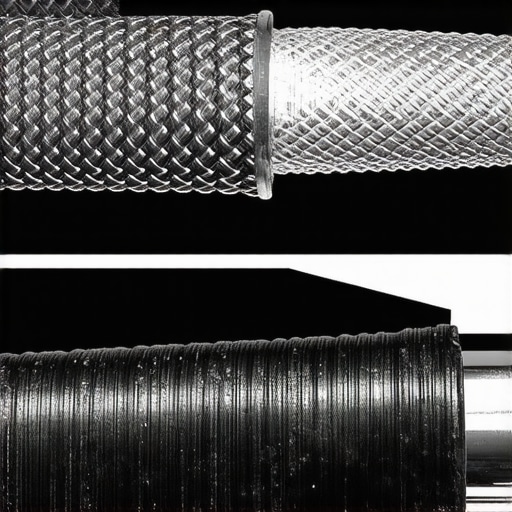
Can Your Brake Pads Actually Make the Pedal Feel Soft?
We often focus on the fluid, but the friction material itself plays a role in tactile feedback. Inexpensive, low-quality brake pads often use a binder material that is more compressible than high-performance ceramic or semi-metallic compounds. Under heavy braking, these pads act like a sponge, requiring more pedal travel to achieve full clamping force. Furthermore, if the pads are not sliding freely on the caliper brackets due to corrosion, they may sit at an angle, causing an uneven initial bite. This is a common reason why your brake pads are wearing unevenly on one side. Before assuming the master cylinder is failing, you should know how to check your own brake pads without taking the wheels off to ensure the hardware isn’t the source of your frustration.
Knock-Back and the Invisible Role of Hub Runout
An often-overlooked factor in vehicle diagnostics is wheel bearing health and its direct impact on pedal travel. A condition known as ‘pad knock-back’ occurs when excessive play in a wheel bearing causes the rotor to wobble slightly as you drive. This wobble physically pushes the brake pistons back into their bores. The next time you apply the brakes, the first half of the pedal stroke is simply moving the pistons back into contact with the rotor. This creates an intermittent soft pedal that often disappears if you ‘pump’ the brakes once. According to safety data from the National Highway Traffic Safety Administration (NHTSA), maintaining steering and suspension integrity is vital for predictable braking performance. If you suspect this is happening, it is crucial to understand how to identify which wheel bearing is noisy while driving before the issue compromises your safety. Beyond just the bearings, worn suspension components can contribute to poor weight transfer during deceleration. If you are feeling a lack of control, check how to tell if your struts are shot without a mechanic to ensure your chassis can handle the stopping power. Have you ever experienced a soft pedal that only appeared after a long highway drive? Share your diagnostic puzzles in the comments below, and let’s troubleshoot the root cause together.
Stop Overlooking the Power Brake Booster Check Valve
The relationship between vacuum assistance and hydraulic pressure is a cornerstone of modern auto repair, yet the check valve is frequently ignored during troubleshooting. This one-way valve maintains a vacuum reserve within the booster, ensuring that even if the engine stalls, you retain at least two or three assisted stops. When this valve fails or the grommet becomes brittle and leaks, it introduces an inconsistency in pedal feel that many technicians mistake for air in the lines. A subtle vacuum leak won’t always result in a rock-hard pedal; instead, it can create a ‘phantom’ sponginess where the pedal lacks the progressive resistance expected during the first inch of travel. When performing vehicle diagnostics, always use a dedicated vacuum pump to verify that the booster can hold 20 inches of mercury (Hg) without a rapid drop.
Can a vacuum leak cause a soft brake pedal even if there is no air in the lines?
While a complete loss of vacuum typically results in a hard pedal, an intermittent vacuum supply or a failing internal booster diaphragm can create a confusing tactile response. If the booster’s internal atmospheric valve is sticking, it may provide uneven assistance, making the pedal feel ‘long’ or disconnected. This is often confused with a hydraulic issue, but the root cause is pneumatic. Precision testing involves monitoring the engine’s fuel trims while depressing the brake; a significant spike in short-term fuel trim during braking is a definitive sign of an internal booster leak that is leaning out the engine’s air-fuel mixture.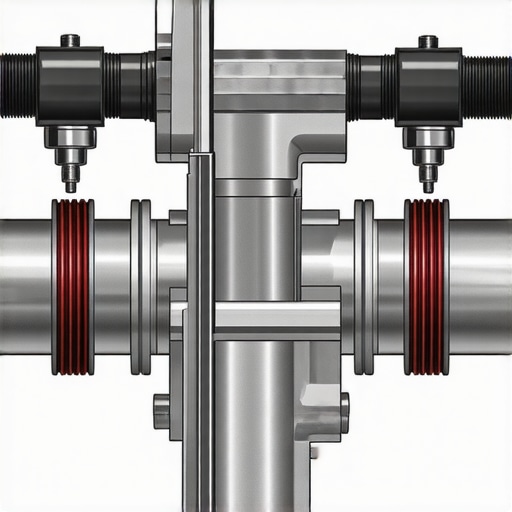
Identifying the Silent Failure of Internal Master Cylinder Bypass
One of the most deceptive issues in auto repair is the internal bypass of the master cylinder. In this scenario, the brake pedal slowly sinks to the floor while steady pressure is applied—such as sitting at a red light—despite no visible fluid leaks anywhere in the system. This occurs when the primary or secondary piston seals lose their ability to maintain a high-pressure seal against the cylinder bore. Instead of pushing fluid toward the calipers, the fluid ‘leaks’ backward into the low-pressure reservoir. This is a critical safety hazard governed by strict performance standards, such as those outlined in FMVSS No. 135, which mandates specific stopping distances that a bypassing cylinder simply cannot meet. If you find yourself constantly pumping the brakes to maintain pressure, your hydraulic integrity has been compromised from within.
Why Your High-Performance Fluid Is Still Boiling
Many drivers believe that simply switching to a high-boiling-point fluid solves all heat-related pedal issues. However, if your transmission is overheating or your cooling system is struggling, the ambient heat soak in the engine bay can drive master cylinder temperatures beyond the fluid’s ‘wet’ boiling point. This is especially true if the fluid hasn’t been flushed in over two years. When moisture-laden fluid reaches its boiling threshold, it transitions from a liquid to a gas. Since gas is compressible, the pedal will drop to the floor without warning—a terrifying phenomenon known as vapor lock. During high-level vehicle diagnostics, we use electronic refractometers to measure the exact moisture percentage. If you are pushing your vehicle to its limits, have you considered how often you should actually be refreshing your hydraulic system? Tell us about your most challenging brake fade experience in the comments so we can analyze the data together.
Proportioning Valves and the Equilibrium of Brake Bias
The distribution of pressure between the front and rear axles is managed by a proportioning valve, which prevents the rear wheels from locking up prematurely under heavy load. If this valve becomes partially seized or the internal spring weakens, it can disrupt the entire pressure curve of the system.
How EBD Redefines Balance Without Traditional Valves
In the evolution of auto repair, the transition from mechanical proportioning valves to Electronic Brake Force Distribution (EBD) represents a paradigm shift in how we achieve system equilibrium. EBD utilizes the ABS hardware to dynamically adjust the braking force sent to each wheel based on load, speed, and road conditions. This removes the static limitation of a traditional valve, but it adds a layer of complexity to vehicle diagnostics. If the software calibration is off or a wheel speed sensor provides erratic data, the hydraulic pressure might feel inconsistent, mimicking the symptoms of air in the lines. Unlike a mechanical valve that fails in a predictable way, an electronic glitch can create transient pedal softness that disappears upon a system reboot, making it one of the most difficult issues to pin down without advanced logging equipment. 
Don’t Let Rust Jack Your Rotor Out of Alignment
When pursuing a firm pedal, many technicians focus exclusively on the hydraulic path while ignoring the mechanical interface between the wheel hub and the rotor. A phenomenon known as ‘rust jacking’ occurs when oxidation builds up on the hub flange, creating an uneven mounting surface. Even a microscopic deviation of 0.002 inches at the hub can translate into significant lateral runout at the edge of the rotor. As the rotor wobbles, it physically pushes the brake pads away from the surface during every revolution, increasing the ‘air gap’ that the hydraulic system must overcome. This results in a long, soft pedal travel on the first application. High-level auto repair requires the use of a dial indicator to check runout every time a rotor is installed, ensuring that the mechanical foundation is as true as the hydraulic pressure.
Does your hybrid’s regenerative braking mask a failing hydraulic system?
The rise of electrified powertrains introduces a unique challenge: the blending of friction braking and regenerative motor braking. In many modern hybrids, the brake pedal is essentially a simulator that sends a signal to a computer, which then decides how much hydraulic pressure is actually needed. This ‘brake-by-wire’ logic can effectively hide a deteriorating master cylinder or aging fluid because the computer compensates for the lack of hydraulic response by increasing the regenerative load. However, during an emergency stop where the friction brakes must do 100% of the work, a compromised system will suddenly reveal itself. According to engineering white papers from Bosch Mobility Solutions, the integration of electromechanical boosters requires a recalibration of our tactile expectations, as the physical connection is increasingly mediated by sensors rather than direct fluid displacement. This makes routine vehicle diagnostics and fluid testing even more critical for hybrid owners.
The Hidden Fatigue of Pedal Bushings and Clevis Pins
Even a perfectly bled hydraulic system can feel ‘rubbery’ if there is mechanical play in the pedal assembly itself. Over hundreds of thousands of cycles, the plastic or bronze bushings at the pedal pivot point can ovalize, and the clevis pin connecting the pedal to the booster pushrod can wear thin. This tiny amount of slop is amplified by the leverage ratio of the brake pedal, turning a millimeter of wear at the pivot into a half-inch of ‘dead’ travel at the footpad. This is often misdiagnosed as a failing master cylinder. When performing a comprehensive car service, a technician should always inspect the under-dash components for any lateral movement or audible clicking. Replacing a five-dollar bushing can often provide a more dramatic improvement in pedal feel than a thousand-dollar hydraulic overhaul. Are you seeing more brake-by-wire inconsistencies or mechanical deflection issues in your shop? Tell us how you’re adapting your diagnostic workflow for these high-tech systems in the comments below.
Expert Insights & Advanced Considerations
Don’t Ignore the Expansion of Aging Rubber Hoses
While most technicians hunt for air bubbles, the subtle volumetric expansion of aging brake lines often goes unnoticed. Over time, the internal reinforcement of standard rubber hoses fatigues, causing the line to swell under pressure rather than transferring that force to the caliper. This creates a soft, inconsistent feel that no amount of bleeding will resolve. Professional auto repair standards suggest that if a vehicle is over a decade old, replacing these lines with braided stainless steel or high-quality OEM equivalents is a strategic necessity for restoring pedal feedback.
Precision Hub Runout Checks Kill Intermittent Sponginess
Intermittent pedal travel is frequently a mechanical issue misdiagnosed as a hydraulic one. If a rotor has even minor lateral runout, it will push the pads and pistons back into the bores while the vehicle is in motion—a phenomenon known as pad knock-back. We utilize dial indicators in our vehicle diagnostics to ensure runout is within 0.002 inches. Without this level of precision, the first half of your pedal stroke is merely resetting the pads, giving the illusion of air in the system.
#IMAGE_PLACEHOLDER_A#
Hybrid Braking Logic Often Masks Hydraulic Decay
In modern electrified powertrains, the transition between regenerative and friction braking is managed by complex algorithms. These systems can effectively hide a failing master cylinder by increasing the electric motor’s resistance to compensate for hydraulic pressure loss. During a routine car service, it is vital to perform a manual pressure test of the secondary hydraulic circuit to ensure that safety isn’t being compromised by the vehicle’s own compensation software. Learn more about the hidden world of vehicle diagnostics to understand how these systems interact.
Curated Expert Resources
SAE International (J1703 Standards): This is the gold standard for hydraulic brake fluid performance, providing the chemical benchmarks for boiling points and viscosity. It is an essential reference for understanding fluid degradation in high-heat environments.
Bosch Mobility Solutions – Brake-by-Wire Technical Papers: As the industry moves toward electromechanical boosters, Bosch provides the primary engineering documentation for how these systems simulate pedal feel and manage emergency pressure application.
NHTSA Safety Bulletins: A vital resource for tracking recurring hydraulic failures or master cylinder recalls across various makes and models, ensuring you aren’t fighting a manufacturing defect.
ASE Advanced Engine Performance (L1) Guides: While focused on engines, these guides offer deep dives into vacuum systems and how they impact the power brake booster’s performance.
Final Expert Perspective
True mastery of braking performance requires a holistic approach that bridges the gap between fluid dynamics and mechanical precision. Achieving a rock-solid pedal isn’t just about removing air; it’s about verifying the integrity of every component from the pedal bushings to the hub flange. By integrating top auto repair techniques every car owner should know, you can ensure that your vehicle diagnostics lead to lasting solutions rather than temporary fixes. If you’ve exhausted standard bleeding procedures and the sponginess remains, it’s time to look deeper into mechanical deflection and electronic bias. If you are struggling with a persistent hydraulic puzzle or need a professional second opinion, please contact us or schedule your next high-level car service to restore your vehicle’s factory-fresh braking response.