Precision NVH Analysis Separates Technical Diagnosis from Guesswork
In the realm of advanced vehicle diagnostics, distinguishing between various road-noise phenomena requires a disciplined approach to Noise, Vibration, and Harshness (NVH) analysis. A failing wheel bearing often mimics the symptoms of uneven tire wear or even complex drivetrain issues, such as those discussed in our analysis of transmission failures and expert fixes. However, the diagnostic signature of a bearing is uniquely tied to rotational speed and lateral load. Identifying the source of a cabin drone before it escalates into a catastrophic hub failure is critical for maintaining mechanical integrity and passenger safety.
Shift the Vehicle Weight to Pinpoint the Failing Corner
The most effective method for isolating a noisy wheel bearing while driving is the lateral load shift. By safely maneuvering the vehicle in a rhythmic, side-to-side motion on a clear stretch of road, a technician can observe changes in the sound’s frequency and volume. When you steer to the left, you transfer the vehicle’s weight to the right-side bearings. If the noise intensifies during this maneuver, the culprit is typically on the right side. Conversely, unloading a bearing by steering away from it will usually cause the noise to dissipate. This differentiates a bearing issue from a simple alignment problem, though it is worth noting that a car pulling to the right after an alignment can sometimes mask the early tactile vibrations of a degraded race.
How Do I Distinguish Between Bearing Drone and Tire Cupping?
Distinguishing between mechanical failure and pneumatic irregularities is a common hurdle in high-level vehicle diagnostics. Tire ‘cupping’ or ‘feathering’ creates a rhythmic growl that often sounds identical to a failing hub. To verify the source, professional technicians observe the noise across different road surfaces; tire noise typically changes pitch when transitioning from asphalt to concrete, whereas a wheel bearing maintains a consistent, speed-dependent harmonic regardless of the surface texture. For those dealing with more distinct mechanical impacts, understanding why your car clunks over speed bumps may reveal secondary suspension wear that often accompanies bearing degradation.
Infrared Thermal Mapping Reveals Hidden Friction
When acoustic tests remain inconclusive, utilizing an infrared thermometer provides an empirical data point. After a sustained drive at highway speeds, measuring the temperature of each wheel hub can reveal discrepancies. A bearing suffering from spalling or lack of lubrication generates significant kinetic heat through friction. According to technical documentation from SKF Group regarding bearing failure modes, the degradation of the raceway surface leads to an exponential increase in operating temperatures. If one hub measures significantly higher than its counterpart on the same axle, internal friction is the likely cause. If you suspect your vehicle is exhibiting these advanced symptoms, we recommend you contact us for a professional inspection to prevent hub seizure.
Listen for the Low-Frequency Growl During Deceleration
While acceleration often masks subtle noises due to engine load, deceleration provides a window for clearer acoustic isolation. A failing wheel bearing often produces a ‘whirring’ or ‘growling’ sound that peaks between 30 and 50 mph. Unlike a failing CV joint, which typically clicks during low-speed turns, the bearing’s drone is constant and increases in pitch as the rotational velocity of the wheel increases. This systematic process of elimination ensures that the repair is targeted and effective, avoiding the unnecessary replacement of healthy components.
Feel the Play Before the Hub Fails Completely
Mechanical integrity in a vehicle’s drivetrain depends on more than just silence; it requires rigorous tolerances within the hub assembly. When a bearing’s internal raceway begins to degrade, it introduces axial and radial play that can often be physically felt long before the component seizes or the noise becomes deafening. Lifting the vehicle on a hoist and performing a standard ‘clock’ test—grabbing the tire at the 12 and 6 o’clock positions and shaking it—is a primary diagnostic step. If you notice a distinct clicking or movement, it usually points directly to a compromised hub. However, if the movement is localized to the 3 and 9 o’clock positions, you are likely dealing with worn tie-rod ends or steering rack issues. This thorough physical inspection is vital because a failing bearing often stresses other suspension components, much like the symptoms described in our guide on how to tell if your struts are shot without a mechanic.
Why Does My ABS Light Trigger Before the Bearing Starts Growling?
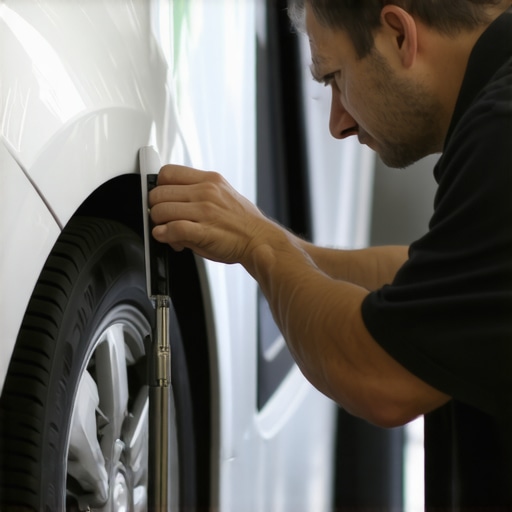
In modern vehicles, the wheel speed sensor relies on a precise air gap between the sensor tip and the magnetic tone ring integrated into the bearing’s grease seal. Even microscopic levels of bearing play can cause this tone ring to wobble or oscillate, disrupting the digital signal sent to the ABS control module. This ‘signal drop’ or ‘implausible data’ fault often triggers a dashboard warning light before the mechanical drone is even audible to the driver. It serves as a subtle diagnostic early-warning system that many owners ignore, thinking it is a simple electronic glitch. If you find your traction control engaging on dry pavement or see intermittent ABS lights, it is a sign you need to unlock your car’s potential with expert auto repair tips to catch a failing hub before it leaves you stranded.
Measure Excessive Runout to Confirm Internal Damage
For a definitive diagnosis that goes beyond tactile ‘feel,’ utilizing a dial indicator to measure lateral runout is the gold standard. This tool quantifies the amount of deviation in the hub’s rotation in thousandths of an inch. According to technical service bulletins from Timken regarding passenger vehicle hub units, even a minor amount of hub runout can lead to significant brake rotor oscillation, resulting in a pulsing brake pedal. This often leads technicians to mistakenly replace brake components when the hub was actually the root cause. If you have ever wondered why your brake pads are wearing unevenly on one side, a warped or failing hub assembly could be the silent architect of that imbalance, pulling the rotor out of its true plane of rotation.
The Impact of High-Offset Wheels on Bearing Longevity
Aftermarket modifications frequently play a hidden role in accelerated bearing wear. Installing high-offset wheels or wide spacers changes the scrub radius and significantly increases the leverage exerted on the bearing’s inner and outer races. This additional load causes the internal lubricating grease to break down prematurely and leads to a phenomenon called ‘brinelling,’ where the hardened steel balls create permanent microscopic indentations in the raceway. To avoid frequent and costly replacements, it is essential to ensure your alignment is perfectly dialed in and that your wheel specifications stay within a reasonable range of OEM standards. If you are searching for a way to maintain your vehicle’s health in the long term, consider how to find reliable car service near you in 2025 to get a professional opinion on your current setup. Have you ever struggled with a seized hub that required more than just a slide hammer to remove? Share your DIY horror stories or tool recommendations in the comments below.
Stop Corrosion Before the Seal Fails
While mechanical wear is a primary driver of bearing noise, environmental ingress often acts as the silent catalyst. Hub assemblies rely on multi-lip or labyrinth seals to keep contaminants out, but these barriers are not invincible. High-pressure car washes directed at the wheels can inadvertently force water past the seal, emulsifying the grease and leading to internal oxidation. This chemical breakdown of the lubricant reduces the load-carrying capacity of the bearing balls, eventually causing the metal-to-metal contact that produces the growl you hear in the cabin. Ensuring your dust caps are seated perfectly and inspecting the CV boot for grease spray is a vital part of advanced auto repair maintenance.
Get the Axle Nut Torque Right or Risk Immediate Failure
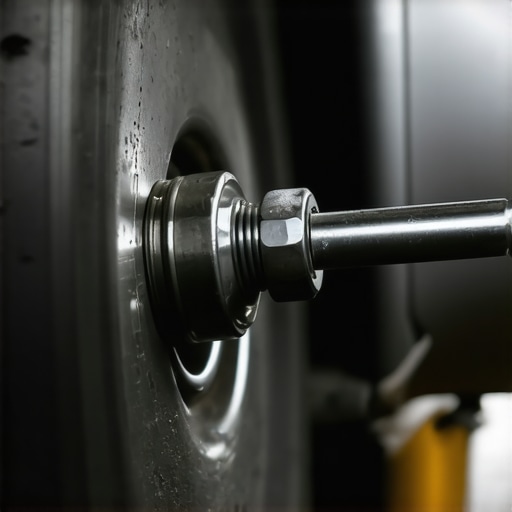
One of the most common mistakes made during hub replacement is ignoring the precise torque specifications for the axle nut. This nut is not just a fastener; it provides the ‘preload’ that keeps the bearing races properly seated against the rollers. Over-torquing the nut can crush the internal components, leading to rapid overheating, while under-torquing allows the assembly to wobble, causing premature spalling. Professional technicians never rely on an impact wrench for the final seat; they use a calibrated torque wrench to meet the exact foot-pound requirements. This level of precision is what separates a DIY attempt from a professional-grade reliable car service. Using an impact gun to ‘zip it on’ is a recipe for a return visit to the shop within six months.
Can a Worn Differential Mimic the Classic Hub Drone?
Determining whether a noise is originating from the wheel hub or the differential housing is a complex diagnostic task. A failing pinion bearing or side gear within the differential often produces a low-frequency hum that resonates through the chassis, very similar to a bad wheel bearing. To differentiate the two, pay close attention to load changes. A wheel bearing’s pitch typically shifts when the steering wheel is turned, while a differential noise is more likely to fluctuate based on acceleration versus coasting. If the noise remains constant regardless of side-to-side weight transfer but vanishes the moment you lift off the throttle, the issue likely resides within the gearbox or rear end. Deepening your knowledge of transmission and drivetrain diagnostics can help you avoid misdiagnosing a simple hub for a multi-thousand dollar gear swap.
Molecular Breakdown of Grease Under Extreme Pressure
The science of hub longevity is rooted in the chemistry of its lubrication. Modern wheel bearings use a specialized polyurea or lithium-complex grease designed to withstand high shear forces and temperatures. According to technical documentation from NTN-SNR regarding bearing lubrication and failure, when the base oil in the grease reaches its oxidation limit, it loses the ability to form a hydrodynamic film between the rolling elements. This leads to ‘micro-pitting,’ where tiny fragments of the hardened steel race flake off. Once this process begins, it is irreversible and will eventually manifest as the tactile vibration felt through the steering wheel. If you have ever felt a slight buzz in the floorboards that seems to change with vehicle speed, you are likely feeling the early stages of this molecular breakdown.
Analyze the Digital Signature of the ABS Tone Ring
When mechanical diagnostics are borderline, looking at the digital data stream provides a secondary layer of proof. A digital oscilloscope can be used to monitor the sine wave or square wave signal generated by the wheel speed sensor. If the bearing has internal play, the signal will show ‘jitter’ or inconsistent amplitude as the tone ring moves out of the sensor’s optimal focal range. This electronic ‘noise’ can trigger the traction control system to pulse the brakes unnecessarily, creating a safety hazard during standard braking maneuvers. If you are noticing strange pedal feedback, it is time to book a diagnostic session to see if your electronics are trying to tell you that a mechanical failure is imminent.
Hardened Steel Meets Its Match in High-Stress Friction
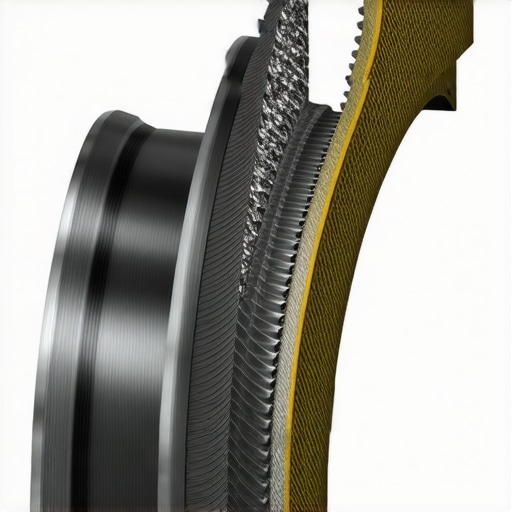
The internal architecture of a modern wheel hub is a marvel of precision engineering, utilizing case-hardened steel to withstand millions of rotations under immense vehicle load. However, once the protective lubricant film fails—a process often accelerated by extreme temperature cycles or moisture ingress—the metallurgy begins to change. Microscopic fissures, known as sub-surface fatigue, develop beneath the raceway. This leads to spalling, where tiny flakes of metal detach and circulate within the grease, acting as an abrasive that rapidly destroys the remaining smooth surfaces. This degradation isn’t just a noise nuisance; it compromises the structural integrity of the entire spindle assembly, potentially leading to wheel separation in extreme cases.
Stop Beating Your Hubs with a Sledgehammer
When it comes to replacement, many DIY enthusiasts and even some professional shops rely on blunt force to remove a seized hub from the knuckle. Using a sledgehammer or an air chisel might get the job done, but the shockwaves can damage sensitive aluminum suspension components or even the internal seals of the new bearing if it is not handled with extreme care. Expert technicians utilize specialized on-vehicle hub pullers and hydraulic press tools that apply even, controlled pressure. This protects the integrity of the steering knuckle and ensures that the new component is seated perfectly flush. According to the Schaeffler Automotive Aftermarket technical guides, improper installation is the leading cause of premature bearing failure, often manifesting within the first 5,000 miles of service.
What Happens to Steering Geometry When Hub Tolerances Slip?
Beyond the audible growl, a failing bearing introduces minute amounts of movement that directly impact your vehicle’s alignment. Even a fraction of a millimeter of ‘play’ in the hub can alter the camber and toe settings dynamically as you drive. This creates a vague, wandering sensation in the steering wheel and causes the tires to scrub against the road surface at an incorrect angle. If you notice accelerated wear on the inner or outer edges of your tires, don’t just assume you need an alignment. The root cause may be a hub that is no longer holding the wheel in its intended plane of rotation. This phenomenon is closely linked to the issues discussed in our guide on why cars pull to one side even after an alignment.
Track the Brake Pedal Pulse Back to the Hub
Many drivers mistake a pulsating brake pedal for warped rotors, but the actual culprit is often ‘hub runout.’ When a bearing begins to fail, the entire hub face may tilt slightly. As the brake rotor is bolted directly to this face, it also wobbles. This wobble causes the rotor to knock the brake pads back into the caliper pistons—a condition known as ‘pad knock-back.’ The result is a soft brake pedal on the first pump or a rhythmic vibration during light braking. Before you spend money on new rotors and pads, have a technician use a dial indicator to check the hub’s lateral runout. Precision diagnostics like these are a hallmark of advanced vehicle diagnostics. If your brakes feel inconsistent or ‘chunky,’ it is imperative that you schedule a comprehensive drivetrain inspection to isolate the vibration before it causes secondary damage to your braking system.
Expert Insights & Advanced Considerations
Don’t Mistake Heat Soak for Bearing Friction
When using infrared mapping, technicians must account for heat soak from the braking system. If you have just performed heavy braking, the rotor temperature will bleed into the hub face, masking the internal friction of a failing wheel bearing. Always let the brakes cool before taking measurements to ensure your vehicle diagnostics data remains accurate and isn’t skewed by thermal energy from the calipers.
Modern Active Sensors Mask Physical Play
While older passive sensors were sensitive to air gap changes, modern active sensors can often process a signal even with significant hub oscillation. This means a bearing can be mechanically compromised without triggering a dashboard light. Relying solely on electronics is a dangerous strategy; physical tactile tests are still the most reliable way to catch a hub before it fails. If you find your traction control engaging on dry pavement, you should check your expert auto repair tips for proper sensor cleaning procedures.
Sealed Bearings Still Require Environmental Vigilance
The industry term ‘sealed for life’ often leads to a false sense of security. These units are highly susceptible to chemical ingress from road salts and aggressive wheel cleaners. If your vehicle operates in a high-corrosion environment, checking the integrity of the hub’s dust shield and the mating surface of the brake pads and rotors can prevent premature failure by ensuring the seal isn’t compromised by external grit.
Curated Expert Resources
The Timken Tech Series: This resource provides deep dives on metallurgy and the specific spalling patterns that indicate the root cause of bearing fatigue. Schaeffler REPXPERT: A premier guide for installation best practices, specifically focusing on the critical torque-to-yield requirements of modern hub assemblies. SAE International NVH Standards: For those looking to master frequency mapping, these documents define the acoustic signatures of various rotating masses within a chassis.
Final Expert Perspective
Mastering the identification of a failing wheel bearing requires a shift from listening for noise to analyzing mechanical and thermal data. True expertise lies in the ability to differentiate between surface-level tire harmonics and the deep, speed-dependent growl of internal race degradation. By applying high-level vehicle diagnostics such as thermal mapping and runout measurement, you move beyond guesswork and into precision maintenance. If you are experiencing a vibration that defies traditional alignment fixes, we invite you to contact us for a professional inspection to secure your vehicle’s structural integrity.