Modern high-carbon cast iron rotors are engineered for thermal stability and peak deceleration, yet they remain fundamentally vulnerable to the relentless progression of oxidation. When ambient moisture interacts with the iron content of a rotor, the resulting ferric oxide layer does more than just mar the aesthetics of a vehicle’s wheel assembly; it fundamentally alters the coefficient of friction necessary for safe stopping distances. In the realm of professional auto repair, we view rust not merely as surface staining but as a potential catalyst for Disc Thickness Variation (DTV) and pedal pulsation. Restoring these components requires a nuanced understanding of metallurgy and mechanical tolerances to ensure the vehicle’s braking system operates within its original design parameters.
Flash Rust Clears with Use but Pitting Demands Intervention
For vehicles driven daily, a light film of oxidation—often called flash rust—is typically scrubbed away by the brake pads during the first few stops. This process, while seemingly benign, contributes to the gradual transfer of friction material onto the rotor surface. However, when a vehicle sits idle in humid conditions, this oxidation penetrates deeper into the grain structure of the cast iron. This localized corrosion can lead to structural pitting that a standard set of pads cannot smooth out. If you have noticed why your brake pads are wearing unevenly on one side, the culprit is often a buildup of rust scale on the rotor’s cooling vanes or the mounting surface, which induces a microscopic tilt in the rotor’s rotation.
The Mechanical Precision of Lathe Resurfacing vs Hand Methods
While DIY enthusiasts may reach for a wire brush or sandpaper, these tools often fail to restore the necessary parallelism required for high-performance braking. A professional car service approach involves either a bench lathe or, more ideally, an on-car lathe. This equipment resurfaces the rotor while it is attached to the hub, effectively neutralizing any inherent run-out in the bearing assembly. Research published by the SAE International Journal confirms that even a few thousandths of an inch of lateral run-out can lead to significant thermal judder over time. Before deciding to resurface, it is imperative to how to check your own brake pads without taking the wheels off to ensure there is enough friction material left to bed into the newly machined surface.
Can Excessive Rust Compromise Your ABS and Traction Control Sensors?
Beyond the friction surface, heavy rust accumulation on the rotor hat and edges can interfere with the magnetic tone rings used for vehicle diagnostics and safety systems. Large flakes of rust scale can break loose and get trapped between the wheel speed sensor and the tone ring, causing erratic signals that trigger ABS or traction control warnings. This is particularly prevalent in regions that use road salt, where galvanic corrosion is accelerated. If your dashboard is illuminated with warning lights, a comprehensive inspection of the rotor’s physical condition is a critical diagnostic step before assuming a sensor has failed.
Chemical Evaporation and Why Acids Are a Last Resort
In certain restoration scenarios, technicians may use specialized chemical de-rusters such as evaporated chelating agents. Unlike harsh acids, which can cause hydrogen embrittlement in the metal and lead to catastrophic failure under heat stress, chelating agents target only the iron oxide. However, after any chemical or mechanical rust removal, the rotor must be cleaned with a denatured alcohol or a dedicated brake cleaner to remove any residue that could contaminate the new pads. This level of detail is what separates a standard job from a high-tier unlock your cars potential expert auto repair tips for 2025. If you are experiencing a persistent vibration that persists after cleaning, we recommend reviewing how we fixed a spongy brake pedal when bleeding the lines failed to see if your issues stem from deeper hydraulic or mechanical inconsistencies.
Stop Ignoring the Hub Surface During Your Next Brake Job
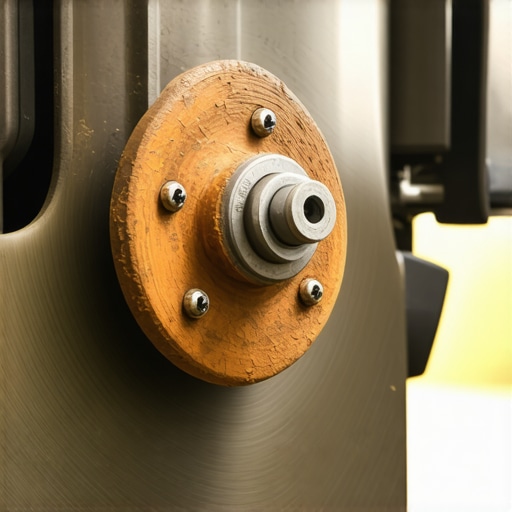
While most maintenance focus remains on the friction surface, professional auto repair requires obsessive attention to the mating surface between the rotor hat and the wheel hub. Even a microscopic layer of rust scale trapped between these two components can induce lateral run-out, which translates into a pulsing steering wheel at highway speeds. A thorough cleaning with a specialized hub-cleaning tool or a high-quality stainless steel wire brush is non-negotiable in a high-tier car service environment. This preparation ensures the rotor sits perfectly true against the hub, preventing the uneven pad-to-rotor contact that frequently leads to premature heat spotting and warped sensations under heavy braking loads.
Stop Different Metals From Seizing Your Braking System
Galvanic corrosion is the silent enemy of the modern braking assembly, occurring whenever an aluminum alloy wheel meets a cast iron rotor in the presence of an electrolyte like road salt. This chemical reaction essentially welds the wheel to the rotor over time, making future vehicle diagnostics and maintenance a logistical nightmare. To combat this, master technicians apply a paper-thin film of nickel-based anti-seize to the hub face—being extremely careful to avoid getting any lubricant on the wheel studs. If your brake feel has remained inconsistent despite these mechanical efforts, it may be worth investigating why your brake pedal feels spongy after bleeding the lines to rule out air trapped in the secondary hydraulic circuits.
Is That Grinding Noise Just Rust or a Failing Wheel Bearing?
Distinguishing between the localized ‘scuffing’ of a rusted rotor and the low-frequency growl of a failing hub assembly is a hallmark of expert auto repair. Rust-related noise typically fluctuates with brake application and tends to sound more like sandpaper, whereas a bearing failure remains constant or changes pitch significantly with lateral load, such as when turning the vehicle. For a deeper dive into these acoustic symptoms, you can learn how to identify which wheel bearing is noisy while driving. This distinction is vital because a ‘rust fix’ will never address the inherent safety risks posed by a compromised bearing that could lead to wheel separation under high-stress maneuvers.
Heat Cycling Your Rotors to Prevent Future Oxidation
Once a rotor is cleaned or resurfaced, the ‘bedding-in’ or burnishing process is your final defense against rapid re-oxidation. This involves a series of controlled decelerations that raise the rotor temperature enough to transfer a uniform layer of pad material onto the cast iron surface. This molecular transfer layer acts as a chemical barrier against ambient moisture. The National Highway Traffic Safety Administration (NHTSA) emphasizes the importance of maintaining consistent friction coefficients across all wheels to ensure that electronic stability control and ABS systems can react accurately during emergency events. Without this protective layer, a freshly machined rotor is simply a blank canvas for atmospheric moisture to start the oxidation cycle again. Have you ever experienced a persistent brake vibration that just won’t go away despite new parts? We invite you to share your experiences in the comments or read our guide on how to replace your own brake lines without making a mess to further refine your workshop skills.
Geomet Coatings Act as a Permanent Barrier Against Iron Oxide
In the evolving landscape of auto repair, the traditional raw cast iron rotor is being superseded by components treated with advanced protective layers. Geomet, a proprietary water-based coating containing zinc and aluminum flakes, is baked onto the entire surface of the rotor, including the internal cooling vanes. Unlike standard paint, this coating is designed to withstand the extreme heat generated during vehicle diagnostics and performance testing without peeling or degrading. When you invest in a premium car service, selecting these coated rotors ensures that the non-friction areas—such as the hub and the cooling fins—remain free of structural rust for years. This isn’t just about maintaining a clean aesthetic through an open-spoke wheel design; it is about preventing the rust jacking that occurs when oxidation expands and pushes the brake pads away from their optimal alignment.
Cross-Drilled Rotors Hide Dangerous Corrosion Inside the Casting
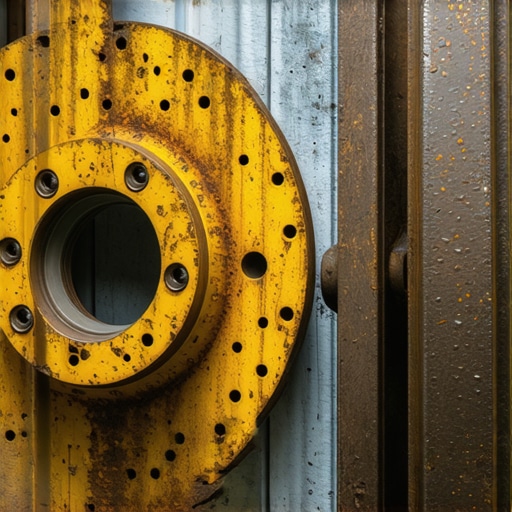
While performance enthusiasts prefer the look and heat-dissipation qualities of drilled or slotted rotors, these designs introduce unique challenges regarding oxidation. The edges of each hole or slot provide significantly more surface area for moisture to settle. Over time, rust can develop within these recesses, acting as a stress riser. This microscopic degradation of the metallurgy can lead to hairline fractures under heavy thermal loads. If you notice small cracks radiating from the holes, the rotor has reached its fatigue limit and must be replaced immediately. Professional auto repair technicians look for these subtle signs during a routine car service, as they indicate that the rotor structural integrity is compromised far beyond what a surface cleaning could fix.
Does Rotor Rust Increase Your Vehicle’s Stopping Distance in Emergency Situations?
The short answer is yes, specifically during the initial engagement phase of braking. When the brake pad first contacts a rusted surface, the iron oxide acts as a contaminant that momentarily reduces the friction coefficient. According to the ISO 26867:2009 standard, which outlines the performance evaluation of automotive brake friction materials, consistent surface quality is paramount for predictable stopping performance. A layer of rust forces the ABS system to work harder to compensate for the lack of initial bite, potentially adding several feet to your stopping distance—a margin that can be the difference between a near-miss and a collision. This is why we emphasize the importance of a clean friction surface for every vehicle diagnostics check-up.
Update Your Hardware to Prevent Seized Brake Caliper Brackets
A common oversight in brake maintenance is ignoring the stainless steel hardware—the clips and shims—that hold the pads in place. Rust does not just stay on the rotor; it migrates to the caliper bracket. When corrosion builds up beneath these clips, it creates pressure that pinches the brake pads, preventing them from sliding freely within the bracket. This leads to a drag condition where the pads stay in contact with the rotor even when your foot is off the pedal. If you have ever wondered how to fix pulsating brakes on your car without replacing rotors, the answer often lies in the meticulous cleaning of these brackets and the replacement of hardware. Neglecting the hardware ensures that even a brand-new rotor will suffer from premature heat spotting and localized oxidation because the pads cannot retract properly to allow for cooling airflow.
The Role of Environmental Salinity in Premature Rotor Pitting
For drivers in coastal regions or areas where liquid brine is used for winter road maintenance, the rate of oxidation is exponentially higher. The salt acts as an aggressive catalyst, speeding up the electrochemical reaction between the iron and oxygen in the air. In these environments, even a 48-hour period of inactivity can result in significant pad imprinting, where the moisture trapped between the pad and rotor creates a permanent mark of corrosion. This imprinting is a primary cause of high-speed vibration that many drivers misinterpret as a wheel balance issue. When performing vehicle diagnostics in these regions, it is essential to inspect the back-side of the rotor—the surface facing the dust shield—where salt spray is often trapped and concentrated, leading to more aggressive pitting than what is visible from the outside face of the wheel…
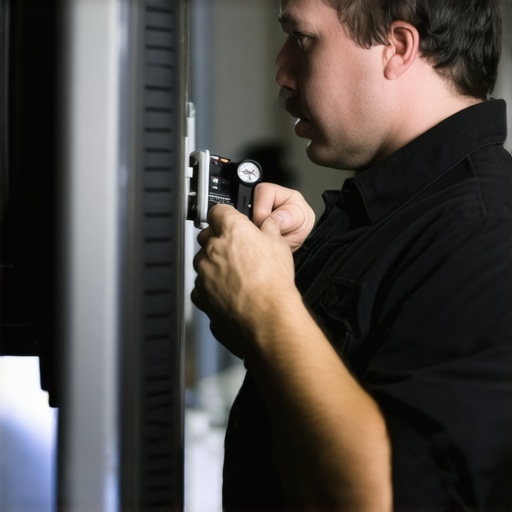
While visual inspections catch the most egregious surface defects, high-precision auto repair requires quantifying the invisible. Professional technicians utilize dial indicators to measure lateral run-out, ensuring that the combined tolerance of the hub and rotor does not exceed manufacturer specifications—often as tight as 0.05mm. When rust accumulates on the inner mounting flange, it creates a ‘stack-up’ error, amplifying microscopic deviations into noticeable pedal pulsation. This is why simply slapping on new rotors without cleaning the hub is a recipe for a comeback. By using a dial indicator, a technician can determine if a vibration is caused by a metallurgical defect in the rotor or a misalignment at the hub, allowing for targeted vehicle diagnostics that save the client time and unnecessary component costs.
The Paradoxical Impact of Regenerative Braking on Modern Hybrids
In a traditional internal combustion vehicle, the mechanical friction of every stop acts as a self-cleaning mechanism for the braking system. However, modern electric vehicles (EVs) and hybrids present a unique challenge in car service due to their heavy reliance on regenerative braking. Because the electric motor handles the bulk of deceleration, the friction brakes are rarely engaged with enough force to generate the heat necessary to evaporate moisture or scrub away flash rust. This leads to a phenomenon where a vehicle with 50,000 miles may have nearly new brake pads but rotors that are structurally compromised by deep-seated oxidation. Owners of these vehicles must periodically perform ‘maintenance braking’—firmly applying the brakes in a safe area—to ensure the friction surfaces remain operational and free of corrosive buildup.
Does Your Hybrid’s Regenerative Braking System Accelerate Rotor Decay?
Essentially, yes, by omission of use. When the friction surfaces are not regularly ‘swept’ by the pads, moisture remains trapped in the grain structure of the iron. This leads to localized pitting that can eventually cause the brake pad material to ‘smear’ rather than bite, reducing the efficiency of the backup mechanical braking system. Expert auto repair for EVs involves specialized cleaning cycles and the use of corrosion-resistant coatings that are far more robust than those found on standard economy cars. If you drive a hybrid and notice a crunching sound during the first few stops of the morning, it is a clear indicator that the regenerative system is allowing rust to gain a foothold on your friction surfaces.
How Graphite Flake Geometry Defines Rotor Longevity
The resilience of a brake rotor is dictated by its casting Grade. According to the ASTM A48 standard for Gray Iron Castings, the size and distribution of graphite flakes within the iron matrix determine the rotor’s ability to dissipate heat and resist vibration. High-carbon rotors feature longer, more interconnected graphite flakes, which provide superior damping of the harmonic frequencies that lead to brake squeal. From a vehicle diagnostics perspective, identifying a ‘cheap’ rotor often comes down to its weight and the density of these castings. Lower-grade iron is more porous, allowing moisture to penetrate deeper and faster, leading to the internal ‘rust jacking’ that eventually cracks the rotor hat or cooling vanes. Investing in higher ASTM-rated components is not just a performance upgrade; it is a long-term strategy to prevent premature failure in high-humidity environments.
Standardize Your Maintenance to Avoid High-Speed Instability
Consistency across an axle is the cornerstone of predictable handling. If one rotor is significantly more oxidized than its counterpart, the friction differential can cause the vehicle to pull to one side during panic braking, even if the ABS is functioning perfectly. This is particularly dangerous on wet or icy roads where every bit of balanced traction is required. We recommend a professional car service inspection every 12,000 miles to ensure that both sides of the braking system are wearing evenly. Have you noticed a slight steering wheel shimmy only when braking from highway speeds? This is often the first sign of DTV caused by rust spots. We encourage you to contact a specialist for a precision run-out test today to ensure your vehicle remains stable under pressure.
Expert Insights & Advanced Considerations
Stop Blaming Warped Rotors for Your Vibration
In the world of high-tier auto repair, “warped” rotors are frequently a misdiagnosis. Most pedal pulsation is actually caused by Cementite formation—hard spots created when pads are held against a hot rotor after a heavy stop. This chemical change is permanent and cannot be scrubbed away. Understanding these top auto repair techniques every car owner should know can help you distinguish between surface rust and permanent metallurgical damage.
Measurement Is the Only Insurance Policy
Professional vehicle diagnostics require more than a visual check. If your technician isn’t using a dial indicator to check for lateral run-out, the job isn’t finished. Even a deviation thinner than a human hair can lead to significant judder over time. This level of precision is what separates a generic fix from a high-quality car service experience. You can learn more about finding the right experts by exploring the hidden world of vehicle diagnostics what you need to know.
Thermal Efficiency Depends on Vane Integrity
A rotor might look clean on the outside, but if the internal cooling vanes are clogged with rust scale, its thermal capacity is significantly reduced. This is particularly dangerous for towing or heavy-duty applications where heat dissipation is critical. If you have been struggling with inconsistent brake feel, it is worth learning how to fix pulsating brakes on your car without replacing rotors through thorough cleaning and hardware inspection.
Curated Expert Resources
SAE International Technical Papers: These documents provide the definitive scientific consensus on brake friction materials and rotor metallurgy, essential for anyone looking to go beyond basic maintenance. ASTM A48 Standards: This resource defines the gray iron casting grades required for safety-critical components, helping you verify the quality of aftermarket parts. Brake & Front End Magazine: A premier trade publication that offers real-world case studies and diagnostic shortcuts used by master technicians in the field today.
Final Expert Perspective
Addressing rotor oxidation is not merely an aesthetic choice; it is a fundamental requirement for maintaining the safety and performance of your vehicle’s braking system. Through precise vehicle diagnostics and a commitment to high-standard auto repair, you can prevent the performance degradation that leads to increased stopping distances and mechanical failure. A proactive car service schedule ensures that minor oxidation never evolves into a structural safety risk. We invite you to share your specific maintenance challenges in the comments below or reach out for a professional consultation to ensure your vehicle is operating at peak efficiency.