The Physics of the Reverse Gear Kick
The sensation of a violent ‘thud’ or ‘kick’ when selecting reverse is rarely a singular component failure; rather, it is often a symptom of hydraulic mismanagement or mechanical backlash within the drivetrain. From an engineering perspective, the reverse gear in most automatic transmissions requires the highest hydraulic line pressure to engage. When this engagement happens with excessive force, it indicates that the timing or the dampening of this pressure has been compromised. Professional vehicle diagnostics often reveal that the Electronic Control Unit (ECU) is overcompensating for perceived internal slip, leading to an aggressive application of the reverse clutch pack.
How Line Pressure Regulation Dictates Shift Quality
Inside the modern valve body, the Electronic Pressure Control (EPC) solenoid manages the fluid pressure that applies the clutches. If this solenoid fails or becomes clogged with debris, it can no longer modulate the pressure smoothly. Instead of a gradual ‘apply,’ the fluid hits the piston with full force, causing the vehicle to jerk. This is particularly prevalent when the fluid is cold and its viscosity is higher, making it harder for the system to bleed off excess pressure quickly. Owners often notice that their transmission shifts hard when the engine is cold, which is a primary indicator of fluid-related hydraulic issues. Research published by SAE International highlights that even minor deviations in fluid friction modifiers can lead to significant changes in shift feel and clutch engagement speed.
Could a Compromised Solenoid Be Masking Internal Wear?
While many drivers fear a total gearbox rebuild, the culprit is frequently an electrical or hydraulic component rather than the gears themselves. A sticking shift solenoid or a worn accumulator piston spring—designed to cushion the pressure spike—can cause the ‘kick.’ If you are experiencing these symptoms, it is vital to review transmission failures decoded to understand if your specific model has a known history of valve body wear. Diagnosing these issues early prevents the shock load from damaging more expensive components like the sun shell or the planetary gear sets.
Engine and Transmission Mounts Often Mimic Internal Failure
Sometimes the ‘kick’ isn’t coming from inside the gearbox at all. The engine and transmission are held in place by rubber and metal mounts designed to absorb torque. When these mounts tear or degrade, the entire powertrain rotates excessively when you shift into reverse. This movement creates a loud ‘clunk’ that feels like a transmission slam. Expert car service should always include a visual inspection of these mounts before diving into complex internal repairs. If you notice a similar sensation while driving at speed, such as when your car shakes at highway speeds, it further suggests that the structural support of the drivetrain is failing. Professional technicians use a ‘torque test’—applying the brakes while lightly revving in gear—to observe if the engine lifts out of its cradle, confirming a mount failure. If your vehicle exhibits these signs, we invite you to share your specific symptoms in our professional forums to help narrow down the diagnostic path before visiting a shop.
Software Logic Can Overpower Mechanical Precision
Modern Transmission Control Modules (TCMs) utilize adaptive learning algorithms to maintain shift quality as internal clutches wear. However, these software compensations can sometimes backfire, leading to the aggressive ‘kick’ felt during gear selection. If the TCM detects a slight delay in engagement, it may drastically increase line pressure to complete the shift, resulting in a violent jolt. This is often the first sign that the vehicle is on the verge of entering a protection mode. Understanding how to get your car out of limp mode without a tow truck is essential for drivers who experience these electronic hiccups, as resetting the adaptive values can sometimes provide a temporary reprieve while you seek a permanent hardware fix.
Why Does Your Car Hesitate Before Slamming Into Gear?
Expert technicians refer to this as a ‘delayed engagement’ or ‘garage shift’ issue. From an expert perspective, the delay is usually caused by internal seals that have hardened or shrunk, allowing fluid to leak past them rather than applying the clutch piston immediately. Once the pressure finally builds high enough to overcome the leak, the clutch slams into place. This mechanical lag is why you might count to three before the car moves, followed by a bone-jarring thud. It is a nuanced diagnostic challenge because it mimics both a failing pump and a simple low-fluid condition. You should always verify that your fluid level is correct before assuming the worst about your internals.
Eliminating Driveline Slack and Excessive Play
Before condemning the transmission itself, one must consider the entire path of power from the output shaft to the wheels. Universal joints (U-joints) in rear-wheel-drive vehicles or Constant Velocity (CV) joints in front-wheel-drive cars can develop ‘play’ or backlash. When you shift from Drive to Reverse, the rotation of the drivetrain reverses direction, taking up all that accumulated slack at once. This metal-on-metal collision creates a sharp sound and sensation that feels identical to a transmission failure. If you also notice why your car makes a popping sound during sharp turns, your CV joints are likely the culprit rather than the gearbox. Similarly, a worn differential pin or ‘spider gears’ can contribute to this clunk. 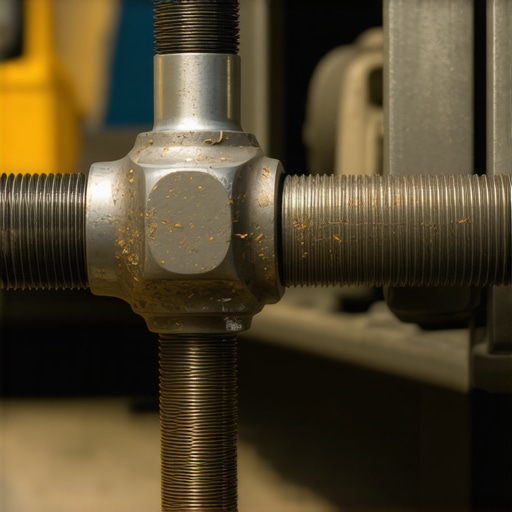
How Fluid Oxidation Destroys Shift Comfort
The chemical integrity of transmission fluid is non-negotiable for smooth operation. Over time, heat causes the fluid to oxidize, breaking down the friction modifiers that allow clutches to slip slightly before fully grabbing. When these additives fail, the engagement becomes ‘on-off’ with no middle ground, leading to a harsh jerk. Technical documentation from ZF Friedrichshafen AG, a world leader in transmission manufacturing, emphasizes that ‘lifetime’ fluids are often subject to environmental variables that necessitate much earlier replacement than factory intervals suggest. This is why many experts challenge the truth about lifetime transmission fluid claims. In many cases, a high-quality fluid exchange can restore the friction characteristics needed for a soft reverse engagement. If you have recently changed your fluid and noticed a difference—either better or worse—tell us about your experience in the comments below so we can track which brands provide the best results for high-mileage units. Proactively checking for other drivetrain issues, such as being able to identify a failing wheel bearing before it becomes a hazard, ensures that your diagnostic focus remains accurate and cost-effective.
The Torque Converter Stator Factor You Might Be Overlooking
While many point fingers at the valve body, the torque converter acts as the fluid-based gateway for all torque transfer. If the internal stator sprag is beginning to fail or if the lockup piston is dragging slightly, the transition from a neutral state to a loaded reverse state becomes incredibly violent. This isn’t just a hydraulic spike; it is a mechanical shock caused by the engine’s rotational energy being dumped into the gearset without the typical ‘slip’ that a healthy converter provides. High-stall converters in performance vehicles often exhibit this more prominently, but in a daily driver, it is a red flag for internal turbine wear that eventually leads to excessive heat and metal contamination.
Can an electrical ground issue actually make my transmission slam?
The short answer is a definitive yes. The Electronic Pressure Control (EPC) solenoid is essentially a pulse-width modulated (PWM) device that requires a steady, interference-free voltage signal to regulate line pressure. If the engine block ground strap is corroded or if there is ‘AC ripple’ from a failing alternator diode, the Transmission Control Module (TCM) might receive corrupted data. This causes the solenoid to fluctuate rapidly or default to a ‘full-open’ position as a fail-safe to protect the clutches, resulting in that bone-jarring kick when you shift. Checking your chassis grounds with a multimeter is a low-cost diagnostic step that often resolves what looks like a multi-thousand-dollar internal failure. 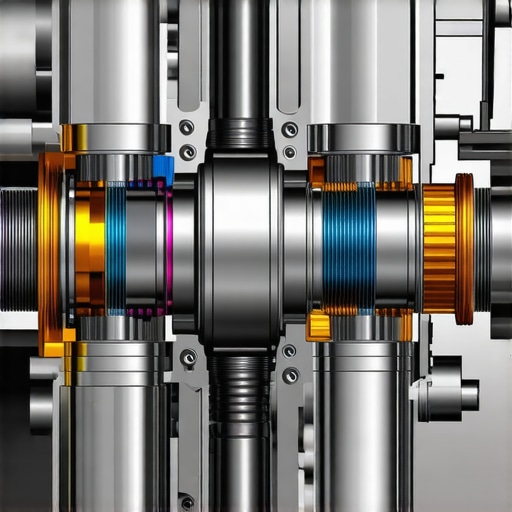
Valve Body Cross-Leaks and the Warping of Aluminum
As transmissions age, the constant heat cycles can lead to microscopic warping of the valve body casting itself. Since the valve body is typically made of aluminum and the separator plate is made of steel, they expand and contract at different rates during operation. This thermal stress can create ‘cross-leaks’ where high-pressure fluid intended for one circuit bleeds into another. In many Aisin-Warner units, for instance, a cross-leak into the reverse apply circuit is a well-documented cause of harsh engagement. Technical bulletins from the Automatic Transmission Service Group (ATSG) frequently cite these internal leaks as the primary reason why software resets or battery disconnects only provide a temporary reprieve. Identifying these leaks requires a vacuum test of the valve body, a task reserved for specialized transmission labs.
Why Modern Synthetics Outperform the Factory Fill
The industry-wide shift toward low-viscosity synthetic fluids in modern 8, 9, and 10-speed transmissions was not just an effort to improve fuel economy; it was a necessity to manage the tighter tolerances of these intricate hydraulic circuits. If you have topped off your fluid with a generic ‘all-purpose’ lubricant, you may have inadvertently altered the viscosity index enough to disrupt the timing of the reverse engagement. These systems are calibrated to a specific ‘centistoke’ rating at operating temperature, and even a slight thickening can delay the solenoid response. If you are unsure whether your current fluid meets the exact manufacturer specification, it is worth investigating vehicle diagnostics further to see if the TCM is logging ‘clutch apply time’ errors. This data can tell you if the fluid is moving too slowly through the internal orifices. Don’t wait for the clunk to become a catastrophic failure; share your diagnostic codes in our community thread below to see how other owners have addressed similar shift-quality issues before they reached the breaking point.
The Role of Adaptive Learning Relearn Procedures
When a component like a solenoid or a seal is replaced, the TCM must be told to ‘unlearn’ its previous pressure compensations. If you replace a faulty part but fail to perform a professional-level ‘adaptive relearn,’ the computer will continue to apply the high-pressure settings it used to compensate for the old, failing part. This results in an even more violent shift than before the repair. A technician using a high-end scan tool can reset these values, forcing the TCM to start from a baseline and slowly find the smoothest engagement point through a series of controlled shifts. This software-hardware synergy is why modern car service must involve both a wrench and a computer to be truly effective.
Why a Dirty Air Sensor Causes Your Transmission to Slam
It is a common misconception that the transmission operates as an isolated island of mechanics. In reality, the Transmission Control Module (TCM) is a voracious consumer of engine data, specifically the “calculated load” signal provided by the Mass Air Flow (MAF) sensor and the Throttle Position Sensor (TPS). If your MAF sensor is contaminated with oil or dust, it may report an incorrect air-density reading to the ECU. The TCM, interpreting this as the engine being under a higher load than it actually is, preemptively increases hydraulic line pressure to prevent clutch slippage. When you move the selector into reverse at a standstill, this artificially high pressure results in a violent engagement. Resolving this might be as simple as a five-minute sensor cleaning rather than a three-day transmission teardown. Professional vehicle diagnostics should always cross-reference engine load PIDs (Parameter IDs) with transmission line pressure to rule out these phantom electrical triggers.
Does Temperature-Induced Metal Expansion Change Your Shift Quality?
Thermal dynamics play a critical role in how internal transmission components interact. The valve body is typically an intricate maze of aluminum, housing steel valves that must move with zero friction. Because aluminum and steel have different coefficients of thermal expansion, a valve that slides perfectly at 70°F might begin to bind or “hang” at 200°F. When a valve sticks momentarily and then suddenly releases under pressure, it creates a hydraulic “hammer” effect. This is the scientific explanation for why a car might shift smoothly when you first leave your driveway but begins to slam into reverse once you reach your destination. Technical data from the Automatic Transmission Rebuilders Association (ATRA) confirms that bore wear in these aluminum castings is a leading cause of intermittent harsh engagement in high-mileage units. 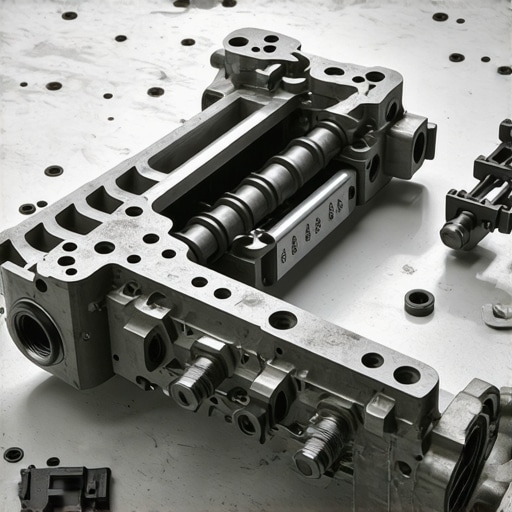
Worn Accumulator Bores Overpower Fresh Fluid Changes
While many enthusiasts suggest a fluid flush as a “cure-all,” it cannot compensate for physical metal fatigue. Accumulators are essentially small shock absorbers within the transmission that use springs and pistons to dampen the shock of a gear engagement. Over millions of cycles, the piston can wear a groove into the bore, or the spring can lose its tension. When this happens, the “cushion” is gone. The hydraulic fluid, no matter how fresh or high-quality, simply passes through the circuit without the necessary resistance, leading to a hard mechanical thud. If you find that your transmission shifts hard when the engine is cold, it may actually be the thicker fluid partially masking this accumulator wear before the viscosity drops with heat.
Speed Sensor Interference and the Ghost of Erratic Pressure
Modern transmissions utilize Input Speed Sensors (ISS) and Output Speed Sensors (OSS) to monitor the “slip” across the torque converter and clutch packs. If these sensors are coated in metallic “fuzz”—microscopic shavings naturally shed by the gears—they can produce a noisy electrical signal. The TCM may interpret this noise as a sudden flare in RPM and react by slamming the pressure to maximum to “save” the clutches. This is often why a simple sensor replacement or even a thorough cleaning of the magnetic pickups can restore factory-smooth shifts. We encourage you to post your specific vehicle year and model in our discussion boards; our community of specialists can often identify if your vehicle is prone to these specific sensor-driven glitches, saving you hours of trial-and-error troubleshooting. Ensuring your vehicle receives an expert car service that includes a deep-dive scan of “pending” codes can catch these sensor issues before they result in a permanent mechanical failure.
The Physics of the Reverse Gear Kick
The sensation of a violent ‘thud’ or ‘kick’ when selecting reverse is rarely a singular component failure; rather, it is often a symptom of hydraulic mismanagement or mechanical backlash within the drivetrain. From an engineering perspective, the reverse gear in most automatic transmissions requires the highest hydraulic line pressure to engage. When this engagement happens with excessive force, it indicates that the timing or the dampening of this pressure has been compromised. Professional vehicle diagnostics often reveal that the Electronic Control Unit (ECU) is overcompensating for perceived internal slip, leading to an aggressive application of the reverse clutch pack.
How Line Pressure Regulation Dictates Shift Quality
Inside the modern valve body, the Electronic Pressure Control (EPC) solenoid manages the fluid pressure that applies the clutches. If this solenoid fails or becomes clogged with debris, it can no longer modulate the pressure smoothly. Instead of a gradual ‘apply,’ the fluid hits the piston with full force, causing the vehicle to jerk. This is particularly prevalent when the fluid is cold and its viscosity is higher, making it harder for the system to bleed off excess pressure quickly. Owners often notice that their transmission shifts hard when the engine is cold, which is a primary indicator of fluid-related hydraulic issues. Research published by SAE International highlights that even minor deviations in fluid friction modifiers can lead to significant changes in shift feel and clutch engagement speed.
Could a Compromised Solenoid Be Masking Internal Wear?
While many drivers fear a total gearbox rebuild, the culprit is frequently an electrical or hydraulic component rather than the gears themselves. A sticking shift solenoid or a worn accumulator piston spring—designed to cushion the pressure spike—can cause the ‘kick.’ If you are experiencing these symptoms, it is vital to review transmission failures decoded to understand if your specific model has a known history of valve body wear. Diagnosing these issues early prevents the shock load from damaging more expensive components like the sun shell or the planetary gear sets.
Engine and Transmission Mounts Often Mimic Internal Failure
Sometimes the ‘kick’ isn’t coming from inside the gearbox at all. The engine and transmission are held in place by rubber and metal mounts designed to absorb torque. When these mounts tear or degrade, the entire powertrain rotates excessively when you shift into reverse. This movement creates a loud ‘clunk’ that feels like a transmission slam. Expert car service should always include a visual inspection of these mounts before diving into complex internal repairs. If you notice a similar sensation while driving at speed, such as when your car shakes at highway speeds, it further suggests that the structural support of the drivetrain is failing. Professional technicians use a ‘torque test’—applying the brakes while lightly revving in gear—to observe if the engine lifts out of its cradle, confirming a mount failure. If your vehicle exhibits these signs, we invite you to share your specific symptoms in our professional forums to help narrow down the diagnostic path before visiting a shop.
Software Logic Can Overpower Mechanical Precision
Modern Transmission Control Modules (TCMs) utilize adaptive learning algorithms to maintain shift quality as internal clutches wear. However, these software compensations can sometimes backfire, leading to the aggressive ‘kick’ felt during gear selection. If the TCM detects a slight delay in engagement, it may drastically increase line pressure to complete the shift, resulting in a violent jolt. This is often the first sign that the vehicle is on the verge of entering a protection mode. Understanding how to get your car out of limp mode without a tow truck is essential for drivers who experience these electronic hiccups, as resetting the adaptive values can sometimes provide a temporary reprieve while you seek a permanent hardware fix.
Why Does Your Car Hesitate Before Slamming Into Gear?
Expert technicians refer to this as a ‘delayed engagement’ or ‘garage shift’ issue. From an expert perspective, the delay is usually caused by internal seals that have hardened or shrunk, allowing fluid to leak past them rather than applying the clutch piston immediately. Once the pressure finally builds high enough to overcome the leak, the clutch slams into place. This mechanical lag is why you might count to three before the car moves, followed by a bone-jarring thud. It is a nuanced diagnostic challenge because it mimics both a failing pump and a simple low-fluid condition. You should always verify that your fluid level is correct before assuming the worst about your internals.
Eliminating Driveline Slack and Excessive Play
Before condemning the transmission itself, one must consider the entire path of power from the output shaft to the wheels. Universal joints (U-joints) in rear-wheel-drive vehicles or Constant Velocity (CV) joints in front-wheel-drive cars can develop ‘play’ or backlash. When you shift from Drive to Reverse, the rotation of the drivetrain reverses direction, taking up all that accumulated slack at once. This metal-on-metal collision creates a sharp sound and sensation that feels identical to a transmission failure. If you also notice why your car makes a popping sound during sharp turns, your CV joints are likely the culprit rather than the gearbox. Similarly, a worn differential pin or ‘spider gears’ can contribute to this clunk.
How Fluid Oxidation Destroys Shift Comfort
The chemical integrity of transmission fluid is non-negotiable for smooth operation. Over time, heat causes the fluid to oxidize, breaking down the friction modifiers that allow clutches to slip slightly before fully grabbing. When these additives fail, the engagement becomes ‘on-off’ with no middle ground, leading to a harsh jerk. Technical documentation from ZF Friedrichshafen AG, a world leader in transmission manufacturing, emphasizes that ‘lifetime’ fluids are often subject to environmental variables that necessitate much earlier replacement than factory intervals suggest. This is why many experts challenge the truth about lifetime transmission fluid claims. In many cases, a high-quality fluid exchange can restore the friction characteristics needed for a soft reverse engagement. If you have recently changed your fluid and noticed a difference—either better or worse—tell us about your experience in the comments below so we can track which brands provide the best results for high-mileage units. Proactively checking for other drivetrain issues, such as being able to identify a failing wheel bearing before it becomes a hazard, ensures that your diagnostic focus remains accurate and cost-effective.
The Torque Converter Stator Factor You Might Be Overlooking
While many point fingers at the valve body, the torque converter acts as the fluid-based gateway for all torque transfer. If the internal stator sprag is beginning to fail or if the lockup piston is dragging slightly, the transition from a neutral state to a loaded reverse state becomes incredibly violent. This isn’t just a hydraulic spike; it is a mechanical shock caused by the engine’s rotational energy being dumped into the gearset without the typical ‘slip’ that a healthy converter provides. High-stall converters in performance vehicles often exhibit this more prominently, but in a daily driver, it is a red flag for internal turbine wear that eventually leads to excessive heat and metal contamination.
Can an electrical ground issue actually make my transmission slam?
The short answer is a definitive yes. The Electronic Pressure Control (EPC) solenoid is essentially a pulse-width modulated (PWM) device that requires a steady, interference-free voltage signal to regulate line pressure. If the engine block ground strap is corroded or if there is ‘AC ripple’ from a failing alternator diode, the Transmission Control Module (TCM) might receive corrupted data. This causes the solenoid to fluctuate rapidly or default to a ‘full-open’ position as a fail-safe to protect the clutches, resulting in that bone-jarring kick when you shift. Checking your chassis grounds with a multimeter is a low-cost diagnostic step that often resolves what looks like a multi-thousand-dollar internal failure.
Valve Body Cross-Leaks and the Warping of Aluminum
As transmissions age, the constant heat cycles can lead to microscopic warping of the valve body casting itself. Since the valve body is typically made of aluminum and the separator plate is made of steel, they expand and contract at different rates during operation. This thermal stress can create ‘cross-leaks’ where high-pressure fluid intended for one circuit bleeds into another. In many Aisin-Warner units, for instance, a cross-leak into the reverse apply circuit is a well-documented cause of harsh engagement. Technical bulletins from the Automatic Transmission Service Group (ATSG) frequently cite these internal leaks as the primary reason why software resets or battery disconnects only provide a temporary reprieve. Identifying these leaks requires a vacuum test of the valve body, a task reserved for specialized transmission labs.
Why Modern Synthetics Outperform the Factory Fill
The industry-wide shift toward low-viscosity synthetic fluids in modern 8, 9, and 10-speed transmissions was not just an effort to improve fuel economy; it was a necessity to manage the tighter tolerances of these intricate hydraulic circuits. If you have topped off your fluid with a generic ‘all-purpose’ lubricant, you may have inadvertently altered the viscosity index enough to disrupt the timing of the reverse engagement. These systems are calibrated to a specific ‘centistoke’ rating at operating temperature, and even a slight thickening can delay the solenoid response. If you are unsure whether your current fluid meets the exact manufacturer specification, it is worth investigating vehicle diagnostics further to see if the TCM is logging ‘clutch apply time’ errors. This data can tell you if the fluid is moving too slowly through the internal orifices. Don’t wait for the clunk to become a catastrophic failure; share your diagnostic codes in our community thread below to see how other owners have addressed similar shift-quality issues before they reached the breaking point.
The Role of Adaptive Learning Relearn Procedures
When a component like a solenoid or a seal is replaced, the TCM must be told to ‘unlearn’ its previous pressure compensations. If you replace a faulty part but fail to perform a professional-level ‘adaptive relearn,’ the computer will continue to apply the high-pressure settings it used to compensate for the old, failing part. This results in an even more violent shift than before the repair. A technician using a high-end scan tool can reset these values, forcing the TCM to start from a baseline and slowly find the smoothest engagement point through a series of controlled shifts. This software-hardware synergy is why modern car service must involve both a wrench and a computer to be truly effective.
Why a Dirty Air Sensor Causes Your Transmission to Slam
It is a common misconception that the transmission operates as an isolated island of mechanics. In reality, the Transmission Control Module (TCM) is a voracious consumer of engine data, specifically the “calculated load” signal provided by the Mass Air Flow (MAF) sensor and the Throttle Position Sensor (TPS). If your MAF sensor is contaminated with oil or dust, it may report an incorrect air-density reading to the ECU. The TCM, interpreting this as the engine being under a higher load than it actually is, preemptively increases hydraulic line pressure to prevent clutch slippage. When you move the selector into reverse at a standstill, this artificially high pressure results in a violent engagement. Resolving this might be as simple as a five-minute sensor cleaning rather than a three-day transmission teardown. Professional vehicle diagnostics should always cross-reference engine load PIDs (Parameter IDs) with transmission line pressure to rule out these phantom electrical triggers.
Does Temperature-Induced Metal Expansion Change Your Shift Quality?
Thermal dynamics play a critical role in how internal transmission components interact. The valve body is typically an intricate maze of aluminum, housing steel valves that must move with zero friction. Because aluminum and steel have different coefficients of thermal expansion, a valve that slides perfectly at 70°F might begin to bind or “hang” at 200°F. When a valve sticks momentarily and then suddenly releases under pressure, it creates a hydraulic “hammer” effect. This is the scientific explanation for why a car might shift smoothly when you first leave your driveway but begins to slam into reverse once you reach your destination. Technical data from the Automatic Transmission Rebuilders Association (ATRA) confirms that bore wear in these aluminum castings is a leading cause of intermittent harsh engagement in high-mileage units.
Worn Accumulator Bores Overpower Fresh Fluid Changes
While many enthusiasts suggest a fluid flush as a “cure-all,” it cannot compensate for physical metal fatigue. Accumulators are essentially small shock absorbers within the transmission that use springs and pistons to dampen the shock of a gear engagement. Over millions of cycles, the piston can wear a groove into the bore, or the spring can lose its tension. When this happens, the “cushion” is gone. The hydraulic fluid, no matter how fresh or high-quality, simply passes through the circuit without the necessary resistance, leading to a hard mechanical thud. If you find that your transmission shifts hard when the engine is cold, it may actually be the thicker fluid partially masking this accumulator wear before the viscosity drops with heat.
Speed Sensor Interference and the Ghost of Erratic Pressure
Modern transmissions utilize Input Speed Sensors (ISS) and Output Speed Sensors (OSS) to monitor the “slip” across the torque converter and clutch packs. If these sensors are coated in metallic “fuzz”—microscopic shavings naturally shed by the gears—they can produce a noisy electrical signal. The TCM may interpret this noise as a sudden flare in RPM and react by slamming the pressure to maximum to “save” the clutches. This is often why a simple sensor replacement or even a thorough cleaning of the magnetic pickups can restore factory-smooth shifts. We encourage you to post your specific vehicle year and model in our discussion boards; our community of specialists can often identify if your vehicle is prone to these specific sensor-driven glitches, saving you hours of trial-and-error troubleshooting. Ensuring your vehicle receives an expert car service that includes a deep-dive scan of “pending” codes can catch these sensor issues before they result in a permanent mechanical failure.
Expert Insights & Advanced Considerations
Thermal Expansion Imbalance in High-Mileage Castings
In professional rebuild environments, we often observe that aluminum valve bodies housing steel valves suffer from localized friction during high-temperature cycles. This imbalance leads to momentary valve hang-ups that result in a hydraulic surge. Always request a vacuum test of the valve body circuit during your transmission troubles diagnosis to rule out physical casting wear that software cannot fix.
Don’t Overlook the MAF Sensor Data Link
Technicians should always check engine load PIDs before condemning a transmission. A contaminated sensor can force the TCM to command maximum line pressure, causing a slam into reverse. Using high-quality top auto repair techniques, such as cleaning the Mass Air Flow sensor, can often resolve shift quality issues for the cost of a can of electronic cleaner.
The Adaptive Memory Reset Requirement
Replacing a solenoid without clearing the TCM adaptive memory is a recipe for failure. The computer will continue to apply high-pressure logic to a new part, potentially causing mechanical damage. For a truly expert auto repair in 2025, ensure your technician uses a bi-directional scan tool to reset these values after any hydraulic service.
Reliable Technical Repositories for Professionals
- ATSG Technical Bulletins: Essential for specific hydraulic circuit diagrams and manufacturer-specific cross-leak patterns.
- SAE International White Papers: The gold standard for understanding fluid dynamics and friction modifier chemistry.
- ATRA Online Technical Library: A crowdsourced database of real-world failure patterns and confirmed fixes from transmission rebuilders worldwide.
- OEM Service Information Portals: The primary source for the latest technical service bulletins (TSBs) regarding software updates for shift quality.
Final Expert Perspective: Beyond the Mechanical Slam
Resolving a transmission that kicks into reverse requires a diagnostic shift from viewing the gearbox as a standalone component to seeing it as a node in a complex electrical and hydraulic network. By addressing everything from sensor cleanliness and grounding integrity to hydraulic dampening, you can avoid unnecessary rebuild costs. We invite you to join our professional community below to share your specific diagnostic codes and repair successes; your insights help refine our collective understanding of these high-stakes drivetrain challenges. For those seeking professional-grade support, explore our guide on how to find reliable car service near you to connect with technicians who specialize in these advanced diagnostic paths.