The auditory feedback of a vehicle during low-speed maneuvers serves as a critical diagnostic window into the health of its drivetrain and suspension. A distinct popping or clicking sound occurring specifically during sharp turns is rarely a benign symptom; rather, it often indicates a breach in the mechanical synergy between the steering rack and the drive axles. From a professional diagnostic perspective, this sound is the physical manifestation of metal-on-metal interference, often resulting from the depletion of high-pressure lubricants or the structural failure of load-bearing bearings. To ensure vehicle longevity, one must look beyond the noise and examine the underlying kinematics of the front-end assembly.
CV Joints Face the Most Abuse During Sharp Turns
When you turn the steering wheel to full lock, the constant velocity (CV) joints are pushed to their maximum angle of articulation while still transmitting rotational torque. This is where many transmission-related drivetrain failures begin to show their face. The CV boot, a simple rubber component, acts as the primary defense against road grit and moisture. Once this seal is compromised, the specialized molybdenum grease escapes, allowing sand and salt to act as an abrasive. According to technical standards established by organizations like SAE International, the precision of these ball-and-socket assemblies is measured in microns; even minor pitting leads to the rhythmic popping sound known to experts as indexing. If you notice this sound exclusively under acceleration, it is a clear indicator that the transmission power delivery is being hindered by a failing outboard CV joint.
Why does the sound persist even when you release the throttle?
If the popping occurs during a turn regardless of acceleration, the culprit often shifts from the drive axles to the steering linkage or suspension top mounts. A seized strut bearing is a common but frequently overlooked offender. When the strut assembly is forced to rotate with the steering knuckle but cannot turn smoothly, the coil spring jumps in its seat, creating a loud, echoing pop. It is essential to learn the easy way to tell if your struts are actually blown or if the bearing plate has simply reached its end of life due to atmospheric corrosion and grease contamination. Professional technicians often use electronic chassis ears to pinpoint these harmonic frequencies that travel through the frame.
Control Arms and Ball Joints Under Lateral Load
Lateral force redistribution during a turn puts immense pressure on the ball joints and control arm bushings. A worn ball joint loses its spherical tolerances, allowing the stud to move within its housing. This movement results in a sharp, singular pop or a series of clunks as the suspension geometry shifts under the weight of the vehicle. For those navigating high-mileage vehicles, performing a thorough vehicle diagnostic assessment is the only way to differentiate between a simple bushing replacement and a catastrophic ball joint failure that could lead to a wheel detaching at speed. Proper auto repair necessitates not just replacing the failing part, but inspecting the adjacent steering knuckles for stress fractures. If you suspect your vehicle’s handling is becoming unpredictable, explore our expert guide on identifying failing struts before they compromise your safety.
Precision at the tie rod interface is often where the battle against steering noise is won or lost. When the inner or outer tie rod ends develop internal play, they create a resonant clicking that vibrates through the steering column. This isn’t just an annoyance; it’s a symptom of ‘bump steer’ potential, where the vehicle’s alignment changes mid-turn due to mechanical slop. To stay ahead of these issues, it is vital to understand why your car pulls to one side even after an alignment, as this often points back to loose steering components that only reveal their flaws under lateral load. The integration of Electronic Power Steering (EPS) adds another layer of complexity. Modern racks use high-torque electric motors that can mask mechanical clicking until the gear teeth themselves are damaged. Expert research from the Automotive Service Association (ASA) highlights that software-driven steering systems can sometimes overcompensate for mechanical wear, leading to a ‘notchy’ feel that precedes a full-blown hardware failure. If you are hearing a rapid-fire click during low-speed parking, you should verify the integrity of the steering rack mount bushings. These rubber isolators can perish over time, allowing the entire rack to shift against the subframe, producing a heavy metallic thud that owners often mistake for a catastrophic transmission failure.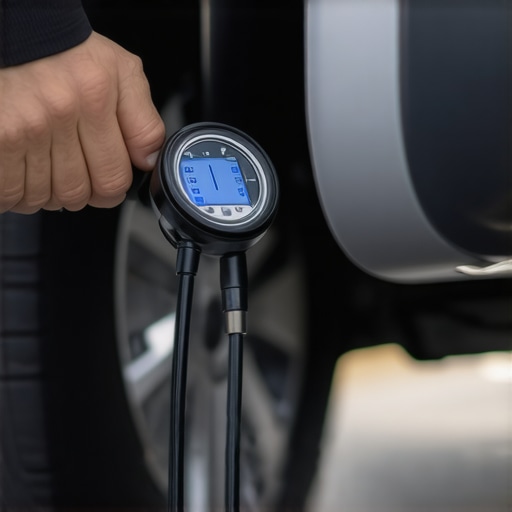
Could Your Differential Be Fighting Your Turn?
In many front-wheel-drive or all-wheel-drive vehicles, what sounds like a CV joint is actually an internal differential issue. When the spider gears or clutch packs in a limited-slip unit become glazed or the fluid breaks down, they fail to allow the wheels to rotate at different speeds smoothly during a tight radius. This manifests as a rhythmic shudder or ‘chatter’ that mimics a clicking CV joint. It’s particularly common in high-performance or heavy-duty drivetrains where heat cycles have degraded the friction modifiers in the gear oil. You might find that your transmission slips only when you make a sharp turn because the fluid level or quality is insufficient to manage the lateral hydraulic pressure within the housing. This mechanical binding can also stress the output seals, leading to slow leaks that further exacerbate the clicking noise as the internal operating temperature rises.
Stop Ignoring the Subtle Brake Caliper Rattle
Occasionally, what sounds like a drivetrain pop is actually the brake assembly reacting to the change in wheel angle. If the caliper slide pins are dry or the anti-rattle clips have lost their tension, the pads can shift within the carrier. This creates a sharp ‘tink’ or pop every time you change direction. Using the brake caliper slide grease you should actually be using ensures that the hardware remains dampened against vibration and road shock. A quick check of the caliper’s lateral play can save hours of unnecessary axle diagnostics and expensive part swaps. Furthermore, identifying a bad wheel bearing before it becomes dangerous is crucial, as a failing hub doesn’t always hum; sometimes it clicks when the weight of the vehicle shifts laterally. Experienced DIYers know that a stethoscope isn’t the only tool for the job. Utilizing the $20 scan tool that does more than the dealership rig allows you to monitor live steering angle sensor data and stability control interventions in real-time. If the steering angle does not correlate with the physical movement of the wheels due to mechanical slop, the clicking is likely coming from the rack or intermediate shaft. Do you suspect your steering rack is on its last legs, or have you found a ‘ghost’ click that disappeared after a simple grease job? Leave a comment below with your findings to help the community diagnose these frustrating gremlins.
That Rattle in Your Hands Might Be the Intermediate Shaft
While most drivers instinctively blame the outer CV joints for any rhythmic clicking, a more tactile vibration felt directly through the steering wheel often points toward the intermediate steering shaft. This component contains small universal joints that allow the steering column to connect to the rack at an angle. Over time, the factory lubricant inside these needle bearings dries out, leading to a notched sensation or a distinct ‘click-clack’ when navigating tight corners. This is especially prevalent in vehicles where the exhaust manifold sits in close proximity to the shaft, as the constant heat cycling accelerates grease degradation. Before you commit to an expensive axle replacement, verify if the noise persists when the vehicle is stationary; if you can replicate the click by rapidly oscillating the steering wheel back and forth by just a few degrees, the intermediate shaft is your primary suspect.
Why does my traction control light flash during a low-speed turn?
It is not uncommon for a mechanical clicking sound to be accompanied by a sudden intervention from the electronic stability control. This phenomenon usually stems from a compromised ABS tone ring. These serrated rings, pressed onto the drive axle or integrated into the wheel hub, can develop hairline cracks due to corrosion expansion. As the vehicle turns and the axle flexes, the gap in the cracked ring widens, momentarily confusing the wheel speed sensor. The computer interprets this as a loss of traction, pulsing the brakes and creating a grinding or clicking noise that mimics a mechanical failure. For precise data on these micro-interruptions, professional technicians refer to the National Highway Traffic Safety Administration (NHTSA) technical service bulletins, which frequently document specific model years prone to tone ring delamination. If you’re experiencing this, checking for magnetic debris on the sensor tip is a vital first step in your vehicle diagnostics routine.
Listen for the Heavy Thud of a Shifting Subframe
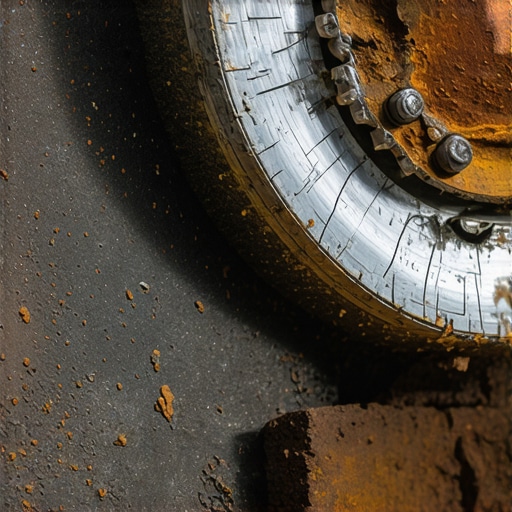
Sometimes the noise isn’t a click at all, but a heavy, metallic ‘pop’ that resonates through the floorboards. This is frequently caused by subframe bolt fatigue. The subframe, which cradles the engine and transmission, is secured to the unibody with large torque-to-yield bolts. Under the extreme lateral loads of a sharp turn, a slightly loosened bolt allows the entire subframe to shift a fraction of a millimeter. This shift releases energy in a sharp report that can be felt in the driver’s feet. High-performance Audi and Volkswagen platforms are particularly noted for this ‘subframe clunk,’ often requiring the installation of specialized shim kits to take up the mechanical slack. Ensuring your auto repair professional checks the torque specs on these critical fasteners is paramount, as a shifting subframe can also cause your wheel alignment to wander dynamically, leading to premature tire wear that no amount of balancing can fix.
Don’t Mistake Power Steering Whines for Mechanical Popping
In older vehicles equipped with hydraulic power steering, a failing pump or a restricted high-pressure hose can produce a stuttering noise that owners often confuse with a failing CV joint. When the wheels are turned to their limit—known as full lock—the hydraulic pressure peaks. If there is air in the system due to a leaking O-ring on the suction side, the pump will cavitate, creating a rapid-fire vibration or ‘shudder’ that feels like a mechanical click. This aeration of the fluid not only makes the steering feel ‘notchy’ but also significantly increases the operating temperature of the rack-and-pinion seals. If you find your steering fluid looks foamy or resembles a strawberry milkshake, you are dealing with air ingestion rather than a drivetrain failure. Identifying these nuances early can prevent the need for a total system flush and rack replacement. If you’ve ever noticed a change in steering weight specifically during rainy weather, it may be time to investigate the interaction between your serpentine belt and the power steering pulley’s load requirements.
Beyond the typical mechanical suspects, the engine and transmission mounts play a pivotal role in maintaining the spatial relationship between the powertrain and the suspension. When a hydraulic mount fails or a rubber isolator tears, the entire engine assembly can shift under the lateral G-forces of a sharp turn. This displacement forces the drive axles into extreme angles they weren’t designed to maintain, leading to a temporary binding of the inner CV tripods. If you feel a shudder accompanied by a dull thud that seems to originate from the center of the car, inspecting the torque struts is a mandatory step in a professional vehicle diagnostics workflow. High-performance mounts often utilize vacuum-actuated damping which, if compromised, creates a resonant frequency that mimics a failing wheel bearing.
Check Your Engine Mounts Before Swapping the Axles
Experienced technicians know that a tiny amount of play at the hub interface can create a massive headache. Many modern vehicles utilize “stretch” bolts or specific torque-to-yield axle nuts that must be replaced whenever the hub is serviced. If these nuts lose their clamping force, the splines of the outer CV joint can chatter against the wheel hub. This produces a metallic ‘ping’ or ‘click’ specifically during the transition between forward and reverse motion or when the steering is at full lock. Experts at ZF Aftermarket suggest that even a few foot-pounds below the required specification can allow enough micro-movement to gall the splines, eventually requiring the replacement of both the axle and the hub assembly. It is a prime example of how auto repair precision directly impacts component longevity.
#IMAGE_PLACE_HOLDER_D#
Is Your All-Wheel Drive System Fighting Itself on Dry Pavement?
In sophisticated All-Wheel Drive (AWD) systems, a clicking or ‘crow-hopping’ sensation during tight turns often points to a binding center differential or an electronic coupler that is failing to disengage. When the vehicle turns, the front and rear axles must travel along different radii. If the transfer case fluid has sheared or the friction modifiers have depleted, the internal clutch packs will ‘chatter’ as they slip. This mechanical binding places immense stress on the entire drivetrain, often manifesting as a rhythmic clicking that the driver feels in the floorboards. Regular service of the transfer case is frequently omitted from standard maintenance schedules, yet it is the most effective way to prevent a multi-thousand-dollar drivetrain overhaul. If you own a vehicle with an on-demand AWD system, monitoring the temperature of the rear differential housing after a long drive can provide clues about internal friction levels.
Ackermann Geometry and the Phantom Cold-Weather Pop
Not every noise signifies a part on the verge of failure. High-performance vehicles with wide front tires often exhibit a phenomenon known as ‘tire scrub’ or the ‘Ackermann effect.’ During a sharp turn in cold weather, the inner tire is forced to turn at a sharper angle than the outer tire. Because the rubber is cold and less pliable, it cannot maintain grip through the entire arc, causing it to momentarily lose and regain traction. This results in a series of loud, dramatic ‘thumps’ or ‘pops’ that sound remarkably like a broken suspension component. However, this is simply the physics of steering geometry overcoming the friction of the tires. Understanding these nuances is what separates a master technician from a parts-changer. If your car only makes these noises on cold mornings and the sound disappears once the tires are warm, your suspension is likely perfectly healthy. Have you encountered a clicking noise that only appears under specific weather conditions? Share your story in the comments below to help others decode their vehicle’s unique language.
Expert Insights and Advanced Considerations
Why Full Lock is a Torture Test for Your Rack
Navigating a vehicle to its steering limits isn’t just about turning radius; it is a high-pressure scenario for the hydraulic or electronic seals. At full lock, the bypass valves must manage peak pressure spikes. If you hear a rhythmic click here, it is often a sign that the internal relief valves are fluttering, a precursor to a complete seal blowout that necessitates a professional car service intervention.
Spot Heat Signatures Before Bearings Fail
Professional diagnostics have moved beyond the stethoscope. Using an infrared thermal camera after a spirited drive can reveal localized friction points in the hub assembly. A wheel bearing or CV joint that is clicking will typically show a temperature variance of 20-30 degrees compared to its counterpart. This is a critical step in modern vehicle diagnostics that prevents unnecessary part swaps.
Memory Steer Often Masquerades as Suspension Slop
If your car clicks and then fails to return to center smoothly, you are likely dealing with memory steer caused by seized upper strut mounts. This isn’t just a noise issue; it is a safety hazard that alters your alignment dynamically. Before diving into complex auto repair, check the coil springs for jumping while a helper turns the wheel.
Curated Expert Resources
ASE Technical Excellence Series
A foundational resource for understanding the interplay between drivetrain harmonics and chassis stability, specifically for those looking to master expert auto repair tips for 2025.
iATN Knowledge Base
The International Automotive Technicians Network provides real-world fix-finder data that connects specific clicking sounds to rare technical service bulletins that general scanners might miss.
SAE International Standards
For those who want to understand the metallurgical limits of CV axles and why certain lubricants fail under lateral load, their white papers are the industry gold standard.
Final Expert Perspective
A clicking sound during sharp turns is more than an audible nuisance; it is a vital data point in the complex language of your vehicle’s health. Whether the culprit is a dry intermediate shaft or a binding AWD coupler, the key to longevity lies in precise vehicle diagnostics. Identifying these issues early avoids the cascading failures often associated with transmission failures and suspension collapse. We invite you to share your diagnostic triumphs or challenging ghost noises in the comments below; your professional insights help build a more resilient community of automotive enthusiasts and technicians alike.