Modern engine detailing is no longer a cosmetic luxury; it is a technical procedure that requires a deep appreciation for the mechatronic systems governing today’s vehicles. As internal combustion engines become increasingly reliant on high-speed data networks and sensitive electronics, the margins for error during cleaning have narrowed significantly. A technician must approach an engine bay not with a brush and bucket, but with the mindset used during complex vehicle diagnostics. Every sensor, from the Mass Air Flow (MAF) to the oxygen sensor, represents a potential entry point for moisture that can disrupt the delicate voltage signals the Engine Control Unit (ECU) relies on for optimal combustion. Professional detailing ensures that oil grime, which acts as a thermal insulator, is removed safely, allowing the transmission and engine cooling systems to operate at their designed thermal efficiency.
Modern Engine Detailing Demands a Technical Mindset
In the professional auto repair industry, we view the engine bay as a ‘hostile environment’ where heat and vibration are the primary stressors. Introducing high-pressure water into this environment is the fastest way to induce a ‘no-start’ condition or a parasitic drain. When you clean an engine, you are interacting with hundreds of electrical connections that are often only protected by a simple rubber weather-seal. Over time, these seals degrade, and what was once a waterproof connector becomes a funnel for moisture. This is why a precision car service focuses on containment and targeted cleaning rather than broadcast spraying. According to the Society of Automotive Engineers (SAE) J1211, automotive electronics are tested for moisture resistance, but these standards assume the integrity of the housing is uncompromised—a luxury older vehicles do not have.
Stop Water from Reaching the ECU and Fuse Box
The primary directive is isolation. Before any cleaning agent touches the surface, you must identify and wrap critical components. The ECU, fuse boxes, and alternator should be sealed in plastic. Even the intake, if it is an aftermarket open-element style, must be protected to prevent hydro-locking the engine. A failure to do this can result in blowing the hidden fuse that kills your fuel pump signal, leaving you stranded despite having a ‘clean’ engine. By using a degreaser specifically formulated for automotive use, you can break down heavy carbon deposits and road salt without needing the mechanical force of a pressure washer.
How Does Trapped Moisture Mimic Mechanical Failure?
One of the most frustrating scenarios for a technician is a car that leaves the shop clean but returns the next day with a ‘Check Engine’ light. This is frequently caused by ‘water bridging,’ where moisture trapped in spark plug wells or connector pins changes the resistance of the circuit. This can lead to a rough idle or a situation where you need to diagnose a misfire without a code reader because the ECU is receiving ‘garbage’ data from a shorted sensor. The symptoms often mimic a vacuum leak or a failing coil pack, leading to unnecessary parts replacement. [image]
Low-Moisture Techniques That Save Your Transmission Control Module
For high-end results, steam cleaning is the gold standard. Steam provides the heat necessary to melt away grease with a fraction of the water volume used by a hose. This significantly reduces the risk of moisture intrusion into the transmission control harness or other low-mounted electrical components. After cleaning, using compressed air to ‘blow out’ all connectors is a non-negotiable step. This mechanical displacement of water prevents the onset of corrosion. If you are dealing with an electrical gremlin after a recent cleaning, consult our guide on expert auto repair tips for 2025 to regain control of your vehicle’s performance. Always finish the job by applying a dielectric spray to exposed terminals; this adds a layer of hydrophobic protection that maintains electrical integrity even in high-humidity environments.
Stop Caustic Degreasers from Embrittling Your Wiring Harnesses
The chemical composition of your cleaning agents is just as critical as the application method. Many off-the-shelf degreasers rely on heavy concentrations of sodium hydroxide or potassium hydroxide, which are highly effective at cutting through baked-on oil but devastating to modern engine plastics and rubber gaskets. These caustic agents can cause ‘environmental stress cracking’ in the PA66 (nylon) polymers used for intake manifolds and electrical connector housings. When these housings become brittle, they lose their ability to lock securely, leading to intermittent connection failures that are a nightmare to track down. Professional technicians prefer pH-neutral, water-based surfactants that lift oils without stripping the essential plasticizers from hoses and wire loom coverings. This is especially vital when working around the cooling system, as a degraded seal can lead you to believe you need to spot a failing water pump before your engine overheats, when in reality, a chemical-induced leak is the culprit.
Is Your Degreaser Secretly Accelerating Galvanic Corrosion?
When two dissimilar metals—such as an aluminum block and a steel bracket—are exposed to a conductive cleaning solution, a galvanic cell is created. If the cleaning agent is not thoroughly neutralized and rinsed, it can accelerate corrosion at the interface of these metals. This is particularly problematic for ground points. A clean engine bay means nothing if the ground strap has developed a layer of oxidation that resists current flow. According to ASTM D1384 standards, which evaluate the corrosion-inhibiting properties of automotive fluids, the presence of residual chlorides or sulfates from improper cleaning can lead to pitting in aluminum components. This often results in a situation where you must identify a bad ground wire without a multimeter because the voltage drop is causing erratic sensor behavior. 
Verify Your Work with Real-Time Data Streaming
The final stage of a technical engine detail should always involve a post-wash diagnostic scan. Rather than just looking for active trouble codes, an expert looks at ‘Live Data’ to ensure that fuel trims and oxygen sensor voltages have returned to their normal operating windows. If you see the Long Term Fuel Trim (LTFT) drifting significantly after a wash, it is a clear indicator of unmetered air entering through a water-saturated air filter or a vacuum leak caused by a dislodged hose. In some cases, cleaning the throttle body during the process can significantly improve idle quality, but only if you follow the easy way to clean your car throttle body without damaging the sensitive electronic actuator inside. If the car feels unresponsive afterward, check why your car feels sluggish and the 15-filter that fixes it, as water ingress into the intake can restrict airflow more than dirt ever could.
Maintain the Integrity of the CAN Bus Shielding
Modern vehicles communicate via a Controller Area Network (CAN), where data is sent as differential voltage signals. These high-speed networks are shielded against electromagnetic interference. During heavy-handed detailing, these shields can be damaged or moisture can seep into the ‘twisted pair’ wiring, causing data packets to drop. This often results in communication codes (U-codes) that can make it seem like multiple modules have failed simultaneously. If you encounter a situation where your check engine light stays on after you fixed the problem, it may be due to moisture-induced ‘noise’ on the data bus. If you’ve recently detailed your engine and noticed a change in performance, share your experience in the comments below or read our deep dive on how to find a parasitic battery drain to see if moisture is causing an electrical bridge that’s killing your battery overnight.
Engine Sludge Acts Like a Thermal Blanket for Sensitive Electronics
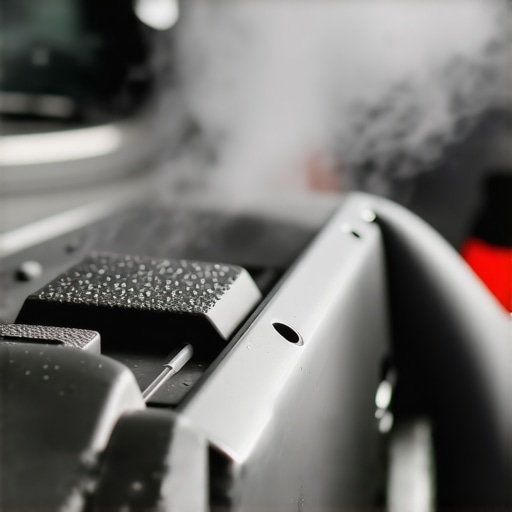
A layer of baked-on oil and road grime does more than just look unsightly; it functions as a highly efficient thermal insulator that traps heat exactly where it shouldn’t be. In a high-performance engine bay, heat dissipation is achieved through radiation and convection. When sensors like the Knock Sensor or the Crankshaft Position Sensor are buried under a thick crust of sludge, they suffer from ‘heat soak.’ This localized overheating can alter the internal resistance of the sensor’s circuitry, leading to signal attenuation. Professional detailing involves the surgical removal of these deposits to restore the original thermal profile of the engine block. By allowing the aluminum and iron surfaces to breathe, you ensure that the transmission and engine oil can transfer heat to the atmosphere effectively, rather than retaining it within the metal casting. This thermal regulation is vital for preventing the premature hardening of the valve cover gaskets and cam seals, which often fail due to excessive heat-cycling under a layer of insulating dirt.
How Does Excessive Heat Lead to Phantom Diagnostic Codes?
When an engine bay cannot shed heat, the ambient temperature rises well above the design parameters of the wiring harness. This leads to a phenomenon known as thermal drift, where the voltage output of an analog sensor fluctuates despite the physical conditions remaining constant. For example, an Intake Air Temperature (IAT) sensor might report air that is 20 degrees hotter than it actually is because the sensor body is heat-soaked by the surrounding grime. The ECU, reacting to this false data, retards ignition timing to prevent knock, resulting in a noticeable loss of power. If your car feels sluggish during the summer months, it might not be a mechanical failure, but a data error caused by poor thermal hygiene. You might find yourself searching for why your car feels sluggish when the solution is as simple as restoring the thermal conductivity of your engine bay through precision cleaning.
Keep Your Components Cool to Avoid Thermal Runaway
The relationship between cleanliness and component longevity is best illustrated by the cooling fan assemblies and the alternator. These components rely on internal airflow to stay within their operating temperature range. Dust and oily residue act as a friction-increasing agent on the fan bearings and a dielectric barrier on the alternator’s cooling fins. A technician using a targeted steam cleaner can remove these particulates without the risk of forcing water into the bearings. This is a critical distinction in high-end auto repair; we aren’t just washing the car; we are performing a ‘maintenance of state.’ If you’re seeing odd temperature spikes, check our deep dive into spotting a failing water pump before the damage becomes irreversible, but always consider if a dirty radiator or engine block is contributing to the thermal load.
Meet the ISO 16232 Standard for Component Cleanliness
In the world of precision engineering, the industry looks toward ISO 16232-10, which establishes rigorous methods for measuring the cleanliness of automotive parts. While this standard is typically applied during the manufacturing process, the principles remain highly relevant for the aftermarket specialist. The standard focuses on the mass and size of metallic and non-metallic particles that can compromise a system. When you clean an engine, you are effectively reducing the particulate load that can eventually migrate into the intake or the various breather hoses. A clean engine bay prevents these contaminants from entering the oiling system during a standard oil change or a more complex vehicle diagnostics session where the valve covers are removed. Ensuring your engine meets a high standard of cleanliness reduces the ‘abrasive potential’ of the environment, protecting the micro-polished surfaces of the overhead cams and followers from micro-scarring caused by wind-blown debris being sucked into the crankcase ventilation system.
Stop Road Salt from Eating Your Aluminum Castings
While the focus is often on the electrical side, the structural integrity of the engine’s alloy components is equally at risk during a deep clean. In regions where winter road brine is a reality, the engine bay becomes a reservoir for magnesium chloride and sodium chloride. These salts are hygroscopic, meaning they pull moisture from the air even when the car is parked in a dry garage. This leads to localized pitting and the white powdery oxidation seen on block castings. A high-level car service involves more than a degreaser; it requires a salt-neutralizing agent that breaks the ionic bond between the salt and the metal surface. This is not just about looks; it prevents the corrosion of the structural bolts that secure your motor mounts and transmission casing. Failure to neutralize these salts can lead to the ‘seizing’ of fasteners, making future repairs significantly more labor-intensive.
Can a Salty Residue Bridge the Gap Between Your Ground and Power Rails?
The danger of salt extends into the electrical realm via ‘electrolytic bridging.’ When salt-contaminated water seeps into a connector, it creates a conductive path between pins that are normally isolated. This can lead to a ‘ghost’ current that keeps certain modules awake, contributing to a parasitic drain. To combat this, precision detailing aligns with the VDA 19.1 guidelines, which are the German automotive industry’s gold standard for technical cleanliness. These standards define the permissible limit of conductive particles on sensitive surfaces. By removing these microscopic conductors, you ensure that the high-speed data signals between the transmission and the ECU remain ‘clean’ and free from the interference that causes jerky shifts or erratic idle speeds. Cleaning the connector faces with an anhydrous contact cleaner after the initial wash is the only way to meet this professional threshold. 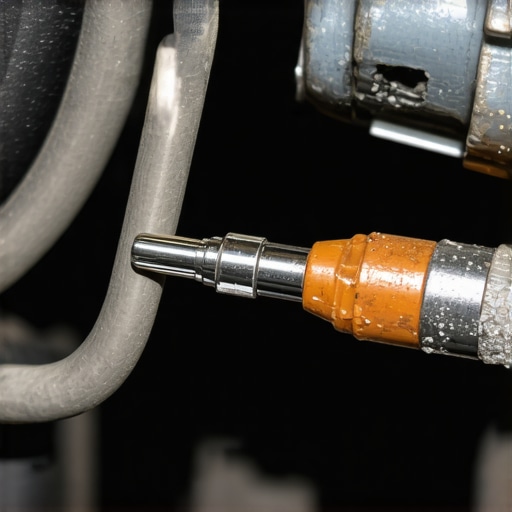
Shielding High-Pressure Piezoelectric Components from Micro-Vibration Damage
Modern direct-injection systems use piezoelectric injectors that operate at pressures exceeding 2,000 bar. These components are incredibly sensitive to mechanical shocks and high-frequency vibrations. If you use an ultrasonic cleaner or an improperly adjusted steam wand directly against the injector body, you risk fracturing the delicate ceramic stacks inside. This damage won’t show up immediately; instead, it manifests weeks later as a sudden lean-condition code or a cylinder misfire. Professional detailing in the age of vehicle diagnostics requires a ‘soft-touch’ approach around the fuel rail. Instead of direct pressure, use specialized foam swabs to lift the carbonized oil that often gathers around the injector seats. This protects the seals and ensures that no debris is pushed into the combustion chamber during your next spark plug service. It is a maintenance step that preserves the high-precision spray pattern required for Euro 6 and Tier 3 emissions compliance.
Check Your Humidity Sensor Before the ECU Pulls Ignition Timing
Many 2020 and newer vehicles are equipped with integrated humidity and intake air temperature sensors. These sensors are vital for the ECU to calculate the ‘charge air density’ and adjust ignition timing accordingly. If you saturate the intake ducting with water or heavy silicone-based dressings, the humidity sensor can become ‘stuck’ at a 100% saturation reading. The ECU, sensing an overly humid environment, will pull back timing to prevent potential knock, making the engine feel flat and unresponsive. If your car loses its ‘punch’ after a detail, it’s likely that the sensor is reporting false data due to moisture film on the sensing element. Use a high-quality scan tool to verify these PIDs (Parameter IDs) during your post-wash check; they should normalize within minutes of the engine reaching operating temperature. If you’ve experienced a mysterious loss of power after a cleaning session, let us know in the comments or read our guide on why your car feels sluggish to troubleshoot the root cause effectively. Advanced engine care is about maintaining the data integrity of the system as much as it is about the physical appearance.
Expert Insights & Advanced Considerations
Treat Connectors Like Precision Scientific Instruments
Professional technicians recognize that every electrical pin is a potential failure point. When modern engine detailing is performed correctly, it respects the delicate impedance of sensor circuits. Even a slight increase in resistance caused by microscopic corrosion can lead you to believe you need to identify a bad ground wire without a multimeter, when in reality, the connector was simply compromised by moisture during a wash. This technical discipline ensures that high-speed data signals across the ECU remain clear and unaffected by external contamination.
Eliminate Signal Drift with Dielectric Barriers
Applying a high-quality dielectric compound to high-voltage points after detailing isn’t just about protection; it’s about signal integrity. This barrier prevents moisture from creating a bridge that mimics a vacuum leak or a failing coil pack. If your vehicle struggles to start after a clean, you might need to diagnose a misfire without a code reader to verify if water has entered the spark plug wells, a common byproduct of non-technical cleaning methods. This step is a cornerstone of professional auto repair that prevents intermittent performance issues.
Use Thermal Imaging to Confirm Your Success
Advanced shops use infrared cameras to verify that the removal of engine sludge has effectively lowered the operating temperature of sensitive modules. By restoring the engine’s ability to dissipate heat, you prevent the ‘heat soak’ that often results in transmission failures decoded via diagnostic scanning. Clean surfaces allow for a more accurate reading when you need to spot a failing water pump before your engine overheats, ensuring that your cooling system is operating at peak efficiency without interference from baked-on grime.
Curated Expert Resources
ISO 16232 Technical Cleanliness Documentation
This resource provides the definitive industry standard for particulate contamination in automotive systems. It is essential for understanding how microscopic debris affects high-pressure fuel systems and sensitive electronics during a technical car service.
SAE J1211 Electronic Component Reliability Standards
The Society of Automotive Engineers details how environmental stressors—including moisture and chemicals—impact the longevity of vehicle modules. Experts use these guidelines to determine the risk factors during deep cleaning procedures.
The Reliable Auto Cares Diagnostic Archive
Our proprietary collection of technical guides, such as the hidden world of vehicle diagnostics, bridges the gap between basic maintenance and high-level engineering forensics for the modern technician.
Final Expert Perspective
Mastering modern engine detailing requires a shift from cosmetic outcomes to mechatronic preservation. By focusing on thermal efficiency, chemical neutrality, and electrical integrity, you protect the high-speed data networks that define today’s driving experience. This technical approach ensures that a clean engine bay translates to a more reliable car service life, rather than a series of phantom diagnostic codes. If you have questions about specific mechatronic cleaning protocols or want to discuss the impact of thermal hygiene on performance, we invite you to contact us directly for professional advice. Share your technical experiences in the comments below or consult our privacy policy for more information on how we handle professional data.