The Physics of Fluid Displacement in the Pan
In the realm of advanced auto repair, identifying why a gearbox fails under lateral load requires more than just a cursory glance at the dashboard. When a vehicle experiences a momentary loss of power or a surge in RPM during a left-hand maneuver, we are witnessing a physical phenomenon called fluid starvation. Inside the transmission pan, the fluid acts as the medium for both lubrication and hydraulic pressure. As the vehicle turns sharply, centrifugal force pushes the fluid to the opposite side of the pan. If the level is even marginally low, the filter pickup tube—positioned to draw from a specific sump point—pulls in air instead of fluid. This immediate drop in hydraulic pressure leads to the slipping sensation as the clutch packs lose their clamping force.
Precision Diagnostics for Hydraulic Integrity
Experienced technicians using advanced vehicle diagnostics do not just look for error codes; they monitor ‘live data’ for line pressure dips. During a road test, if the commanded pressure remains high but the actual pressure drops during a turn, we have confirmed a physical starvation issue. This nuance is often missed by general shops that lack specialized car service equipment. According to technical standards established by The Automatic Transmission Rebuilders Association (ATRA), maintaining a constant hydraulic head above the pump inlet is critical for preventing clutch chatter and friction plate delamination. In some performance applications, baffled pans are used specifically to prevent this fluid slosh, highlighting how critical fluid positioning is to consistent mechanical operation. If your vehicle feels sluggish out of turns, it is often the first sign that your transmission slips only when you turn a corner, requiring immediate intervention to prevent burnt friction discs.
Can a clogged valve body mimic cornering-related slip?
While fluid level is the primary culprit, the valve body—the ‘brain’ of the system—can also be a factor. If the check balls or spool valves are sticky due to varnish buildup, a momentary drop in pressure during a turn can cause a valve to hang in its bore. When the vehicle straightens out and pressure returns, the valve may remain stuck, causing a prolonged slip or a harsh engagement back into gear. This is why we recommend checking fluid quality alongside the level. If you see dark, burnt fluid when you check your own transmission fluid level, the damage may already be done to the internal seals. In such cases, a simple top-off is merely a temporary fix for a larger hydraulic leak within the drum assemblies.
Understanding these complexities is the first step toward avoiding a five-figure repair bill. If your car is exhibiting these signs, you should immediately investigate proven transmission repairs to see if a solenoid or filter change can save the unit. Professional-grade auto repair is about catching these hydraulic anomalies before they turn into mechanical metal-on-metal failures. For those interested in the deeper mechanics of your car’s brain, explore our comprehensive guide on the hidden world of vehicle diagnostics to understand how modern sensors interpret these physical failures.
Mechanical Instability Beyond the Fluid Level
While fluid sloshing is the most frequent culprit, we cannot ignore the physical orientation of the powertrain itself. When you enter a sharp corner, the entire engine and transmission assembly is subject to G-forces that test the integrity of your mounting system. If your transmission mounts are fatigued, the unit can tilt several degrees more than intended. This misalignment can place undue stress on the shift cable or external linkages, potentially pulling the internal manual valve slightly out of its detent. This mechanical ‘drift’ mimics a hydraulic slip because the ports within the valve body are no longer perfectly aligned. If you also hear a metallic noise during these maneuvers, you should investigate why your car makes a loud pop when you shift into reverse, as this often points to failed rubber bushings or cracked mount brackets that allow the drivetrain to shift weight excessively during lateral acceleration.
The Illusion of Health Created by Adaptive Learning
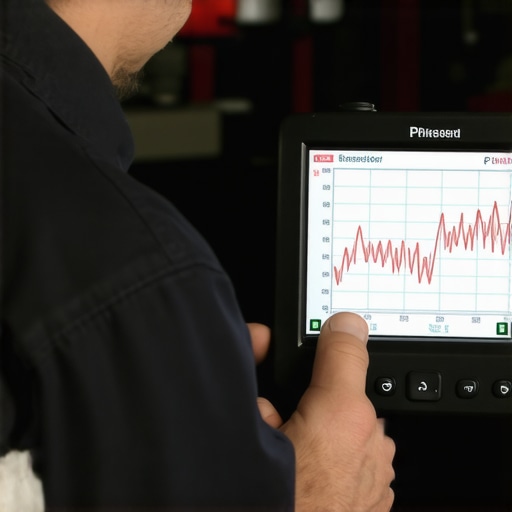
Modern vehicles are equipped with sophisticated Transmission Control Modules (TCMs) that utilize ‘adaptive learning’ algorithms. These systems are designed to compensate for normal wear by gradually increasing line pressure or adjusting shift timing as clutch packs thin. This is a double-edged sword for the driver. The TCM can successfully mask a failing pump or a slow hydraulic leak for months by dialing up the pressure to maintain shift quality. However, when you throw the car into a turn, the momentary drop in fluid pressure at the pickup tube exceeds the TCM’s ability to compensate. The system reaches its ‘adaptive limit,’ and the driver finally feels the slip that has been brewing under the surface. According to research by the Society of Automotive Engineers (SAE), these electronic compensations can hide up to 15% of mechanical efficiency loss before a Check Engine Light is triggered. To stay ahead of these hidden issues, advanced owners often use the $20 scan tool that actually finds hidden transmission codes to look for ‘pending’ codes that haven’t yet reached the dashboard.
Is your car’s computer lying to you about hydraulic health?
In many cases, the answer is yes. If you notice the tachometer needle jump 200 to 500 RPM during a turn without a corresponding increase in vehicle speed, the TCM is likely struggling to manage a pressure drop. This is more than a minor nuisance; it is an active warning that the internal friction material is being glazed and destroyed. If the fluid has a shimmering, metallic appearance when you verify the dipstick or check how to tell if your mechanic actually changed your oil filter and other vital fluids, you are seeing the internal components of your gearbox being shaved away. For those dealing with minor shuddering rather than a full slip, sometimes the $5 additive that stopped our shop’s worst transmission shudder can revitalize the seals and friction modifiers, but it won’t fix a physically broken pump or a cracked pickup tube. If the slip is accompanied by a rhythmic clicking, you should also learn how to tell if your CV axle is about to snap, as drivetrain stress isn’t always limited to the internal gears. Have you ever noticed your RPMs spike during a turn? Share your experience in the comments below or let us know what specific symptoms your vehicle is showing so we can help you decode the diagnostic data.
Why a Two-Dollar O-Ring Can Total Your Transmission
Beyond the electronic masks and adaptive learning algorithms, we must address the physical seal integrity that ensures the TCM’s commands are actually carried out. One of the most overlooked mechanical failures in high-mileage auto repair is the degradation of the filter-to-pump seal. When you drop the pan during a routine car service, the filter is held in place by a critical rubber O-ring or grommet. Over time, relentless heat cycles cause this rubber to harden, lose its elasticity, and shrink. In a straight line, the seal might maintain enough vacuum to keep the pump primed. However, as lateral G-forces pull the fluid away from the pickup point during a turn, even a hairline gap around that O-ring allows the pump to suck ‘false air’ directly from the pan’s atmosphere. According to technical bulletins in Gears Magazine, the official publication of the Automatic Transmission Rebuilders Association, this aeration causes the fluid to foam. Unlike hydraulic fluid, air is compressible; when the system attempts to apply a clutch pack, the foamy mixture collapses, leading to the dreaded ‘flaring’ between gears that feels like a physical slip but is actually a vacuum leak at the pump inlet.
Does temperature change how much my transmission slips in corners?
Absolutely. The viscosity of transmission fluid is highly sensitive to temperature, which directly affects how it behaves under lateral load. When the fluid is cold, it is more viscous and tends to resist rapid movement across the pan floor, often masking a slightly low level or a failing seal. However, as the vehicle reaches operating temperature—typically between 175°F and 200°F—the fluid thins significantly. This lower viscosity allows it to rush to the side of the pan much faster during a sharp turn. If you find your car only acts up after 20 minutes of driving, you are likely dealing with a combination of marginal fluid levels and heat-induced thinning. This is why professional vehicle diagnostics always include a level check at specific temperature ranges using a diagnostic scanner to read the internal thermistor data, rather than relying on a cold dipstick reading.
Why Aeration Destroys Clutches Faster Than Starvation
We must distinguish between a pump that has no fluid (starvation) and a pump that is whipping air into the fluid (aeration). Starvation is immediate and often results in a complete loss of drive, which usually prompts the driver to stop. Aeration is more insidious. If you notice that your fluid appears pink or milky after a spirited drive, you are seeing millions of tiny air bubbles suspended in the oil. These bubbles prevent the fluid from cooling the friction plates effectively. When you turn a corner and the pump sucks in a gulp of air, the resulting drop in pressure allows the clutch plates to rub against each other without enough clamping force to lock. This generates localized heat exceeding 400°F in milliseconds, which permanently glazes the friction material. If you suspect your fluid is foaming, you should immediately look into symptoms of transmission overheating to prevent the internal seals from ‘cooking’ into a brittle, useless state.
How Cheap Aftermarket Pans Ruin Hydraulic Flow
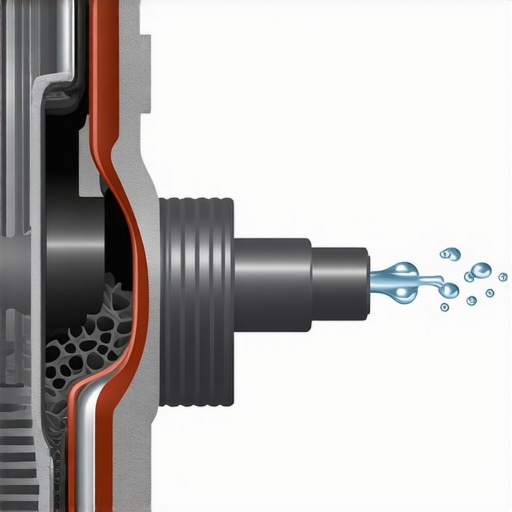
Not all transmission pans are created equal, and this becomes painfully obvious during high-speed cornering. In many front-wheel-drive transaxles, the pan is shallow and prone to fluid shift. Manufacturers mitigate this with plastic windage trays or metal baffles designed to keep the fluid centered over the pickup tube. However, if a previous repair involved an aftermarket pan that lacks these internal structures, you might introduce a cornering slip that wasn’t there originally. Technicians often see this in ‘economy’ replacement parts that look identical on the outside but lack the internal fluid control features of the OEM design. When performing a DIY fluid change, comparing the internal structure of the old and new parts is a vital step in maintaining hydraulic stability. If you’ve recently had work done and the problem started, it’s worth investigating if the correct filter and pan combination were used, as even a quarter-inch difference in filter height can lead to air ingestion. To see how these small physical discrepancies can lead to major failures, check out our guide on proven transmission repairs before you commit to a full rebuild. The interaction between the pan floor and the filter intake is a precision-engineered gap that leaves no room for error…
Thermal Expansion Can Hide a Thirsty Sump
The precision-engineered gap between the pan floor and the filter intake leaves no room for error, especially when thermal expansion enters the equation. Transmission fluid expands significantly as it heats, which is why a level that looks ‘safe’ on a cold dipstick might be dangerously close to the starvation threshold once the vehicle reaches operating temperature. This expansion can create a false sense of security during short drives, only to reveal the hydraulic deficit during a spirited exit from a highway cloverleaf. When the fluid is hot and thin, its ability to stay pooled over the pickup tube decreases, making the system incredibly sensitive to even a half-quart shortage. This is why professional auto repair requires checking levels at exactly the temperature specified by the manufacturer—typically 170°F—to ensure the pump remains submerged during high-G maneuvers.
Lateral G-Forces and the Wiring Harness Sway
Beyond the fluid itself, we must examine the harness and sensor integrity under lateral load. When a vehicle pulls high G-forces, the internal wiring harness—often submerged in hot oil—sways slightly within the case. If the plastic clips have failed or the insulation has become brittle from years of heat cycles, this movement can cause a momentary short or a signal drop-out from the Pressure Control Solenoid (PCS). The Transmission Control Module (TCM) interprets this erratic signal as a pressure fault and may instantly dump line pressure to protect the hardware. This electronic ‘hiccup’ is frequently misdiagnosed as a mechanical slip by general car service centers, leading to unnecessary and expensive overhauls of the entire gear train when only a harness replacement was needed.
How does a failing pressure sensor react to lateral acceleration?
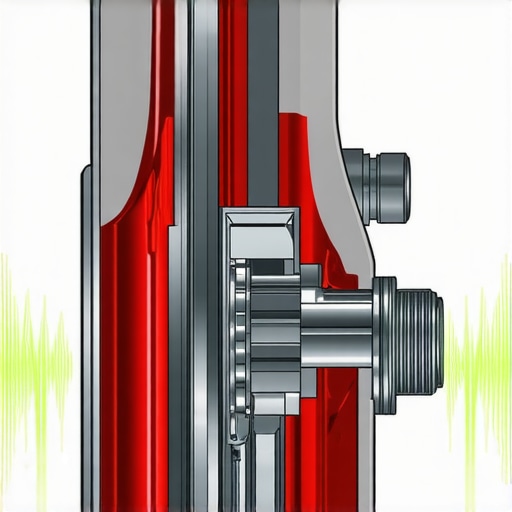
In many modern ZF or Aisin units, the pressure sensors are integrated directly into the lead frame or valve body. If the sensor’s internal diaphragm is fatigued, the physical shifting of fluid weight—and the subsequent change in local pressure at the sensor face—can trigger an erratic voltage spike. This spike causes the computer to hesitate, creating a ‘flare’ that mimics the sensation of gears sliding past each other. This is why we insist on verifying sensor voltages with an oscilloscope during a road test; a standard vehicle diagnostics tool simply isn’t fast enough to capture these millisecond-long deviations that occur only in a turn.
Why Your Choice of ATF Decides the Outcome of Every Sharp Turn
The chemical composition of your ATF plays a silent but pivotal role in hydraulic stability. A high-quality synthetic fluid maintains a more stable Viscosity Index (VI), meaning it resists thinning more effectively than conventional alternatives. According to technical deep-dives in Transmission Digest, the shear stability of modern fluids is what prevents the ‘foaming’ effect when the pump is forced to work at its maximum duty cycle during high-stress maneuvers. If you are using a generic, multi-vehicle fluid that doesn’t meet the specific friction modifier requirements of your gearbox, you are inviting hydraulic instability. High-quality fluids contain anti-foaming agents that are specifically designed to pop air bubbles before they reach the pump, ensuring that the pressure remains constant even when the fluid is sloshing violently. If you’ve noticed your tachometer dancing during a left-hand turn, don’t wait for a warning light that might never come. Use these advanced diagnostic insights to challenge your local shop’s assessment and ensure they are looking at live pressure data, not just fluid levels. Share this guide with a fellow gearhead or leave a comment below with your vehicle’s specific ‘turn-slip’ symptoms so we can help you pinpoint the exact hydraulic failure point before it leads to a total mechanical breakdown.
The Physics of Fluid Displacement in the Pan
In the realm of advanced auto repair, identifying why a gearbox fails under lateral load requires more than just a cursory glance at the dashboard. When a vehicle experiences a momentary loss of power or a surge in RPM during a left-hand maneuver, we are witnessing a physical phenomenon called fluid starvation. Inside the transmission pan, the fluid acts as the medium for both lubrication and hydraulic pressure. As the vehicle turns sharply, centrifugal force pushes the fluid to the opposite side of the pan. If the level is even marginally low, the filter pickup tube—positioned to draw from a specific sump point—pulls in air instead of fluid. This immediate drop in hydraulic pressure leads to the slipping sensation as the clutch packs lose their clamping force.
Precision Diagnostics for Hydraulic Integrity
Experienced technicians using advanced vehicle diagnostics do not just look for error codes; they monitor ‘live data’ for line pressure dips. During a road test, if the commanded pressure remains high but the actual pressure drops during a turn, we have confirmed a physical starvation issue. This nuance is often missed by general shops that lack specialized car service equipment. According to technical standards established by The Automatic Transmission Rebuilders Association (ATRA), maintaining a constant hydraulic head above the pump inlet is critical for preventing clutch chatter and friction plate delamination. In some performance applications, baffled pans are used specifically to prevent this fluid slosh, highlighting how critical fluid positioning is to consistent mechanical operation. If your vehicle feels sluggish out of turns, it is often the first sign that your transmission slips only when you turn a corner, requiring immediate intervention to prevent burnt friction discs.
Can a clogged valve body mimic cornering-related slip?
While fluid level is the primary culprit, the valve body—the ‘brain’ of the system—can also be a factor. If the check balls or spool valves are sticky due to varnish buildup, a momentary drop in pressure during a turn can cause a valve to hang in its bore. When the vehicle straightens out and pressure returns, the valve may remain stuck, causing a prolonged slip or a harsh engagement back into gear. This is why we recommend checking fluid quality alongside the level. If you see dark, burnt fluid when you check your own transmission fluid level, the damage may already be done to the internal seals. In such cases, a simple top-off is merely a temporary fix for a larger hydraulic leak within the drum assemblies.
Understanding these complexities is the first step toward avoiding a five-figure repair bill. If your car is exhibiting these signs, you should immediately investigate proven transmission repairs to see if a solenoid or filter change can save the unit. Professional-grade auto repair is about catching these hydraulic anomalies before they turn into mechanical metal-on-metal failures. For those interested in the deeper mechanics of your car’s brain, explore our comprehensive guide on the hidden world of vehicle diagnostics to understand how modern sensors interpret these physical failures.
Mechanical Instability Beyond the Fluid Level
While fluid sloshing is the most frequent culprit, we cannot ignore the physical orientation of the powertrain itself. When you enter a sharp corner, the entire engine and transmission assembly is subject to G-forces that test the integrity of your mounting system. If your transmission mounts are fatigued, the unit can tilt several degrees more than intended. This misalignment can place undue stress on the shift cable or external linkages, potentially pulling the internal manual valve slightly out of its detent. This mechanical ‘drift’ mimics a hydraulic slip because the ports within the valve body are no longer perfectly aligned. If you also hear a metallic noise during these maneuvers, you should investigate why your car makes a loud pop when you shift into reverse, as this often points to failed rubber bushings or cracked mount brackets that allow the drivetrain to shift weight excessively during lateral acceleration.
The Illusion of Health Created by Adaptive Learning
Modern vehicles are equipped with sophisticated Transmission Control Modules (TCMs) that utilize ‘adaptive learning’ algorithms. These systems are designed to compensate for normal wear by gradually increasing line pressure or adjusting shift timing as clutch packs thin. This is a double-edged sword for the driver. The TCM can successfully mask a failing pump or a slow hydraulic leak for months by dialing up the pressure to maintain shift quality. However, when you throw the car into a turn, the momentary drop in fluid pressure at the pickup tube exceeds the TCM’s ability to compensate. The system reaches its ‘adaptive limit,’ and the driver finally feels the slip that has been brewing under the surface. According to research by the Society of Automotive Engineers (SAE), these electronic compensations can hide up to 15% of mechanical efficiency loss before a Check Engine Light is triggered. To stay ahead of these hidden issues, advanced owners often use the $20 scan tool that actually finds hidden transmission codes to look for ‘pending’ codes that haven’t yet reached the dashboard.
Is your car’s computer lying to you about hydraulic health?
In many cases, the answer is yes. If you notice the tachometer needle jump 200 to 500 RPM during a turn without a corresponding increase in vehicle speed, the TCM is likely struggling to manage a pressure drop. This is more than a minor nuisance; it is an active warning that the internal friction material is being glazed and destroyed. If the fluid has a shimmering, metallic appearance when you verify the dipstick or check how to tell if your mechanic actually changed your oil filter and other vital fluids, you are seeing the internal components of your gearbox being shaved away. For those dealing with minor shuddering rather than a full slip, sometimes the $5 additive that stopped our shop’s worst transmission shudder can revitalize the seals and friction modifiers, but it won’t fix a physically broken pump or a cracked pickup tube. If the slip is accompanied by a rhythmic clicking, you should also learn how to tell if your CV axle is about to snap, as drivetrain stress isn’t always limited to the internal gears. Have you ever noticed your RPMs spike during a turn? Share your experience in the comments below or let us know what specific symptoms your vehicle is showing so we can help you decode the diagnostic data.
Why a Two-Dollar O-Ring Can Total Your Transmission
Beyond the electronic masks and adaptive learning algorithms, we must address the physical seal integrity that ensures the TCM’s commands are actually carried out. One of the most overlooked mechanical failures in high-mileage auto repair is the degradation of the filter-to-pump seal. When you drop the pan during a routine car service, the filter is held in place by a critical rubber O-ring or grommet. Over time, relentless heat cycles cause this rubber to harden, lose its elasticity, and shrink. In a straight line, the seal might maintain enough vacuum to keep the pump primed. However, as lateral G-forces pull the fluid away from the pickup point during a turn, even a hairline gap around that O-ring allows the pump to suck ‘false air’ directly from the pan’s atmosphere. According to technical bulletins in Gears Magazine, the official publication of the Automatic Transmission Rebuilders Association, this aeration causes the fluid to foam. Unlike hydraulic fluid, air is compressible; when the system attempts to apply a clutch pack, the foamy mixture collapses, leading to the dreaded ‘flaring’ between gears that feels like a physical slip but is actually a vacuum leak at the pump inlet.
Does temperature change how much my transmission slips in corners?
Absolutely. The viscosity of transmission fluid is highly sensitive to temperature, which directly affects how it behaves under lateral load. When the fluid is cold, it is more viscous and tends to resist rapid movement across the pan floor, often masking a slightly low level or a failing seal. However, as the vehicle reaches operating temperature—typically between 175°F and 200°F—the fluid thins significantly. This lower viscosity allows it to rush to the side of the pan much faster during a sharp turn. If you find your car only acts up after 20 minutes of driving, you are likely dealing with a combination of marginal fluid levels and heat-induced thinning. This is why professional vehicle diagnostics always include a level check at specific temperature ranges using a diagnostic scanner to read the internal thermistor data, rather than relying on a cold dipstick reading.
Why Aeration Destroys Clutches Faster Than Starvation
We must distinguish between a pump that has no fluid (starvation) and a pump that is whipping air into the fluid (aeration). Starvation is immediate and often results in a complete loss of drive, which usually prompts the driver to stop. Aeration is more insidious. If you notice that your fluid appears pink or milky after a spirited drive, you are seeing millions of tiny air bubbles suspended in the oil. These bubbles prevent the fluid from cooling the friction plates effectively. When you turn a corner and the pump sucks in a gulp of air, the resulting drop in pressure allows the clutch plates to rub against each other without enough clamping force to lock. This generates localized heat exceeding 400°F in milliseconds, which permanently glazes the friction material. If you suspect your fluid is foaming, you should immediately look into symptoms of transmission overheating to prevent the internal seals from ‘cooking’ into a brittle, useless state.
How Cheap Aftermarket Pans Ruin Hydraulic Flow
Not all transmission pans are created equal, and this becomes painfully obvious during high-speed cornering. In many front-wheel-drive transaxles, the pan is shallow and prone to fluid shift. Manufacturers mitigate this with plastic windage trays or metal baffles designed to keep the fluid centered over the pickup tube. However, if a previous repair involved an aftermarket pan that lacks these internal structures, you might introduce a cornering slip that wasn’t there originally. Technicians often see this in ‘economy’ replacement parts that look identical on the outside but lack the internal fluid control features of the OEM design. When performing a DIY fluid change, comparing the internal structure of the old and new parts is a vital step in maintaining hydraulic stability. If you’ve recently had work done and the problem started, it’s worth investigating if the correct filter and pan combination were used, as even a quarter-inch difference in filter height can lead to air ingestion. To see how these small physical discrepancies can lead to major failures, check out our guide on proven transmission repairs before you commit to a full rebuild. The interaction between the pan floor and the filter intake is a precision-engineered gap that leaves no room for error…
Thermal Expansion Can Hide a Thirsty Sump
The precision-engineered gap between the pan floor and the filter intake leaves no room for error, especially when thermal expansion enters the equation. Transmission fluid expands significantly as it heats, which is why a level that looks ‘safe’ on a cold dipstick might be dangerously close to the starvation threshold once the vehicle reaches operating temperature. This expansion can create a false sense of security during short drives, only to reveal the hydraulic deficit during a spirited exit from a highway cloverleaf. When the fluid is hot and thin, its ability to stay pooled over the pickup tube decreases, making the system incredibly sensitive to even a half-quart shortage. This is why professional auto repair requires checking levels at exactly the temperature specified by the manufacturer—typically 170°F—to ensure the pump remains submerged during high-G maneuvers.
Lateral G-Forces and the Wiring Harness Sway
Beyond the fluid itself, we must examine the harness and sensor integrity under lateral load. When a vehicle pulls high G-forces, the internal wiring harness—often submerged in hot oil—sways slightly within the case. If the plastic clips have failed or the insulation has become brittle from years of heat cycles, this movement can cause a momentary short or a signal drop-out from the Pressure Control Solenoid (PCS). The Transmission Control Module (TCM) interprets this erratic signal as a pressure fault and may instantly dump line pressure to protect the hardware. This electronic ‘hiccup’ is frequently misdiagnosed as a mechanical slip by general car service centers, leading to unnecessary and expensive overhauls of the entire gear train when only a harness replacement was needed.
How does a failing pressure sensor react to lateral acceleration?
In many modern ZF or Aisin units, the pressure sensors are integrated directly into the lead frame or valve body. If the sensor’s internal diaphragm is fatigued, the physical shifting of fluid weight—and the subsequent change in local pressure at the sensor face—can trigger an erratic voltage spike. This spike causes the computer to hesitate, creating a ‘flare’ that mimics the sensation of gears sliding past each other. This is why we insist on verifying sensor voltages with an oscilloscope during a road test; a standard vehicle diagnostics tool simply isn’t fast enough to capture these millisecond-long deviations that occur only in a turn.
Why Your Choice of ATF Decides the Outcome of Every Sharp Turn
The chemical composition of your ATF plays a silent but pivotal role in hydraulic stability. A high-quality synthetic fluid maintains a more stable Viscosity Index (VI), meaning it resists thinning more effectively than conventional alternatives. According to technical deep-dives in Transmission Digest, the shear stability of modern fluids is what prevents the ‘foaming’ effect when the pump is forced to work at its maximum duty cycle during high-stress maneuvers. If you are using a generic, multi-vehicle fluid that doesn’t meet the specific friction modifier requirements of your gearbox, you are inviting hydraulic instability. High-quality fluids contain anti-foaming agents that are specifically designed to pop air bubbles before they reach the pump, ensuring that the pressure remains constant even when the fluid is sloshing violently. If you’ve noticed your tachometer dancing during a left-hand turn, don’t wait for a warning light that might never come. Use these advanced diagnostic insights to challenge your local shop’s assessment and ensure they are looking at live pressure data, not just fluid levels. Share this guide with a fellow gearhead or leave a comment below with your vehicle’s specific ‘turn-slip’ symptoms so we can help you pinpoint the exact hydraulic failure point before it leads to a total mechanical breakdown.
Mastering Hydraulic Stability with Expert Insights
Analyze Fluid Samples for Friction Material Suspensions
Seasoned specialists know that fluid color is only the baseline. By conducting a microscopic analysis of the fluid, you can detect suspended friction material that indicates the clutch packs are already delaminating. This early detection is vital for implementing transmission failures decoded protocols before the system suffers a catastrophic mechanical seizure.
Secure Internal Wiring Harnesses to Prevent Signal Dropouts
Lateral acceleration doesn’t just move fluid; it tests the physical security of the internal wiring. If the harness sways, it can create a momentary open circuit in the pressure solenoids. To ensure long-term reliability, follow expert auto repair tips for 2025 by checking the integrity of plastic harness clips whenever the pan is removed for service.
Upgrade to High-VI Synthetics for Better Thermal Resistance
Conventional fluids thin rapidly under high-G heat cycles, exacerbating cornering-related slips. A high-quality synthetic with a superior Viscosity Index maintains its thickness, ensuring the pump stays primed. If you are planning a fluid change, learning how to flush your own transmission fluid without a machine allows you to precisely control the quality of the replacement medium.
Professional Standards and Research Repositories
The Automatic Transmission Rebuilders Association (ATRA): The industry leader for technical service bulletins that address specific fluid starvation patterns in modern FWD and RWD gearboxes.
SAE International Research Papers: An essential source for engineering data on ATF aeration and the chemical stability of friction modifiers under lateral load.
Transmission Digest Case Studies: A curated collection of real-world diagnostic triumphs where complex hydraulic anomalies were resolved through live data analysis.
Reclaiming Control of Your Drivetrain
The realization that your transmission slips only when you turn a corner is a call to action to look beneath the surface of basic maintenance. By synthesizing the physics of fluid displacement with precision electrical testing, you move beyond guesswork and into the realm of expert stewardship. We invite you to join the conversation below by sharing your specific diagnostic readings or by consulting our advanced resources to ensure your vehicle remains a benchmark of mechanical performance.