Ignition coils serve as the silent gatekeepers of combustion efficiency, transforming low battery voltage into the thousands of volts required to bridge the spark plug gap. When a coil begins to fail, the resulting symptoms—erratic stumbling, hesitation, and a sharp decline in fuel economy—can often be mistaken for more complex fuel delivery issues. While professional technicians typically reach for a digital oscilloscope or a high-end scan tool to map secondary ignition patterns, seasoned experts know that logic and sensory observation can be just as effective. Mastering these manual techniques is a critical skill in vehicle diagnostics, allowing you to isolate electrical failures without expensive equipment.
Pinpoint the Dead Cylinder Using a Manual Power Balance Test
In a multi-cylinder engine, a single failing coil creates a distinct rhythmic imbalance. To identify the culprit, you can perform a manual power balance test by safely disconnecting the low-voltage electrical connector from each ignition coil one at a time while the engine is idling. If you disconnect a healthy coil, the engine’s RPM will drop significantly and the vibration will increase because you have effectively killed a functioning cylinder. However, if you disconnect a coil and the engine idle remains unchanged, you have identified the cylinder that was already ‘dead’ or misfiring. This method is the primary strategy when how to diagnose a misfire without a code reader becomes necessary on the fly.
Can You Identify Carbon Tracking with a Visual Inspection?
Often, the failure of an ignition coil is not internal but rather a breakdown of its external insulation. Remove the suspected coil and inspect the plastic body and the rubber boot for ‘carbon tracking.’ These appear as tiny, jagged white or grey lines that look like a spiderweb or a lightning bolt etched into the surface. This is a physical trail left by high-voltage electricity as it ‘leaks’ from the coil to the nearest ground—usually the cylinder head—instead of traveling through the spark plug. This visual check is as fundamental as how to tell if your spark plugs are fouled just by looking, as both components work in a closed-loop system where one’s failure often cascades into the other.
The Water Mist Technique for Induced Arcing
When a coil is in the early stages of failure, it may only misfire under high-load conditions or in high-humidity environments. To simulate these conditions, use a spray bottle to lightly mist the ignition coils with water while the engine is running in a darkened garage or at night. If the coil casing is compromised, you will see blue sparks jumping (arcing) to the engine block or hear a distinct ‘snapping’ sound. This indicates the insulation has failed and the voltage is taking the path of least resistance. This type of auto repair diagnostic is a classic ‘old school’ trick that remains highly effective for modern coil-on-plug systems.
Why Does the Misfire Only Occur Under Heavy Acceleration?
A common inquiry among enthusiasts is why a vehicle idles perfectly but stumbles the moment the throttle is pressed. This occurs because cylinder pressure increases during acceleration, which in turn increases the electrical resistance across the spark plug gap. A weakened coil might have enough energy to fire at idle but lacks the ‘punch’ to overcome the increased resistance of a pressurized combustion chamber. According to the National Institute for Automotive Service Excellence (ASE), prolonged operation with such a misfire can lead to unburned fuel entering the exhaust stream, eventually destroying the catalytic converter. If you suspect your engine’s stumbling is more than just electrical, it may be time to investigate transmission failures and expert fixes to rule out mechanical slippage. If you find these insights helpful, we encourage you to share your own diagnostic success stories in our professional community forum.
Spot Thermal Anomalies Before They Kill Your ECU
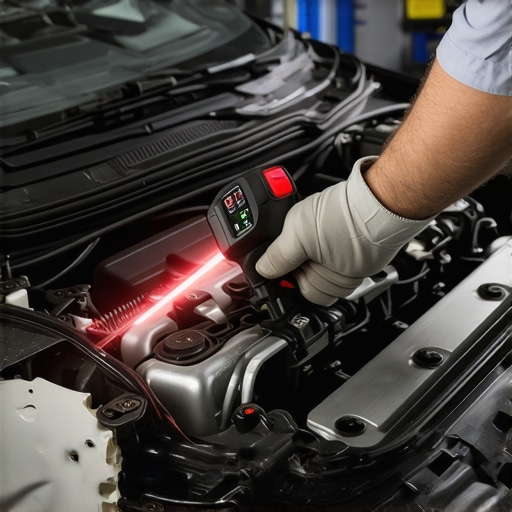
Ignition coils are effectively small transformers that generate significant internal heat during normal operation. However, an aging coil often develops internal short circuits in its primary or secondary windings, which leads to excessive resistance and abnormal heat signatures. By using a handheld infrared thermometer, you can compare the surface temperatures of all coils after a twenty-minute drive. A coil that is significantly hotter than its neighbors—often by 20 degrees Fahrenheit or more—is struggling to manage its internal electrical load and is a prime candidate for immediate replacement before it causes an expensive driver circuit failure within the Engine Control Unit (ECU). Identifying these outliers early prevents the heat from compromising the connector seals and internal epoxy insulation.
Is Your Multimeter Giving You a False Sense of Security?
While many DIY enthusiasts rely on static resistance tests using a multimeter, this approach has a major blind spot: it cannot simulate the heat and high-voltage stress of a running engine. A coil might show perfect ‘cold’ resistance readings between its terminals, yet fail the moment the internal insulation expands under operating temperature. Professional-grade diagnostics often require looking beyond simple ohms. According to technical documentation from Delphi Technologies, a failing ignition coil can draw excessive amperage that stresses the vehicle’s entire electrical bus. This is why you should always verify the health of your charging system, as mentioned in our guide on how to tell if your alternator is killing your new battery, to ensure your coils are receiving the stable voltage they need to perform.
Move the Problem to Prove the Cause
When a digital scanner identifies a specific cylinder misfire—such as a P0302 code for cylinder two—the most definitive way to confirm a coil failure without specialized lab scopes is the ‘swap-to-clear’ method. Switch the coil from cylinder two with the one from cylinder three, clear the codes using the $20 scan tool that does more than the dealership rig, and then test drive the vehicle. If the misfire code shifts to P0303, you have localized the fault to the coil. If the code persists on cylinder two, you may be dealing with a mechanical issue, such as a localized vacuum leak or a faulty fuel injector. This methodical isolation is crucial when you find why your car stutters at 40mph and it is not the spark plugs.
Stop Electrical Strain at the Source
In many modern vehicles, a mysterious ‘no-start’ or a sudden misfire can actually be traced back to a compromised electrical circuit rather than the coil itself. Corroded ground wires or a blown fuse can mimic a total ignition system collapse. Before you invest in a full set of performance coils, check the integrity of the ignition fuse. Sometimes, the hidden fuse that kills your fuel pump signal is located in the same power distribution block as the ignition coils, leading to a cascade of confusing symptoms. Have you ever spent hours chasing a misfire only to find a simple loose wire? Tell us about the most deceptive electrical gremlin you have encountered in the comments below, or read our other guides to stay ahead of the next breakdown.
Don’t Let a Brittle Pigtail Connector Sabotage Your Repair
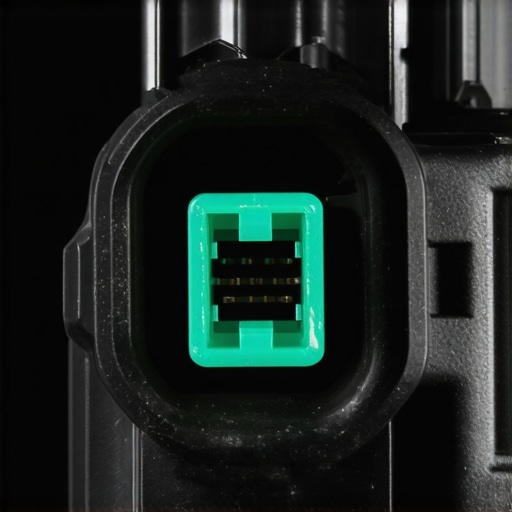
Even the highest quality ignition coil will fail to perform if the electrical signals reaching it are degraded by a compromised wiring harness. Over years of operation, the intense heat cycles within the engine bay cause the plastic locking tabs on coil connectors to become incredibly brittle, often snapping off during routine maintenance. Once that lock is gone, engine vibrations can cause the connector to back out just enough to create an intermittent open circuit. Experts look for ‘pin fitment’ issues where the female terminals inside the plastic housing have spread apart, leading to high resistance that mimics a failing coil. If you find yourself repeatedly replacing a coil on the same cylinder, the culprit is likely a micro-fracture in the copper wiring just inches away from the plug. This level of vehicle diagnostics requires a steady hand and a keen eye for green crusty corrosion hiding inside the weather-pack seals.
How Does Ion Current Sensing Replace Traditional Misfire Detection?
In high-performance or ultra-efficient engines, manufacturers like Mazda and BMW have moved beyond simple crankshaft position sensors to detect misfires. They utilize a sophisticated method known as Ion Current Sensing. In these systems, the ignition coil serves a dual purpose: it fires the spark and then immediately applies a low-voltage ‘bias’ across the spark plug gap. The resulting current flow through the ionized gases of the combustion chamber allows the Engine Control Unit (ECU) to monitor the actual quality of the burn in real-time. If your vehicle utilizes this technology, a generic aftermarket coil may lack the specific internal circuitry required to pass this data back to the computer, triggering a ‘check engine’ light even if the coil is technically firing. According to technical standards established by SAE International, the precision of ignition timing must be maintained within fractions of a degree to prevent pre-detonation. Using anything less than OEM-spec components in an ion-sensing system is a recipe for persistent ‘ghost’ codes.

Saturation Levels and the Science of Dwell Time
To understand why a coil fails, you must understand ‘dwell time’—the window of time the ECU allows current to flow through the primary windings to build a magnetic field. If the dwell time is too short, the magnetic field is weak, resulting in a pathetic spark that cannot jump the gap under load. Conversely, if the dwell time is too long due to a software glitch or a faulty driver, the coil will saturate and overheat, melting the internal epoxy insulation. This is where high-end auto repair transcends simple parts swapping. A seasoned tech knows that a dropping system voltage—perhaps from a failing alternator—forces the ECU to increase dwell time to compensate for the lack of ‘push.’ This extra stress shortens the lifespan of every coil in the rack. Monitoring your live data stream for ‘Dwell Angle’ or ‘Charge Time’ can reveal if your car’s brain is working the ignition system harder than it was designed to handle.
Stop the Arc Before It Destroys Your Spark Plug Tubes
When a coil’s rubber boot loses its dielectric strength, the spark often chooses to travel down the outside of the boot rather than through the plug. This creates a permanent ‘path of least resistance’ burned into the rubber. Many enthusiasts make the mistake of replacing the coil but leaving the old, oil-soaked spark plug behind. If oil is leaking from the valve cover gasket into the spark plug tubes, it will chemically degrade the silicone boot in weeks. Always check for ‘oil bathing’ when pulling a coil; if the boot is swollen or squishy, you aren’t just looking at an ignition failure, but a seal failure that must be addressed first. If you are struggling with a stutter that feels like a rhythmic kick, it might be time to compare these symptoms against transmission failures and expert fixes to ensure you aren’t chasing an electrical ghost when the problem is actually a torque converter shudder. Have you ever encountered a misfire that only appeared when the engine reached operating temperature? Share your diagnostic journey with us as we dive deeper into the relationship between heat soak and magnetic saturation.
While basic diagnostics often focus on the coil itself, seasoned technicians understand that the ignition system exists within a volatile electromagnetic environment. A failing ignition coil does more than just miss a beat; it can become a source of significant Electromagnetic Interference (EMI). When the internal primary-to-secondary insulation begins to break down, the coil can emit high-frequency noise that bleeds into adjacent wiring harnesses. This interference frequently confuses sensitive sensors, such as the crankshaft or camshaft position sensors, leading to ‘phantom’ timing codes that lead less experienced mechanics on a wild goose chase. Isolating these noisy components requires a deep understanding of vehicle diagnostics and the ability to recognize when an electrical signal is being hijacked by nearby high-voltage leaks.
Stop the Silent Killers Hiding in Your Wiring Loom
The integrity of the low-side control circuit is just as vital as the high-voltage output. Over time, the copper strands inside the ignition pigtails can suffer from ‘wicking,’ where moisture travels up the wire under the insulation, causing internal corrosion that is invisible to the naked eye. This creates a high-resistance bottleneck. If the coil cannot pull the amperage it needs instantly, the magnetic field will never reach full saturation. This is why a coil might test fine on a bench but fail miserably when plugged into a degraded vehicle harness. Professionals use a voltage drop test while the circuit is under load to ensure that the full battery potential is actually reaching the coil’s primary terminals. If you find these electrical nuances fascinating, you might also want to explore auto repair strategies for modern multiplexed systems.
How Does Impedance Mismatching Invalidate Your Performance Coil Upgrade?
A common mistake among enthusiasts is installing ‘high-output’ aftermarket coils without considering the Engine Control Unit’s (ECU) internal driver limits. Modern ignition systems are meticulously balanced; the ECU expects a very specific primary resistance to manage the heat generated by the switching transistors. When you install a coil with lower impedance to ‘hotter’ spark, you inadvertently increase the current flow through the ECU. According to the technical engineering archives at NGK Spark Plugs, using components that deviate from OEM resistance specifications can lead to the premature failure of the ignition drivers inside the computer itself. This is a prime example of how a ‘performance’ upgrade can turn into a multi-thousand-dollar repair if the system’s total electrical architecture is ignored. This same logic applies when you are trying to determine why your car stutters at 40mph and it is not the spark plugs.
The Hidden Link Between Lean Mixtures and Rapid Coil Decay
It is a law of physics: the leaner the air-fuel mixture, the higher the voltage required to initiate a spark. If your engine is suffering from a vacuum leak or a dirty mass airflow sensor, the combustion chamber becomes an electrical insulator. This forces the ignition coil to ramp up to its maximum secondary voltage—sometimes exceeding 30,000 volts—just to bridge the gap. Operating at this ‘ceiling’ for extended periods generates immense internal heat, eventually melting the epoxy potting material that holds the windings in place. If you find yourself replacing the same coil every six months, stop looking at the ignition system and start looking for a lean-run condition. Checking your long-term fuel trims is as essential as knowing how to diagnose a misfire without a code reader. Addressing the root cause prevents the ‘coil-killing’ cycle from repeating.
Scrub the Corrosion Off Your Main Ground Points
The ignition system is a complete loop that relies heavily on the engine block’s connection to the negative battery terminal. Many ‘unsolvable’ misfires are eventually traced back to a corroded ground strap between the engine and the chassis. When the ground path is compromised, the electricity from the spark plug struggle to return to the source, causing the coil to ‘back-feed’ energy into the vehicle’s 12V system. This can cause flickering dash lights or even disrupt your transmission’s electronic shifting. If you notice a rhythmic stumble that coincides with other electrical oddities, it may be time to consult our guide on transmission failures and expert fixes to ensure you aren’t misinterpreting a simple ground issue. Have you ever encountered a misfire that vanished after simply cleaning a battery terminal? Join our community discussion below and share your most elusive diagnostic wins.
Expert Insights & Advanced Considerations
Why You Should Look at Primary Ignition Waveforms
While many rely on resistance checks, the real story is told in the voltage flyback and oscillations seen on a lab scope. A healthy coil should show a clean spark line and several decaying oscillations; a lack of these ‘ringing’ events signals a shorted internal winding. This is the gold standard in vehicle diagnostics that separates the part-swappers from the experts.
Heat Soak is the Real Coil Killer
Internal resistance within the coil’s windings is not static; it scales with temperature. A coil might perform flawlessly during a cold start but begin to stumble once the engine bay reaches heat saturation. If you notice a misfire only after thirty minutes of driving, you are likely witnessing a dielectric breakdown of the internal epoxy. Identifying these thermal failures is one of the most effective auto repair strategies for intermittent issues.
#IMAGE_PLACEHOLDER_X#
Beware the High-Output Marketing Myth
Increasing secondary voltage through aftermarket coils often comes at the cost of the ECU’s longevity. If the coil’s primary resistance is too low, it draws excessive current that can fry the ignition drivers. Before you upgrade, investigate how to tell if your alternator is killing your new battery, as a stable charging system is far more beneficial than a ‘performance’ coil on a weak electrical bus.
Curated Expert Resources
ASE Training Resources
The National Institute for Automotive Service Excellence provides rigorous testing standards and study guides that define the benchmarks for ignition system proficiency and professional certification.
SAE International Technical Papers
For those seeking the mathematical reality of ion-current sensing and combustion physics, SAE white papers offer peer-reviewed data on electromagnetic interference and coil saturation cycles.
NGK Technical Archive
NGK offers deep dives into the relationship between spark plug gaps, lean-burn conditions, and the resulting stress on ignition transformers, which is vital when you need to know why your car stutters at 40mph and it is not the spark plugs.
Final Expert Perspective
Mastering the intricacies of ignition systems requires moving beyond the ‘parts cannon’ approach. By integrating thermal analysis, visual inspections for carbon tracking, and an understanding of dwell-time physics, you can solve the most deceptive electrical gremlins with surgical precision. Professional vehicle diagnostics is as much about understanding the system’s environment—such as ground integrity and air-fuel ratios—as it is about the components themselves. If you have questions about a persistent misfire or want to share your latest diagnostic win, please contact us or leave a comment in our community forum.