Modern internal combustion engines operate under increasingly tight tolerances designed to maximize fuel efficiency, yet these same advancements often lead to a frustrating phenomenon: excessive oil consumption. For the discerning vehicle owner, managing this consumption requires a shift from basic maintenance to advanced vehicle diagnostics. It is not merely about frequent top-offs; it is about maintaining the chemical integrity of the lubricant and the mechanical seal of the internal engine components to prevent long-term degradation. Professional auto repair standards now demand a deeper look into the friction-reducing technologies that, while beneficial for gas mileage, create unique challenges for engine longevity.
The Engineering Trade-off Behind Low-Tension Piston Rings
In the quest for higher MPG, manufacturers have adopted thinner piston rings that exert less pressure on cylinder walls. While this effectively reduces drag, it also makes the engine more susceptible to oil consumption if carbon deposits begin to accumulate. These deposits, often the result of extended drain intervals or poor fuel quality, can ‘lock’ the rings in place, preventing them from scraping oil back into the crankcase. This process is exacerbated when using lower-quality filters; indeed, the oil filter brand that might be causing your dry starts can also influence the overall cleanliness of the lubrication system. Maintaining a clean internal environment is the first step in stopping the cycle of consumption.
Why Does Your Engine Burn Oil Even When There Are No Leaks?
The answer often lies in the Positive Crankcase Ventilation (PCV) system rather than a physical hole in a gasket. When the PCV valve fails or becomes restricted, crankcase pressure rises, forcing oil vapors through the intake manifold and directly into the combustion chamber. This is a common point of failure that often goes unnoticed during a standard car service. Professionals should always verify PCV integrity when a client reports high consumption before recommending more invasive repairs. Furthermore, the volatility of the oil itself plays a massive role. According to the Society of Automotive Engineers (SAE), oil volatility determines the percentage of oil that will literally evaporate under high heat conditions, leading to mysterious loss without visible drips.
Strategic Maintenance to Restore Ring Function
Rather than jumping straight to an expensive engine rebuild, technicians often employ chemical ‘soaks’ or specialized detergents designed to dissolve the carbon binding the piston rings. Transitioning to a high-quality synthetic can also yield long-term benefits, as synthetic oil is cheaper than conventional in the long run due to its superior resistance to thermal breakdown and lower evaporation rates. If you observe that your engine oil looks like a milkshake, you are likely facing a head gasket failure rather than simple consumption, which requires immediate professional intervention to save the block. Even the transmission health can be indirectly affected by engine performance issues caused by low oil levels, as modern powertrains are highly integrated systems.
Advanced Diagnostics Prevent Catastrophic Failure
Utilizing a borescope to inspect cylinder walls for ‘glazing’ or scoring provides a level of insight that a simple compression test cannot. This deep dive into the hidden world of vehicle diagnostics allows owners to make informed decisions before small consumption issues turn into a destroyed catalytic converter. If you’re seeing blue smoke or experiencing a drop in performance, it is time to act. Reach out to our expert team to schedule a high-precision diagnostic session and save your engine from premature wear. Identifying the source of that annoying mystery oil leak or internal burn today is the only way to ensure your vehicle reaches its maximum potential mileage.
The evolution of Gasoline Direct Injection (GDI) has revolutionized power delivery, yet it introduces a nuanced challenge known as fuel dilution. When fuel is sprayed directly into the cylinder at immense pressures, a portion can bypass the piston rings and contaminate the crankcase. This dilution aggressively thins the lubricant, compromising its ability to withstand heat and significantly increasing the rate at which the engine consumes its own supply. If you have noticed a peculiar drop in efficiency lately, this could be the hidden reason your gas mileage just dropped alongside your oil level. Unlike older port-injection systems, GDI requires a more rigorous approach to vehicle diagnostics to ensure that the oil’s viscosity remains within the manufacturer’s specified range despite this constant chemical assault.
How Direct Injection Thins Your Protection
As the lubricant becomes saturated with raw fuel, its flash point drops, leading to faster evaporation and oil loss through the PCV system. This isn’t just a maintenance annoyance; it is a fundamental threat to the engine’s internal surfaces. Expert-level auto repair now frequently involves checking for high fuel content in the oil during a standard car service. To combat this, technicians often recommend shorter oil change intervals than the optimistic numbers found in the owner’s manual. High-pressure fuel pumps and injectors must also be tested, as a leaking injector can accelerate dilution exponentially, turning a minor consumption issue into a catastrophic engine failure in a matter of months.
Is Your Turbocharger Secretly Drinking Your Oil?
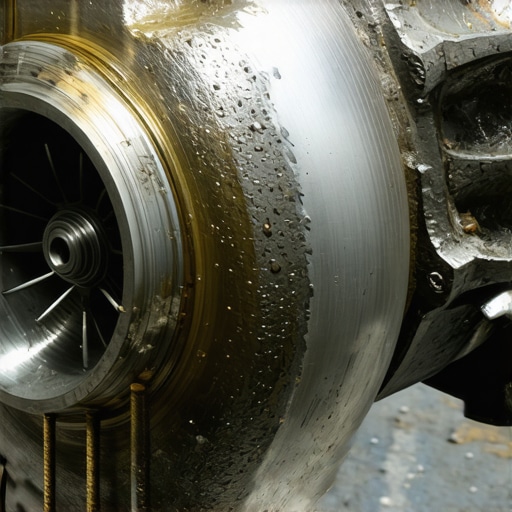
For owners of turbocharged vehicles, the forced induction system represents a major potential point of oil loss that many forget to inspect. Turbochargers rely on a constant flow of pressurized oil to lubricate bearings that spin at over 100,000 RPM. When the internal seals within the turbo housing fail, oil can be sucked directly into the intake tract or pushed out into the hot exhaust system. This often results in a subtle loss of oil long before you see the characteristic blue smoke. It is essential for owners to learn how to diagnose a failing turbocharger before it fails completely, as a total bearing collapse can send metal shards into the engine intake, causing irreparable damage.
According to a comprehensive study by Consumer Reports, several modern engine families from premium manufacturers are designed with such loose tolerances for oil consumption that losing a quart every 1,200 miles is considered within ‘normal’ operating parameters. This industry standard shift makes owner vigilance more critical than ever. Relying solely on the dashboard’s ‘low oil’ light is a dangerous gamble, as these sensors often only trigger once the level is critically low, leaving the engine vulnerable during high-load scenarios like highway merging or towing.
Spark Plugs Reveal the Internal Story
One of the most reliable ways to determine if your engine is burning oil internally—and exactly where it’s happening—is to examine the combustion environment. Removing the spark plugs can provide a clear map of the engine’s health. Ashy, white deposits on the electrodes are a classic sign of oil additives being burned in the combustion chamber. By learning how to tell if your spark plugs are fouled just by looking, you can differentiate between oil leaking past the valve stem seals versus oil migrating up past the piston rings. This level of insight allows you to direct your mechanic toward the specific problem, potentially saving thousands in unnecessary diagnostic labor.
Stop Trusting Marketing Over Mechanics
The push for ‘lifetime’ fluids and ultra-long service intervals is often driven more by marketing and lower cost-of-ownership ratings than by mechanical longevity. This applies to every aspect of the powertrain, including the transmission, which is frequently subjected to the same neglect as the engine’s oil system. In reality, the thermal stresses of modern driving degrade fluids much faster than manufacturers suggest. Understanding the truth about lifetime transmission fluid claims 2 helps illustrate why a proactive maintenance schedule is the only way to reach the 200,000-mile mark. If you’ve noticed your car burning more than a quart between changes, tell us about your experience in the comments or share this guide with a fellow driver who is dealing with a thirsty engine. Sharing these technical insights helps our community of owners move beyond basic fixes and toward true automotive mastery.
High-efficiency cooling systems are no longer a luxury; they are the frontline defense against the thermal degradation that drives modern oil consumption. When an engine operates at the edge of its thermal limits to squeeze out every drop of fuel economy, the lubricant is subjected to ‘hot spots’ that can exceed 300 degrees Fahrenheit. At these temperatures, even the most robust synthetic molecules begin to shear. This thinning doesn’t just reduce protection; it allows the oil to migrate past gaskets and seals that were never designed to hold back such a pressurized, watery fluid. Expert vehicle diagnostics must therefore include a thorough check of the oil cooling circuit, as a restricted cooler can silently cook the engine from the inside out, leading to hardened valve stem seals and eventually, a massive increase in consumption.
Stop the Scorch with Better Thermal Management
The relationship between oil temperature and viscosity is non-linear, meaning a small jump in heat can lead to a catastrophic drop in film strength. When the oil becomes too thin, the hydrodynamic wedge that keeps metal parts from touching collapses. This is where the real damage happens—micro-welding of the piston rings to the cylinder walls. To prevent this, advanced auto repair strategies often involve upgrading to high-performance oil coolers or utilizing additives that enhance the oil’s thermal stability. It is a proactive dance between chemical engineering and mechanical cooling that defines the longevity of a high-mileage vehicle.
Can Switching to a 5W-30 Oil Damage an Engine Designed for 0W-20?
This is one of the most debated topics in modern maintenance circles. While many owners are tempted to ‘thicken’ their oil to slow down consumption, doing so can have unintended consequences for the variable valve timing (VVT) system. Modern engines rely on the specific flow characteristics of ultra-low viscosity oils to actuate timing phasers with millisecond precision. According to the American Petroleum Institute (API), the latest ‘SP’ rating is specifically engineered to mitigate low-speed pre-ignition (LSPI) and provide the necessary protection for these sensitive components. Using a heavier oil might slow a leak, but it could trigger a ‘check engine’ light for timing correlation, leading to a much more expensive car service bill down the road.
Why VVT Phasers Demand Precise Oil Pressure
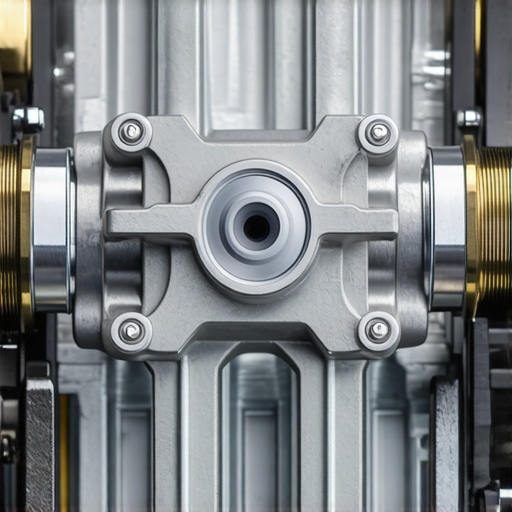
Variable Valve Timing is essentially a hydraulic system that uses engine oil as its working fluid. If your oil level is low or the viscosity is degraded by fuel dilution, the VVT solenoids cannot maintain the correct pressure to hold the camshafts in their commanded positions. This leads to ‘phaser rattle’ and erratic engine timing, which further increases internal temperatures and accelerates the cycle of oil burning. In some cases, the transmission shift logic even becomes confused because the engine’s torque output isn’t matching the ECU’s expectations. A comprehensive vehicle diagnostics approach treats the oil level not just as a lubricant issue, but as a primary input for the engine’s timing and computer logic.
The Invisible Link Between Low Oil and Timing Chain Stretch
Many drivers assume that a quart low on oil is harmless as long as the ‘dummy light’ isn’t on. However, the timing chain tensioners in most modern overhead-cam engines are entirely dependent on consistent oil pressure. When the level drops, these tensioners can bleed down, allowing the timing chain to whip and slap against its guides. Over time, this mechanical shock leads to ‘chain stretch,’ a condition that can eventually result in the chain jumping a tooth and causing a total engine collision. If you’ve noticed a rattling sound on cold starts, don’t wait for the consumption to get worse. Book a specialized inspection today to ensure your timing system isn’t being starved of the vital pressure it needs to survive. The tension between efficiency and durability is nowhere more evident than in the delicate balance of the oil-fed timing circuit.
While mechanical wear is a primary driver of oil loss, the increasingly complex architecture of the oil delivery system itself introduces new failure modes. Many modern powerplants utilize variable displacement oil pumps designed to reduce parasitic drag by tailoring oil pressure to the engine’s instantaneous load. When these sophisticated components experience electronic or solenoid failure, they may default to a low-pressure mode that, while sufficient for idling, starves the upper cylinder head during high-stress maneuvers. This subtle starvation accelerates the wear of camshaft journals and hydraulic lifters, turning a fuel-saving feature into a catalyst for expensive auto repair. Diagnosing a failing variable pump requires more than just checking a dipstick; it demands a real-time pressure analysis through high-end vehicle diagnostics tools to ensure the pump is meeting its commanded duty cycle.
Why Smart Oil Pumps Sometimes Fail the Engine
The transition from mechanical to electronically controlled lubrication has shifted the burden of engine safety from the driver to the ECU. If the oil pressure sensor becomes skewed—providing a reading that is slightly off but still within a pre-programmed ‘rationality’ range—the engine may continue to operate under-lubricated for thousands of miles. This lack of adequate pressure prevents the piston cooling jets from functioning correctly. Without these jets spraying the underside of the piston, temperatures skyrocket, leading to the very ring-sticking issues previously discussed. A comprehensive car service should ideally include a review of oil pressure data logs to catch these deviations before they manifest as metallic debris in the oil pan.
Does Your Driving Pattern Encourage Cold Sludge Formation?
The environment in which you drive is often as critical as the oil you choose. Frequent short trips, where the engine never reaches its full operating temperature, prevent the natural ‘boil-off’ of moisture and unburned fuel from the crankcase. This mixture reacts with the oil additives to form a gelatinous sludge that can clog the pickup tube and the fine screens protecting the transmission coolers and VVT solenoids. According to research published by the International Journal of Engine Research, the interaction between blow-by gases and lubricant base stocks in low-temperature cycles significantly accelerates the depletion of the Total Base Number (TBN), leaving the engine vulnerable to corrosive wear. To combat this, owners who primarily drive in urban stop-and-go conditions should consider their vehicle as operating under ‘severe service’ and adjust their maintenance accordingly.
Digital Dipsticks and the Fallacy of Software-Driven Safety
The removal of the physical dipstick in many luxury and performance vehicles has created a psychological gap in vehicle maintenance. Owners now rely on ultrasonic sensors and software algorithms to calculate oil levels, which are prone to ‘ghost’ readings if the car is parked on an incline or if the sensor is coated in debris. This reliance can lead to a false sense of security, where a driver assumes their levels are perfect while the engine is actually starving. 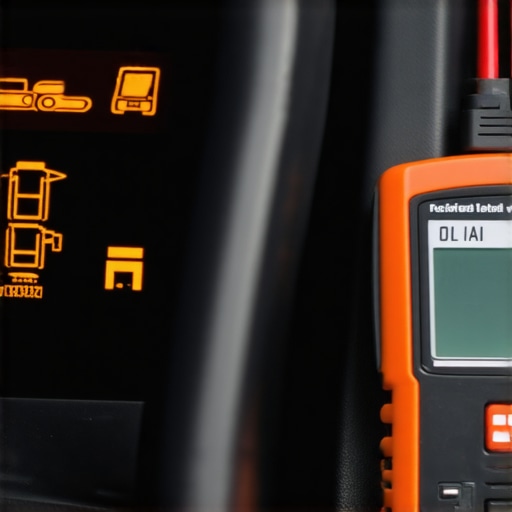 If you suspect your digital readout is misleading or if your vehicle is exhibiting unusual ticking noises, consult our specialized diagnostics team to verify your actual oil volume and quality before a minor discrepancy turns into a total seizure.
The High Cost of Chemical Neglect in Direct Injection Blocks
In GDI engines, the intake valves no longer benefit from the cleaning effect of fuel spray, leading to massive carbon buildup. This ‘carbon tracking’ doesn’t stay confined to the valves; as chunks of carbon break off, they can enter the combustion chamber and become trapped between the piston and the cylinder wall. These abrasive particles act like sandpaper, destroying the cross-hatch pattern on the cylinder walls that is essential for holding a film of oil. Once this pattern is gone, the oil simply slides back into the pan or is burned off, leading to a permanent increase in consumption that no additive can fix. Advanced vehicle diagnostics involving intake valve walnut blasting or chemical cleaning is no longer an optional upgrade—it is a survival requirement for the modern internal combustion engine.
Modern internal combustion engines operate under increasingly tight tolerances designed to maximize fuel efficiency, yet these same advancements often lead to a frustrating phenomenon: excessive oil consumption. For the discerning vehicle owner, managing this consumption requires a shift from basic maintenance to advanced vehicle diagnostics. It is not merely about frequent top-offs; it is about maintaining the chemical integrity of the lubricant and the mechanical seal of the internal engine components to prevent long-term degradation. Professional auto repair standards now demand a deeper look into the friction-reducing technologies that, while beneficial for gas mileage, create unique challenges for engine longevity.
The Engineering Trade-off Behind Low-Tension Piston Rings
In the quest for higher MPG, manufacturers have adopted thinner piston rings that exert less pressure on cylinder walls. While this effectively reduces drag, it also makes the engine more susceptible to oil consumption if carbon deposits begin to accumulate. These deposits, often the result of extended drain intervals or poor fuel quality, can ‘lock’ the rings in place, preventing them from scraping oil back into the crankcase. This process is exacerbated when using lower-quality filters; indeed, the oil filter brand that might be causing your dry starts can also influence the overall cleanliness of the lubrication system. Maintaining a clean internal environment is the first step in stopping the cycle of consumption.
Why Does Your Engine Burn Oil Even When There Are No Leaks?
The answer often lies in the Positive Crankcase Ventilation (PCV) system rather than a physical hole in a gasket. When the PCV valve fails or becomes restricted, crankcase pressure rises, forcing oil vapors through the intake manifold and directly into the combustion chamber. This is a common point of failure that often goes unnoticed during a standard car service. Professionals should always verify PCV integrity when a client reports high consumption before recommending more invasive repairs. Furthermore, the volatility of the oil itself plays a massive role. According to the Society of Automotive Engineers (SAE), oil volatility determines the percentage of oil that will literally evaporate under high heat conditions, leading to mysterious loss without visible drips.
Strategic Maintenance to Restore Ring Function
Rather than jumping straight to an expensive engine rebuild, technicians often employ chemical ‘soaks’ or specialized detergents designed to dissolve the carbon binding the piston rings. Transitioning to a high-quality synthetic can also yield long-term benefits, as synthetic oil is cheaper than conventional in the long run due to its superior resistance to thermal breakdown and lower evaporation rates. If you observe that your engine oil looks like a milkshake, you are likely facing a head gasket failure rather than simple consumption, which requires immediate professional intervention to save the block. Even the transmission health can be indirectly affected by engine performance issues caused by low oil levels, as modern powertrains are highly integrated systems.
Advanced Diagnostics Prevent Catastrophic Failure
Utilizing a borescope to inspect cylinder walls for ‘glazing’ or scoring provides a level of insight that a simple compression test cannot. This deep dive into the hidden world of vehicle diagnostics allows owners to make informed decisions before small consumption issues turn into a destroyed catalytic converter. If you’re seeing blue smoke or experiencing a drop in performance, it is time to act. Reach out to our expert team to schedule a high-precision diagnostic session and save your engine from premature wear. Identifying the source of that annoying mystery oil leak or internal burn today is the only way to ensure your vehicle reaches its maximum potential mileage.
The evolution of Gasoline Direct Injection (GDI) has revolutionized power delivery, yet it introduces a nuanced challenge known as fuel dilution. When fuel is sprayed directly into the cylinder at immense pressures, a portion can bypass the piston rings and contaminate the crankcase. This dilution aggressively thins the lubricant, compromising its ability to withstand heat and significantly increasing the rate at which the engine consumes its own supply. If you have noticed a peculiar drop in efficiency lately, this could be the hidden reason your gas mileage just dropped alongside your oil level. Unlike older port-injection systems, GDI requires a more rigorous approach to vehicle diagnostics to ensure that the oil’s viscosity remains within the manufacturer’s specified range despite this constant chemical assault.
How Direct Injection Thins Your Protection
As the lubricant becomes saturated with raw fuel, its flash point drops, leading to faster evaporation and oil loss through the PCV system. This isn’t just a maintenance annoyance; it is a fundamental threat to the engine’s internal surfaces. Expert-level auto repair now frequently involves checking for high fuel content in the oil during a standard car service. To combat this, technicians often recommend shorter oil change intervals than the optimistic numbers found in the owner’s manual. High-pressure fuel pumps and injectors must also be tested, as a leaking injector can accelerate dilution exponentially, turning a minor consumption issue into a catastrophic engine failure in a matter of months.
Is Your Turbocharger Secretly Drinking Your Oil?
For owners of turbocharged vehicles, the forced induction system represents a major potential point of oil loss that many forget to inspect. Turbochargers rely on a constant flow of pressurized oil to lubricate bearings that spin at over 100,000 RPM. When the internal seals within the turbo housing fail, oil can be sucked directly into the intake tract or pushed out into the hot exhaust system. This often results in a subtle loss of oil long before you see the characteristic blue smoke. It is essential for owners to learn how to diagnose a failing turbocharger before it fails completely, as a total bearing collapse can send metal shards into the engine intake, causing irreparable damage.
According to a comprehensive study by Consumer Reports, several modern engine families from premium manufacturers are designed with such loose tolerances for oil consumption that losing a quart every 1,200 miles is considered within ‘normal’ operating parameters. This industry standard shift makes owner vigilance more critical than ever. Relying solely on the dashboard’s ‘low oil’ light is a dangerous gamble, as these sensors often only trigger once the level is critically low, leaving the engine vulnerable during high-load scenarios like highway merging or towing.
Spark Plugs Reveal the Internal Story
One of the most reliable ways to determine if your engine is burning oil internally—and exactly where it’s happening—is to examine the combustion environment. Removing the spark plugs can provide a clear map of the engine’s health. Ashy, white deposits on the electrodes are a classic sign of oil additives being burned in the combustion chamber. By learning how to tell if your spark plugs are fouled just by looking, you can differentiate between oil leaking past the valve stem seals versus oil migrating up past the piston rings. This level of insight allows you to direct your mechanic toward the specific problem, potentially saving thousands in unnecessary diagnostic labor.
Stop Trusting Marketing Over Mechanics
The push for ‘lifetime’ fluids and ultra-long service intervals is often driven more by marketing and lower cost-of-ownership ratings than by mechanical longevity. This applies to every aspect of the powertrain, including the transmission, which is frequently subjected to the same neglect as the engine’s oil system. In reality, the thermal stresses of modern driving degrade fluids much faster than manufacturers suggest. Understanding the truth about lifetime transmission fluid claims 2 helps illustrate why a proactive maintenance schedule is the only way to reach the 200,000-mile mark. If you’ve noticed your car burning more than a quart between changes, tell us about your experience in the comments or share this guide with a fellow driver who is dealing with a thirsty engine. Sharing these technical insights helps our community of owners move beyond basic fixes and toward true automotive mastery.
High-efficiency cooling systems are no longer a luxury; they are the frontline defense against the thermal degradation that drives modern oil consumption. When an engine operates at the edge of its thermal limits to squeeze out every drop of fuel economy, the lubricant is subjected to ‘hot spots’ that can exceed 300 degrees Fahrenheit. At these temperatures, even the most robust synthetic molecules begin to shear. This thinning doesn’t just reduce protection; it allows the oil to migrate past gaskets and seals that were never designed to hold back such a pressurized, watery fluid. Expert vehicle diagnostics must therefore include a thorough check of the oil cooling circuit, as a restricted cooler can silently cook the engine from the inside out, leading to hardened valve stem seals and eventually, a massive increase in consumption.
Stop the Scorch with Better Thermal Management
The relationship between oil temperature and viscosity is non-linear, meaning a small jump in heat can lead to a catastrophic drop in film strength. When the oil becomes too thin, the hydrodynamic wedge that keeps metal parts from touching collapses. This is where the real damage happens—micro-welding of the piston rings to the cylinder walls. To prevent this, advanced auto repair strategies often involve upgrading to high-performance oil coolers or utilizing additives that enhance the oil’s thermal stability. It is a proactive dance between chemical engineering and mechanical cooling that defines the longevity of a high-mileage vehicle.
Can Switching to a 5W-30 Oil Damage an Engine Designed for 0W-20?
This is one of the most debated topics in modern maintenance circles. While many owners are tempted to ‘thicken’ their oil to slow down consumption, doing so can have unintended consequences for the variable valve timing (VVT) system. Modern engines rely on the specific flow characteristics of ultra-low viscosity oils to actuate timing phasers with millisecond precision. According to the American Petroleum Institute (API), the latest ‘SP’ rating is specifically engineered to mitigate low-speed pre-ignition (LSPI) and provide the necessary protection for these sensitive components. Using a heavier oil might slow a leak, but it could trigger a ‘check engine’ light for timing correlation, leading to a much more expensive car service bill down the road.
Why VVT Phasers Demand Precise Oil Pressure
Variable Valve Timing is essentially a hydraulic system that uses engine oil as its working fluid. If your oil level is low or the viscosity is degraded by fuel dilution, the VVT solenoids cannot maintain the correct pressure to hold the camshafts in their commanded positions. This leads to ‘phaser rattle’ and erratic engine timing, which further increases internal temperatures and accelerates the cycle of oil burning. In some cases, the transmission shift logic even becomes confused because the engine’s torque output isn’t matching the ECU’s expectations. A comprehensive vehicle diagnostics approach treats the oil level not just as a lubricant issue, but as a primary input for the engine’s timing and computer logic.
The Invisible Link Between Low Oil and Timing Chain Stretch
Many drivers assume that a quart low on oil is harmless as long as the ‘dummy light’ isn’t on. However, the timing chain tensioners in most modern overhead-cam engines are entirely dependent on consistent oil pressure. When the level drops, these tensioners can bleed down, allowing the timing chain to whip and slap against its guides. Over time, this mechanical shock leads to ‘chain stretch,’ a condition that can eventually result in the chain jumping a tooth and causing a total engine collision. If you’ve noticed a rattling sound on cold starts, don’t wait for the consumption to get worse. Book a specialized inspection today to ensure your timing system isn’t being starved of the vital pressure it needs to survive. The tension between efficiency and durability is nowhere more evident than in the delicate balance of the oil-fed timing circuit.
While mechanical wear is a primary driver of oil loss, the increasingly complex architecture of the oil delivery system itself introduces new failure modes. Many modern powerplants utilize variable displacement oil pumps designed to reduce parasitic drag by tailoring oil pressure to the engine’s instantaneous load. When these sophisticated components experience electronic or solenoid failure, they may default to a low-pressure mode that, while sufficient for idling, starves the upper cylinder head during high-stress maneuvers. This subtle starvation accelerates the wear of camshaft journals and hydraulic lifters, turning a fuel-saving feature into a catalyst for expensive auto repair. Diagnosing a failing variable pump requires more than just checking a dipstick; it demands a real-time pressure analysis through high-end vehicle diagnostics tools to ensure the pump is meeting its commanded duty cycle.
Why Smart Oil Pumps Sometimes Fail the Engine
The transition from mechanical to electronically controlled lubrication has shifted the burden of engine safety from the driver to the ECU. If the oil pressure sensor becomes skewed—providing a reading that is slightly off but still within a pre-programmed ‘rationality’ range—the engine may continue to operate under-lubricated for thousands of miles. This lack of adequate pressure prevents the piston cooling jets from functioning correctly. Without these jets spraying the underside of the piston, temperatures skyrocket, leading to the very ring-sticking issues previously discussed. A comprehensive car service should ideally include a review of oil pressure data logs to catch these deviations before they manifest as metallic debris in the oil pan.
Does Your Driving Pattern Encourage Cold Sludge Formation?
The environment in which you drive is often as critical as the oil you choose. Frequent short trips, where the engine never reaches its full operating temperature, prevent the natural ‘boil-off’ of moisture and unburned fuel from the crankcase. This mixture reacts with the oil additives to form a gelatinous sludge that can clog the pickup tube and the fine screens protecting the transmission coolers and VVT solenoids. According to research published by the International Journal of Engine Research, the interaction between blow-by gases and lubricant base stocks in low-temperature cycles significantly accelerates the depletion of the Total Base Number (TBN), leaving the engine vulnerable to corrosive wear. To combat this, owners who primarily drive in urban stop-and-go conditions should consider their vehicle as operating under ‘severe service’ and adjust their maintenance accordingly.
Digital Dipsticks and the Fallacy of Software-Driven Safety
The removal of the physical dipstick in many luxury and performance vehicles has created a psychological gap in vehicle maintenance. Owners now rely on ultrasonic sensors and software algorithms to calculate oil levels, which are prone to ‘ghost’ readings if the car is parked on an incline or if the sensor is coated in debris. This reliance can lead to a false sense of security, where a driver assumes their levels are perfect while the engine is actually starving. If you suspect your digital readout is misleading or if your vehicle is exhibiting unusual ticking noises, consult our specialized diagnostics team to verify your actual oil volume and quality before a minor discrepancy turns into a total seizure.
The High Cost of Chemical Neglect in Direct Injection Blocks
In GDI engines, the intake valves no longer benefit from the cleaning effect of fuel spray, leading to massive carbon buildup. This ‘carbon tracking’ doesn’t stay confined to the valves; as chunks of carbon break off, they can enter the combustion chamber and become trapped between the piston and the cylinder wall. These abrasive particles act like sandpaper, destroying the cross-hatch pattern on the cylinder walls that is essential for holding a film of oil. Once this pattern is gone, the oil simply slides back into the pan or is burned off, leading to a permanent increase in consumption that no additive can fix. Advanced vehicle diagnostics involving intake valve walnut blasting or chemical cleaning is no longer an optional upgrade—it is a survival requirement for the modern internal combustion engine.
Advanced Diagnostics and Long-Term Protection Strategies
Forget the Factory Recommended Service Intervals
While many manufacturers tout 10,000-mile or ‘lifetime’ intervals to lower the advertised cost of ownership, real-world teardowns of GDI engines suggest these extended drains accelerate ring-sticking. In a high-precision auto repair environment, we frequently find that engines serviced every 5,000 miles maintain significantly better cylinder health. The chemistry of modern detergents simply cannot combat the volume of blow-by and fuel dilution present in modern turbocharged engines over ten thousand miles without becoming acidic and abrasive.
Look Closer at the Connection Between Engine and Transmission Health
The health of your powertrain is deeply integrated; low oil pressure doesn’t just affect the valvetrain, it can actively disrupt the shift quality of your gearbox. When an engine struggles with internal friction or timing irregularities, the TCM (Transmission Control Module) often adjusts load calculations, leading to the symptoms found in transmission failures decoded. Viewing the vehicle as a singular hydraulic ecosystem is the hallmark of advanced car service that goes beyond the basic oil change.
Prioritize Used Oil Analysis for High-Mileage Performance
A simple visual check of the dipstick is no longer sufficient to verify lubricant health. For owners of direct-injected vehicles, used oil analysis is the only way to quantify the presence of wear metals and the exact percentage of fuel dilution. This level of vehicle diagnostics allows you to catch bearing wear long before it results in a mechanical knock, providing a data-driven approach to preventative care that saves thousands in long-term restoration costs.
Essential Technical Libraries for Owners
API Engine Oil Service Categories: This is the industry-standard guide for choosing the correct oil rating, such as SP or SN PLUS, to mitigate low-speed pre-ignition in modern engines.
SAE International Technical Database: An expansive collection of peer-reviewed engineering studies that provides deep insights into the physics of low-tension rings and oil shearing.
Blackstone Laboratories Education Portal: A practical guide for interpreting laboratory reports, essential for any owner looking to monitor engine health via chemical analysis.
The Future of Internal Combustion Longevity
Ultimately, managing excessive oil consumption is a persistent fight against the inherent physics of modern fuel efficiency. By utilizing comprehensive vehicle diagnostics, you can identify failures in the PCV system, turbocharger seals, or ring-seating before they cause permanent damage. Whether you are dealing with GDI carbon buildup or integrated powertrain concerns, staying ahead of chemical degradation is the only way to reach the 200,000-mile mark. If you are ready to move beyond basic top-offs and truly protect your investment, reach out to our expert team to schedule a high-precision diagnostic session today.