The Physics of Vapor Displacement and Intake Flooding
Encountering a vehicle that refuses to fire up after a routine trip to the gas station is a classic diagnostic scenario that separates parts-changers from master technicians. From a professional standpoint, this issue is rarely electrical; instead, it signals a breach in the integrity of the Evaporative Emission Control (EVAP) system. When the fuel tank is filled, the displaced vapors are designed to be trapped by a charcoal canister. If the purge valve—the gatekeeper between the canister and the engine—is compromised, these concentrated vapors flood the intake manifold. This creates an ultra-rich fuel environment that lacks the oxygen required for combustion, effectively drowning the spark and leaving you stranded at the pump. This specific failure mode requires precision vehicle diagnostics to differentiate between a simple sensor glitch and a mechanical hardware failure within the fuel system.
Stop Topping Off Your Gas Tank Immediately
The charcoal canister is designed to hold vapors, not liquid fuel. However, many drivers suffer from the habit of topping off their tanks after the pump clicks off. This practice forces liquid fuel into the vapor lines, saturating the charcoal and potentially sending liquid fuel directly into the purge valve. In the world of high-end auto repair, this is known as charcoal migration, where the internals of the canister disintegrate and clog the entire EVAP line. This doesn’t just cause starting issues; it can lead to erratic engine behavior that mirrors transmission hesitation if the ECU becomes confused by the wildly fluctuating fuel trims. If you are experiencing shifting anomalies alongside fuel issues, it is worth investigating transmission failures decoded to ensure the powertrain isn’t suffering from secondary sensor feedback loops.
Why Does a Faulty Purge Valve Prevent the Engine from Starting?
This is a frequent inquiry in professional forums and technical circles. The answer lies in the ECU’s startup logic. During a normal start, the purge valve should remain closed. If it is stuck open, the engine essentially inhales a huge gulp of raw fuel vapor immediately upon cranking. Because the computer expects a specific air-to-fuel ratio to initiate combustion, this unexpected surge prevents the spark from igniting the mixture, often requiring the driver to floor the gas pedal to clear the flood by introducing more air. Identifying this requires more than just reading a code; it involves real-time data logging during professional car service procedures. For more on how to identify these components, see our guide on the 5-part that causes most evap leak codes to narrow down the culprit.
Advanced Diagnostics Beyond the Check Engine Light
Modern vehicle diagnostics have evolved beyond basic code reading. A master technician monitors Short-Term Fuel Trims (STFT) immediately after refueling; if the percentages drop significantly into the negative, it confirms the ECU is trying to lean out an overly rich mixture caused by a leaking purge valve. This level of car service expertise prevents the unnecessary replacement of the fuel pump, which is often misdiagnosed as the culprit. According to technical standards established by the Environmental Protection Agency (EPA), even a pinhole leak in the EVAP system can increase hydrocarbon emissions significantly, often triggering the dreaded Check Engine Light. Ensuring your car remains reliable in 2025 means staying ahead of these complex interactions. We encourage you to unlock your car’s potential with these expert auto repair tips to maintain peak performance and avoid costly roadside assistance calls. By mastering these niche diagnostic techniques, you ensure that your vehicle maintenance remains a proactive investment rather than a reactive expense.
How a Flooded Intake Manifold Stealthily Kills Your Fuel Economy
The financial impact of a failing purge valve extends far beyond the frustration of a hard start at the pump. When your engine is forced to compensate for a sudden, unmetered influx of vapors, the fuel trims deviate significantly from their optimal baseline. Over time, this constant battle between the ECU and the vacuum leak leads to a noticeable decline in efficiency. Many owners overlook this connection, but understanding the hidden reason your gas mileage just dropped is often the first step in identifying a failing EVAP system before it results in a total mechanical breakdown. In modern engines, even a minor discrepancy in vapor management can lead to a 10-15% reduction in overall fuel efficiency, essentially wasting money every mile you drive.
Is Your Purge Valve Actually Holding Vacuum or Just Pretending?
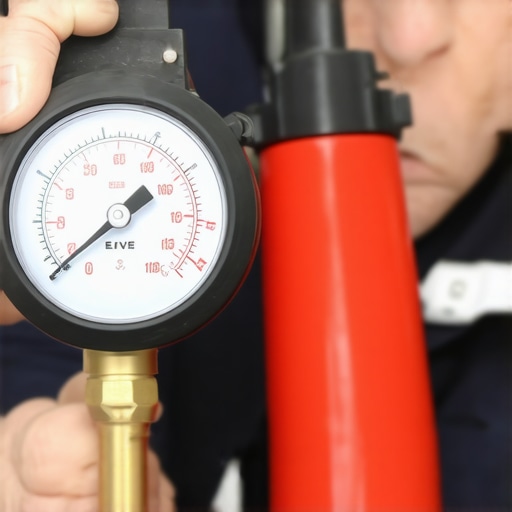
To truly diagnose this issue without relying on expensive guesswork, expert technicians perform a vacuum hold test. A purge valve should remain hermetically sealed when the engine is off or under specific load conditions. By applying a handheld vacuum pump directly to the valve’s inlet, you can quickly determine if the internal diaphragm has ruptured or if the solenoid is mechanically stuck open. This is a far more reliable method than simply clearing codes and hoping they do not return. If you are tackling this as a DIY project, utilizing the $15 tool that finds every vacuum leak in seconds can save you hours of frustration and prevent the unnecessary replacement of functional parts. Identifying a physical leak versus an electrical signal error is the hallmark of a professional-grade diagnostic approach.
Protecting the Rest of Your Powertrain from EVAP Failures
The consequences of ignoring a rich-start condition eventually travel downstream into your exhaust system. When the engine ‘floods’ with fuel vapors during a start, that unburned fuel eventually finds its way into the catalytic converter. According to technical standards from SAE International, repeated exposure to raw fuel can cause the ceramic substrate within the converter to overheat and melt, leading to severely restricted exhaust flow. This degradation can manifest as a sudden lack of power or even lead to how to tell if your catalytic converter is actually clogged. In severe cases, the backpressure caused by a melted converter can even mimic transmission troubles, making it essential to address the root EVAP cause early to avoid a cascade of expensive repairs.
Why Modern Sensors Can Sometimes Lie to You
We often assume that a computer-monitored system will always tell us exactly what is wrong, but that is not always the case. A slow-responding oxygen sensor might fail to report the initial rich spike during a hard start, leaving you to wonder why the car stumbles without throwing a specific P0441 or P0442 code. This nuance is why a comprehensive choosing the right car service for seamless vehicle maintenance strategy is vital for long-term reliability. Have you ever experienced a car that refused to start only after filling the tank? Share your experience in the comments or let us know what diagnostic hurdle you are currently facing; your insight might help a fellow driver avoid an unnecessary tow or an expensive misdiagnosis at a dealership.
When Summer Heat Turns a Minor Leak into a Major Towing Bill
As ambient temperatures rise, the volatility of gasoline becomes a primary factor in EVAP system stress. High temperatures increase the vapor pressure inside your fuel tank, meaning the purge valve has to work significantly harder to manage the volume of gases being routed to the intake. According to data from the National Institute of Standards and Technology (NIST), the rate of evaporation for automotive fuel can increase exponentially with just a small rise in temperature. This explains why a car that starts perfectly in the winter might suddenly struggle after a July afternoon refuel. The increased pressure forces more vapor through even the smallest seal failure in the solenoid, overwhelming the combustion chamber faster than the ECU can compensate for during its initial cranking phase.
Can You Drive Safely with a Stuck Purge Valve?
While a faulty purge valve rarely causes immediate catastrophic engine failure, it presents a significant safety risk during idle and low-speed maneuvers. If the valve remains stuck open, the engine can stall unexpectedly at red lights or during stop-and-go traffic because the mixture becomes too rich to maintain an idle. This unpredictable behavior is why we recommend immediate auto repair attention. Furthermore, the constant surging can cause your transmission to hunt for the right gear as it reacts to fluctuating engine torque. For those wondering how to handle these sudden hiccups, understanding the essential checklist for smooth vehicle maintenance can help you triage the severity of the symptoms before they lead to a dangerous mid-intersection stall.
What Actually Happens Inside a Failing Solenoid Housing
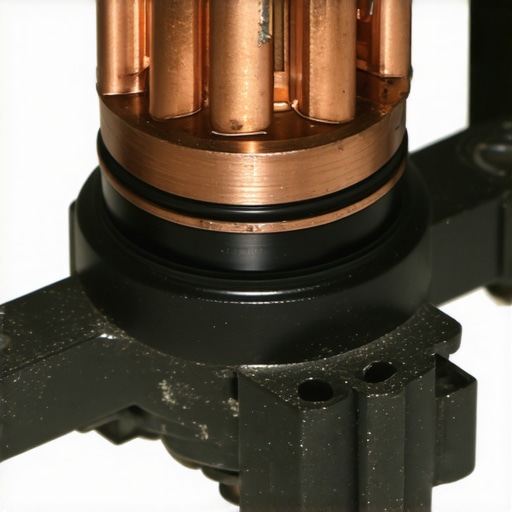
The mechanical anatomy of a purge valve is deceptively simple: a coil, a plunger, and a spring. However, the environment it operates in is hostile. Over years of service, the rubber seal at the tip of the plunger undergoes thermal degradation, becoming brittle and losing its ability to create an airtight seal. This allows vapor to weep into the intake even when the solenoid is de-energized. In some cases, the magnetic coil itself develops an internal short, leading to intermittent operation that drives vehicle diagnostics professionals crazy. If you notice a clicking sound coming from the engine bay that stops and starts erratically, your solenoid might be physically struggling to seat properly. This is often the precursor to a hard-start condition and should be addressed during your next scheduled car service to avoid being stranded.
Why Your ECU Needs Time to Unlearn the Rich Environment
Simply replacing the faulty hardware is only half the battle. Your car’s Engine Control Unit (ECU) has likely spent weeks or months learning to subtract fuel to compensate for the leaking valve. These Long-Term Fuel Trims (LTFT) are stored in the Keep Alive Memory (KAM). When you install a new, functional purge valve, the ECU is still subtracting fuel based on the old, leaking data, which can cause the engine to run dangerously lean until it recalibrates. This is why a professional how to fix common car problems on a budget approach often includes a manual reset of the adaptive learning tables. Without this reset, you might still experience a rough idle or poor throttle response for the first 50 to 100 miles of driving as the computer slowly adjusts to the new, airtight reality of your EVAP system. This transitional period is critical to monitor via a scan tool to ensure the system stabilizes without triggering new codes.
Humidity and Air Density Are Secretly Sabotaging Your Startups
Precision vehicle diagnostics in the 21st century requires more than a keen ear; it demands a deep comprehension of atmospheric chemistry. When ambient humidity spikes, the density of the fuel vapor trapped in the charcoal canister shifts dramatically. This creates a calibration nightmare for the ECU, which relies on a pre-programmed map to determine exactly how much to open the purge valve. In high-humidity environments, the ‘saturated’ vapor can be much richer than the computer anticipates, leading to a hard-start condition even if the valve is technically functioning within its mechanical limits. This is where advanced car service separates itself from basic maintenance—by accounting for environmental variables that a standard OBD-II scanner might ignore. High-end diagnostic routines now involve checking the Barometric Pressure Sensor and Intake Air Temperature (IAT) sensor values to ensure the EVAP flow rate is appropriately compensated for air density.
Can a Restricted Vent Path Overpower the Purge Solenoid?
While most technicians focus solely on the purge side of the system, the vent side is equally critical for successful refueling. A restricted vent solenoid or a clogged fresh-air filter can create a vacuum imbalance within the fuel tank itself. If the vent path is restricted, the purge valve has to work against a partial vacuum, which can lead to ‘pintle bounce’—a state where the valve oscillates rapidly rather than holding a steady flow. This mechanical instability often triggers a P0441 code, but the root cause is frequently a spider web or road debris in the vent tube rather than a failed purge valve. Investigating these physical obstructions is a vital part of comprehensive auto repair, ensuring that the system can actually ‘breathe’ during the crucial seconds after the fuel pump clicks off.
Look at the Waveform Before You Condemn the Hardware
To truly verify the integrity of an EVAP system, master technicians utilize an oscilloscope to monitor the current ramp and voltage drop of the purge solenoid. According to technical documentation from Delphi Technologies, the duty cycle of a purge solenoid is rarely a static state; it is a rapid pulse-width modulated (PWM) signal. By analyzing the waveform, a pro can see the ‘hump’ in the current ramp which indicates the actual mechanical movement of the plunger. If the electrical signal is perfect but the mechanical hump is missing, the valve is stuck internally—even if it passes a basic resistance test with a multimeter. This level of granular analysis prevents ‘part-darts’ and ensures that your car service is grounded in hard data rather than guesswork.

Stop Guessing and Start Scoping for True Integrity
The transition toward more complex fuel systems means that the symptoms of a failing EVAP system can often mask other issues, such as a lazy oxygen sensor or a leaking fuel injector. If you have replaced your purge valve and still find the engine stumbling after a fill-up, the issue likely resides in the ‘learned’ adaptive values of the fuel trim or a secondary leak in the vacuum lines. Mastering these nuances is what keeps modern vehicles running at peak efficiency for decades rather than years. We invite you to dive deeper into our technical library and explore our specialized guides to refine your troubleshooting skills. Does your vehicle have a persistent EVAP code that refuses to go away? Contact our specialists today to schedule a high-level diagnostic session and stop wasting money on unnecessary parts replacement.
Expert Insights for the Professional Bench
Don’t Let Adaptive Learning Hide a Failing Valve
Professional technicians recognize that the Engine Control Unit’s long-term fuel trim (LTFT) is a double-edged sword. While it keeps the engine running under adverse conditions, it can effectively mask a slow-leaking purge valve for months. When you finally perform an auto repair, the car might actually run worse initially because the computer is still applying heavy fuel subtractions to an intake that is no longer flooded. Resetting the Keep Alive Memory (KAM) is a non-negotiable step in modern vehicle diagnostics to ensure the system starts with a clean slate.
Summer Heat Is the Ultimate Stress Test for Rubber Seals
Metal and rubber components inside a purge solenoid expand at vastly different rates. High ambient temperatures during the summer months often expose micro-cracks in the internal diaphragm that might remain sealed during a cold pressure test in the winter. If a client reports hard starts only during heatwaves, you are likely dealing with thermal fatigue of the solenoid housing rather than an electrical failure. This nuance is why a comprehensive choosing the right car service for seamless vehicle maintenance strategy must account for seasonal environmental stressors.
Lab Scopes Reveal Secrets That Multimeters Miss
A standard multimeter only tells you if a solenoid coil has electrical continuity, but it says nothing about the mechanical health of the plunger. Utilizing an oscilloscope to view the current ramp allows you to see the physical movement of the pintle. If that characteristic ‘hump’ in the waveform is missing, the valve is mechanically stuck, even if the electrical resistance is perfect. This level of granular analysis is how you how to fix common car problems on a budget by avoiding the ‘parts cannon’ and replacing only what is truly broken.
Essential Technical Resources for Deep Troubleshooting
To further your technical mastery of EVAP systems and fuel management, we recommend consulting these high-level resources:
- SAE International Technical Papers: The gold standard for understanding the physics of vapor displacement and the engineering behind modern canister designs.
- Delphi Technologies Resource Center: Offers deep-dive technical bulletins on solenoid duty cycles and waveform analysis for specific OEM applications.
- EPA Evaporative Emissions Regulatory Documents: Essential for understanding the strict tolerances required for a vehicle to pass state emissions inspections and the logic behind P0440-series codes.
Synthesizing the Modern Vehicle Diagnostic Challenge
Navigating the intersection of emissions compliance and engine driveability requires more than just a code reader; it demands a holistic understanding of how vapors, vacuum, and electronics interact. A hard-start condition at the gas station is rarely just an isolated annoyance—it is a window into the health of your entire powertrain. By applying precision vehicle diagnostics and refusing to ignore the subtle signs of EVAP fatigue, you protect your catalytic converter, maintain your fuel economy, and ensure long-term reliability. If you have faced a persistent diagnostic hurdle or discovered a unique fix for a stubborn purge valve issue, we invite you to join the conversation. Professional car service is an evolving craft, and your hands-on insights help elevate the standard for drivers everywhere.