When an internal combustion engine fails precisely at the moment of deceleration, it indicates a critical breakdown in the delicate balance between drivetrain load and idle speed management. This phenomenon, often occurring during rapid stops, is rarely the result of a single faulty spark plug; instead, it frequently points toward systemic issues within the transmission, vacuum systems, or electronic throttle controls. As a professional in auto repair, identifying the root cause requires a forensic approach to vehicle diagnostics to prevent a total mechanical failure on the road.
The Physics of Deceleration and Idle Speed Compensation
In a healthy vehicle, the Powertrain Control Module (PCM) anticipates a drop in RPM as the driver applies the brakes. It compensates by adjusting the air-to-fuel ratio and the position of the Idle Air Control (IAC) valve. If this response is delayed or obstructed, the engine’s volumetric efficiency drops below the threshold required to sustain internal combustion. This is especially prevalent in modern systems where the margin for error in fuel trim is razor-thin to meet stringent emissions standards. According to research published by SAE International, the integration of adaptive learning algorithms in modern PCMs means that a small physical defect, such as carbon buildup, can lead to disproportionate performance failures during high-load transitions.
Is Your Torque Converter Failing to Disengage?
One of the most frequent culprits for stalling at a stop is a malfunctioning lock-up solenoid within the torque converter. Under normal driving conditions, the torque converter locks to provide a direct mechanical link between the engine and the transmission for better fuel economy. However, if the solenoid sticks or the fluid is contaminated, the converter may remain locked as you brake. This effectively stalls the engine, much like stopping a manual car without depressing the clutch. If you have noticed other symptoms, you may want to review these transmission failures decoded to see if your vehicle matches the profile of a failing TCC solenoid.
The Critical Role of Manifold Vacuum in Braking
The relationship between your brake booster and the engine’s intake manifold is often overlooked during a car service. Most power-assisted braking systems rely on vacuum pressure generated by the engine. A leak in the brake booster diaphragm or a faulty check valve can introduce a sudden ‘unmetered’ gulp of air into the intake manifold when the brake pedal is depressed. This lean condition causes the RPM to plummet instantly. Using this specific tool to find vacuum leaks can save hours of guesswork when dealing with these intermittent stalling issues.
Does Your Idle Air Control Valve React Fast Enough?
A common question among enthusiasts is whether a dirty throttle body can cause such a violent reaction during a hard stop. The answer is a definitive yes. As the throttle plate closes during braking, the IAC valve must open instantly to bypass air. If carbon deposits have created physical resistance, the valve’s latency becomes too high, and the engine starves for oxygen before the PCM can recover. If your vehicle is exhibiting these symptoms, it is imperative to seek professional vehicle diagnostics to prevent damage to your catalytic converter or starter motor. Contact our expert team today to schedule a comprehensive system scan and ensure your vehicle remains reliable under pressure.
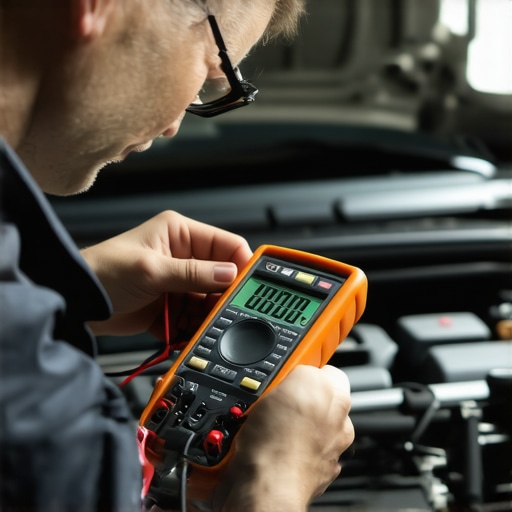
Beyond mechanical vacuum leaks, the electrical stability of your vehicle plays a silent but pivotal role in maintaining engine combustion during deceleration. When you press the brake pedal, you are not just engaging hydraulic pads; you are also activating high-intensity brake lights and, in many modern vehicles, triggering an increase in alternator field current to prepare for an idle state. If your charging system is compromised, this sudden electrical draw can cause a momentary dip in system voltage. Since the Powertrain Control Module (PCM) relies on a steady 12-14 volts to fire injectors and ignition coils with precision, a millisecond of ‘brownout’ can lead to an immediate stall. Learning the simple way to tell if your alternator is toast without a mechanic is a vital skill for troubleshooting these phantom electrical issues that only manifest during the transition to a stop.
Why Low Voltage Sabotages the PCM During Sudden Stops
In addition to the alternator’s performance, the physical integrity of your electrical connections dictates how well the PCM handles transient loads. A loose or corroded battery terminal increases circuit resistance, which is magnified during the high-load conditions of deceleration. This can cause the engine’s computer to reset or enter a ‘limp’ state just as the RPMs are falling. Checking for the 2-fix for a loose battery cable can often solve what appears to be a major mechanical failure. If the voltage dips below a critical threshold, the ignition coils may fail to produce a spark strong enough to jump the plug gap under the changing cylinder pressures of a closed throttle.
Could Your Variable Valve Timing Solenoids Be Fighting the Brakes?
Variable Valve Timing (VVT) is a marvel of modern engineering that allows an engine to be both efficient and powerful, but it relies heavily on oil pressure to physically move the camshafts. As you decelerate, the VVT solenoids must quickly ‘park’ the camshafts in their default state to allow for a smooth idle. If the engine oil is too thick, or if the solenoids are partially clogged with carbon sludge, the camshaft may stay in an advanced position suitable for highway speeds but completely incompatible with low-RPM operation. This mechanical ‘hang’ causes the engine to chug and die the moment you come to a standstill. Maintaining proper oil viscosity is the best defense against this, and many owners find that why synthetic oil is cheaper than conventional in the long run becomes obvious when you avoid these costly VVT-related stalling repairs.
Why Weak Ignition Coils Surrender Under Low-Vacuum Conditions
As the engine transitions from a high-load cruising state to a low-RPM idle, the resistance within the combustion chamber changes dramatically. If an ignition coil is nearing the end of its functional life, it may be able to bridge the spark gap when the engine is spinning fast, but fail to maintain a consistent arc as the RPMs drop during braking. This is particularly true if the spark plug gap has widened over time, forcing the coil to work harder to overcome the increased resistance. You can often diagnose a bad ignition coil by monitoring for subtle misfires that only appear when the engine is under the combined stress of braking and low idle speeds.
Stop the Mystery Stalling with Fuel Delivery Analysis
Sometimes the issue isn’t what is coming into the engine, but how it is being delivered during a change in momentum. Fuel in the tank is subject to the laws of inertia; when you brake hard, the fuel sloshes to the front of the tank. If the fuel pump’s internal check valve is failing, or if the pump’s ‘sock’ filter is partially obstructed, this shift can cause a momentary drop in fuel rail pressure. According to technical documentation from Bosch Mobility, maintaining consistent fuel pressure during these transient load shifts is critical for the stability of Gasoline Direct Injection (GDI) systems, as even a minor pressure drop can destabilize the stratified charge. You can perform the 2-minute test for a failing fuel pump to see if your delivery system is struggling under the stress of deceleration. If you’re tired of your engine cutting out at every intersection, explore the hidden world of vehicle diagnostics to get your car back to peak performance.
Stop Chasing Ghosts by Cleaning Your MAF Sensor
While the IAC valve and throttle body are the usual suspects, the Mass Air Flow (MAF) sensor is the primary informant for the engine’s fueling strategy. During deceleration, the air rushing past the sensor drops significantly. If the hot wire or film inside the sensor is contaminated with microscopic dust or oil from a high-flow filter, it cannot accurately report this rapid change in air density to the PCM. This lag causes the computer to inject an incorrect amount of fuel for the current air volume, leading to a ‘lean stumble’ or a total stall. According to technical bulletins from Delphi Technologies, even a small deviation in MAF frequency can trigger stalling issues in high-compression engines that rely on ultra-precise air-to-fuel ratios during transitional states.
Can a Faulty EVAP Purge Valve Force an Engine to Quit?
The Evaporative Emission (EVAP) system is designed to trap gasoline vapors and route them into the engine to be burned. This process is controlled by a purge valve that typically opens during cruising. However, if the valve becomes mechanically stuck in the open position, it creates a direct vacuum leak into the intake manifold. When you brake, the engine is already struggling to maintain its idle RPM; the addition of unmetered fuel vapors and air from the charcoal canister can flood the combustion chamber or lean it out, depending on the canister’s current load. This ‘slug’ of vapor is often the reason a car stalls specifically after a long drive when the canister is saturated.
Check Your Transmission Fluid Level Before Tearing Down the Engine
It sounds rudimentary, but low transmission fluid is a frequent, overlooked cause of stalling during hard stops. Modern automatic transmissions use hydraulic pressure to manage the internal clutches. If the fluid level is low, the sudden forward shift of the fluid during braking can starve the pump momentarily. This drop in pressure can cause the internal clutches to bind or fail to release the torque converter lock-up, effectively ‘choking’ the engine to death. If you find your fluid is dark or smells burnt, you should immediately look into a professional car service to prevent permanent damage to the planetary gear sets. Our team can help you identify these nuances; reach out for a diagnostic consultation to pinpoint the exact failure point.
Why Adaptive Shift Logic Might Need a Master Reset
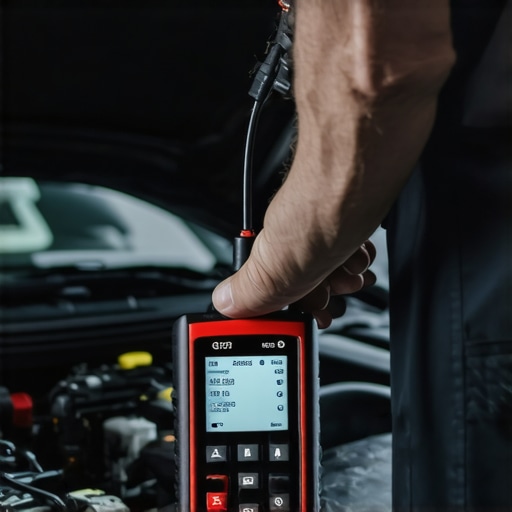
Modern vehicles ‘learn’ your driving habits and adjust the transmission shift points accordingly. If you have recently changed your driving environment—such as moving from flat highways to a hilly city—the adaptive memory may be trying to apply shift patterns that are no longer appropriate for the current load. This can result in the transmission staying in a higher gear for too long as you slow down, dragging the engine RPMs down until it stalls. Using a professional-grade scan tool to perform a ‘keep-alive memory’ (KAM) reset can often clear these learned behaviors and restore the factory-spec idle stability.
Address the Harmonic Balancer Before It Destroys Your Crank Sensor
A failing harmonic balancer is an advanced mechanical issue that mimics sensor failure. The balancer’s role is to dampen the vibrations of the crankshaft. If the rubber insulating ring degrades, the outer ring can slip or wobble. During the rapid torque change of deceleration, this wobble becomes pronounced enough to disrupt the signal to the Crankshaft Position (CKP) sensor. When the PCM loses the ‘pulse’ of the engine for even a fraction of a second, it cuts fuel and spark as a safety measure. Inspecting the balancer for cracks or run-out is a mandatory step in vehicle diagnostics when common sensors show no fault codes but the stalling persists.
Beyond the mechanical and sensor-driven failures previously discussed, the integrity of the vehicle’s electrical ground path often dictates whether an engine survives a sudden deceleration event. As you apply the brakes, the ABS module and electronic stability control systems engage, drawing significant amperage. If the engine-to-chassis ground straps are frayed or corroded, this surge creates electrical noise that can interfere with the low-voltage signals from the Crankshaft Position Sensor. This interference effectively blinds the PCM for a fraction of a second, leading to an immediate shutdown. High-level vehicle diagnostics often involve using an oscilloscope to visualize these grounding spikes that a standard multimeter might miss during a routine car service.

Could a Clogged Exhaust Suffocate the Engine Before You Stop?
Backpressure is a silent killer in the world of high-mileage engines. While a partially clogged catalytic converter might allow for highway speeds, it creates a stacking effect in the exhaust manifold during the transition to idle. When the throttle plate snaps shut during braking, the engine’s ability to exhale is severely compromised. The remaining inert exhaust gases dilute the incoming air-to-fuel mixture to the point where combustion is no longer sustainable. If you notice a loss of power followed by stalling at stoplights, checking for exhaust backpressure with a specialized gauge is a critical step in a thorough auto repair plan.
Reflashing the PCM to Fix Ghost-in-the-Machine Stalls
In many cases, the hardware is perfectly functional, but the software controlling it has reached its logical limit. Manufacturers frequently release Technical Service Bulletins (TSBs) that involve reflashing the PCM with updated fuel-mapping algorithms to handle real-world fuel quality or aging components. According to the National Highway Traffic Safety Administration (NHTSA), checking for open recalls and manufacturer-specific software updates is a foundational part of modern troubleshooting. These updates often adjust the sensitivity of the deceleration fuel cut-off (DFCO) parameters, preventing the RPMs from dipping too low before the injectors re-fire, effectively curing many persistent transmission-related stalling complaints.
The Subtle Danger of a Stuck-Open PCV Valve
The Positive Crankcase Ventilation (PCV) system is designed to recycle blow-by gases, but it also acts as a controlled vacuum leak. If the PCV valve sticks in the open position due to oil sludge, it allows an excessive amount of crankcase air into the intake manifold. During high-vacuum events—like when you lift your foot off the gas to brake—this excess air leans out the mixture significantly. Because this air bypasses the throttle body, the PCM struggles to compensate, often leading to a rough idle or a complete stall. Ensuring this small component is replaced during regular maintenance is one of the simplest ways to maintain engine stability and avoid expensive vehicle diagnostics later. If your vehicle continues to behave unpredictably despite basic parts replacement, it’s time to stop the guesswork. Book a professional diagnostic session with our master technicians to identify the exact electronic or mechanical ghost haunting your drivetrain.
Expert Insights & Advanced Considerations
Watch Out for the ‘Lazy’ Valve Response
Many technicians misdiagnose stalling because they look for components that have failed completely. In reality, stalling during a stop is often caused by a ‘lazy’ component—a part that still functions but lacks the response speed required for high-frequency adjustments. For instance, a throttle body might pass a static test but fail to snap into position fast enough during a hard stop. Incorporating expert auto repair tips for 2025 into your diagnostic routine can help you identify these latency issues before they lead to a full breakdown.
Why Direct Injection Changes the Deceleration Game
Gasoline Direct Injection (GDI) engines operate under significantly higher pressures and tighter tolerances than traditional port-injection systems. During deceleration, the fuel cutoff must be timed perfectly with the re-engagement of the injectors at the ‘recovery’ RPM. If carbon buildup on intake valves—a common GDI plague—disturbs the airflow even slightly, the recovery fails and the engine dies. This is why a premium car service is non-negotiable for modern high-efficiency powerplants to maintain the stratified charge stability needed for low-idle transitions.
Don’t Ignore the Parasitic Drag of Accessories
It is easy to blame the transmission, but sometimes the culprit is external. An A/C compressor that is beginning to seize or an over-tightened serpentine belt can provide enough parasitic drag to stall an engine that is already struggling to maintain a low idle. Before diving into complex electronic troubleshooting, performing a simple 5-minute fuse check or belt inspection can rule out simple mechanical resistance that mimics sensor failure. #IMAGE_PLACEHOLDER_E#
Curated Expert Resources
1. ASE Certification Prep Materials: These documents offer the gold standard for understanding drivetrain dynamics and are essential for anyone serious about mastering vehicle diagnostics. 2. The iATN Knowledge Base: A peer-reviewed network where master technicians share real-world ‘fix’ data on rare stalling cases that don’t always follow the standard shop manual. 3. Delphi Technologies Technical Bulletins: Exceptional for staying updated on sensor sensitivity issues and TSBs related to fuel delivery systems in European and Domestic models. 4. Official Manufacturer Service Portals: Always check for software patches; often, a stall is a digital ‘bug’ that requires a code update rather than a physical wrench.
Final Expert Perspective
Solving an engine stall that occurs specifically during deceleration requires looking beyond individual parts and seeing the vehicle as a synchronized ecosystem of vacuum, voltage, and hydraulic pressure. Whether the issue lies in a sticking torque converter or a contaminated sensor, the key to a lasting fix is a systematic approach to vehicle diagnostics that accounts for transient loads. Don’t let a minor vacuum leak turn into a major safety hazard. If you are struggling with intermittent stalling and need a definitive answer, we invite you to contact us to schedule a deep-dive analysis into your car’s performance health and restore your peace of mind on the road.