Engine pinging, scientifically categorized as detonation or spark knock, represents a critical failure in combustion synchronization that can lead to catastrophic internal damage. As an automotive professional with years of field experience, I’ve seen how this seemingly minor metallic rattle can quickly escalate into cracked piston rings or blown head gaskets. When an engine pings under load, it is experiencing a condition where the air-fuel mixture ignites spontaneously outside the controlled flame front. This creates a high-pressure shockwave that hammers internal components. Effective vehicle diagnostics are essential to differentiate between simple fuel grade discrepancies and deep-seated mechanical failures. Understanding the hidden world of vehicle diagnostics is the first step toward preserving the structural integrity of your high-compression engine.
Carbon Deposits Create Thermal Hot Spots That Trigger Pre-Ignition
One of the most persistent causes of engine pinging is the accumulation of carbon on piston crowns and combustion chamber surfaces. Over time, these deposits become heat sinks, glowing red-hot during operation. These hot spots act like unintended spark plugs, igniting the fuel-air charge before the actual ignition cycle begins. This is particularly prevalent in modern direct-injection engines where fuel does not wash over the intake valves. If your vehicle is struggling with inconsistent power delivery alongside the noise, learning how to diagnose a misfire without a code reader can help you isolate which cylinders are suffering from thermal instability.
Octane Ratings Protect Against Uncontrolled Combustion Waves
The octane rating of your fuel is not a measure of energy content, but rather a metric of the fuel’s resistance to detonation. According to technical standards from the Society of Automotive Engineers (SAE), higher octane levels are mandatory for engines with high static or dynamic compression ratios. When the ECU (Engine Control Unit) detects pinging via the knock sensor, it will retard ignition timing to protect the hardware, which often results in a noticeable loss of torque and fuel efficiency. This drop in performance is frequently linked to the one sensor that ruins your gas mileage by providing skewed data to the computer, forcing the engine into a suboptimal operating state.
Is Your Cooling System Secretly Contributing to Engine Knock?
While many technicians focus solely on fuel delivery, the efficiency of the cooling system is a major factor in preventing detonation. If the cylinder head temperature exceeds specific thresholds, even by a few degrees, the air-fuel mixture becomes exponentially more volatile. Localized overheating—often caused by internal scaling or a failing water pump—creates the perfect environment for spark knock. If you are noticing these symptoms during heavy acceleration or while towing, it is vital to have a professional car service technician inspect the thermal baseline of your engine. Are you worried that your engine’s current behavior might be masking other issues? Check out our guide on transmission failures decoded to ensure your entire powertrain is functioning in harmony.
When the cooling system fails to manage these thermal peaks, the engine relies heavily on its electronic fail-safes.
The Knock Sensor Acts as a Microphonic Guardian for Your Pistons
Modern engines are equipped with piezo-electric knock sensors that listen for the specific frequency of detonation. This sensor transmits a voltage signal to the Engine Control Unit (ECU), which then initiates a timing retard to stabilize combustion. However, if this sensor is faulty, the engine may continue to hammer away at its internal components without any electronic intervention. Sometimes, a faulty sensor won’t even trip a traditional trouble code immediately, making the 20 scan tool that does more than the dealership rig an invaluable asset for real-time data monitoring. If you’ve recently performed a repair and the noise persists, it’s worth investigating why your check engine light stays on after you fixed the problem to see if the computer is still compensating for old data.
Stop the Heat Before Lean Mixtures Scorch Your Engine
A lean condition—where there is too much air and not enough fuel—is a primary catalyst for pre-ignition. This imbalance causes the fuel to burn significantly hotter and faster than intended. Often, the culprit is a sneaky intake leak. You don’t always need expensive equipment to find these; in fact, the 15 way to find a vacuum leak without a smoke machine is often the most efficient starting point for a DIY enthusiast. These leaks introduce unmetered air that bypasses the mass airflow sensor, tricking the ECU into providing a leaner mixture than the current load requires.
Could a Faulty EGR Valve Be the Real Reason Your Engine Rattles Under Load?
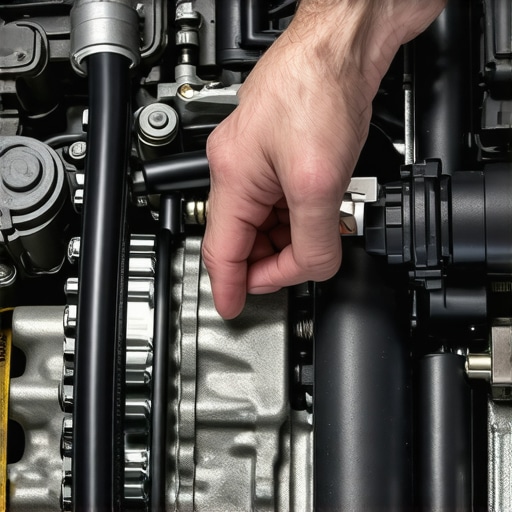
The Exhaust Gas Recirculation (EGR) system is often misunderstood as merely an emissions component, but its role in temperature regulation is vital. By reintroducing a small, controlled amount of inert exhaust gas into the combustion chamber, the system lowers the peak combustion temperature. According to the Environmental Protection Agency (EPA), this process is essential for inhibiting the formation of nitrogen oxides (NOx) and preventing the conditions that lead to spark knock. If the EGR valve is clogged or the passages are restricted by carbon, the cooling effect is lost, and the engine will likely ping during part-throttle acceleration. If you are noticing this specific symptom, it may be time to consult our list of top auto repair techniques every car owner should know to better understand how these systems interact.
Identify Detonation vs. Simple Valvetrain Noise
It is easy to mistake a noisy lifter or a loose heat shield for engine pinging. True spark knock typically occurs under specific conditions: going uphill, heavy acceleration, or when the engine is at full operating temperature. In contrast, mechanical ticks usually follow engine RPM regardless of the load. If your car’s performance feels sluggish or noisy, contact us to schedule a deep-dive diagnostic session before a small rattle becomes a big repair bill. Navigating these nuances requires a sharp ear and a systematic approach to engine health.
Does Your Spark Plug Heat Range Match Your Driving Habits?
While many enthusiasts focus on the spark plug gap, the heat range of the plug itself is a far more critical factor in managing combustion stability. A spark plug’s heat range is a measure of how quickly it can dissipate heat from its firing tip into the cylinder head. If the insulator nose is too long for the engine’s current operating temperature, it will retain too much heat and become a source of pre-ignition. As highlighted in technical bulletins from NGK Spark Plugs, the ability of a plug to transfer heat from the firing tip to the cooling system is paramount; a plug that stays too hot can act as a literal glowing coal in the chamber. For those pushing their vehicles with aftermarket tuning or heavy towing, upgrading to a ‘colder’ plug is a common strategy to widen the margin of safety against uncontrolled detonation.
How Heat-Soaked Intake Manifolds Sabotage Performance
The temperature of the air entering your cylinders has a direct correlation with the likelihood of engine knock. Modern vehicles utilize Intake Air Temperature (IAT) sensors to help the ECU adjust timing, but when a vehicle is sitting in traffic or operating under heavy load, the intake manifold can experience ‘heat soak.’ This significantly increases the temperature of the incoming air charge, making the air-fuel mixture more volatile. An overheated intake air charge requires less energy to ignite, often leading to pinging before the piston reaches its optimal position. Understanding these thermal dynamics is a key component of vehicle diagnostics. If you find your car runs beautifully in the morning but rattles by afternoon, your cooling efficiency or air intake placement may be the culprit.
Can a Clogged Fuel Filter Actually Cause My Engine to Knock?
Many drivers are surprised to learn that a restriction in the fuel system—such as a partially clogged fuel filter or a weary fuel pump—is a frequent cause of engine pinging under load. When you depress the accelerator, the engine requires a precise surge in fuel volume to maintain the correct stoichiometric ratio. If the fuel supply cannot keep up with the demand, the mixture leans out instantly. This lean condition spikes combustion temperatures to dangerous levels. If you’ve been putting off your scheduled car service, a simple fuel pressure test might reveal why your engine is protesting during highway merges. Ensuring your fuel delivery system is robust is a foundational step in mastering top auto repair techniques every car owner should know.
Spotting the ‘Pepper’ Sign Before Your Pistons Melt
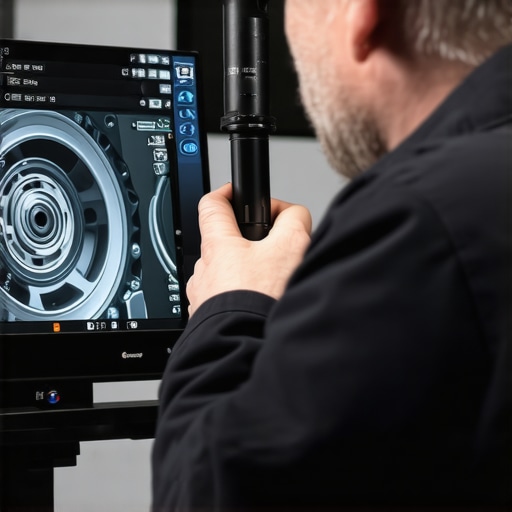
In cases of severe, ongoing detonation, the physical evidence is often hidden on the surface of the pistons. High-end technicians use borescopes to inspect the piston crowns for what we call ‘pepper’—tiny black or silver specks that look like someone sprinkled ground pepper across the metal. These specks are actually microscopic fragments of the piston itself or the cylinder wall, blasted loose by the violent shockwaves of detonation. This is a clear warning that the structural integrity of the engine is at imminent risk. If you are seeing these signs, it is time to move beyond basic troubleshooting and consider whether your ignition mapping is too aggressive or if you are dealing with a significant internal mechanical failure. Keeping a close eye on these nuances is what separates a routine oil change from professional-grade engine management.
The “pepper” signs on the piston crowns are the final warning before catastrophic failure, but the root cause might lie deeper within the mechanical synchronization of the engine than a simple bad batch of fuel. As we peel back the layers of high-level engine management, we must address how subtle physical wear and chemical interactions create the perfect storm for detonation.
When Timing Chain Stretch Mimics Ignition Failure
Mechanical wear in the timing assembly can introduce subtle variances in valve overlap that contribute significantly to engine pinging. If the timing chain has stretched—even by a few millimeters—the camshafts no longer align perfectly with the crankshaft. This deviation alters the effective compression ratio at specific RPM ranges, often leading to a “phantom” knock that persists regardless of fuel quality. Identifying this requires more than just a scan tool; it demands a physical verification of timing marks or a phase-angle analysis through a high-end diagnostic interface. For those struggling with persistent noise after replacing sensors, it is worth checking if your vehicle diagnostics approach has accounted for mechanical slack by reviewing the hidden world of vehicle diagnostics.
Why Modern Turbos Explode Without Warning
In the era of engine downsizing, Low Speed Pre-Ignition (LSPI) has emerged as a silent engine killer for turbocharged direct-injection (TGDI) powerplants. Unlike standard engine pinging, LSPI occurs at low speeds and high loads—such as accelerating away from a stoplight in a high gear. The pressure spikes generated by LSPI are far more violent than typical spark knock, often resulting in instantaneous piston failure or snapped connecting rods. This phenomenon is frequently linked to the chemistry of the engine oil itself. Research by the American Petroleum Institute (API) has shown that certain detergent additives, specifically those high in calcium, can promote LSPI by creating reactive droplets in the combustion chamber that ignite prematurely. #IMAGE_PLACE_HOLDER_D#
Can the Wrong Motor Oil Choice Actually Shatter Your Pistons?
The industry-wide transition to API SP and ILSAC GF-6 oil standards was largely driven by the urgent need to combat the devastating effects of LSPI. These newer formulations replace a portion of calcium detergents with magnesium-based alternatives, which significantly reduce the propensity for pre-ignition during high-load events. If you are operating a modern small-displacement turbo engine, using an outdated oil specification is a gamble with your internal hardware. A professional car service should always involve verifying that the lubricant used meets the specific LSPI-protection requirements of your manufacturer. Failure to do so can lead to structural damage that no amount of premium fuel can prevent. If you want to dive deeper into component protection, see our guide on top auto repair techniques every car owner should know.
Decode Complex Knock Signals Using Laboratory-Grade Oscilloscopes
When the ECU’s internal logic fails to provide a clear answer, master technicians turn to the digital storage oscilloscope (DSO). By probing the knock sensor signal directly, we can visualize the raw acoustic signature of the engine. This allows us to distinguish between “true knock”—the sharp, jagged peak of detonation—and “false knock,” which is often mechanical noise from a loose alternator bracket or worn rod bearings. Advanced signal analysis can reveal noise that the ECU filter might be ignoring, such as a worn water pump bearing vibrating at a frequency that mimics detonation. This surgical precision is essential for high-performance tuning and long-term reliability. Master your engine’s health by diving deeper into our specialized diagnostic guides and ensure your vehicle stays on the road for the long haul.
Engine pinging, scientifically categorized as detonation or spark knock, represents a critical failure in combustion synchronization that can lead to catastrophic internal damage. As an automotive professional with years of field experience, I’ve seen how this seemingly minor metallic rattle can quickly escalate into cracked piston rings or blown head gaskets. When an engine pings under load, it is experiencing a condition where the air-fuel mixture ignites spontaneously outside the controlled flame front. This creates a high-pressure shockwave that hammers internal components. Effective vehicle diagnostics are essential to differentiate between simple fuel grade discrepancies and deep-seated mechanical failures. Understanding the hidden world of vehicle diagnostics is the first step toward preserving the structural integrity of your high-compression engine.
Carbon Deposits Create Thermal Hot Spots That Trigger Pre-Ignition
One of the most persistent causes of engine pinging is the accumulation of carbon on piston crowns and combustion chamber surfaces. Over time, these deposits become heat sinks, glowing red-hot during operation. These hot spots act like unintended spark plugs, igniting the fuel-air charge before the actual ignition cycle begins. This is particularly prevalent in modern direct-injection engines where fuel does not wash over the intake valves. If your vehicle is struggling with inconsistent power delivery alongside the noise, learning how to diagnose a misfire without a code reader can help you isolate which cylinders are suffering from thermal instability.
Octane Ratings Protect Against Uncontrolled Combustion Waves
The octane rating of your fuel is not a measure of energy content, but rather a metric of the fuel’s resistance to detonation. According to technical standards from the Society of Automotive Engineers (SAE), higher octane levels are mandatory for engines with high static or dynamic compression ratios. When the ECU (Engine Control Unit) detects pinging via the knock sensor, it will retard ignition timing to protect the hardware, which often results in a noticeable loss of torque and fuel efficiency. This drop in performance is frequently linked to the one sensor that ruins your gas mileage by providing skewed data to the computer, forcing the engine into a suboptimal operating state.
Is Your Cooling System Secretly Contributing to Engine Knock?
While many technicians focus solely on fuel delivery, the efficiency of the cooling system is a major factor in preventing detonation. If the cylinder head temperature exceeds specific thresholds, even by a few degrees, the air-fuel mixture becomes exponentially more volatile. Localized overheating—often caused by internal scaling or a failing water pump—creates the perfect environment for spark knock. If you are noticing these symptoms during heavy acceleration or while towing, it is vital to have a professional car service technician inspect the thermal baseline of your engine. Are you worried that your engine’s current behavior might be masking other issues? Check out our guide on transmission failures decoded to ensure your entire powertrain is functioning in harmony.
When the cooling system fails to manage these thermal peaks, the engine relies heavily on its electronic fail-safes.
The Knock Sensor Acts as a Microphonic Guardian for Your Pistons
Modern engines are equipped with piezo-electric knock sensors that listen for the specific frequency of detonation. This sensor transmits a voltage signal to the Engine Control Unit (ECU), which then initiates a timing retard to stabilize combustion. However, if this sensor is faulty, the engine may continue to hammer away at its internal components without any electronic intervention. Sometimes, a faulty sensor won’t even trip a traditional trouble code immediately, making the 20 scan tool that does more than the dealership rig an invaluable asset for real-time data monitoring. If you’ve recently performed a repair and the noise persists, it’s worth investigating why your check engine light stays on after you fixed the problem to see if the computer is still compensating for old data.
Stop the Heat Before Lean Mixtures Scorch Your Engine
A lean condition—where there is too much air and not enough fuel—is a primary catalyst for pre-ignition. This imbalance causes the fuel to burn significantly hotter and faster than intended. Often, the culprit is a sneaky intake leak. You don’t always need expensive equipment to find these; in fact, the 15 way to find a vacuum leak without a smoke machine is often the most efficient starting point for a DIY enthusiast. These leaks introduce unmetered air that bypasses the mass airflow sensor, tricking the ECU into providing a leaner mixture than the current load requires.
Could a Faulty EGR Valve Be the Real Reason Your Engine Rattles Under Load?
The Exhaust Gas Recirculation (EGR) system is often misunderstood as merely an emissions component, but its role in temperature regulation is vital. By reintroducing a small, controlled amount of inert exhaust gas into the combustion chamber, the system lowers the peak combustion temperature. According to the Environmental Protection Agency (EPA), this process is essential for inhibiting the formation of nitrogen oxides (NOx) and preventing the conditions that lead to spark knock. If the EGR valve is clogged or the passages are restricted by carbon, the cooling effect is lost, and the engine will likely ping during part-throttle acceleration. If you are noticing this specific symptom, it may be time to consult our list of top auto repair techniques every car owner should know to better understand how these systems interact.
Identify Detonation vs. Simple Valvetrain Noise
It is easy to mistake a noisy lifter or a loose heat shield for engine pinging. True spark knock typically occurs under specific conditions: going uphill, heavy acceleration, or when the engine is at full operating temperature. In contrast, mechanical ticks usually follow engine RPM regardless of the load. If your car’s performance feels sluggish or noisy, contact us to schedule a deep-dive diagnostic session before a small rattle becomes a big repair bill. Navigating these nuances requires a sharp ear and a systematic approach to engine health.
Does Your Spark Plug Heat Range Match Your Driving Habits?
While many enthusiasts focus on the spark plug gap, the heat range of the plug itself is a far more critical factor in managing combustion stability. A spark plug’s heat range is a measure of how quickly it can dissipate heat from its firing tip into the cylinder head. If the insulator nose is too long for the engine’s current operating temperature, it will retain too much heat and become a source of pre-ignition. As highlighted in technical bulletins from NGK Spark Plugs, the ability of a plug to transfer heat from the firing tip to the cooling system is paramount; a plug that stays too hot can act as a literal glowing coal in the chamber. For those pushing their vehicles with aftermarket tuning or heavy towing, upgrading to a ‘colder’ plug is a common strategy to widen the margin of safety against uncontrolled detonation.
How Heat-Soaked Intake Manifolds Sabotage Performance
The temperature of the air entering your cylinders has a direct correlation with the likelihood of engine knock. Modern vehicles utilize Intake Air Temperature (IAT) sensors to help the ECU adjust timing, but when a vehicle is sitting in traffic or operating under heavy load, the intake manifold can experience ‘heat soak.’ This significantly increases the temperature of the incoming air charge, making the air-fuel mixture more volatile. An overheated intake air charge requires less energy to ignite, often leading to pinging before the piston reaches its optimal position. Understanding these thermal dynamics is a key component of vehicle diagnostics. If you find your car runs beautifully in the morning but rattles by afternoon, your cooling efficiency or air intake placement may be the culprit.
Can a Clogged Fuel Filter Actually Cause My Engine to Knock?
Many drivers are surprised to learn that a restriction in the fuel system—such as a partially clogged fuel filter or a weary fuel pump—is a frequent cause of engine pinging under load. When you depress the accelerator, the engine requires a precise surge in fuel volume to maintain the correct stoichiometric ratio. If the fuel supply cannot keep up with the demand, the mixture leans out instantly. This lean condition spikes combustion temperatures to dangerous levels. If you’ve been putting off your scheduled car service, a simple fuel pressure test might reveal why your engine is protesting during highway merges. Ensuring your fuel delivery system is robust is a foundational step in mastering top auto repair techniques every car owner should know.
Spotting the ‘Pepper’ Sign Before Your Pistons Melt
In cases of severe, ongoing detonation, the physical evidence is often hidden on the surface of the pistons. High-end technicians use borescopes to inspect the piston crowns for what we call ‘pepper’—tiny black or silver specks that look like someone sprinkled ground pepper across the metal. These specks are actually microscopic fragments of the piston itself or the cylinder wall, blasted loose by the violent shockwaves of detonation. This is a clear warning that the structural integrity of the engine is at imminent risk. If you are seeing these signs, it is time to move beyond basic troubleshooting and consider whether your ignition mapping is too aggressive or if you are dealing with a significant internal mechanical failure. Keeping a close eye on these nuances is what separates a routine oil change from professional-grade engine management.
The “pepper” signs on the piston crowns are the final warning before catastrophic failure, but the root cause might lie deeper within the mechanical synchronization of the engine than a simple bad batch of fuel. As we peel back the layers of high-level engine management, we must address how subtle physical wear and chemical interactions create the perfect storm for detonation.
When Timing Chain Stretch Mimics Ignition Failure
Mechanical wear in the timing assembly can introduce subtle variances in valve overlap that contribute significantly to engine pinging. If the timing chain has stretched—even by a few millimeters—the camshafts no longer align perfectly with the crankshaft. This deviation alters the effective compression ratio at specific RPM ranges, often leading to a “phantom” knock that persists regardless of fuel quality. Identifying this requires more than just a scan tool; it demands a physical verification of timing marks or a phase-angle analysis through a high-end diagnostic interface. For those struggling with persistent noise after replacing sensors, it is worth checking if your vehicle diagnostics approach has accounted for mechanical slack by reviewing the hidden world of vehicle diagnostics.
Why Modern Turbos Explode Without Warning
In the era of engine downsizing, Low Speed Pre-Ignition (LSPI) has emerged as a silent engine killer for turbocharged direct-injection (TGDI) powerplants. Unlike standard engine pinging, LSPI occurs at low speeds and high loads—such as accelerating away from a stoplight in a high gear. The pressure spikes generated by LSPI are far more violent than typical spark knock, often resulting in instantaneous piston failure or snapped connecting rods. This phenomenon is frequently linked to the chemistry of the engine oil itself. Research by the American Petroleum Institute (API) has shown that certain detergent additives, specifically those high in calcium, can promote LSPI by creating reactive droplets in the combustion chamber that ignite prematurely.

Can the Wrong Motor Oil Choice Actually Shatter Your Pistons?
The industry-wide transition to API SP and ILSAC GF-6 oil standards was largely driven by the urgent need to combat the devastating effects of LSPI. These newer formulations replace a portion of calcium detergents with magnesium-based alternatives, which significantly reduce the propensity for pre-ignition during high-load events. If you are operating a modern small-displacement turbo engine, using an outdated oil specification is a gamble with your internal hardware. A professional car service should always involve verifying that the lubricant used meets the specific LSPI-protection requirements of your manufacturer. Failure to do so can lead to structural damage that no amount of premium fuel can prevent. If you want to dive deeper into component protection, see our guide on top auto repair techniques every car owner should know.
Decode Complex Knock Signals Using Laboratory-Grade Oscilloscopes
When the ECU’s internal logic fails to provide a clear answer, master technicians turn to the digital storage oscilloscope (DSO). By probing the knock sensor signal directly, we can visualize the raw acoustic signature of the engine. This allows us to distinguish between “true knock”—the sharp, jagged peak of detonation—and “false knock,” which is often mechanical noise from a loose alternator bracket or worn rod bearings. Advanced signal analysis can reveal noise that the ECU filter might be ignoring, such as a worn water pump bearing vibrating at a frequency that mimics detonation. This surgical precision is essential for high-performance tuning and long-term reliability. Master your engine’s health by diving deeper into our specialized diagnostic guides and ensure your vehicle stays on the road for the long haul.
Expert Insights & Advanced Considerations
Dynamic Cylinder Pressure Outweighs Static Ratios
While many technicians focus on the advertised compression ratio of an engine, the dynamic cylinder pressure—influenced by intake valve closing timing—is what truly dictates the detonation threshold. If you have modified your camshafts or adjusted the variable valve timing (VVT) without recalibrating the ECU, you may be creating localized pressure spikes that trigger engine pinging regardless of your fuel octane. Professional vehicle diagnostics should always include a look at phase-angle deviations during high-load transitions.
Thermal Inertia in Lightweight Alloys
Modern aluminum cylinder heads dissipate heat rapidly but also possess low thermal inertia, meaning they can experience localized ‘hot spotting’ in seconds if the coolant flow is laminar rather than turbulent. If you are noticing persistent knock under load, ensure your water pump isn’t suffering from impeller cavitation, which reduces the scrubbing action needed to pull heat away from the exhaust valve seats. This is a common oversight during a standard car service that can lead to long-term head distortion.
The Interaction Between Ethanol and Ignition Advance
High-ethanol blends like E85 offer incredible cooling properties and high octane, but they require significantly higher volume. If your fuel trims are maxed out, the resulting lean condition will offset any octane benefit, leading to rapid detonation. To ensure your engine’s safety, you should also be aware of how to spot an internal oil leak before the resulting carbon buildup ruins your high-octane tuning strategy.
Curated Expert Resources
SAE International Technical Papers
For those seeking the mathematical foundations of flame propagation and the physics of the ‘knock’ phenomenon, the SAE library is the gold standard. Their peer-reviewed research provides the specific pressure-wave data used by manufacturers to design current knock-suppression algorithms.
The PicoScope Automotive Library
This resource offers a deep dive into using digital storage oscilloscopes to isolate mechanical noise from electronic knock sensor signals. It is an essential destination for anyone looking to master high-level vehicle diagnostics and avoid the ‘parts cannon’ approach to repair.
API Oil Standards Database
The American Petroleum Institute provides technical breakdowns of the API SP and GF-6 specifications. Understanding these standards is critical for protecting turbocharged engines from the devastating effects of Low Speed Pre-Ignition (LSPI).
Final Expert Perspective
Successfully mitigating engine pinging requires a shift from superficial troubleshooting to an integrated understanding of thermal management, fuel chemistry, and mechanical synchronization. Whether it is a stretched timing assembly or the wrong calcium-heavy oil, the cause of detonation is often hidden in the fine details of the engine’s operation. By utilizing advanced vehicle diagnostics and keeping a pulse on technical updates like the ones found in our expert auto repair tips for 2025, you can prevent the ‘pepper’ signs on your pistons from becoming a total engine teardown. If you are hearing that telltale metallic rattle, do not wait for the check engine light; contact us today to schedule a professional diagnostic evaluation and secure your engine’s longevity.
“, “image”: {“imagePrompt”: “High-detail 3D render of a high-performance engine piston crown showing microscopic pitting known as ‘pepper’ from detonation damage, with glowing red-hot carbon deposits in the combustion chamber background.”, “imageTitle”: “Piston Crown Detonation Damage and Thermal Hot Spots”, “imageAlt”: “Macro view of engine piston with pepper signs and hot carbon deposits indicating severe engine pinging damage.”}, “categoryId”: 0, “postTime”: “”}