Engine seizure is the terminal diagnosis in automotive mechanics, often resulting from a catastrophic failure of the lubrication system. While external leaks are obvious to any observant owner, internal oil consumption is a far more insidious threat. This phenomenon occurs when oil bypasses critical seals and enters the combustion chamber, where it is incinerated along with the air-fuel mixture. The absence of a driveway puddle often leads to a false sense of security, yet the internal degradation of components like piston rings and valve stem seals can be well underway. Mastering the art of vehicle diagnostics requires a shift from looking for drops on the ground to analyzing the subtle chemical and mechanical signals emitted by a struggling engine.
Internal Leaks are Silent Killers That Puddles Won’t Predict
In a healthy internal combustion engine, the oiling system is a closed loop, isolated from the combustion process. However, as mechanical tolerances widen due to heat cycles and friction, oil can migrate into areas where it does not belong. This is not merely a matter of topping off the fluid; it is a symptom of structural compromise. When oil is consumed internally, it leaves behind carbon deposits that foul sensors and degrade performance. If you have ever wondered the hidden reason your engine is consuming oil without a leak, the answer often lies within the delicate interface between the piston rings and the cylinder walls. According to research published by SAE International, even microscopic deviations in ring tension can lead to significant oil blow-by, especially under high-load conditions.
Watch for the Telltale Blue Haze During Cold Starts
One of the most definitive indicators of internal oil migration is the presence of blue-tinted exhaust smoke. The timing of this smoke provides a precise diagnostic map. If you notice a puff of blue smoke immediately upon a cold start that dissipates as the engine warms, the culprit is likely worn valve stem seals. While the engine is off, gravity pulls oil down the valve guides and into the combustion chamber. Conversely, smoke that appears during hard acceleration typically points to compromised piston rings, which allow oil to be sucked upward from the crankcase. This is a critical distinction that determines the scope of necessary auto repair. Ignoring these signals can lead to situations where your engine oil looks like a chocolate milkshake due to secondary failures in the head gasket or cooling system.
Your Spark Plugs Are Diagnostic Sentinels for Oil Intrusion
For those willing to perform a more invasive check, the spark plugs offer an unfiltered history of the combustion chamber’s health. In a clean-burning engine, the electrodes should appear dry and light tan or gray. However, if the plugs are coated in a thick, oily, or ash-like substance, oil is clearly entering the cylinder. Learning how to tell if your spark plugs are fouled just by looking at them is an essential skill for any high-mileage vehicle owner. This fouling not only causes misfires and reduced fuel economy but also acts as a precursor to total catalytic converter failure, as the precious metals in the exhaust system are not designed to process burnt hydrocarbons from engine oil.
Is Your High-Mileage Engine Burning Oil or Just Breathing Poorly?
Before assuming the worst—such as a full engine rebuild—it is vital to investigate the Positive Crankcase Ventilation (PCV) system. A clogged PCV valve prevents the engine from venting internal pressure, which can force oil past seals that would otherwise be perfectly functional. This is a common point of confusion in car service intervals. If the pressure has nowhere to go, it will find the path of least resistance, often mimicking the symptoms of worn rings. If you are noticing a subtle drop in oil levels between services, it is critical to perform a comprehensive vehicle diagnostic to pinpoint the breach before internal friction causes permanent scoring. [image]
Advanced monitoring goes beyond the dipstick; it requires an analytical approach to how the engine sounds and smells during operation. A faint scent of burning oil after a long highway drive, even without smoke, suggests that oil is being atomized and consumed under pressure. Vigilance in these early stages is the only way to avoid the catastrophic mechanical lock-up known as seizing.
Why Your Oil Pressure Light is the Last Warning You Will Ever Get
Modern vehicles are equipped with a suite of sensors designed to protect the powertrain, but relying solely on the dashboard can be a fatal mistake for your engine. Most oil pressure sensors are calibrated to trigger only when pressure drops below a critical threshold—often as low as 5 to 7 PSI. By the time that red lamp illuminates, the hydrodynamic wedge of oil protecting your crankshaft and rod bearings has likely already collapsed. This leads to boundary lubrication, where metal surfaces make direct contact, generating intense localized heat. Professional vehicle diagnostics often reveal that while the sensor is functional, it simply lacks the granularity to warn you about gradual pressure decay caused by pump wear. This is exactly why you should never ignore a flickering dashboard light, even if it vanishes after a few seconds of idling.
How Often Should You Verify Your Oil Flow Beyond the Dipstick?
Checking the oil level is only half the battle; understanding its flow rate is the expert’s priority. High-mileage engines often suffer from ‘sludging,’ where oxidized oil restricts the pickup tube screen. Even if your dipstick shows a full reservoir, the engine may be starving for volume at high RPMs. According to maintenance data from the American Automobile Association (AAA), vehicles operated in extreme climates or stop-and-go traffic require more frequent oil analysis to prevent the chemical breakdown that leads to this sludge. To mitigate the early signs of hydraulic component noise, many enthusiasts use the simple trick to quiet a noisy lifter, which involves specific cleaning agents that dissolve internal varnish before it can clog critical oil galleries.
The Invisible Link Between Oil Viscosity and High-Speed Stability
As an engine approaches its thermal limit, the viscosity of the oil—its resistance to flow—becomes the only thing standing between operational success and a seized block. At high speeds, the shearing forces within the cylinders can thin out lower-grade oils, causing the protective film to fail. This is particularly dangerous when driving uphill or towing, as the increased load raises internal temperatures exponentially. If you hear a rhythmic tapping or a sharp metallic knock during these periods, pull over immediately. These are among the 3 noises your engine makes that mean you should stop driving immediately. Ignoring these auditory cues often leads to a ‘thrown rod,’ where the piston assembly physically breaks through the side of the engine block due to heat-induced expansion and seizing.

Beyond the engine itself, the health of your lubrication system directly impacts the longevity of your drivetrain. Contaminated oil can carry abrasive metal particles into the turbocharger or timing chain tensioners, leading to a cascade of mechanical failures that are far more expensive than a standard car service. If you are managing a high-mileage vehicle and want to stay ahead of these catastrophic repairs, take a look at the checklist for buying a used car with 150,000 miles to see which high-mileage safeguards you might be missing. Have you ever noticed a change in your engine’s idle sound after a long road trip? Share your experiences in the comments below; your observations might help another driver spot a failing oil pump before it is too late.
Is Your Engine Oil Working as a Coolant or a Lubricant?
In many high-performance and modern downsized turbocharged engines, the oil serves a dual purpose: it lubricates moving parts and carries away roughly 40% of the engine’s heat. If the oil is degraded, it loses its thermal conductivity, causing the piston crowns to overheat and expand beyond their tolerances. This thermal expansion is a primary cause of ‘scuffing’ on the cylinder walls, which eventually leads to a full mechanical lock-up. When this happens, the engine won’t just stall; it will stop with a violent jolt, potentially damaging the transmission input shaft or the clutch assembly. Maintaining this balance requires a rigorous approach to fluid quality and an understanding that oil is a structural component of the engine’s design, not just a consumable liquid.
Pinpoint the Breach with a Cylinder Leak-Down Test
When the dipstick reveals a disappearing act but the garage floor remains pristine, you must transition from passive observation to active intervention. A standard compression test provides a snapshot of total pressure, but a cylinder leak-down test is the surgeon’s scalpel of vehicle diagnostics. By injecting compressed air into each cylinder at Top Dead Center (TDC) and measuring the percentage of escape, you can pinpoint exactly where the seal has failed. If air hisses through the oil filler cap, your piston rings have surrendered; if it whistles through the tailpipe, an exhaust valve is burnt. This level of precision prevents the ‘parts cannon’ approach to auto repair, saving thousands by identifying if the failure is localized in the cylinder head or buried deep within the short block.
Can Switching to a Thicker Synthetic Oil Actually Stop Internal Consumption?
A common myth in the automotive community is that moving to a higher viscosity oil, such as 20W-50 in a car designed for 5W-30, will ‘plug’ internal leaks. While a thicker film can temporarily slow oil migration past worn rings, it often creates a secondary catastrophe. Modern engines rely on extremely narrow oil galleries to lubricate overhead cams and variable valve timing (VVT) solenoids. High-viscosity oil flows slower through these passages, especially during cold starts, leading to localized starvation and eventual seizure. Instead of masking the problem, consider a high-quality synthetic with specific seal-swell agents. If you are struggling with a persistent burn, check out the complete guide to car engine diagnostics to understand how modern sensors interpret oil-induced misfires.
How Turbochargers Turn Stagnant Oil into Abrasive Sludge
In the era of downsizing, the turbocharger has become a standard fixture, but it is also a primary site for lubrication failure. The bearings within a turbo spin at speeds exceeding 150,000 RPM and are cooled exclusively by the engine’s oil supply. If the engine is shut off immediately after a high-speed run, the oil remaining in the turbo’s center cartridge stops flowing while the metal is still at peak temperature. This causes ‘coking,’ a process where the oil literally bakes into solid carbon shards. These abrasive particles are then flushed back into the oil pan, where they circulate and score the main bearings. 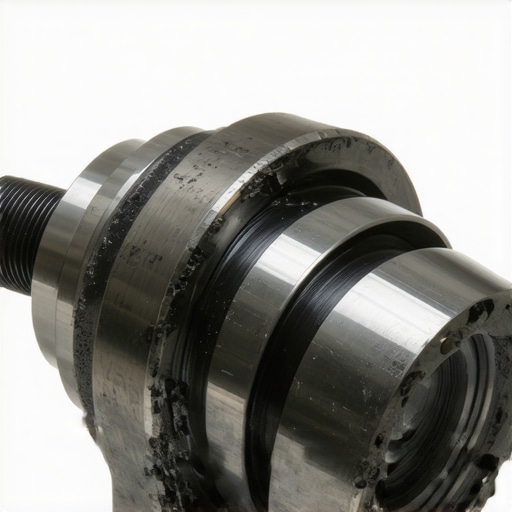 Maintaining a turbo requires more than just frequent oil changes; it requires a disciplined ‘cool-down’ period to prevent this thermal degradation from turning your engine into a ticking time bomb.
Why Bearing Shells Melt Before Your Temperature Gauge Moves
The most dangerous aspect of a failing lubrication system is that the dashboard coolant temperature gauge rarely reflects the crisis occurring at the crankshaft. Your coolant measures the temperature of the engine block and head, but the friction at the rod bearings is isolated. According to technical standards established by ASTM International in their D445 viscosity testing, once oil loses its ability to maintain a hydrodynamic wedge, the temperature at the bearing surface can spike to over 500°F in seconds. This heat is localized; it melts the soft babbitt material of the bearing shell, welding it to the crankshaft before the radiator even knows there is a problem. This is why consistent car service isn’t just about the oil itself, but about ensuring the oil pump can maintain the flow rate required to carry that heat away from the rotating assembly.
The Critical Role of Oil Filter Bypass Valves in High-Load Scenarios
Many drivers overlook the oil filter as a passive component, but it contains a vital safety feature: the bypass valve. If an oil filter becomes clogged with carbon from internal burning or sludge from a neglected PCV system, the pressure differential will force this valve open. This ensures the engine receives oil, but that oil is now completely unfiltered. If you are noticing a gritty texture on your dipstick or a sudden darkening of new oil within 500 miles, your filter may be in a constant state of bypass. This recirculates contaminants that act like liquid sandpaper on your cylinder walls. If you suspect your engine is reaching this tipping point, read more about how to diagnose a bad engine by listening for the subtle metallic ‘shushing’ sound of debris-laden oil. Have you ever cut open an old oil filter to see what is hiding inside? The debris you find can tell you more about your engine’s future than any computer scan ever could.
When traditional dipstick monitoring fails to provide the full picture, expert technicians turn to the molecular level to evaluate the integrity of the lubrication boundary. The transition from a functional engine to a seized hunk of cast iron is rarely instantaneous; it is the culmination of a thousand microscopic insults to the metal surfaces. To truly protect a high-performance or high-mileage power plant, you must look beyond the volume of fluid and examine the chemical health of the additive package that prevents direct metal-to-metal contact during high-load transients.
The High Cost of Fuel Economy: Why Low-Tension Rings Surrender Early
Modern engine design prioritizes reduced internal friction to meet stringent fuel economy standards, leading manufacturers to adopt ‘low-tension’ piston rings. While these rings reduce drag, they are far less forgiving of carbon buildup. When carbonized oil packs into the ring lands, it locks the rings in place, preventing them from expanding against the cylinder wall. This loss of ‘seal-ability’ creates a runaway feedback loop of oil consumption and increased blow-by. If you have noticed a drop in power alongside rising oil usage, your rings may be physically intact but mechanically paralyzed by varnish. This is a primary driver in modern auto repair trends where engines with less than 100,000 miles require intensive carbon cleaning to prevent terminal scoring.
Can Spectrometric Oil Analysis Predict a Seizure Before it Happens?
The most advanced tool in the diagnostic arsenal is not a wrench, but a laboratory report. Spectrometric oil analysis measures the concentration of wear metals in parts per million (PPM). A sudden spike in copper and lead levels is a definitive ‘early warning’ that your crankshaft bearings are shedding material. By the time you hear a ‘knock,’ the damage is permanent; however, an oil analysis can detect the impending failure months in advance. According to data from Blackstone Laboratories, monitoring the trend of iron and aluminum can reveal whether internal wear is a normal byproduct of aging or a symptom of a failing lubrication film. This proactive approach turns vehicle diagnostics into a predictive science, allowing you to address a failing pump before it welds the rotating assembly together.
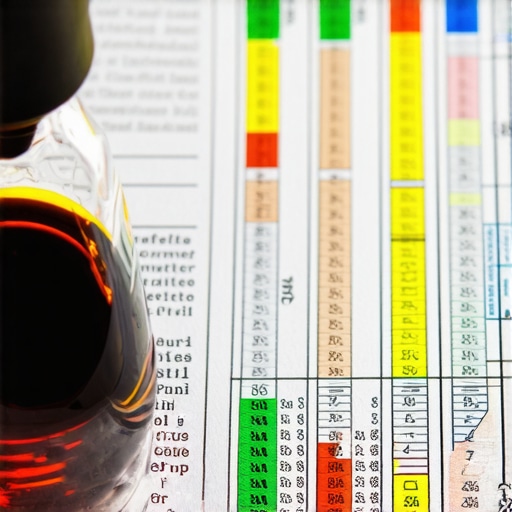
Beyond wear metals, these reports analyze the ‘Total Base Number’ (TBN), which represents the oil’s remaining alkalinity reserve. As combustion byproducts enter the oil, they form acids that corrode internal components. Once the TBN is depleted, the oil becomes acidic, aggressively attacking the very seals and bearings it is meant to protect. This chemical degradation is why a car service based strictly on mileage can be deceptive; if you drive short distances where the engine never reaches full operating temperature, your oil can become chemically exhausted long before the 5,000-mile mark.
The Chemical Warfare Inside Your Oil Pan: Ethanol Dilution and TBN Depletion
For drivers in regions where high-ethanol fuel blends are common, a new threat has emerged: fuel dilution. During cold starts, unburnt fuel can wash down the cylinder walls, diluting the oil in the crankcase. This significantly lowers the ‘flash point’ of the oil and reduces its film strength. When the oil is diluted by fuel, it can no longer maintain the hydrodynamic wedge required to keep the connecting rod bearings afloat. This is often the hidden culprit behind a ‘mysterious’ seizure on the highway. If your oil smells strongly of gasoline when you pull the dipstick, your lubrication is being compromised by chemical thinning. Understanding the complete guide to car engine diagnostics is vital for identifying these fuel-system-related lubrication failures before they lead to catastrophic mechanical lock-up.
Why Premature Oil Shearing is the Nemesis of Turbocharged Engines
Turbocharged engines subject oil to extreme ‘shear’ forces as the fluid is squeezed through high-speed bearings and narrow oil galleries. This mechanical stress can literally chop long-chain polymer molecules into shorter ones, permanently thinning the oil regardless of temperature. A 5W-30 oil can quickly degrade into a 5W-20 or thinner under these conditions. To combat this, look for oils that meet the American Petroleum Institute (API) SP standard, which includes specific tests for timing chain wear and low-speed pre-ignition (LSPI) protection. Have you noticed your engine running hotter than usual during summer commutes? It might be time to investigate if your current oil choice is shearing out of its intended viscosity grade. Share your recent oil analysis findings in the comments below; let’s discuss what those PPM numbers really mean for your engine’s longevity.
Expert Insights & Advanced Considerations
Look Beyond the Dashboard Temperature Gauge
Professional technicians recognize that the coolant needle is a lagging indicator for internal friction. While the water jacket remains stable, localized heat at the journal bearings can escalate to a melting point within seconds of a flow interruption. This disparity is why advanced vehicle diagnostics often include real-time oil temperature monitoring via OBD-II PID data, providing a more granular view of the engine’s thermal health than the stock instrument cluster ever could.
Stop Trusting Universal Viscosity Recommendations
The one-size-fits-all approach to oil selection is a frequent precursor to mechanical failure in aging blocks. As tolerances widen, the shear stability of the fluid becomes paramount. Instead of relying on the cap’s recommendation for a 150,000-mile engine, experts often pivot to oils with higher HTHS (High Temperature High Shear) ratings. This strategy ensures the lubrication film remains intact under the extreme pressures that occur just before a potential seizure.
Utilize Borescopes to See the Invisible
Internal scoring on cylinder walls is often undetectable without significant disassembly, yet it is a primary predictor of oil consumption and eventual lock-up. Using the $30 tool that lets you see inside your engine, you can inspect the cross-hatch pattern on the cylinder walls. If the cross-hatching is gone or vertical streaks are present, the countdown to a mechanical failure has already begun, regardless of how well the car currently drives. [image]
Curated Expert Resources
American Petroleum Institute (API) Service Standards: The definitive guide for understanding the chemical protection levels of modern lubricants. It helps owners distinguish between basic protection and high-stress formulations required for turbocharged engines.
SAE International Technical Papers: For those seeking the raw data on tribology and engine wear, SAE provides peer-reviewed research on how specific oil additives prevent metal-to-metal contact at a molecular level.
Blackstone Laboratories Wear Reports: An invaluable resource for learning how to diagnose a bad engine by listening and then confirming those auditory signals with physical evidence from used oil analysis.
Final Expert Perspective
Navigating the boundary between a reliable daily driver and a seized block requires a transition from reactive repairs to predictive maintenance. A comprehensive approach to vehicle diagnostics is your only shield against the silent internal degradation that leads to catastrophic failure. By monitoring oil chemistry, flow rates, and the physical condition of internal surfaces, you can ensure your powertrain outlasts the factory’s intended lifecycle. Whether you are performing a DIY inspection or choosing the right car service for seamless vehicle maintenance, remember that oil is the lifeblood of the machine—treat it as a critical mechanical component rather than an afterthought. What unique patterns have you noticed in your engine’s performance as it ages? Join the discussion below to help build our collective knowledge on keeping high-mileage vehicles on the road.