The Engineering Reality of the Six-Figure Odometer
Acquiring a vehicle that has surpassed the 150,000-mile threshold is not merely a financial transaction; it is a calculated engagement with the laws of thermodynamics and mechanical fatigue. At this stage in a vehicle’s lifecycle, the distinction between a reliable daily driver and a rolling liability rests entirely on the quality of historical car service and the current integrity of its core systems. While modern metallurgy has extended the lifespan of internal combustion engines, the peripheral components—sensors, rubber seals, and hydraulic systems—often reach their design limits during this period. To successfully navigate this purchase, one must adopt the mindset of a forensic engineer, looking beyond the surface shine to evaluate the latent state of the powertrain.
Does the Gearbox Have a Hidden Expiration Date?
One of the most critical points of failure in high-mileage vehicles is the transmission. Prospective buyers are often lulled into a false sense of security by a smooth test drive, yet many automatic gearboxes begin to exhibit subtle hydraulic pressure losses or solenoid inconsistencies around 150k miles. A major contributing factor to this premature decline is the industry-wide myth of permanent lubricants. Many owners neglect vital maintenance because they believe the truth about lifetime transmission fluid is an absolute reality, whereas, in professional practice, fluid oxidation is inevitable. When evaluating a potential purchase, a thorough scan for stored trouble codes is mandatory, as many transmission failures decoded through professional equipment do not immediately trigger a dashboard warning light.
Why You Can’t Trust a Clean Dashboard
Modern Engine Control Units (ECUs) are masters of adaptation. They can mask significant mechanical wear by adjusting fuel trims and ignition timing to compensate for vacuum leaks or worn injectors. This is why professional vehicle diagnostics are indispensable. A standard OBD-II scanner may show no active faults, but a deep dive into the auto repair history and live data streams often reveals the true story. For instance, monitoring the catalytic converter’s oxygen storage capacity or the fuel pump’s amperage draw can predict failures months before they occur. According to the Society of Automotive Engineers (SAE) International, diagnostic accuracy in aging vehicles depends heavily on interpreting ‘Mode $06’ data, which tracks the results of self-diagnostic monitors that have not yet reached a failure threshold.
Spotting Forensic Evidence of Neglect in the Engine Bay
A pristine engine bay is often a red flag in the high-mileage market, potentially concealing active leaks. Instead, an expert looks for ‘witness marks’ on bolts, indicating frequent repairs, or the specific discoloration of plastics that suggests chronic overheating. It is also vital to understand the hidden world of vehicle diagnostics, where things like fuel trim percentages indicate whether an engine is fighting to maintain combustion efficiency. If you are unsure about the mechanical health of a high-mileage prospect, it is highly recommended to contact our technical team for a professional pre-purchase evaluation. Securing a reliable car service near you ensures that your 150,000-mile investment remains an asset rather than a drain on your resources. [image placeholder]
Chassis Fatigue and the Myth of the Tight Ride
While most buyers fixate on the engine, the structural and suspension health of a car at the 150,000-mile mark determines its safety and comfort. Rubber bushings, ball joints, and shock absorbers undergo millions of compression cycles over a decade of driving. When these components fail, they don’t always do so with a bang; instead, they gradually degrade the vehicle’s handling precision. If you notice the steering feels vague or hear a distinctive sound over imperfections, you should learn why your car makes a clunking noise when you go over speed bumps. Furthermore, inspecting the drivetrain for kinetic wear is paramount; knowing how to tell if your cv axle is about to snap can prevent a catastrophic failure that leaves you stranded on the highway. 
Can You Hear the Difference Between a Bearing and a Tire?
A sophisticated buyer uses their ears as much as their eyes during a test drive. High-mileage vehicles frequently suffer from hub assembly wear, which manifests as a low-frequency hum that changes pitch with speed. It is often mistaken for tire noise, but a seasoned technician knows how to diagnose a bad wheel bearing using only your ears. Ignoring these auditory cues leads to increased friction and heat, eventually compromising the entire wheel assembly. Beyond the bearings, you should also evaluate the vertical stability of the vehicle. If the car continues to bounce after a dip, it is crucial to understand how to tell if your struts are shot without a mechanic to avoid expensive labor costs later on.
The Silent Erosion of Your Car’s Cooling Architecture
Heat is the primary enemy of high-mileage longevity, and by 150,000 miles, the cooling system is often a ticking time bomb of brittle plastic and corroded aluminum. Internal scales can build up within the radiator, reducing thermal efficiency even if the temperature gauge appears normal. Small, weeping leaks are common, and understanding why your coolant level drops without any visible puddles is essential for preventing a blown head gasket. According to research from IMR Inc., vehicles in the 150,000 to 200,000-mile range account for a significant portion of delayed maintenance repairs, where cooling and electrical system failures often converge simultaneously. Proactive owners can often avoid a total breakdown by learning how to fix a stuck thermostat for under 15 dollars before it causes an overheat event.
Chasing Ghosts Through the High-Mileage Wiring Loom
Electrical integrity is perhaps the most difficult aspect of an older car to quantify. Copper wires become brittle, and ground points oxidize, leading to intermittent starting issues or strange sensor readings. If a car struggles to turn over despite a strong battery, the culprit is frequently the hidden ground wire that causes intermittent starting issues. You don’t always need a high-end lab to test these systems; for instance, any enthusiast can learn how to test an alternator using only a screwdriver to verify the charging system’s output. If you’ve recently purchased a high-mileage vehicle, we’d love to hear your success stories—or your horror stories—in the comments below, or check out our guide on choosing the right car service for seamless vehicle maintenance to keep your investment on the road.
Stop Your Steering from Turning into a Workout
As a vehicle crosses the 150,000-mile threshold, the hydraulic power steering system—if equipped—often becomes a neglected subsystem of the chassis architecture. Beyond simple fluid leaks, the internal seals of the steering rack and the vanes of the power steering pump experience significant frictional wear. When the fluid becomes contaminated with microscopic metallic debris, it acts as an abrasive, accelerating the destruction of the rack-and-pinion assembly. If you experience a shudder when turning at low speeds or notice the fluid has turned a burnt-coffee color, the system is actively failing. Proactive owners should consider a full system flush rather than a simple reservoir drain. 
Why does my high-mileage engine consume oil if there are no visible leaks?
This is a frequent point of confusion for owners of aging vehicles. By the time an odometer hits six figures, the Positive Crankcase Ventilation (PCV) system is often clogged with carbonized oil vapors. When the PCV valve sticks, it fails to regulate the pressure within the crankcase, forcing oil to be sucked into the intake manifold or pushed past the piston rings and valve stem seals. According to the National Institute for Automotive Service Excellence (ASE), a faulty PCV valve is one of the most overlooked causes of high oil consumption and can lead to premature catalytic converter failure due to oil poisoning. Monitoring your oil level weekly becomes a non-negotiable ritual at this stage, as even a modern engine can lose a quart every 1,000 miles without producing the classic blue smoke of a total mechanical collapse.
The Invisible Threat of Brake Fluid Contamination
While most enthusiasts focus on brake pad thickness, the chemical integrity of the brake fluid itself is a critical safety factor for high-mileage cars. Brake fluid is hygroscopic, meaning it actively absorbs moisture from the atmosphere through microscopic pores in the rubber hoses. Over 150,000 miles, this water content can exceed 4%, significantly lowering the fluid’s boiling point and causing internal corrosion within the expensive Anti-lock Braking System (ABS) hydraulic modulator. This degradation often manifests as a ‘spongy’ pedal feel that doesn’t improve with new pads. If you’re noticing a spongy pedal or a delayed response, it’s worth investigating our guide on spotting early brake failure before the system requires a multi-thousand-dollar overhaul.
Don’t Let Carbon Buildup Choke Your Direct-Injection Engine
If your vehicle utilizes Gasoline Direct Injection (GDI), the 150,000-mile mark is often where intake valve carbonization reaches a critical mass. Unlike traditional port injection, where fuel washes over the intake valves, GDI engines allow oil mists from the crankcase to bake onto the hot valves. This ‘coking’ restricts airflow, leading to erratic idling, reduced fuel economy, and random misfire codes that confuse entry-level scanners. Resolving this typically requires a specialized ‘walnut blasting’ procedure to physically remove the carbon without damaging the cylinder head. Ignoring this drop in volumetric efficiency not only kills performance but puts unnecessary stress on the timing chain and tensioners as the ECU attempts to compensate for the imbalanced airflow across cylinders.
The Exhaust System’s Silent War Against Efficiency
As you push past 150,000 miles, the catalytic converter often transitions from an emissions-scrubbing miracle to a restrictive bottleneck. Internal ceramic honeycombs can fracture or melt due to years of minor misfires and fuel trims that aren’t quite stoichiometric. This creates excessive backpressure, which forces the engine to work harder just to expel its waste gases, directly impacting volumetric efficiency. According to the Environmental Protection Agency (EPA), a failing catalyst can increase fuel consumption by up to 20% long before a P0420 code illuminates your dashboard. Professional auto repair technicians use backpressure gauges to diagnose this restriction, ensuring the engine can breathe as freely as it did on day one.
Why does my engine feel sluggish even with new spark plugs?
Sluggishness in a high-mileage vehicle often stems from ‘sensor drift’ rather than a total component failure. While you might have replaced the plugs, the Mass Air Flow (MAF) sensor and Oxygen sensors have likely accumulated a microscopic layer of contaminants. This causes the ECU to receive slightly inaccurate data, leading to a ‘lazy’ throttle response. Furthermore, the fuel pump’s internal check valve may be weakening, causing a drop in rail pressure during high-load scenarios. Addressing this requires more than just a standard car service; it demands a technician who can perform a ‘fuel trim sweep’ to see how the engine manages its air-fuel ratio across the entire RPM range. If you are experiencing these symptoms, you should immediately schedule a technical consultation to prevent a lean-condition event that could damage your pistons.
Prevent the Clunk by Monitoring Differential Gear Lash
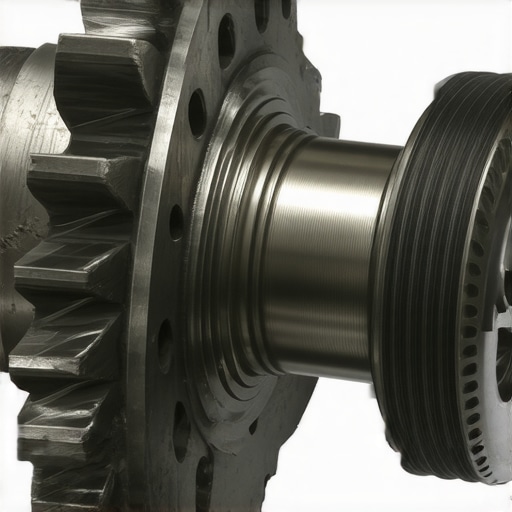
While the transmission gets all the attention, the differential is the unsung hero that takes the final brunt of torque before it hits the wheels. By the 150k-mile mark, the pinion seals often begin to weep, and the gear oil has likely sheared down to a viscosity that no longer provides adequate film strength. This leads to ‘gear lash’—an increase in the physical gap between the ring and pinion gears. You might notice this as a ‘clunk’ when shifting from park to drive or a high-pitched whine during deceleration. Ignoring these symptoms leads to catastrophic gear failure. Ensuring your vehicle diagnostics include a physical inspection of the differential fluid for ‘glitter’—tiny metallic flakes—is the only way to catch this before the unit requires a full rebuild.
Keep Your Cool When the AC Compressor Starts to Groan
Climate control systems are often treated as a luxury, but in high-mileage cars, they are a vital indicator of electrical and mechanical health. The AC compressor’s internal clutch is a wear item, and the refrigerant hoses slowly permeate gas over a decade. When the system runs low on charge, the compressor has to cycle more frequently, putting immense strain on the drive belt and the alternator. If you hear a metallic rattling when the AC is engaged, the compressor’s internal bearings are likely failing. Replacing these components proactively is far cheaper than waiting for the compressor to ‘grenade,’ which sends metal shrapnel through the entire HVAC loop, necessitating a replacement of the condenser, evaporator, and all connecting lines. A high-quality auto repair shop will use UV dye to find these slow leaks before they disable your cabin comfort entirely.
Expert Insights & Advanced Considerations
Look Beyond the Surface with Mode 06 Data
Seasoned technicians do not wait for a Check Engine Light; they utilize ‘Mode 06’ data to identify components that are failing but have not yet crossed the ECU’s diagnostic threshold. This is a cornerstone of advanced vehicle diagnostics. By analyzing misfire counts on specific cylinders or oxygen sensor response times before they trigger a fault, you can proactively address issues before they lead to a breakdown. If you have noticed performance dips, you might want to investigate why your car loses power uphill but runs fine on flat roads as it often points to these borderline failures.
Reset Adaptive Learning Data to Save Your Engine
When you perform a significant auto repair, such as replacing a mass air flow sensor or cleaning a throttle body, simply clearing the trouble codes is insufficient. The ECU has ‘learned’ to compensate for the old, dirty part over thousands of miles. Failing to reset these adaptations can cause the engine to run too lean or too rich with the new part installed, potentially damaging the catalytic converter. Utilizing a high-quality scan tool that actually finds hidden transmission codes and adaptation values is critical for a successful repair cycle.
Why Component Age Trumps Mileage in Hydraulic Systems
Rubber degrades over time regardless of whether the wheels are turning. In vehicles over 150,000 miles, the internal seals within the brake master cylinder and transmission valve body become brittle. Even if the car was driven sparingly, these hydraulic components are prone to internal bypassing, which leads to a soft pedal or slipping gears. Incorporating these checks into your regular car service is the difference between a reliable vehicle and a liability. [image placeholder]
Curated Expert Resources
ASE Certification Practice Manuals
These manuals offer the most direct path to understanding how professional technicians diagnose complex system failures and are the industry standard for verifying technical competence in auto repair.
SAE International Technical Papers
For those who want to understand the engineering logic behind mechanical failure, SAE papers provide peer-reviewed research on metallurgy, lubricant shear rates, and electronic control logic.
Blackstone Laboratories Oil Analysis
A physical sample of your engine oil can act as a blood test for your car, revealing exactly which internal bearings are wearing down by measuring parts per million of specific wear metals.
Final Expert Perspective
Navigating the maintenance of a high-mileage vehicle requires moving beyond basic oil changes and into the realm of forensic engineering. By prioritizing advanced vehicle diagnostics and staying ahead of component fatigue, you transform a potentially risky asset into a high-performing machine. To truly excel at ownership, you should stay updated on top auto repair techniques every car owner should know. If you are ready to take your vehicle’s longevity seriously, we invite you to unlock your car’s potential with our specialized technical guides or reach out for a professional consultation. Keeping your transmission healthy and your engine efficient is a marathon, not a sprint.