Your Electrical System Is Fighting a Losing Battle
Automotive electrical architecture operates on a delicate equilibrium between power generation and consumption. When you observe a perceptible drop in illumination intensity upon depressing the brake pedal, you are not just seeing a minor quirk; you are witnessing a failure of the charging system to compensate for the sudden amperage draw of the brake lights and ABS modules. This phenomenon often points toward a degradation in the vehicle’s electrical backbone, necessitating a deep dive into advanced vehicle diagnostics to prevent a total system shutdown. From an engineering perspective, the alternator should easily handle the additional 5 to 10 amps required by the brake circuit. If it fails to do so, the voltage drop suggests the system is operating at the absolute limit of its capacity.
Is a Dying Alternator Throttling Your Headlights?
At the heart of this issue often lies the alternator. Modern vehicles require a consistent voltage—typically between 13.5 and 14.7 volts—to operate the myriad of electronic control units (ECUs). When the brake lamps engage, they pull current instantly. If the alternator’s internal voltage regulator is failing or the diodes are leaking, the system momentarily dips into the battery’s reserves. You can perform a preliminary check by learning how to test an alternator using a simple tool to see if it maintains output under load. If the voltage drops below 13V when the brakes are applied, the alternator is no longer capable of maintaining the required buffer for safe nighttime driving.
The Ghost in the Machine: Resistance and Grounding Issues
It is not always the high-ticket components at fault. Frequently, the culprit is a hidden ground wire that has succumbed to electrolysis or vibration. When the ground connection for the front lighting circuit or the rear brake circuit is compromised, the electricity seeks the path of least resistance, often back-feeding or dimming other components. This is why you should never ignore flickering lights, as they are the precursors to more severe wiring harness damage. According to the Society of Automotive Engineers (SAE), even a marginal increase in circuit resistance (measured in milliohms) can result in significant voltage drops across high-draw components like halogen or HID bulbs.
Why Does the Battery Fail to Smooth Out the Load?
While the alternator provides current while the engine is running, the battery acts as a giant capacitor, smoothing out voltage spikes and dips. A sulfated or aging battery lacks the capacity to buffer the sudden load of brake activation. Utilizing a headlight test trick can provide a quick diagnostic baseline, but professional-grade load testing is often required to confirm internal resistance levels. If your vehicle displays these intermittent electrical symptoms, it’s time to seek professional auto repair services to prevent a roadside failure and ensure your vehicle’s safety systems remain fully powered during emergency maneuvers.
Modern Logic Units Can Misinterpret Voltage Dips
The shift toward Computerized Control Modules (CCMs) and Body Control Modules (BCMs) means that your headlights are rarely directly connected to a physical switch. Instead, they receive a signal from a logic board. When you apply the brakes, the sudden power demand from the brake light circuit and the ABS hydraulic pump creates a momentary surge. If the BCM detects a fluctuation, it may reduce power to non-essential systems, like cabin lights or instrument clusters, to prioritize safety-critical modules. This digital triage is a standard feature in many modern Controller Area Network (CAN-bus) architectures, but if the dimming is dramatic, it signals that the module is struggling with unstable input voltage.
Does Your Engine Management System Hide More Than It Reveals?
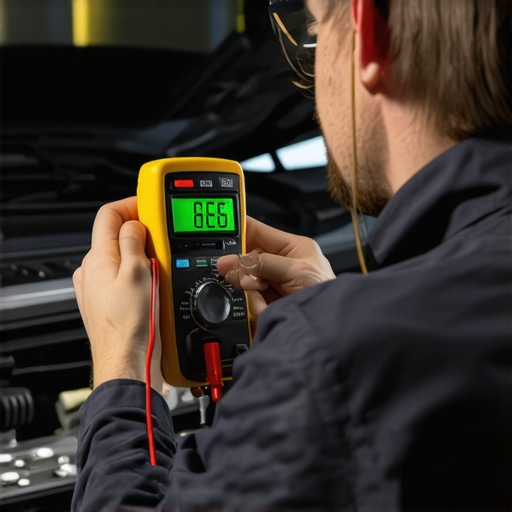
Beyond simple visible dimming, fluctuations in current can actually affect engine performance. Fuel injectors and ignition coils are highly sensitive to voltage variance. A drop in the electrical rail can lead to micro-misfires or a slight hesitation that you might otherwise attribute to a mechanical fuel issue. Using top auto repair techniques, a master technician can look for noise in the electrical signal using a digital storage oscilloscope. According to the National Institute for Automotive Service Excellence (ASE), advanced electrical faults are frequently misdiagnosed as mechanical component failures, leading to unnecessary and expensive part replacements.
Hidden Power Thieves You Installed Yourself
We often blame the manufacturer for design flaws, but aftermarket additions—such as high-end audio amplifiers, dash cams, or LED light bars—are notorious for creating parasitic draws that weaken the electrical system’s resilience. These devices often tap into existing circuits, increasing the total resistance of the factory wiring harness. If your lights flicker when you brake, it may be because your aftermarket accessories have pushed the alternator past its peak efficiency window. Learning how to find a parasitic battery drain with a 15 dollar multimeter can help you identify if that new accessory is the real culprit behind your dashboard dimming.
Hunting Down Electrical Shorts Without Tearing the Car Apart
If the dimming is localized to only one side of the vehicle or occurs only when specific conditions are met, such as using the turn signals while braking, you are likely dealing with a short to ground or a short to power. This happens when wire insulation chafes against the chassis, creating an unintended circuit path that siphons current. Specialized diagnostic equipment like the 5 dollar tool for finding electrical shorts can save hours of labor by narrowing down the specific section of the harness where the leak is occurring. Finding the right shop for these complex electrical audits is crucial, so make sure you know how to find reliable car service near you in 2025 before your vehicle leaves you stranded. If you have noticed your interior lights pulsing with your blinkers, drop a comment below and share your car’s model—we might be able to help you pinpoint a common model-specific ground fault!
ABS Pumps Pull Massive Amperage You Might Not Expect
While we often focus on the bulbs, the hydraulic motor of the Anti-lock Braking System (ABS) represents a far more significant electrical load than a few filaments of wire. Modern electronic stability control systems perform a rapid self-check the moment the brake pedal is depressed, often activating a high-pressure pump to prime the lines. This pump can draw upwards of 40 amps in a transient spike. If your vehicle’s wiring is aged or the alternator’s regulator is slow to respond, this massive demand causes a temporary voltage sag across the entire electrical rail. This is not just a cosmetic annoyance; it is a sign that the system’s ‘stiffness’—its ability to maintain voltage under load—is compromised. If you find your steering wheel also feels slightly heavier during these moments, you are likely dealing with a multifaceted power steering and braking load conflict.
Why does my brake pedal feel stiff when the lights flicker?
This intersection of hydraulic and electrical failure often stems from a shared power rail. In many vehicles, the brake booster and the lighting circuit are tied to the same distribution block. If the brake pressure sensor detects a mechanical vacuum leak, the computer may compensate by running an electric vacuum pump, doubling the electrical strain. According to the Battery Council International (BCI), even a battery that passes a static voltage test can fail under the ‘cranking-equivalent’ load that high-pressure ABS pumps demand when the internal resistance of the plates exceeds 10-15 milliohms. This internal decay prevents the battery from acting as the effective buffer your car’s electronics require.
Voltage Drop Testing Reveals What a Multimeter Misses
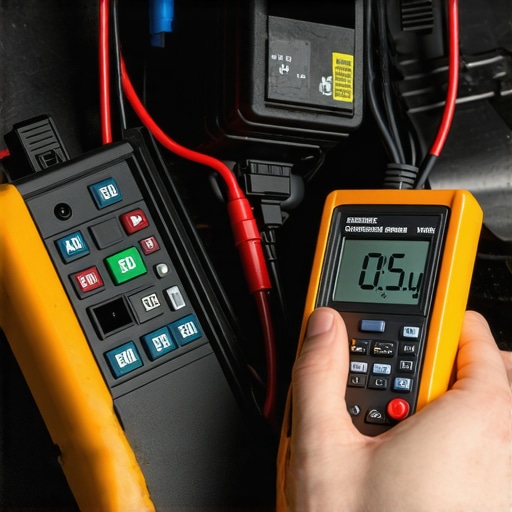
Standard voltage checks at the battery terminals often give a false sense of security. To find the real culprit, you must perform a dynamic voltage drop test while the vehicle is under load. This involves measuring the ‘cost’ of electricity traveling through a specific wire. If you measure more than 0.2 volts between the alternator output post and the positive battery terminal while the brakes are applied, you have a high-resistance connection that no new battery can fix. This is a common oversight in DIY repairs where people keep swapping parts without checking the integrity of the copper paths connecting them.
Check the Battery Distribution Block for Hidden Resistance
Modern vehicles use a sophisticated distribution block usually located directly on the positive battery terminal or near the main fuse box. These blocks contain high-amperage bus bars and ‘mega-fuses’ that can develop micro-corrosion. Because these components are often shielded by plastic covers, the green crust of oxidation remains invisible until the circuit is disassembled. A single loose nut on one of these bus bars can create a ‘bottleneck’ for current. When you hit the brakes, the current tries to squeeze through this high-resistance point, generating heat and dropping the voltage available to your headlights. If you have recently had work done on your transmission or engine, it is highly likely a technician missed a single ground strap or didn’t fully torque a terminal during reassembly.
Can a faulty stop-lamp switch cause an electrical surge?
It is rare, but a shorting stop-lamp switch located under the dash can create a momentary ground-loop issue. If the switch’s internal contacts have charred due to arcing, they can create a ‘dirty’ signal that confuses the Body Control Module. This confusion leads to the module rapidly cycling the lighting circuit, which appears to the driver as a dimming or flickering effect. Identifying this requires an oscilloscope to see the ‘noise’ in the electrical signal. If you’re tired of guessing and want to see the data for yourself, book a specialized electrical diagnostic session to map your vehicle’s power flow and eliminate the guesswork before it leads to a total component failure.
The Variable Voltage Alternator Dilemma
Many cars manufactured after 2015 utilize ‘Smart Charging’ systems. These alternators do not run at full capacity all the time; instead, the ECU tells the alternator to shut down during acceleration to save fuel and only ramp up during coasting or braking. However, if the battery current sensor is sending inaccurate data, the ECU might not realize the system needs an immediate boost when the brake lights and ABS pump engage. This delay in the ‘command to charge’ results in a visible dip as the system waits for the alternator to wake up and compensate for the load…
The Silent Threat of Pulse Width Modulation Interference
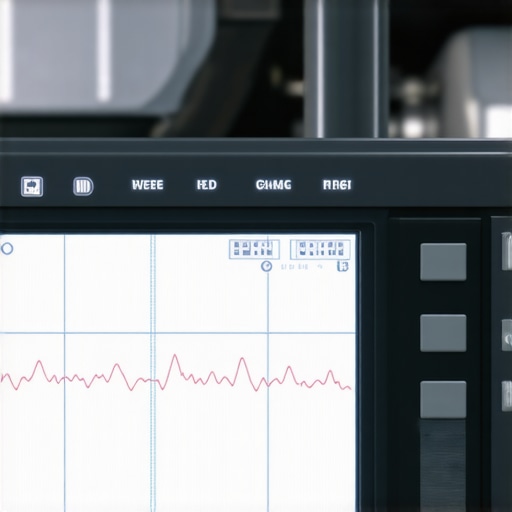
While traditional electrical systems utilized a steady stream of direct current, modern vehicle architectures increasingly rely on Pulse Width Modulation (PWM) to control bulb intensity and longevity. By rapidly cycling the power on and off—too fast for the human eye to perceive—the Body Control Module (BCM) manages thermal load. However, when you depress the brake, the sudden surge required by the brake booster and ABS can introduce ‘noise’ into the PWM frequency. This interference manifests as a visible flicker or dimming as the square-wave signal becomes distorted. This is why standard diagnostic tools often fail; they average out the voltage rather than capturing the high-speed fluctuations that an oscilloscope reveals.
Is Your Car’s Smart Charging Strategy Actually Outdated?
Many drivers are unaware that their vehicle’s computer intentionally limits alternator output to reduce engine load and improve fuel economy. This ‘Smart Charging’ system relies on a Local Interconnect Network (LIN-bus) to communicate between the ECU and the alternator. If the LIN-bus suffers from even minor signal degradation due to a corroded connector at the alternator, the command to ramp up amperage when the brakes are applied arrives milliseconds too late. According to technical documentation found in the IEEE Xplore Digital Library, electromagnetic compatibility (EMC) issues within the engine bay can further disrupt these low-voltage data packets, leading to erratic charging behavior that mimics a mechanical failure.
How Heat-Soaked Regulators Sabotage Your Night Vision
Location is everything in the engine bay. Many alternators are positioned near the exhaust manifold, leading to significant thermal stress. Voltage regulators are essentially semi-conductors, and their efficiency drops sharply as temperatures rise. When you are idling in traffic with your headlights on and then apply the brakes, the regulator—already struggling with heat soak—cannot respond quickly enough to the transient load. This thermal runaway effect is a common reason why lights might dim more severely after thirty minutes of driving than they do when the engine is cold. Professional advanced vehicle diagnostics often involve checking the alternator’s ripple voltage to see if the internal diodes are leaking current back into the system when hot.
Stop Guessing and Start Scoping Your Electrical Rail
Replacing the battery or alternator is an expensive ‘parts-cannon’ approach that rarely solves deep-seated wiring issues. A more surgical method involves checking for voltage drops across the entire positive rail, specifically from the alternator to the main fuse box. Even a half-ohm of resistance in a crimped connector can cause a significant sag under the 40-amp draw of an ABS pump. If you have already replaced your battery and still see your dashboard pulsing, the issue likely resides in the bulkhead connector—the point where the main wiring harness passes through the firewall. This area is prone to moisture ingress and pin-fitment issues that create high-resistance bottlenecks.
Don’t let a simple grounding or signal issue turn into a costly modular replacement. If your vehicle is exhibiting these high-tech hiccups, reach out to our master technicians today for a comprehensive electrical audit that goes beyond the basic battery and charging test. Have you noticed your car acting differently in extreme heat or cold? Share your findings in the comments below—your specific symptoms could be the key to identifying a broader harness issue common to your vehicle’s generation.
Your Electrical System Is Fighting a Losing Battle
Automotive electrical architecture operates on a delicate equilibrium between power generation and consumption. When you observe a perceptible drop in illumination intensity upon depressing the brake pedal, you are not just seeing a minor quirk; you are witnessing a failure of the charging system to compensate for the sudden amperage draw of the brake lights and ABS modules. This phenomenon often points toward a degradation in the vehicle’s electrical backbone, necessitating a deep dive into advanced vehicle diagnostics to prevent a total system shutdown. From an engineering perspective, the alternator should easily handle the additional 5 to 10 amps required by the brake circuit. If it fails to do so, the voltage drop suggests the system is operating at the absolute limit of its capacity.
Is a Dying Alternator Throttling Your Headlights?
At the heart of this issue often lies the alternator. Modern vehicles require a consistent voltage—typically between 13.5 and 14.7 volts—to operate the myriad of electronic control units (ECUs). When the brake lamps engage, they pull current instantly. If the alternator’s internal voltage regulator is failing or the diodes are leaking, the system momentarily dips into the battery’s reserves. You can perform a preliminary check by learning how to test an alternator using a simple tool to see if it maintains output under load. If the voltage drops below 13V when the brakes are applied, the alternator is no longer capable of maintaining the required buffer for safe nighttime driving.
The Ghost in the Machine: Resistance and Grounding Issues
It is not always the high-ticket components at fault. Frequently, the culprit is a hidden ground wire that has succumbed to electrolysis or vibration. When the ground connection for the front lighting circuit or the rear brake circuit is compromised, the electricity seeks the path of least resistance, often back-feeding or dimming other components. This is why you should never ignore flickering lights, as they are the precursors to more severe wiring harness damage. According to the Society of Automotive Engineers (SAE), even a marginal increase in circuit resistance (measured in milliohms) can result in significant voltage drops across high-draw components like halogen or HID bulbs.
Why Does the Battery Fail to Smooth Out the Load?
While the alternator provides current while the engine is running, the battery acts as a giant capacitor, smoothing out voltage spikes and dips. A sulfated or aging battery lacks the capacity to buffer the sudden load of brake activation. Utilizing a headlight test trick can provide a quick diagnostic baseline, but professional-grade load testing is often required to confirm internal resistance levels. If your vehicle displays these intermittent electrical symptoms, it’s time to seek professional auto repair services to prevent a roadside failure and ensure your vehicle’s safety systems remain fully powered during emergency maneuvers.
Modern Logic Units Can Misinterpret Voltage Dips
The shift toward Computerized Control Modules (CCMs) and Body Control Modules (BCMs) means that your headlights are rarely directly connected to a physical switch. Instead, they receive a signal from a logic board. When you apply the brakes, the sudden power demand from the brake light circuit and the ABS hydraulic pump creates a momentary surge. If the BCM detects a fluctuation, it may reduce power to non-essential systems, like cabin lights or instrument clusters, to prioritize safety-critical modules. This digital triage is a standard feature in many modern Controller Area Network (CAN-bus) architectures, but if the dimming is dramatic, it signals that the module is struggling with unstable input voltage.
Does Your Engine Management System Hide More Than It Reveals?
Beyond simple visible dimming, fluctuations in current can actually affect engine performance. Fuel injectors and ignition coils are highly sensitive to voltage variance. A drop in the electrical rail can lead to micro-misfires or a slight hesitation that you might otherwise attribute to a mechanical fuel issue. Using top auto repair techniques, a master technician can look for noise in the electrical signal using a digital storage oscilloscope. According to the National Institute for Automotive Service Excellence (ASE), advanced electrical faults are frequently misdiagnosed as mechanical component failures, leading to unnecessary and expensive part replacements.
Hidden Power Thieves You Installed Yourself
We often blame the manufacturer for design flaws, but aftermarket additions—such as high-end audio amplifiers, dash cams, or LED light bars—are notorious for creating parasitic draws that weaken the electrical system’s resilience. These devices often tap into existing circuits, increasing the total resistance of the factory wiring harness. If your lights flicker when you brake, it may be because your aftermarket accessories have pushed the alternator past its peak efficiency window. Learning how to find a parasitic battery drain with a 15 dollar multimeter can help you identify if that new accessory is the real culprit behind your dashboard dimming.
Hunting Down Electrical Shorts Without Tearing the Car Apart
If the dimming is localized to only one side of the vehicle or occurs only when specific conditions are met, such as using the turn signals while braking, you are likely dealing with a short to ground or a short to power. This happens when wire insulation chafes against the chassis, creating an unintended circuit path that siphons current. Specialized diagnostic equipment like the 5 dollar tool for finding electrical shorts can save hours of labor by narrowing down the specific section of the harness where the leak is occurring. Finding the right shop for these complex electrical audits is crucial, so make sure you know how to find reliable car service near you in 2025 before your vehicle leaves you stranded. If you have noticed your interior lights pulsing with your blinkers, drop a comment below and share your car’s model—we might be able to help you pinpoint a common model-specific ground fault!
ABS Pumps Pull Massive Amperage You Might Not Expect
While we often focus on the bulbs, the hydraulic motor of the Anti-lock Braking System (ABS) represents a far more significant electrical load than a few filaments of wire. Modern electronic stability control systems perform a rapid self-check the moment the brake pedal is depressed, often activating a high-pressure pump to prime the lines. This pump can draw upwards of 40 amps in a transient spike. If your vehicle’s wiring is aged or the alternator’s regulator is slow to respond, this massive demand causes a temporary voltage sag across the entire electrical rail. This is not just a cosmetic annoyance; it is a sign that the system’s ‘stiffness’—its ability to maintain voltage under load—is compromised. If you find your steering wheel also feels slightly heavier during these moments, you are likely dealing with a multifaceted power steering and braking load conflict.
Why does my brake pedal feel stiff when the lights flicker?
This intersection of hydraulic and electrical failure often stems from a shared power rail. In many vehicles, the brake booster and the lighting circuit are tied to the same distribution block. If the brake pressure sensor detects a mechanical vacuum leak, the computer may compensate by running an electric vacuum pump, doubling the electrical strain. According to the Battery Council International (BCI), even a battery that passes a static voltage test can fail under the ‘cranking-equivalent’ load that high-pressure ABS pumps demand when the internal resistance of the plates exceeds 10-15 milliohms. This internal decay prevents the battery from acting as the effective buffer your car’s electronics require.
Voltage Drop Testing Reveals What a Multimeter Misses
Standard voltage checks at the battery terminals often give a false sense of security. To find the real culprit, you must perform a dynamic voltage drop test while the vehicle is under load. This involves measuring the ‘cost’ of electricity traveling through a specific wire. If you measure more than 0.2 volts between the alternator output post and the positive battery terminal while the brakes are applied, you have a high-resistance connection that no new battery can fix. This is a common oversight in DIY repairs where people keep swapping parts without checking the integrity of the copper paths connecting them.
Check the Battery Distribution Block for Hidden Resistance
Modern vehicles use a sophisticated distribution block usually located directly on the positive battery terminal or near the main fuse box. These blocks contain high-amperage bus bars and ‘mega-fuses’ that can develop micro-corrosion. Because these components are often shielded by plastic covers, the green crust of oxidation remains invisible until the circuit is disassembled. A single loose nut on one of these bus bars can create a ‘bottleneck’ for current. When you hit the brakes, the current tries to squeeze through this high-resistance point, generating heat and dropping the voltage available to your headlights. If you have recently had work done on your transmission or engine, it is highly likely a technician missed a single ground strap or didn’t fully torque a terminal during reassembly.
Can a faulty stop-lamp switch cause an electrical surge?
It is rare, but a shorting stop-lamp switch located under the dash can create a momentary ground-loop issue. If the switch’s internal contacts have charred due to arcing, they can create a ‘dirty’ signal that confuses the Body Control Module. This confusion leads to the module rapidly cycling the lighting circuit, which appears to the driver as a dimming or flickering effect. Identifying this requires an oscilloscope to see the ‘noise’ in the electrical signal. If you’re tired of guessing and want to see the data for yourself, book a specialized electrical diagnostic session to map your vehicle’s power flow and eliminate the guesswork before it leads to a total component failure.
The Variable Voltage Alternator Dilemma
Many cars manufactured after 2015 utilize ‘Smart Charging’ systems. These alternators do not run at full capacity all the time; instead, the ECU tells the alternator to shut down during acceleration to save fuel and only ramp up during coasting or braking. However, if the battery current sensor is sending inaccurate data, the ECU might not realize the system needs an immediate boost when the brake lights and ABS pump engage. This delay in the ‘command to charge’ results in a visible dip as the system waits for the alternator to wake up and compensate for the load, often manifesting as a flicker that feels like a failing component when it is actually a software-driven priority shift.
The Silent Threat of Pulse Width Modulation Interference
While traditional electrical systems utilized a steady stream of direct current, modern vehicle architectures increasingly rely on Pulse Width Modulation (PWM) to control bulb intensity and longevity. By rapidly cycling the power on and off—too fast for the human eye to perceive—the Body Control Module (BCM) manages thermal load. However, when you depress the brake, the sudden surge required by the brake booster and ABS can introduce ‘noise’ into the PWM frequency. This interference manifests as a visible flicker or dimming as the square-wave signal becomes distorted. This is why standard diagnostic tools often fail; they average out the voltage rather than capturing the high-speed fluctuations that an oscilloscope reveals.
Is Your Car’s Smart Charging Strategy Actually Outdated?
Many drivers are unaware that their vehicle’s computer intentionally limits alternator output to reduce engine load and improve fuel economy. This ‘Smart Charging’ system relies on a Local Interconnect Network (LIN-bus) to communicate between the ECU and the alternator. If the LIN-bus suffers from even minor signal degradation due to a corroded connector at the alternator, the command to ramp up amperage when the brakes are applied arrives milliseconds too late. According to technical documentation found in the IEEE Xplore Digital Library, electromagnetic compatibility (EMC) issues within the engine bay can further disrupt these low-voltage data packets, leading to erratic charging behavior that mimics a mechanical failure.
How Heat-Soaked Regulators Sabotage Your Night Vision
Location is everything in the engine bay. Many alternators are positioned near the exhaust manifold, leading to significant thermal stress. Voltage regulators are essentially semi-conductors, and their efficiency drops sharply as temperatures rise. When you are idling in traffic with your headlights on and then apply the brakes, the regulator—already struggling with heat soak—cannot respond quickly enough to the transient load. This thermal runaway effect is a common reason why lights might dim more severely after thirty minutes of driving than they do when the engine is cold. Professional advanced vehicle diagnostics often involve checking the alternator’s ripple voltage to see if the internal diodes are leaking current back into the system when hot.
Stop Guessing and Start Scoping Your Electrical Rail
Replacing the battery or alternator is an expensive ‘parts-cannon’ approach that rarely solves deep-seated wiring issues. A more surgical method involves checking for voltage drops across the entire positive rail, specifically from the alternator to the main fuse box. Even a half-ohm of resistance in a crimped connector can cause a significant sag under the 40-amp draw of an ABS pump. If you have already replaced your battery and still see your dashboard pulsing, the issue likely resides in the bulkhead connector—the point where the main wiring harness passes through the firewall. This area is prone to moisture ingress and pin-fitment issues that create high-resistance bottlenecks.
Don’t let a simple grounding or signal issue turn into a costly modular replacement. If your vehicle is exhibiting these high-tech hiccups, reach out to our master technicians today for a comprehensive electrical audit that goes beyond the battery and charging test. Have you noticed your car acting differently in extreme heat or cold? Share your findings in the comments below—your specific symptoms could be the key to identifying a broader harness issue common to your vehicle’s generation.
Expert Insights & Advanced Considerations
Voltage Sag Is Often a Software Timing Issue
In modern power management systems, the flicker you see during braking is frequently a latency issue within the LIN-bus communication. When the ECU fails to command the alternator to ‘wake up’ quickly enough to meet the transient load of the ABS pump, the system relies on the battery’s surface charge. If you have already replaced hardware to no avail, a BCM software recalibration is often the overlooked fix that restores lighting stability.
The 0.2-Volt Threshold That Kills Stability
Precision matters when auditing copper paths. A voltage drop exceeding 0.2 volts between the engine block and the negative battery terminal indicates that your hidden ground wire is no longer providing the low-resistance path required for high-amperage events. This micro-resistance turns the chassis into a bottleneck, forcing the headlights to compete with the brake system for an dwindling supply of electrons.
Thermal Fatigue in High-Amperage Bus Bars
Resistance is not static; it scales with heat. We often see vehicles where the headlights only dim after thirty minutes of operation. This points to thermal fatigue in the main distribution block located on the battery. As the copper heats up, micro-corrosion expands, siphoning away the amperage needed for safety-critical circuits. Testing your system while ‘cold’ in the driveway will never reveal this specific failure point.
Curated Expert Resources
SAE International Technical Standards: The definitive source for automotive wiring harness architecture and electromagnetic compatibility. This resource explains why localized interference can cause PWM lighting to flicker.
ASE Advanced Electrical Specialist (L6) Guides: Essential for technicians who want to master the use of oscilloscopes for capturing transient voltage spikes that a standard multimeter will miss.
IEEE Xplore Digital Library: Provides deep-level research on smart charging algorithms and the impact of LIN-bus signal degradation on real-time vehicle performance.
Final Expert Perspective
Solving the mystery of dimming lights during braking requires moving beyond basic component swapping and embracing advanced vehicle diagnostics. Whether it is a software-driven charging delay or a physically degraded ground, the data doesn’t lie. By utilizing top auto repair techniques like load-testing the distribution block and scoping the communication bus, you can eliminate the flicker and ensure your safety systems remain robust. If your dashboard is still giving you trouble, book a specialized audit with our master technicians to secure your vehicle’s electrical future.
#IMAGE_PLACEHOLDER_E#