Modern hydraulic systems operate within a narrow margin of tolerance, where the relationship between temperature and fluid dynamics dictates the tactile feedback at the steering wheel. When a driver experiences a stiff, heavy sensation during the first few minutes of a morning commute, they are often witnessing a phenomenon known among professional technicians as ‘morning sickness.’ This isn’t merely a nuisance; it is a clinical symptom of systemic wear within the power steering rack or fluid degradation that challenges the integrity of the vehicle’s maneuverability. Successfully resolving this requires moving beyond basic check-ups and into the realm of advanced vehicle diagnostics to identify whether the issue is mechanical, chemical, or thermal.
Cold Fluid Dynamics and the Physics of Morning Resistance
The primary culprit behind morning stiffness is often the power steering fluid’s viscosity. As ambient temperatures drop overnight, the fluid thickens, increasing the effort required by the pump to circulate it through the high-pressure lines and the steering gear. This resistance is heightened if the fluid is contaminated or has lost its chemical shear stability over time. In many ways, this behavior parallels why your transmission shudders when cold, as both systems rely on precise hydraulic pressures that are easily disrupted by thermal contraction. Once the engine runs for several minutes, the heat generated by the pump warms the fluid, restoring its intended flow rate and returning the steering to a ‘fine’ or normal state.
The Hidden Conflict Between Aluminum and Rubber
Another sophisticated cause involves the internal seals of the steering rack. Over tens of thousands of miles, the rubber O-rings and seals within the rack-and-pinion housing can harden or shrink. In a cold state, these seals may fail to provide a perfect seat against the aluminum housing, allowing hydraulic fluid to bypass the piston rather than pushing against it. As the metal components expand with engine heat, the seal is temporarily restored. This cycle of expansion and contraction eventually leads to permanent grooves in the housing, which is why an expert car service is essential to determine if a simple flush or a full rack replacement is necessary.
Does Your Steering Rack Have a Chronic ‘Morning Sickness’ Problem?
Technicians often use this term to describe a specific wear pattern where the Teflon rings inside the steering gear wear grooves into the aluminum valve body. When cold, the fluid leaks past these grooves, causing a loss of assist. If you notice a ‘notchy’ feeling or a total lack of power assist that vanishes after the car reaches operating temperature, your steering gear is likely reaching the end of its service life. Research by the Society of Automotive Engineers (SAE) indicates that fluid additives and specific synthetic blends can sometimes mitigate these symptoms by swelling the seals or improving low-temperature flow, but these are often temporary fixes for an underlying mechanical fatigue.
Address These Symptoms Before They Become Safety Hazards
Ignoring a stiff steering wheel in the morning is a gamble with your vehicle’s safety. If the pump is forced to work against high-viscosity resistance or air pockets caused by a leak, it will eventually cavitate and fail. You can often quiet your noisy power steering pump and improve morning response by using high-quality additives or a full system flush. If your car is exhibiting these complex hydraulic behaviors, it is time to consult a professional who can differentiate between a simple fluid issue and a failing steering rack. For expert assistance in restoring your car’s handling, please contact us today for a comprehensive inspection.
While thermal contraction explains the physical resistance, the audible groan accompanying a stiff morning turn usually points to aeration. When the system is cold, the suction side of the power steering pump—the hose connecting the reservoir to the pump—is under significant vacuum. If the rubber hose has hardened with age, it may no longer form a perfect seal around the plastic fittings. Instead of leaking fluid out, it draws air in. This air mixes with the cold, viscous fluid, creating a foamy emulsion that is impossible to compress effectively. Much like the diagnostic process used to find the short circuit killing your battery with this 10-minute trick, isolating an air leak requires a methodical approach, often starting with the replacement of a simple $2 O-ring on the intake nipple.
The Critical Role of the Reservoir Mesh Screen
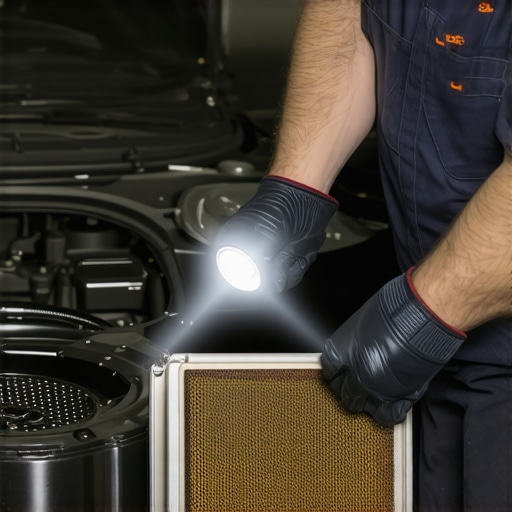
Many drivers are unaware that their power steering reservoir contains a non-serviceable internal micron screen. Over time, debris from deteriorating hoses or metallic shavings from pump wear collect at the bottom of the tank, partially clogging this mesh. When the fluid is cold and thick, the pump struggles to pull enough volume through the restricted screen, leading to cavitation. This starvation not only makes the steering heavy but also causes the pump to reach temperatures that far exceed its design limits. If you suspect a clog, you can perform a visual check by looking for a ‘whirlpool’ effect in the reservoir while the engine is running; a lack of turbulent flow often indicates a blockage. Distinguishing this from a belt issue is key, as many owners mistake pump cavitation for the sound of a slipping belt, similar to why your car chirps when you accelerate from a stop.
Is Your Reservoir Hiding a Clogged Micron Screen?
Technicians often overlook the reservoir during a standard fluid flush, but a restricted return path is a primary driver of premature pump failure. In many modern vehicles, the screen is so fine that standard cleaning solvents cannot fully dislodge trapped contaminants. If the fluid remains dark or ‘glittery’ shortly after a flush, the reservoir itself may need replacement to ensure the pump receives the unrestricted flow it requires during those crucial first five minutes of operation. Expert data from the National Institute for Automotive Service Excellence (ASE) suggests that nearly 30% of steering pump replacements could be avoided if the reservoir integrity and suction-side seals were addressed first.
When Modern Electronics Mimic Hydraulic Failure
In vehicles equipped with Electronic Power Assist Steering (EPAS) or hybrid electro-hydraulic systems, morning stiffness can occasionally be a software or electrical issue rather than a fluid problem. Low battery voltage during a cold start can cause the steering control module to enter a ‘reduced power’ mode to protect the electrical system. If you notice your dashboard dimmed while driving or during the initial startup, the steering resistance might be a symptom of a struggling alternator or a dying battery cell rather than a mechanical rack failure. This intersection of electronics and mechanics is why the hidden world of vehicle diagnostics is so vital for modern car owners; a mechanical fix for an electrical problem is a costly mistake.
The Serpentine Belt Connection to Cold Handling
The physical link between your engine and the power steering pump—the serpentine belt—is highly susceptible to cold-weather performance drops. As temperatures plummet, the rubber belt becomes less pliable. If the automatic tensioner is weak, the belt may slip invisibly across the pump pulley under the high load of cold fluid. This slippage results in a heavy steering feel that miraculously disappears as the belt warms up and gains grip. Before committing to a steering rack overhaul, inspect the tensioner’s wear indicators. To dive deeper into DIY troubleshooting, you can learn how to test a coil pack with a simple spark plug tool to gain confidence in handling other engine-bay components. If you are experiencing persistent steering issues that require a professional eye, we encourage you to share your symptoms in the comments or reach out for a tailored diagnostic plan.
The Spool Valve Struggle Against Viscous Fluid
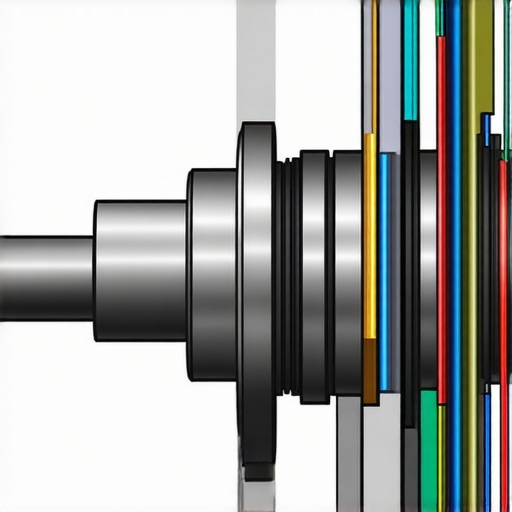
Inside the steering rack lies the rotary spool valve, a precision-engineered component that directs fluid flow based on the torque applied to the steering wheel. This valve relies on a sensitive torsion bar that twists to align internal ports. When the fluid is cold and significantly more viscous, it creates a ‘hydraulic lag’ within these ports. The thick fluid resists the rapid movement required to provide instant assist, leading to that familiar heavy sensation. This isn’t just a matter of fluid thickness; it is a battle of mechanical tolerances where the valve’s ability to pivot is dampened by the sheer density of unheated oil. Professional technicians often look for ‘shimmies’ in the steering wheel during this phase, which can indicate that the spool valve is struggling to find its center against the resistance. If you are noticing these symptoms, it might be time to investigate the advanced vehicle diagnostics involved in hydraulic pressure mapping.
Why is my power steering stiff after the car sits for only two hours?
Even a short dwell time in cold temperatures can allow the fluid to settle and the internal components to contract. This ‘mini-morning sickness’ often points toward a breakdown in the fluid’s viscosity index (VI). The VI represents how much a fluid’s flow characteristics change with temperature. Low-quality or aged fluids lose their VI stability, becoming excessively thick even in moderately cool weather. According to technical documentation from Lubrizol, the shear stability of hydraulic additives is critical for maintaining consistent pressure across wide thermal ranges. If your steering feels like a workout after a quick grocery run, your fluid has likely undergone permanent chemical shear, meaning the molecules have literally been torn apart by the heat and pressure of the pump, leaving behind a base oil that cannot handle temperature shifts.
Synthetic Upgrades for Sub-Zero Reliability
Switching to a full synthetic power steering fluid is often the most effective way to combat morning stiffness without replacing hardware. Synthetic fluids are engineered with more uniform molecular structures that resist thickening in the cold and thinning in the heat. This uniformity ensures that the pump doesn’t have to work overtime to push ‘sludge’ through the system during those first few miles. However, before you perform a swap, it is vital to ensure compatibility with your vehicle’s seals. Some older systems require specific mineral-based oils, and introducing synthetics can lead to seal swelling or leaks. To learn more about maintaining system integrity, you might find it useful to read about choosing the right car service to ensure your fluid specs match the manufacturer’s rigorous requirements.
The Sticking Pressure Relief Valve
Another overlooked culprit is the pressure relief valve located inside the power steering pump itself. This valve’s job is to prevent over-pressurization by bypassing fluid when the steering is at full lock or when pressures exceed safe limits. Over time, varnish and carbon deposits from burnt fluid can cause this valve to stick in the open position. When the engine is cold, the valve may fail to seat properly, allowing the majority of the pump’s output to bypass the steering rack entirely. The result is a total lack of assist that feels like manual steering. As the pump heats up, the varnish softens, allowing the valve to snap shut and restore assist. This intermittent failure is a classic sign that the system is ‘choking’ on its own internal debris, a condition that requires more than just a top-off. If you’re curious about other ways cold weather affects your vehicle’s vitals, consider checking out why your transmission shudders when cold, as the hydraulic principles are remarkably similar.
While most discussions regarding heavy steering center on the pump or fluid, the mechanical heart of the rack—the torsion bar—often undergoes a subtle form of thermal fatigue that eludes standard inspections. This slender metal rod, responsible for twisting just enough to open the spool valve ports, can become significantly less responsive when sub-zero temperatures affect its elastic modulus. In an aging system, the microscopic tolerances between this bar and the valve body are so tight that even a slight contraction of the metal leads to a ‘mechanical binding’ that mimics hydraulic failure. This is why some drivers report that the steering feels ‘notchy’ rather than just heavy; you are feeling the physical struggle of the steering column trying to overcome internal friction before the hydraulic assist can even trigger.
When the Rack is Innocent: Frozen Ball Joints and Strut Bearings
Sometimes the hydraulic system is performing flawlessly, yet the steering wheel refuses to budge. In high-humidity environments followed by a deep freeze, moisture can penetrate the protective rubber boots of lower ball joints or the upper strut mount bearings. This water freezes into a solid mass of ice, effectively locking the pivot points of your front suspension. As you fight the steering wheel, you aren’t just pushing fluid; you are physically trying to shear through ice or overcome the friction of a dry, rusted metal-on-metal joint. Professional technicians often utilize a drive-on lift to check for these ‘external’ resistances by disconnecting the tie-rod ends; if the wheel is still hard to turn with the rack disconnected, the problem lies in the chassis, not the hydraulics. This level of investigation is typical in advanced vehicle diagnostics, where we separate symptoms from their actual source.
Chemical Antagonism in the Reservoir
A common mistake during routine maintenance is the ‘turkey baster’ method—removing only the fluid in the reservoir and topping it off with a different brand or grade. This often leads to chemical antagonism, where the additives in the new fluid react poorly with the residual degraded fluid. This reaction can create a ‘stringy’ or gelatinous texture that is particularly devastating during a cold start. These precipitates can clog the delicate orifices of the control valve, leading to erratic assist. High-performance data from ZF Aftermarket suggests that even a 10% contamination rate of the wrong fluid type can alter the kinematic viscosity enough to cause a noticeable delay in steering response at temperatures below 32°F (0°C).
Can a failing alternator actually make your steering feel heavy?
In modern vehicles with electro-hydraulic systems, the answer is a resounding yes. These systems pull a massive amount of current—sometimes upwards of 60 to 80 amps—during low-speed maneuvers. If your alternator is struggling or the battery’s cold-cranking amps (CCA) have dropped due to the weather, the steering control module may receive insufficient voltage. To prevent a total system crash, the module will limit the pump’s output, resulting in a heavy, manual-like steering sensation. This is a classic example of why you might find your dashboard dimmed while driving or during those first few turns of the morning. Testing the charging system under load is a critical step before condemning an expensive steering rack.
The Critical Importance of the High-Pressure Hose Lining
Over years of operation, the inner lining of the high-pressure power steering hose can begin to delaminate. While the hose looks perfect from the outside, internal flaps of rubber can act like a one-way check valve. When the fluid is cold and high-pressure surges occur, these flaps can lift and partially block the flow of fluid to the rack. As the hose warms up, the rubber becomes more flexible and the flap may lay flat again, restoring normal operation. If you have already performed a flush and replaced the pump but the ‘morning sickness’ persists, the high-pressure line is the most likely culprit. If your vehicle’s handling feels compromised, don’t wait for a total failure; contact us today to schedule a high-pressure flow test and ensure your safety on the road.
Expert Insights & Advanced Considerations
Why Synthetic Fluids Outperform Standard Mineral Oils in Winter
Upgrading to a high-performance synthetic fluid is more than a luxury; it is a strategic move to preserve the longevity of your pump’s internal vanes. Synthetic molecules maintain a consistent shear rate under high-pressure conditions that would otherwise cause mineral oils to foam or lose viscosity. This chemical stability is often the missing link in transmission failures decoded signs and expert fixes where hydraulic integrity is paramount.
Don’t Blame the Rack Before Checking Your Alternator Voltage
Modern electro-hydraulic systems are incredibly sensitive to voltage drops. If your battery is struggling to provide the required amperage during a cold start, the steering module will prioritize engine vitals over power assist. This can lead to a deceptive heavy feeling that disappears once the alternator reaches its full charging potential. This overlap between electrical and mechanical systems highlights why the hidden world of vehicle diagnostics is the only way to avoid unnecessary parts replacement.
How to Spot the Critical Point of Irreversible Mechanical Fatigue
When the morning sickness transition from cold to warm takes longer than ten minutes, you are likely dealing with physical grooves worn into the aluminum housing of the steering gear. At this stage, fluid additives are merely a temporary bandage. Recognizing this threshold requires a technician who understands the nuances of choosing the right car service to differentiate between a simple seal issue and a terminal mechanical failure.
Curated Expert Resources
SAE International Technical Papers: These documents provide the gold standard for fluid viscosity and thermal expansion data, essential for understanding how temperatures affect steering rack tolerances.
ZF Aftermarket Diagnostic Portal: An invaluable resource for technicians, offering deep dives into the metallurgy and fluid dynamics of modern steering systems.
ASE Test Preparation Guides: While designed for certification, these guides offer the most systematic approach to isolating hydraulic faults from chassis-related steering resistance.
Final Expert Perspective
Resolving persistent morning stiffness in your steering system requires a shift from reactive maintenance to proactive diagnostic strategy. By understanding the interplay between fluid chemistry, thermal expansion, and electrical stability, you can navigate these cold-weather challenges without the stress of expensive repairs. Whether you are dealing with a simple O-ring failure or a more complex hydraulic lag, staying informed through expert auto repair tips for 2025 ensures your vehicle remains responsive and safe. If you have questions about your specific hydraulic symptoms, please contact us for a professional assessment or share your experience with the community below.