The Critical Impact of Temperature Fluctuations on Transmission Performance
The phenomenon of transmission shuddering during cold starts not only afflicts vehicle owners but also exposes deeper issues within modern automatic transmission systems, particularly those governed by complex vehicle diagnostics and sensor calibrations. As automotive engineers and auto repair specialists understand, cold climate conditions impose unique stresses on transmission components, revealing subtle malfunctions that often remain hidden during regular operation.
Unraveling the Complex Mechanics Behind Cold-Related Transmission Shuddering
At the core of the shudder issue lies the intricate interplay of transmission fluid viscosity, sensor responsiveness, and solenoid activation. When temperatures plummet, transmission fluid thickens, impeding optimal hydraulic pressure and causing sluggish gear engagement. Moreover, sensor signals—such as those from temperature, speed, and pressure sensors—may drift or respond inaccurately due to thermal effects, leading to erroneous diagnostics and control module misfires. Handling these issues requires a deep understanding of transmission control strategies and sensor calibration techniques.
Expert Strategies to Mitigate Cold Transmission Shuddering Without Major Repairs
Most experienced technicians recommend proactive measures that can be performed with minimal tools and cost—often around $12—yet yield significant performance improvements. One such approach involves the application of a specialized transmission fluid additive designed to reduce hydraulic resistance and improve flow at low temperatures. This method is detailed in guides such as this DIY additive application.
What are the causes of inconsistent sensor readings during cold starts, and how can they be accurately diagnosed?
Sensor inconsistency stems from thermal expansion, contamination, or internal circuit degradation. Accurate diagnosis requires access to vehicle diagnostics systems capable of reading live sensor data, performing sensor health checks, and identifying temporal discrepancies. Advanced diagnostic tools that interface with the vehicle’s ECU enable technicians to detect subtle anomalies that contribute to transmission shuddering, ensuring targeted repairs rather than blanket replacements.
Valuable Insights from Automotive Research for Enhanced Diagnostic Precision
Studies published in the International Journal of Automotive Engineering emphasize the importance of sensor calibration and real-time data analysis. Employing these insights allows for precise tuning of the vehicle’s control modules, effectively reducing issues like the notorious cold-start shudder and prolonging component lifespan.
Protecting Vehicle Integrity Through Preventative Diagnostics and Expert Maintenance
Regularly monitoring sensor outputs and transmission fluid condition can preemptively identify areas prone to failure, especially under thermal stress. Incorporating comprehensive vehicle diagnostics and diagnostic maintenance enhances overall vehicle reliability, and is essential for sophisticated car service routines—especially in the context of emergent vehicle technologies like hybrid and electric powertrains.
For those wishing to explore advanced troubleshooting procedures, consider visiting this resource on transmission hunting, which offers detailed guidance on software fixes and sensor recalibrations. Sharing expertise and real-world experience remains invaluable within the professional automotive community, ensuring that solutions remain accessible and effective.
When Standard Fixes Fail: Are You Missing Hidden Sensor Issues?
Many vehicle owners and technicians rely on basic diagnostic routines to address cold-start transmission shuddering, but these steps often overlook subtle sensor anomalies that significantly impact performance. Internal circuit degradation, contamination, or thermal expansion can distort sensor readings, leading to inaccurate data that triggers erroneous control actions. For example, a malfunctioning speed sensor might send inconsistent signals during low temperatures, causing the transmission to behave unpredictably. Advanced diagnostic approaches, including real-time data logging and sensor health checks, are essential for uncovering these hidden culprits, thus avoiding unnecessary component replacements. For comprehensive diagnostic strategies, consider exploring techniques detailed in this expert guide on vehicle diagnostics.
Optimizing Calibration Methods for Maximum Reliability in Severe Climates
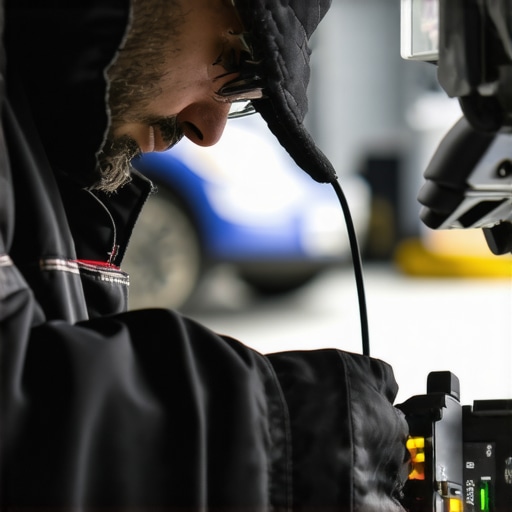
OEM calibration routines are typically performed under controlled conditions and might not account for extreme thermal variances encountered in colder regions. As such, calibration settings—particularly for sensors like the thermostat, pressure, and speed sensors—may drift over time, exacerbating transmission issues in winter months. Adapting calibration techniques to include thermal variation factors, through software updates or manual recalibration, can significantly enhance robustness. Utilizing dynamic calibration procedures, which auto-adjust based on real-time environmental data, ensures that vehicle control modules interpret sensor signals accurately across temperature ranges. For insights on implementing these advanced calibration practices, see this comprehensive ECU data analysis guide.
Leveraging Data Analytics for Predictive Transmission Maintenance in Extreme Cold
In the realm of sophisticated vehicle diagnostics, the integration of data analytics and machine learning is revolutionizing how technicians approach transmission health monitoring. By aggregating real-time sensor data over extended periods, predictive models can identify subtle patterns indicative of impending failures, especially those exacerbated by low temperatures. These models analyze variables such as hydraulic pressure fluctuations, temperature sensor drifts, and solenoid response times, offering proactive alerts that transcend traditional reactive repairs. As automotive OEMs increasingly embed telematics capabilities, employing cloud-based analytics can extend diagnostic precision beyond the workshop, ensuring that cold-related transmission issues are identified and addressed before symptoms manifest.
The Role of Material Science in Enhancing Transmission Resilience to Cold Stress
Beyond diagnostics, advancements in material science are contributing to the development of transmission components engineered for extreme thermal environments. Innovations include the use of high-performance polymers and composites for seals and bushings that maintain flexibility and sealing integrity at sub-zero temperatures. Similarly, alloy formulations for gears and shafts are exhibiting improved wear resistance and dimensional stability under thermal contraction stresses. These material enhancements not only mitigate shuddering phenomena but also extend the overall service life of critical transmission parts, underscoring the importance of interdisciplinary expertise in automotive engineering.
Are there innovative lubricant formulations that can outperform traditional transmission oils in cold climates?
Absolutely. Recent research indicates that some synthetic dielectric oils, enriched with nano-additives, can significantly lower pour points and improve hydraulic flow at low temperatures. These formulations enhance cold-start performance by reducing fluid viscosity anomalies and maintaining optimal frictional properties. For example, a study published in the Journal of Tribology and Automotive Engineering highlights how the inclusion of solid lubricant nanoparticles can lead to a 30% reduction in cold start shudder incidents. Implementing such advanced lubricants requires collaboration with OEMs and lubricant manufacturers to ensure compatibility and certification compliance, but the potential benefits for cold climate operation are compelling.
To stay ahead in this niche, automotive professionals should monitor emerging lubricant technologies and participate in industry forums discussing material and fluid innovations, thereby enriching their diagnostic and maintenance repertoire.
Innovating Calibration Protocols to Counteract Thermal Drift in Sensors
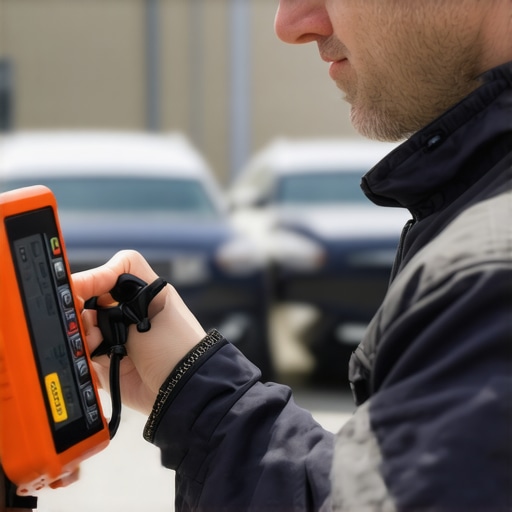
Traditional calibration procedures often assume static environmental conditions, which is a limiting factor when dealing with variable and extreme temperatures. Cutting-edge calibration protocols now incorporate adaptive algorithms that dynamically adjust sensor thresholds based on real-time thermal data. These protocols utilize algorithms embedded within the vehicle’s ECU, which learn and compensate for thermal drift patterns over successive cycles, thereby maintaining measurement accuracy without manual intervention. Such approaches are particularly vital in hybrid and electric vehicles, where precise sensor data directly impacts power management and safety systems.
Implementing these advanced calibration techniques necessitates a deep understanding of control theory and software engineering, emphasizing the importance of interdisciplinary expertise in modern automotive diagnostics. As OEMs incorporate these innovations, technicians will need specialized training to interpret auto-calibrated sensor reports and fine-tune control parameters accordingly.
Harnessing Cutting-Edge Sensor Calibration to Combat Thermal Drift
In the realm of high-precision automotive diagnostics, the standard calibration procedures often fall short when confronting extreme thermal variances, particularly in frigid environments. Innovative adaptive calibration algorithms now enable control modules to dynamically adjust sensor thresholds in real-time, effectively counteracting thermal drift. These systems leverage machine learning techniques that analyze live data streams, identifying subtle shifts caused by temperature fluctuations and recalibrating sensor outputs accordingly. Implementing such solutions ensures transmission systems maintain optimal performance despite harsh cold conditions, reducing shuddering and misdiagnosis.
Deciphering the Hidden Language of Transmission Data for Predictive Maintenance
Advanced data analytics integrated into modern vehicle telematics empower technicians to monitor nuanced sensor patterns and hydraulic parameters continually. By employing predictive modeling techniques, such as neural networks trained on extensive thermal and operational datasets, professionals can identify early warning signs of component fatigue or sensor degradation unnoticed by conventional diagnostics. This proactive approach facilitates targeted interventions, minimizes downtime, and extends transmission longevity—especially vital during cold spells where component stress accelerates.
What Are the Nuances of Thermally Resilient Materials in Transmission Components?
The evolution of material science offers promising avenues to enhance transmission durability under low-temperature stress. Engineers are now incorporating high-strength polymers with exceptional cryogenic flexibility, alongside advanced alloys with superior thermal contraction properties. These materials resist embrittlement and maintain sealing integrity at sub-zero temperatures, mitigating issues like fluid thickening and component warping that lead to shuddering. Such innovations underscore the importance of interdisciplinary expertise in automotive design—merging metallurgy, polymer chemistry, and mechanical engineering—to achieve resilient transmission architectures.
Beyond Lubricants: Can Additive Technologies Revolutionize Cold-Weather Transmission Fluids?
Emerging lubricant formulations integrating nano-sized friction modifiers and cryo-stable additives demonstrate significant potential in improving low-temperature fluid dynamics. These advanced fluids reduce hydraulic resistance and facilitate quicker gear engagement, even amidst severe cold. Recent studies in tribology reveal that nano-engineered additive complexes can lower the effective viscosity threshold, leading to smoother operation and diminished shudder incidents. Nonetheless, their adoption requires careful compatibility testing with OEM specifications, opening new pathways for specialized fluid development tailored to extreme environments.
Implementing Dynamic Sensor Calibration through Thermal Feedback Loops
Progressing from static calibration routines, dynamic calibration employs control algorithms that utilize real-time thermal feedback to continuously fine-tune sensor outputs. By integrating temperature sensors with the control electronics, the system can apply immediate compensation factors when thermal anomalies are detected, ensuring sensor readings remain accurate during rapid temperature shifts. This approach is crucial for hybrid and electric vehicles operating in unpredictable climates, where sensor precision directly influences powertrain stability and safety.
Proactive Transmission Health Monitoring via Cloud-Based Diagnostics
The convergence of IoT and automotive diagnostics facilitates the use of cloud platforms that aggregate sensor data from fleets in real-time. Through sophisticated machine learning models, these systems can predict impending transmission failures exacerbated by low-temperature conditions, enabling timely maintenance interventions. By analyzing patterns such as hydraulic pressure inconsistencies, solenoid response delays, and fluid viscosity variations, technicians gain a strategic advantage in preventing costly repairs and service disruptions—particularly in remote or cold regions where access to immediate repair facilities is limited.
Material Innovations That Defy Cold Stress: The Future of Transmission Longevity
The intersection of nanotechnology and composite materials breeds new possibilities for transmission component resilience. Researchers are developing high-performance composites with embedded nanostructures that resist thermal contraction and inhibit micro-cracking. These materials sustain lubrication seals and gear integrity under freezing conditions, dramatically reducing the risk of shudder and component failure. As these materials mature, they promise to redefine standards for transmission durability in severe climates, emphasizing the vital role of materials engineering in automotive longevity.
Can Specialized Bulletproof Transmission Fluids Extend System Reliability in Extreme Cold?
Indeed, advancements in synthetic and nano-enhanced lubricants are paving the way for transmission fluids capable of withstanding -50°C and below. These formulations utilize stable base oils with minimal pour points and include additives that form protective tribo-films, reducing wear and maintaining hydraulic efficiency at low temperatures. Integrating such fluids requires collaboration with OEMs to ensure compatibility, but their deployment could markedly improve cold start behavior, prevent shudder, and prolong transmission life in the harshest climates.
To remain at the forefront of expert diagnostics, engaging with ongoing research, participating in specialized training, and collaborating with material scientists will empower technicians to implement these future-forward solutions effectively.
Expert Insights & Advanced Considerations
Anticipate Sensor Drift in Extreme Cold: Calibration Must Be Dynamic
Traditional static calibration techniques fall short in severe climates. Implementing adaptive calibration algorithms that respond to real-time thermal data ensures sensor accuracy and transmission stability during winter months.
Materials Science Drives Transmission Resilience: Invest in Innovation
Utilizing high-performance composites and cryogenic-flexible polymers in transmission components can significantly reduce failure rates caused by low-temperature stress, extending component lifespan and maintaining smooth operation.
Predictive Analytics Elevate Maintenance: Transition from Reactive to Proactive
Integrating machine learning models with vehicle data can forecast impending failures related to cold-induced stress. Early detection enables timely intervention, preventing costly repairs and enhancing reliability.
Lubricant Evolution Offers Cold-Weather Advantages
Adoption of nano-enhanced synthetic fluids with low pour points improves hydraulic flow and reduces shuddering during cold starts, ensuring smoother gear engagement and prolonged component health.
Sensor Calibration Is a Team Effort: Collaboration Is Key
Automotive professionals should combine expertise in control algorithms, materials science, and diagnostics to develop comprehensive strategies that mitigate cold-weather transmission issues effectively.
Curated Expert Resources
- International Journal of Automotive Engineering: Offers in-depth research on sensor calibration and thermal effects in vehicle systems.
- Tribology and Automotive Materials Journal: Highlights advances in lubricant formulations and material science for extreme environments.
- Vehicle Diagnostics and Maintenance Guides: Practical resources for implementing predictive analytics and adaptive calibration in real-world settings.
- OEM Technical Manuals: Essential for understanding manufacturer-specific calibration routines and material specifications.
Final Expert Perspective
Addressing cold-start transmission issues requires a holistic approach that integrates advanced sensor calibration, innovative materials, predictive analytics, and specialized lubricants. As vehicle diagnostic technology evolves, so must our strategies to ensure reliability in the most challenging climates. For professionals dedicated to excellence, continuous learning and adaptation are the keys to mastering cold-weather transmission performance. Engage with these resources and share your insights—together, we can push the boundaries of automotive reliability in severe conditions.
Comments are closed.