The manual transmission remains a bastion of mechanical purity in the automotive world, yet its most critical interface—the clutch assembly—often provides subtle warnings that go unheeded until catastrophic failure occurs. Identifying a slipping clutch is not merely about noticing a high-revving engine without a corresponding increase in speed; it involves a nuanced understanding of frictional coefficients and the hydraulic pressure required to maintain total engagement. From a technical standpoint, clutch slippage represents a failure of the friction disc to lock against the flywheel and pressure plate, leading to thermal degradation that can eventually warp the entire assembly. Early detection is the difference between a routine maintenance task and a full transmission overhaul that can cost thousands.
The Subtle Odor of Thermal Decay
Before the tachometer begins to bounce erratically, your olfactory senses will likely pick up on the problem. When a clutch slips, it generates immense heat through friction, much like rubbing two pieces of sandpaper together at high speed. This process releases a distinct, acrid smell similar to burnt toast or singed sulfur. While many drivers might mistake this for other issues, an expert can distinguish this from the specific smell of dragging brakes. This odor indicates that the organic or semi-metallic material on the clutch disc is literally burning away, leading to a glazed surface that further reduces the grip needed for efficient power transfer.
Put the Driveline to the Test Without Leaving Your Driveway
To confirm your suspicions, you do not need a high-end scan tool; you need a controlled environment and a bit of mechanical intuition. One of the most reliable field tests involves placing the vehicle in a high gear, such as fourth or fifth, while traveling at a low speed—roughly 30 mph. Once in gear, firmly depress the accelerator. In a healthy system, the engine should struggle or bog down as it tries to overcome the high load at low RPM. However, if the RPM needle climbs rapidly while the vehicle’s speed remains stagnant, you have confirmed a mechanical slip. This divergence between engine speed and wheel speed is the definitive proof of a failing friction disc. For those dealing with modern systems, you might also want to check transmission fluid levels, as hydraulic leaks can often mimic or cause engagement issues.
Why does my clutch slip only when the engine is cold?
This phenomenon typically points to a contaminated clutch disc or a failing rear main seal. When the vehicle sits, oil or hydraulic fluid may seep onto the friction surface. As you start driving, this lubricant reduces the grip, causing a slip. Once the engine reaches operating temperature, the heat may temporarily burn off the contaminant, restoring some level of friction. However, this is a dangerous signal of an internal leak that will eventually lead to permanent failure. If you are experiencing these symptoms, we encourage you to consult our detailed guide on transmission signs and expert fixes to identify the root cause before you are left on the shoulder of the road.
Distinguish Hydraulic Fatigue from Mechanical Wear
It is vital to differentiate between a worn-out disc and a failing hydraulic actuation system. A spongy pedal or a clutch that bites too close to the floor often indicates air in the lines or a failing master/slave cylinder rather than a worn friction plate. According to technical standards maintained by the Society of Automotive Engineers (SAE), hydraulic integrity is paramount for maintaining the clamp load necessary for high-torque applications. If the pressure plate cannot exert full force due to a hydraulic leak, the disc will slip even if it has plenty of friction material left. Proper vehicle diagnostics must always include an inspection of the hydraulic reservoir and lines to rule out these secondary failures before committing to a costly clutch replacement.
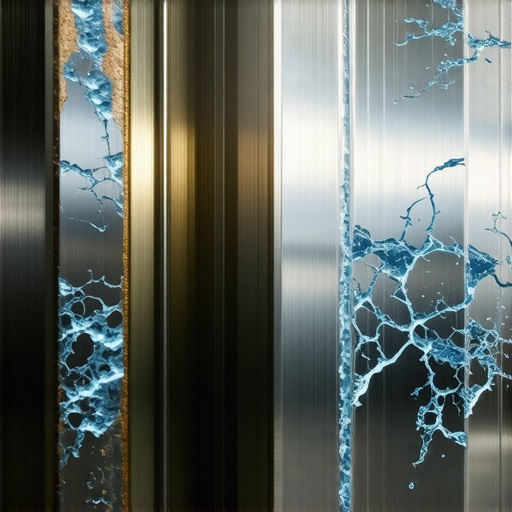
Surface degradation often extends beyond the clutch disc itself, migrating into the metal surfaces of the flywheel and pressure plate. When excessive slippage occurs, the kinetic energy transforms into thermal energy so rapidly that the steel develops ‘blue spots’—localized areas of extreme heat that have altered the metallurgy of the metal. These hardened spots prevent the new disc from bedding in correctly, which often leads to a persistent chatter during takeoff. To ensure a professional-grade repair, one must apply top auto repair techniques that include checking the flywheel for lateral runout and surface flatness. Ignoring a warped flywheel while simply ‘slapping in’ a new disc is a recipe for premature failure and inconsistent pedal feel.
Heat Checks and the Danger of Surface Glazing
As you push your vehicle under heavy load, such as climbing a steep grade or towing, the friction material can reach a critical temperature known as the glazing point. Once glazed, the disc becomes smooth and shiny, losing its ability to bite into the flywheel. This is remarkably similar to the way brake rotors lose effectiveness when they are overheated and contaminated. In many cases, a driver might notice the engine revving higher while the car feels sluggish, a symptom that is often confused with other issues like a clogged fuel system. However, if the car feels underpowered primarily in higher gears, the clutch is almost certainly the culprit. If your vehicle feels generally slow across the board, you might also want to investigate why your car feels sluggish due to intake or exhaust restrictions to rule out engine-side power loss.
Is that rhythmic chirping noise a sign of imminent clutch failure?
Sound is a powerful diagnostic tool in the manual world. If you hear a high-pitched chirping or whirring sound that disappears as soon as you rest your foot on the clutch pedal, you are likely hearing a failing throw-out bearing. This bearing facilitates the transition between the stationary clutch fork and the spinning pressure plate. When the internal races of this bearing wear out, it creates friction and heat that can eventually melt the bearing retainer, leaving you unable to disengage the gears. Expert testing suggests that drivetrain noise should be isolated by gear and engine speed; for instance, if the noise changes based on wheel speed rather than engine speed, you might actually be looking at the specific noise of a failing wheel bearing rather than an internal transmission issue.
The Critical Role of the Pilot Bearing in Shaft Alignment
A frequently overlooked component during a clutch job is the pilot bearing or bushing. This small part supports the end of the transmission input shaft where it meets the crankshaft. If this bearing seizes or wears, the input shaft will vibrate, causing the clutch disc to oscillate and wear unevenly. According to drivetrain endurance data from Car and Driver, even a few thousandths of an inch of misalignment can significantly increase the parasitic drag on a manual transmission, leading to harder shifts and accelerated synchronizer wear. Have you experienced difficulty shifting into first gear at a stoplight recently? Share your vehicle’s symptoms in the comments below, or tell us about the last time you performed a DIY clutch swap and what hurdles you faced.
Adjust Your Driving Habits to Protect the Friction Zone
Longevity in a manual transmission is dictated by how long the driver spends in the ‘friction zone’—that intermediate point where the clutch is neither fully engaged nor fully disengaged. Riding the clutch in stop-and-go traffic is the leading cause of early pressure plate fatigue. For those in hilly terrain, using the handbrake to prevent rolling back rather than ‘holding’ the car with the clutch can save years of wear on the disc. If you notice your engine struggling or if your engine pings under load while you are slipping the clutch, you are subjecting the entire driveline to unnecessary stress. Proper technique involves quick, decisive shifts and ensuring the foot is completely off the pedal between gear changes to maintain the maximum clamping force provided by the pressure plate diaphragm springs.
Why Clamp Load Matters More Than Friction Material
While most enthusiasts focus on the aggressive ‘bite’ of a ceramic or puck-style disc, the actual torque capacity of a manual transmission is primarily dictated by the pressure plate’s clamping force. This force is the result of the diaphragm spring’s tension against the friction disc and flywheel. As a clutch wears thin, the geometry of this spring changes, often leading to a reduction in effective pressure. For those pushing their vehicles beyond factory power levels, understanding this relationship is vital. According to technical standards from the National Institute for Automotive Service Excellence (ASE), even a minor reduction in clamp load can lead to micro-slippage, which generates localized heat that eventually alters the temper of the spring steel, creating a cycle of progressive failure. If you are experiencing this, you might need more than just a new disc; you may need a high-clamp pressure plate to maintain drivetrain integrity.
Can a leaking rear main seal cause permanent clutch slippage?
Absolutely, and this is one of the most frustrating failures for a technician to diagnose because the mechanical components often look healthy upon initial inspection. When a rear main seal or an input shaft seal fails, it allows engine oil or gear oil to coat the friction material. Unlike brake pads, which might survive a light cleaning, organic clutch discs act like sponges. The oil becomes embedded in the fibers, and under the high heat of engagement, it undergoes a chemical change that permanently lowers the coefficient of friction. This leads to a sensation where the clutch feels ‘soft’ and fails to lock up under heavy throttle. If you suspect a leak, it is essential to check transmission fluid levels and inspect the bellhousing for dampness before simply replacing the clutch assembly, or you will likely ruin the new parts within weeks.
The Hidden Danger of a Failing Dual-Mass Flywheel
Modern vehicles often employ a Dual-Mass Flywheel (DMF) to dampen the torsional vibrations of high-torque engines. Unlike a traditional solid flywheel, a DMF consists of two plates connected by an internal spring and grease system. When these internal components fatigue, the flywheel can develop excessive play, mimicking the symptoms of a slipping or chattering clutch. An expert diagnostic approach involves measuring the ‘rock’ or rotational free-play of the DMF against factory specifications. If the internal dampening grease has leaked out or the springs have snapped, no amount of clutch disc replacement will fix the underlying vibration or engagement issues. 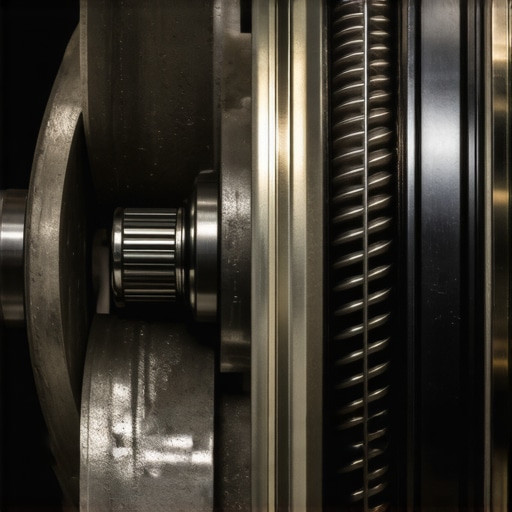 This complexity is why many owners choose to convert to a single-mass flywheel during a repair, though this often introduces more ‘gear rattle’ noise into the cabin. Are you unsure which path to take for your specific vehicle? Check out our breakdown of transmission repair strategies to weigh the pros and cons of DMF versus solid conversions.
Choose Your Friction Material Based on Torque Not Ego
The market is flooded with ‘Stage 2’ and ‘Stage 3’ clutch kits, but selecting an overly aggressive material for a daily driver can be a costly mistake. Sintered iron or ceramic pucks have a very high coefficient of friction, but they lack the ‘slip’ required for smooth takeoffs in traffic. This results in an ‘on-off’ switch feel that puts immense shock load on the universal joints and differential. For a vehicle that primarily sees street use, a high-quality organic disc with a heavy-duty pressure plate is almost always the superior choice. It provides the necessary heat dissipation while maintaining a civil pedal feel. If your car is currently difficult to drive smoothly, you might be dealing with an incorrectly matched kit or vehicle diagnostic errors from a previous owner’s modifications. Understanding the thermal limits of these materials is the first step in building a reliable driveline that can handle both the commute and the occasional spirited run.
Even after addressing the flywheel and pressure plate, a lingering issue often resides in the microscopic interface between the clutch disc and the transmission input shaft. If the splines on the shaft are corroded or lack the proper high-temperature molybdenum grease, the friction disc cannot slide freely. This mechanical hang-up prevents the disc from fully seating against the flywheel, leading to a subtle but damaging slip that feels identical to a worn-out component. #IMAGE_PLACE_HOLDER_D# Furthermore, using the wrong lubricant can be just as detrimental as using none at all; grease with a low dropping point will liquefy under the intense heat of the bellhousing, migrating onto the friction surfaces and causing immediate contamination. It is these minute details that separate a standard repair from a high-performance installation that lasts for over a hundred thousand miles.
Eliminate Shudder by Inspecting Your Engine and Transmission Mounts
Often, what a driver perceives as a slipping or chattering clutch is actually a symptom of excessive powertrain movement. When engine or transmission mounts fatigue, the entire driveline can tilt under load, placing undue stress on the hydraulic lines or mechanical linkages. This movement can inadvertently pull on the clutch release fork, reducing the effective clamp load of the pressure plate just enough to allow the disc to spin. According to technical bulletins from the Automotive Service Association (ASA), identifying these secondary failures is a prerequisite for any drivetrain diagnostic process. A car that “shudders” during takeoff might not need a new clutch at all; it might simply need new rubber isolators to keep the transmission aligned with the chassis, ensuring that every pound of foot-pressure translates into a clean, decisive engagement.
Can a poorly bled hydraulic system cause premature wear on a brand-new disc?
Absolutely, and the mechanics of this failure are often misunderstood. If air bubbles remain trapped in the slave cylinder, they expand as the fluid heats up during normal operation. This expansion creates a “pre-load” on the release bearing, effectively mimicking a driver who is “riding the clutch.” The pressure plate is partially disengaged even when your foot is entirely off the pedal, leading to micro-slippage that glazes the disc within just a few hundred miles of city driving. Ensuring a perfect bleed, perhaps using a vacuum-pressure bleeder, is the only way to guarantee that the hydraulic system is fully retracting. If you have recently replaced your clutch and noticed a shifting bite point, we strongly urge you to re-examine the hydraulic circuit before the friction material is permanently compromised.
Bridge the Gap with Carbon-Kevlar and Hybrid Friction Compounds
For enthusiasts who have increased their engine’s torque output beyond factory specifications, a standard organic disc may no longer suffice, regardless of how new it is. Modern friction technology has introduced hybrid compounds—such as carbon-kevlar or segmented ceramic—that offer a higher coefficient of friction without the brutal engagement of a pure racing clutch. These materials are designed to withstand the high-thermal loads that would typically cause “fading” in an organic disc. However, these advanced materials require a more disciplined “break-in” period, often spanning 500 to 1,000 miles of stop-and-go driving, to allow the material to transfer a thin layer of film onto the flywheel surface. Skipping this step can lead to an inconsistent pedal feel and a significantly shortened lifespan. Do you have questions about which friction material is right for your specific build? Leave a comment below with your vehicle’s torque specs and intended use, and let’s discuss the ideal setup for your needs.
Expert Insights and Advanced Observations
Thermal Damage and the Permanent Loss of Grip
A common misconception is that a slipping clutch recovers once it cools. While surface temperatures drop, the heat generated during slipping often alters the organic resin within the friction material, leading to a permanent reduction in the coefficient of friction. Utilizing top auto repair techniques means identifying this ‘heat-glazing’ early. If you suspect your transmission is underperforming, our guide on transmission signs and expert fixes details the structural changes that compromise gear engagement.
The Load Test That Reveals the Truth
Instead of relying on dashboard lights, experts use the high-gear load test to evaluate the pressure plate’s clamping force. By attempting to accelerate from low speeds in fourth or fifth gear, you force the engine to exert maximum torque against the friction disc. If the RPMs rise without a speed increase, you have confirmed a mechanical failure that simple adjustments cannot fix. Mastering this level of vehicle diagnostics is essential for avoiding unnecessary parts-swapping.
Why Pilot Bearings Dictate Clutch Longevity
Many technicians overlook the pilot bearing, yet it is the primary support for the transmission input shaft. A worn bearing causes the shaft to oscillate, leading to uneven disc wear and eventual chatter during engagement. Whenever addressing transmission troubles, always replace this component to ensure the internal alignment remains within factory tolerances. #IMAGE_PLACEHOLDER_E#
Authoritative Technical Resources
For those looking to deepen their technical proficiency, the following resources provide industry-standard data on manual drivetrain systems:
- The Society of Automotive Engineers (SAE) Materials Database: Offers deep-dives into the physics of frictional materials and thermal properties of modern clutch compounds.
- ASE Certification Prep (A3 Manual Drive Train): The definitive guide for professional mechanics regarding manual transmission troubleshooting and repair procedures.
- Reliable Auto Cares Technical Library: Our comprehensive look at transmission repair strategies helps owners navigate the choice between OEM and aftermarket performance kits.
- Car and Driver Drivetrain Series: Provides real-world data on how flywheel mass and friction materials impact vehicle dynamics.
The Path to Permanent Drivetrain Health
Successfully addressing clutch slippage requires a holistic understanding of how clamp load, thermal management, and shaft alignment intersect. By recognizing the early signs of glazing and maintaining the hydraulic integrity of the system, you can extend the life of your manual transmission by tens of thousands of miles. To continue refining your maintenance skills, we recommend reading our expert auto repair tips for 2025. We invite you to share your own diagnostic stories or technical hurdles in the comments below—your professional insights help the entire community build better, more reliable vehicles.