The transition from reverse to drive is a high-stress synchronization event within any automatic transmission, necessitating a precise sequence of hydraulic pressure shifts and solenoid engagements. When a vehicle exhibits a noticeable delay during this process, it is rarely an isolated software glitch. Instead, it typically indicates a degradation in the hydraulic circuit’s integrity or a failure in the pulse-width modulation (PWM) of the shift solenoids. Professional vehicle diagnostics reveal that even a two-second hesitation can lead to increased friction on the internal clutch packs, accelerating wear and leading to eventual mechanical collapse. Understanding the interplay between fluid dynamics and electronic control is essential for any meaningful auto repair strategy in 2025.
Stop the Hesitation Before Your Gearbox Overheats
In many modern vehicles, a delay in engagement is the first sign of internal pressure loss. This is often caused by hardened rubber seals that no longer provide a tight interface for the transmission fluid to move the pistons. When the pressure is inconsistent, the friction plates do not compress instantly, causing a ‘sliding’ effect into gear. This friction generates immense heat, which further breaks down the chemical properties of the lubricant. To prevent this, a comprehensive car service should involve more than just a fluid check; it requires a line pressure test to verify if the pump is meeting the manufacturer’s specified PSI. Neglecting these symptoms often results in the surprising reason your transmission overheats while driving uphill, where the system is under maximum load.
Why Does Cold Weather Make the Reverse-to-Drive Transition Even Slower?
Temperature plays a pivotal role in transmission behavior because fluid viscosity increases significantly in sub-zero conditions. If your vehicle struggles only during the first few minutes of operation, you likely have an issue with fluid flow or a clogged internal filter. Furthermore, many manufacturers market their products with the promise of ‘filled-for-life’ units, but industry experts agree that the truth about lifetime transmission fluid is that it leads to premature failure. Thick, contaminated fluid cannot pass through the intricate valve body quickly enough to meet the demands of the Electronic Control Unit (ECU), resulting in that frustrating lag when you are trying to exit a parking space.
Professional Diagnostics for Precision Hydraulic Control
When simple fluid maintenance fails to rectify the delay, technicians must look toward the valve body—the ‘brain’ of the transmission. Modern units utilize complex solenoids that act as gates for the fluid. If these gates become sticky due to varnish buildup, the engagement will be erratic. Specialized tools, such as the $20 scan tool that actually finds hidden transmission codes, can help enthusiasts identify if the ECU is detecting a ‘gear ratio error’ or a ‘slow response’ from a specific solenoid. For those looking to manage their own maintenance, learning how to check your transmission fluid level without a dipstick is the first step in ensuring the hydraulic system isn’t simply starved of the medium it needs to function. According to technical reports from the Automatic Transmission Rebuilders Association (ATRA), early intervention in hydraulic delays can save owners thousands in replacement costs. If you are noticing these symptoms, visit our contact page to consult with a specialist today.
Physical Slop Mimicking Hydraulic Lag
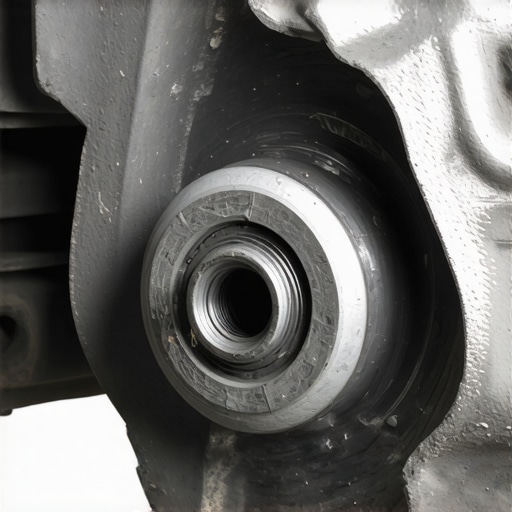
Sometimes the perceived delay between reverse and drive isn’t a hydraulic timing issue at all, but a breakdown in the physical connection between the engine and the chassis. When the rubber in your engine or transmission mounts perishes, the entire drivetrain rotates significantly before transferring power to the axles. This ‘slop’ creates a distinct thud or a momentary pause that drivers often confuse with an internal gearbox hesitation. If you notice that your car lurches forward only after a sharp vibration, you might be dealing with the same root cause that explains why your gearbox makes a clunking sound when you stop fast. Inspecting these mounts requires a partner to hold the brake while slightly revving the engine in gear; if the block tilts excessively, the hydraulic system may actually be healthy while the hardware is failing. The interaction between the differential and the axles can also create a false sensation of hesitation. If a CV joint has excessive play, the transmission might engage internally, but the torque doesn’t reach the wheels until the gap in the joint is closed, mirroring the symptoms of the real reason your transmission slips during sharp left turns.
Does Your Car’s Brain Hide Mechanical Wear Until It’s Too Late?
Modern Transmission Control Modules (TCMs) are equipped with ‘adaptive learning’ algorithms designed to maintain shift quality as internal components wear down. As clutch packs thin, the computer gradually increases line pressure or extends solenoid duty cycles to compensate for the extra travel required. While this keeps the drive feel smooth for thousands of miles, it can mask a terminal decline. Research by SAE International on shift-logic optimization indicates that by the time a driver notices a consistent three-second delay, the adaptive limits have likely been exceeded, leaving no room for further software compensation. This is why a vehicle might run perfectly one day and experience a total loss of drive the next; the ‘ghost in the machine’ can no longer hide the friction material’s absence. Owners should use a bi-directional scan tool to check ‘clutch volume indexes’ (CVI), which provide a digital window into how much life is actually left on those internal plates before a complete rebuild becomes unavoidable.
Why a Forced Flush Often Destroys Aging Seals
When faced with a hesitant transmission, many owners rush to perform a high-pressure flush, hoping a detergent-heavy cleaning will clear the valve body. However, this is one of the most polarizing topics in vehicle maintenance. In high-mileage units, the suspended friction material in the old fluid is often the only thing providing enough ‘grip’ for worn clutch plates to engage. A machine-powered flush can dislodge debris and wedge it into the sensitive solenoid screens, exacerbating the problem. Instead, savvy DIYers should learn how to flush your own transmission fluid without a machine, utilizing a gravity-drain or low-pressure method that doesn’t shock the system. Understanding the truth about transmission flushes and why they can be dangerous is vital before you inadvertently turn a minor delay into a catastrophic slip. If you are experiencing specific gear issues, such as why your transmission shifts hard only between second and third, a gradual fluid exchange is always the safer path. Have you noticed a specific delay in your car? Share your vehicle’s mileage and symptoms in the comments below—it might help another owner spot a failing TCM before it’s too late.
The Ghost in the Wiring Harness
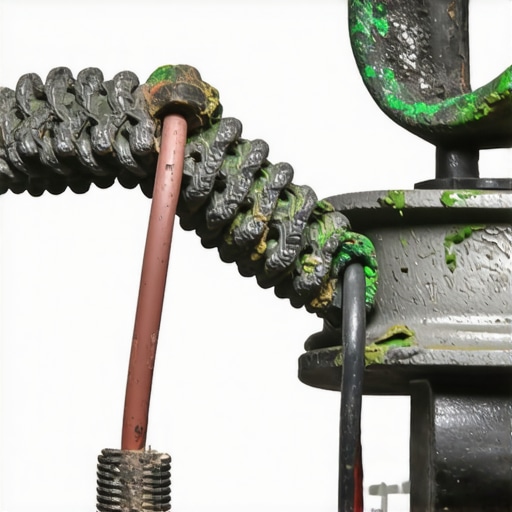
While hydraulic pressure is the lifeblood of a gearbox, electrical integrity is its nervous system. Often, a delay from reverse to drive isn’t caused by a failing pump but by high resistance in the wiring harness or a corroded ground strap. In modern vehicles, solenoids require a specific amperage to move the internal valves against spring pressure. If the grounding point on the engine block or chassis is oxidized, the voltage drop forces the solenoid to move sluggishly, creating a perceptible lag. This is particularly common in vehicles that have been exposed to road salt or high-humidity environments. Professional vehicle diagnostics should always include a multi-meter check of the TCM power and ground circuits before condemning the transmission itself. A simple cleaning of a ten-dollar ground cable can frequently resolve what an owner feared was a three-thousand-dollar rebuild.
Can a Faulty Speed Sensor Cause a Delay When Shifting Into Drive?
Yes, and the mechanism behind it is surprisingly complex. The Transmission Control Module (TCM) monitors the Input Speed Sensor (ISS) and Output Speed Sensor (OSS) to verify that the internal components are synchronized before it fully applies the clutch packs. If either sensor is sending ‘noisy’ or intermittent data, the computer may pause the engagement as a fail-safe to prevent a harsh shift that could snap a hard part. This hesitation is the TCM essentially ‘waiting’ for a clean signal to confirm it is safe to proceed. Enthusiasts can use the $20 scan tool that actually finds hidden transmission codes to view live data streams from these sensors; if the RPM readings jump erratically while the car is stationary, you’ve likely found your culprit. If you suspect your harness is the culprit, our diagnostic team can perform a voltage drop test to pinpoint the exact wire.
Why Multi-Vehicle Fluids Often Fail the Friction Test
The chemistry of transmission fluid is far more than just lubrication; it is a precisely engineered friction medium. Many ‘universal’ fluids claim to meet dozens of manufacturer specifications, but they often lack the specific friction modifiers required by certain European or Japanese Aisin and ZF units. According to research from the Society of Tribologists and Lubrication Engineers (STLE), the coefficient of static friction must be perfectly matched to the clutch plate material to ensure instant ‘bite.’ When an incorrect fluid is used, the plates may slide against each other for a fraction of a second longer than intended during the shift from reverse to drive. This not only causes a delay but creates micro-shavings that eventually clog the valve body. This is why the truth about lifetime transmission fluid is so dangerous—as those modifiers break down over 100,000 miles, the fluid’s ability to facilitate quick engagement vanishes, even if the level is technically correct.
The Torque Converter’s Hidden Influence on Engagement
The torque converter acts as a fluid coupling between the engine and the transmission, and its internal ‘stator’ or ‘impeller’ can occasionally cause engagement issues. If the internal one-way clutch in the converter begins to fail, or if the converter is ‘ballooning’ due to excessive heat, it can interfere with the initial fluid charge required to fill the forward clutch drum. This results in a soft or delayed engagement that feels like a slipping clutch. Drivers often confuse this with the real reason your transmission slips during sharp left turns, as both involve a temporary loss of torque transfer. However, a converter-related delay is usually most prominent during the very first shift of the day when the fluid has drained back into the pan. Understanding the difference between a pump-priming issue and a converter drain-back problem is key to avoiding unnecessary labor costs during an auto repair session.
While the torque converter often takes the blame for sluggish response times, the intricacies of the clutch-apply piston’s stroke distance are frequently overlooked. In high-performance or high-mileage units, the return springs within the clutch drum can lose their tension, or the piston seals may develop micro-tears that only leak under specific pressures. This results in an increased ‘fill time’—the millisecond-level window where the TCM expects the clutch to be fully engaged. If the hardware can no longer keep pace with the software’s timing map, the driver experiences that dreaded hesitation. Sophisticated vehicle diagnostics now allow technicians to monitor these ‘fill times’ in real-time, providing a quantitative look at internal health before any hardware is removed.
Why Micro-Fractures in the Piston Housing Halt Your Drive
As aluminum components age, they are subject to work-hardening and eventual stress fracturing. The forward clutch housing, which bears the brunt of the transition into drive, can develop hairline cracks that expand as the metal reaches operating temperature. These fractures bleed off hydraulic pressure, preventing the piston from exerting the necessary force on the friction plates. Unlike a simple seal failure, these structural issues often present as intermittent delays that vanish and reappear without a clear pattern. When performing auto repair on these units, a simple visual inspection is insufficient; a dye penetrant test is often required to locate the pressure leak.
Can a Failing Alternator Actually Trigger a Transmission Engagement Lag?
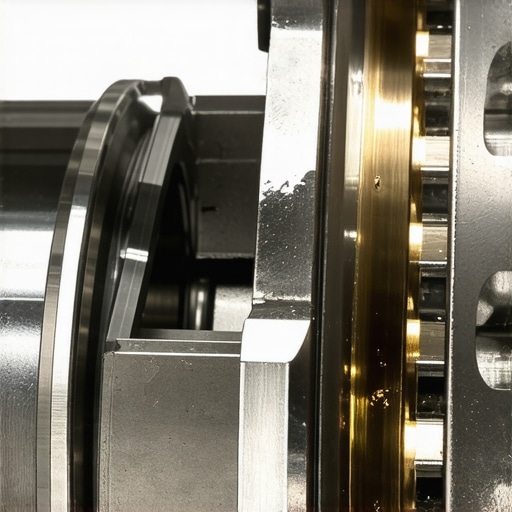
It is a little-known fact among enthusiasts that the solenoids governing your gearbox are highly sensitive to voltage ripples. An alternator with a failing diode may still produce 14 volts, but the AC interference it introduces into the DC electrical system can ‘confuse’ the TCM. This electrical noise slows down the solenoid’s reaction time, causing a physical lag in the hydraulic circuit. According to technical documentation from ZF Friedrichshafen, even a minor deviation in current stability can alter the pulse-width modulation (PWM) signal enough to delay gear engagement by nearly half a second. If your battery light flickers or your headlights dim at idle, your transmission delay might actually be a charging system failure masquerading as a mechanical breakdown.
Beware the Silent Killer of Hydraulic Pressure: Fluid Cavitation
Aeration, or ‘foaming’ of the transmission fluid, is a catastrophic state where air bubbles are compressed instead of the fluid itself. Since air is compressible and hydraulic fluid is not, any air trapped in the lines causes a massive drop in effective pressure. This usually happens when the fluid level is too high—causing the spinning gears to whip air into the lubricant—or when a suction-side leak in the filter neck allows the pump to draw in air. This cavitation prevents the valve body from ‘charging’ the drive circuits instantly. Ensuring you have the right volume is vital, and mastering how to check your transmission fluid level without a dipstick is the only way to verify you aren’t inadvertently frothing your gearbox’s lifeblood. If you have ruled out electronics and seals, a pressure gauge should be tapped into the main line to watch for the needle ‘flutter’ that indicates air contamination. Don’t wait for the gears to grind; book a comprehensive hydraulic health check today to pinpoint the exact source of your hesitation before it leads to a total burn-up.
Expert Insights & Advanced Considerations
Pressure Drops and the Secret Life of Valve Body Separator Plates
Beyond the seals, the metal separator plate within the valve body can develop ‘worm tracking’ where the fluid etches a path between circuits over hundreds of thousands of cycles. This bypasses the intended hydraulic logic, causing a delay as the system struggles to build sufficient pressure in the drive circuit while simultaneously bleeding off into an adjacent channel. If you suspect internal leakage, professional vehicle diagnostics should include a wet-air test to visualize exactly where the bypass is occurring within the casting.
Don’t Blame the Gears When the Ground is Bad
A transmission is only as responsive as the amperage reaching its solenoids. High resistance in a chassis ground can lead to sluggish actuator response that feels identical to a failing pump. Before committing to a rebuild, investigate the hidden ground wire that causes intermittent starting issues, as these same electrical paths often support the Transmission Control Module (TCM). Utilizing the $5 tool for finding electrical shorts in minutes can save you from an expensive and unnecessary mechanical overhaul by identifying voltage drops before they cripple your solenoids.
Your Computer Might Be Lying to You About Wear
Modern vehicles use Clutch Volume Index (CVI) values to compensate for thinning friction plates. The computer ‘relearns’ how much fluid it needs to stroke the piston as the clutch material wears down. By the time you feel a hesitation, the software has already hit its compensation limit, meaning the mechanical hardware is at a breaking point. This is a critical stage in top auto repair techniques every car owner should know; if the CVI values are out of spec, no amount of fluid changes will restore the mechanical bite required for instant engagement.
#IMAGE_PLACEHOLDER_E#
Curated Expert Resources
For those seeking to master the intricacies of drivetrain health, the following resources are indispensable for deep technical dives into hydraulic logic and electronic control.
- ATRA (Automatic Transmission Rebuilders Association) Technical Bulletins: These provide the most current field data on specific solenoid failures and hydraulic circuit updates directly from the master technicians who rebuild these units daily.
- SAE International Research Papers: Ideal for understanding the fluid dynamics of friction modifiers and how they interact with modern clutch materials at a molecular level to prevent slipping.
- ZF Aftermarket Diagnostic Guides: Since many modern vehicles utilize ZF-designed transmissions, their official troubleshooting manuals offer the highest level of precision for diagnosing shift delays in luxury and performance vehicles.
Final Expert Perspective
Addressing a delay when shifting from reverse to drive requires a shift in perspective—from viewing the transmission as a simple box of gears to seeing it as a symbiotic relationship between hydraulic pressure, electrical signals, and software adaptation. Whether the root cause is a shrunken seal, a contaminated solenoid, or a failing ground, early detection is the only way to avoid the catastrophic costs associated with total transmission failures. Learning how to find reliable car service near you in 2025 ensures you have a partner who analyzes real-time data rather than just guessing with expensive parts. If your car is hesitating, don’t wait for the ‘Check Engine’ light to tell you what your gears are already screaming. Reach out to our team through our contact page to secure a precision diagnostic session today.