The Engineering Behind the Shift Interlock Lockdown
Experiencing a gear shifter that refuses to move from the ‘Park’ position is a common yet deeply frustrating scenario that often signals a breakdown in the vehicle’s safety logic rather than a catastrophic mechanical failure. Modern auto repair has shifted away from purely mechanical linkages toward sophisticated electronic control systems. Since the early 1990s, manufacturers have implemented the Brake Transmission Shift Interlock (BTSI) as a mandatory safety protocol. This system ensures that the driver has depressed the brake pedal before the transmission can be engaged, preventing unintended acceleration. According to safety standards established by the National Highway Traffic Safety Administration (NHTSA), these systems are critical for preventing roll-away accidents, but when a single sensor or solenoid fails, the entire vehicle becomes effectively immobile.
Is Your Brake Light Switch Silently Sabotaging the Drivetrain?
The most frequent culprit in these lockouts is not the internal gears but a humble electronic component: the brake light switch. Located just above the brake pedal arm, this switch sends a vital signal to the Transmission Control Module (TCM) indicating the pedal is depressed. If this circuit fails, the shift interlock solenoid never receives the ‘release’ command. When performing vehicle diagnostics, an expert technician looks for more than just brake light functionality; they analyze the dual-circuit signals that many modern vehicles use. If you suspect this is the issue, you might find that the $12 fix for a car that will not shift out of park is often just a simple switch replacement or a blown fuse check.
Why Do Minor Voltage Drops Mimic Total Transmission Failure?
Electrical integrity is the backbone of modern shifting. A weak battery or a corroded ground wire can drop the voltage just enough to prevent the solenoid from pulling the locking pin back, even if the lights on your dashboard seem bright. This is where advanced car service routines prove their worth. By measuring the duty cycle of the solenoid via a high-end scan tool, professionals can differentiate between a mechanical jam and an electrical deficiency. If your car has been struggling with other electrical gremlins, it is worth reviewing transmission failures decoded to see if your symptoms align with wider system issues involving the solenoid pack or the neutral safety switch.
The Role of Precision Diagnostics in Resolving Shift Issues
Attempting to force a stuck shifter can lead to expensive damage to the center console or the linkage cables. Instead, leveraging the hidden world of vehicle diagnostics allows for a non-invasive look into the car’s internal logic. Often, a stored fault code in the Body Control Module (BCM) will point directly to the failed component. If you find yourself stranded, most vehicles have a shift lock override—usually a small slot near the shifter—to manually bypass the solenoid, but remember that this is a temporary measure. For a permanent resolution, schedule a professional consultation to ensure your safety systems are functioning as engineered. Contact our expert team today to diagnose your shifting issues before they leave you permanently stranded on the roadside.
When Plastic and Metal Fail Below the Center Console
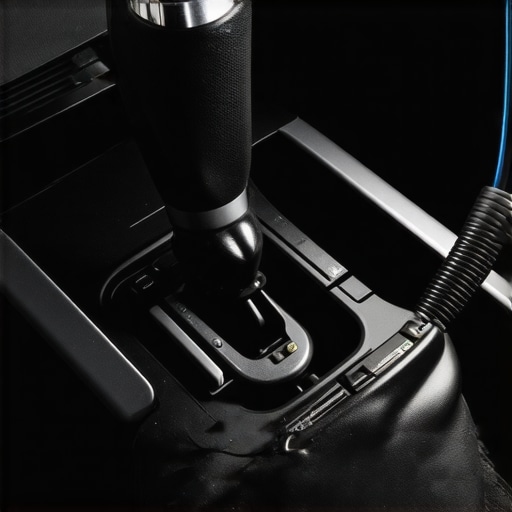
While electronic signals usually dictate the shifter’s movement, the physical connection between your hand and the gearbox is equally susceptible to failure. Modern automatic transmissions utilize a series of nylon bushings and heavy-duty cables that can stretch or snap over thousands of cycles. If the interlock solenoid is clicking but the lever remains immovable, the issue often resides in a jammed linkage or a degraded bushing. For many vehicle owners, the 10-minute fix for a loose shift linkage can resolve a ‘mushy’ shifter feel before it leads to a total lockout. Expert technicians often find that road debris or heat from the exhaust system has compromised the cable’s protective sleeve, creating friction that the interlock solenoid simply cannot overcome.
Why Does the Shifter Move Freely Only When the Engine is Off?
This specific symptom is a diagnostic goldmine for professionals. When a shifter operates perfectly with the engine off but locks up once the vehicle is running, it often points to a vacuum-related or hydraulic pressure issue within the transmission itself. In some older designs, engine vacuum was used to modulate shift timing, and a leak could create physical resistance in the internal valving. According to technical standards published by SAE International, the integration of electronic ‘shift-by-wire’ systems was designed to eliminate these mechanical headaches, but it introduced a new layer of software dependencies. If your vehicle exhibits this behavior, it is crucial to investigate transmission troubles and how to save time and money with targeted repairs rather than assuming the entire gearbox requires an overhaul.
Neutral Safety Switches and the Logic of Detection
The neutral safety switch (NSS) serves as the gatekeeper for the starting and shifting circuit. Its primary job is to confirm that the transmission is in either ‘Park’ or ‘Neutral’ before allowing the engine to fire. However, if the NSS is misaligned or contaminated by oil, it may send a ‘false’ signal to the vehicle’s computer, indicating that the car is in a drive gear even when it is physically in Park. This discrepancy will keep the shift interlock engaged as a safety precaution. This scenario highlights why professional vehicle diagnostics are superior to simple parts swapping; a technician can use a multimeter to verify the exact resistance values of the switch, ensuring that the car service performed actually addresses the root cause rather than just the symptoms.
Environmental Threats to Your Shifting Logic
Temperature extremes and cabin cleanliness play surprisingly large roles in shifter reliability. In northern climates, the grease inside the shifter assembly can thicken to a clay-like consistency, preventing the small locking pin from retracting fully. You might notice that your transmission shifts hard when the engine is cold, which is often mirrored by a stubborn shifter lever. Furthermore, the center console is a magnet for liquid spills. Coffee or soda can seep into the interlock solenoid, creating a sticky residue that physically glues the locking mechanism in place. If you are struggling with a shifter that feels physically stuck rather than electronically locked, a thorough cleaning of the internal mechanism might be the only ‘repair’ you actually need. Have you dealt with a shifter that only works after the car warms up? Let us know in the comments, or find out how to find reliable car service near you in 2025 to get a professional evaluation before your next road trip.
When Data Packets Clash on the CAN Bus Network
In the era of interconnected vehicle modules, the shift interlock is no longer just a physical wire; it is a digital handshake. Modern vehicle diagnostics frequently uncover issues where the hardware is perfectly intact, but the communication protocol has failed. When you press the brake pedal, the Brake Control Module sends a ‘status: depressed’ data packet over the Controller Area Network (CAN bus). The Body Control Module (BCM) must interpret this and relay a command to the transmission. If there is electromagnetic interference or a high-resistance short in the CAN High or CAN Low lines, this message never arrives. High-level car service now requires the use of an oscilloscope to visualize these data packets, ensuring that the ‘digital noise’ isn’t what’s keeping your vehicle in Park.
Can a Blown Brake Light Fuse Actually Lock Your Shifter?
It seems improbable that a minor electrical protection device could immobilize a two-ton vehicle, but in many Toyota and Ford architectures, the shift interlock solenoid is wired directly into the same circuit as the brake lights. If you have a short-circuit in your trailer wiring or a corrupted bulb socket that pops that fuse, the solenoid loses its power source entirely. This is why checking the fuse box is the first step in any expert-level diagnostic routine. Before assuming you need a major transmission repair, verify that your brake lights are actually illuminating; if they aren’t, the solution might be a $0.50 piece of plastic rather than a multi-hundred-dollar sensor replacement. For more on these surprising electrical links, see the $12 fix for a car that will not shift out of park.

Security System Faults that Hold Your Gearbox Hostage
Anti-theft systems are designed to be intentionally intrusive to prevent unauthorized vehicle movement. If the immobilizer system detects a discrepancy—perhaps due to a dying key fob battery or a failing transceiver in the steering column—it may allow the engine to start but refuse to release the shifter. This is a ‘soft lockout’ intended to prevent a thief from driving the car away even if they have bypassed the ignition. Advanced technicians use bi-directional scan tools to query the Immobilizer Control Module for ‘unauthorized start’ flags. If you suspect your security system is overreacting, it may be worth investigating the hidden world of vehicle diagnostics to see how modern BCMs handle security-related lockouts.
Functional Safety Standards and the Shift-by-Wire Era
As we move toward electric and autonomous vehicles, the traditional shift lever is being replaced by buttons, dials, and touchscreens—a system known as shift-by-wire. These systems must adhere to strict functional safety standards, such as those outlined in ISO 26262, which governs road vehicle electronic safety. In a shift-by-wire setup, an electric actuator on the transmission housing does the actual work of moving the internal park pawl. If the actuator’s internal position sensor disagrees with the driver’s input by even a few millimeters, the system will default to a locked ‘safe state.’ This level of complexity means that auto repair for modern luxury vehicles often involves software recalibrations rather than grease and wrenches. If your electronic shifter is flashing or refusing to engage, it might be time to contact our expert team today to perform a module reset and diagnostic sweep.
Physical Degradation Inside the Shifter Housing
While we often blame sensors, the mechanical pivot points within the floor shifter assembly are prone to silent wear that mimics electronic failure. Over time, the factory-applied synthetic grease attracts dust and particulate matter, transforming into an abrasive paste that grinds down nylon bushings. This creates a ‘tolerance stack-up’ where the interlock solenoid fires correctly, but the physical gate remains misaligned by a fraction of a millimeter. In high-mileage vehicles, this mechanical drift is a frequent cause of intermittent lockouts that defy basic auto repair logic. A skilled technician won’t just replace the solenoid; they will inspect the entire throw of the cable to ensure no fraying has occurred within the protective sheath, which can create enough friction to overcome the solenoid’s pulling force. 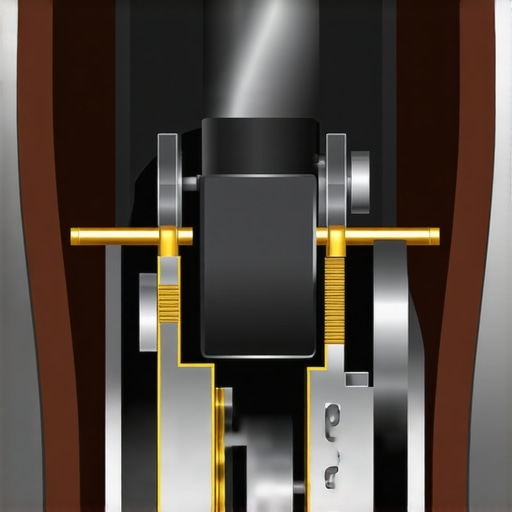
Hydraulic Resistance That Mimics a Hard Mechanical Jam
In some sophisticated transmission architectures, the physical ability to move the shifter is tied to internal hydraulic pressures managed by the valve body. If a check ball within the valve body becomes lodged or if the fluid has oxidized to the point of losing its viscosity parameters, it can create a ‘hydraulic lock’ scenario. This is why consistent car service is about more than just engine oil; it is about maintaining the chemical integrity of the transmission fluid. According to the Automatic Transmission Rebuilders Association (ATRA), many shifting ‘failures’ are actually the result of contaminated fluid preventing the manual valve from sliding freely within its bore. When this happens, the shifter feels physically welded in place, even if every electrical signal is perfect.
Could an Out-of-Sync Steering Angle Sensor Actually Prevent Shifting?
It sounds like a stretch of logic, but in the world of integrated vehicle diagnostics, it is a reality for several European and Japanese luxury brands. Modern stability control systems require a ‘handshake’ between the steering angle sensor and the transmission control module. If the vehicle’s computer detects a massive discrepancy—suggesting the wheels are turned at an impossible angle while in Park—it may engage a safety lockout to prevent a potentially dangerous launch. This is often triggered after a battery replacement or a wheel alignment where the sensors weren’t recalibrated. Resolving such an issue requires a high-level scan tool to perform a ‘zero-point’ calibration, proving once again that modern transmission troubleshooting is as much about data management as it is about mechanical expertise.
Why Your Next Repair Might Involve a Laptop Rather Than a Wrench
We are entering an era where the ‘repair’ for a stuck shifter is a software patch. Manufacturers frequently release Technical Service Bulletins (TSBs) addressing ‘ghost’ codes in the shift-by-wire system. These digital anomalies can be caused by something as obscure as electromagnetic interference from a mobile phone charger plugged into the center console. When data packets on the CAN bus are corrupted, the transmission module may default to a ‘limp mode’ that prevents gear selection to protect the internal clutches. Expert auto repair now necessitates an understanding of these digital architectures. If your vehicle is behaving erratically, don’t assume the hardware is dead. Instead, consider whether your car’s operating system simply needs an update to better interpret the signals it receives from the brake and gear sensors. To ensure your vehicle’s software and hardware are in perfect harmony, contact our expert team today for a comprehensive system analysis.
The Engineering Behind the Shift Interlock Lockdown
Experiencing a gear shifter that refuses to move from the ‘Park’ position is a common yet deeply frustrating scenario that often signals a breakdown in the vehicle’s safety logic rather than a catastrophic mechanical failure. Modern auto repair has shifted away from purely mechanical linkages toward sophisticated electronic control systems. Since the early 1990s, manufacturers have implemented the Brake Transmission Shift Interlock (BTSI) as a mandatory safety protocol. This system ensures that the driver has depressed the brake pedal before the transmission can be engaged, preventing unintended acceleration. According to safety standards established by the National Highway Traffic Safety Administration (NHTSA), these systems are critical for preventing roll-away accidents, but when a single sensor or solenoid fails, the entire vehicle becomes effectively immobile.
Is Your Brake Light Switch Silently Sabotaging the Drivetrain?
The most frequent culprit in these lockouts is not the internal gears but a humble electronic component: the brake light switch. Located just above the brake pedal arm, this switch sends a vital signal to the Transmission Control Module (TCM) indicating the pedal is depressed. If this circuit fails, the shift interlock solenoid never receives the ‘release’ command. When performing vehicle diagnostics, an expert technician looks for more than just brake light functionality; they analyze the dual-circuit signals that many modern vehicles use. If you suspect this is the issue, you might find that the $12 fix for a car that will not shift out of park is often just a simple switch replacement or a blown fuse check.
Why Do Minor Voltage Drops Mimic Total Transmission Failure?
Electrical integrity is the backbone of modern shifting. A weak battery or a corroded ground wire can drop the voltage just enough to prevent the solenoid from pulling the locking pin back, even if the lights on your dashboard seem bright. This is where advanced car service routines prove their worth. By measuring the duty cycle of the solenoid via a high-end scan tool, professionals can differentiate between a mechanical jam and an electrical deficiency. If your car has been struggling with other electrical gremlins, it is worth reviewing transmission failures decoded to see if your symptoms align with wider system issues involving the solenoid pack or the neutral safety switch.
The Role of Precision Diagnostics in Resolving Shift Issues
Attempting to force a stuck shifter can lead to expensive damage to the center console or the linkage cables. Instead, leveraging the hidden world of vehicle diagnostics allows for a non-invasive look into the car’s internal logic. Often, a stored fault code in the Body Control Module (BCM) will point directly to the failed component. If you find yourself stranded, most vehicles have a shift lock override—usually a small slot near the shifter—to manually bypass the solenoid, but remember that this is a temporary measure. For a permanent resolution, schedule a professional consultation to ensure your safety systems are functioning as engineered. Contact our expert team today to diagnose your shifting issues before they leave you permanently stranded on the roadside.
When Plastic and Metal Fail Below the Center Console
While electronic signals usually dictate the shifter’s movement, the physical connection between your hand and the gearbox is equally susceptible to failure. Modern automatic transmissions utilize a series of nylon bushings and heavy-duty cables that can stretch or snap over thousands of cycles. If the interlock solenoid is clicking but the lever remains immovable, the issue often resides in a jammed linkage or a degraded bushing. For many vehicle owners, the 10-minute fix for a loose shift linkage can resolve a ‘mushy’ shifter feel before it leads to a total lockout. Expert technicians often find that road debris or heat from the exhaust system has compromised the cable’s protective sleeve, creating friction that the interlock solenoid simply cannot overcome.
Why Does the Shifter Move Freely Only When the Engine is Off?
This specific symptom is a diagnostic goldmine for professionals. When a shifter operates perfectly with the engine off but locks up once the vehicle is running, it often points to a vacuum-related or hydraulic pressure issue within the transmission itself. In some older designs, engine vacuum was used to modulate shift timing, and a leak could create physical resistance in the internal valving. According to technical standards published by SAE International, the integration of electronic ‘shift-by-wire’ systems was designed to eliminate these mechanical headaches, but it introduced a new layer of software dependencies. If your vehicle exhibits this behavior, it is crucial to investigate transmission troubles and how to save time and money with targeted repairs rather than assuming the entire gearbox requires an overhaul.
Neutral Safety Switches and the Logic of Detection
The neutral safety switch (NSS) serves as the gatekeeper for the starting and shifting circuit. Its primary job is to confirm that the transmission is in either ‘Park’ or ‘Neutral’ before allowing the engine to fire. However, if the NSS is misaligned or contaminated by oil, it may send a ‘false’ signal to the vehicle’s computer, indicating that the car is in a drive gear even when it is physically in Park. This discrepancy will keep the shift interlock engaged as a safety precaution. This scenario highlights why professional vehicle diagnostics are superior to simple parts swapping; a technician can use a multimeter to verify the exact resistance values of the switch, ensuring that the car service performed actually addresses the root cause rather than just the symptoms.
Environmental Threats to Your Shifting Logic
Temperature extremes and cabin cleanliness play surprisingly large roles in shifter reliability. In northern climates, the grease inside the shifter assembly can thicken to a clay-like consistency, preventing the small locking pin from retracting fully. You might notice that your transmission shifts hard when the engine is cold, which is often mirrored by a stubborn shifter lever. Furthermore, the center console is a magnet for liquid spills. Coffee or soda can seep into the interlock solenoid, creating a sticky residue that physically glues the locking mechanism in place. If you are struggling with a shifter that feels physically stuck rather than electronically locked, a thorough cleaning of the internal mechanism might be the only ‘repair’ you actually need. Have you dealt with a shifter that only works after the car warms up? Let us know in the comments, or find out how to find reliable car service near you in 2025 to get a professional evaluation before your next road trip.
When Data Packets Clash on the CAN Bus Network
In the era of interconnected vehicle modules, the shift interlock is no longer just a physical wire; it is a digital handshake. Modern vehicle diagnostics frequently uncover issues where the hardware is perfectly intact, but the communication protocol has failed. When you press the brake pedal, the Brake Control Module sends a ‘status: depressed’ data packet over the Controller Area Network (CAN bus). The Body Control Module (BCM) must interpret this and relay a command to the transmission. If there is electromagnetic interference or a high-resistance short in the CAN High or CAN Low lines, this message never arrives. High-level car service now requires the use of an oscilloscope to visualize these data packets, ensuring that the ‘digital noise’ isn’t what’s keeping your vehicle in Park.
Can a Blown Brake Light Fuse Actually Lock Your Shifter?
It seems improbable that a minor electrical protection device could immobilize a two-ton vehicle, but in many Toyota and Ford architectures, the shift interlock solenoid is wired directly into the same circuit as the brake lights. If you have a short-circuit in your trailer wiring or a corrupted bulb socket that pops that fuse, the solenoid loses its power source entirely. This is why checking the fuse box is the first step in any expert-level diagnostic routine. Before assuming you need a major transmission repair, verify that your brake lights are actually illuminating; if they aren’t, the solution might be a $0.50 piece of plastic rather than a multi-hundred-dollar sensor replacement. For more on these surprising electrical links, see the $12 fix for a car that will not shift out of park.
Security System Faults that Hold Your Gearbox Hostage
Anti-theft systems are designed to be intentionally intrusive to prevent unauthorized vehicle movement. If the immobilizer system detects a discrepancy—perhaps due to a dying key fob battery or a failing transceiver in the steering column—it may allow the engine to start but refuse to release the shifter. This is a ‘soft lockout’ intended to prevent a thief from driving the car away even if they have bypassed the ignition. Advanced technicians use bi-directional scan tools to query the Immobilizer Control Module for ‘unauthorized start’ flags. If you suspect your security system is overreacting, it may be worth investigating the hidden world of vehicle diagnostics to see how modern BCMs handle security-related lockouts.
Functional Safety Standards and the Shift-by-Wire Era
As we move toward electric and autonomous vehicles, the traditional shift lever is being replaced by buttons, dials, and touchscreens—a system known as shift-by-wire. These systems must adhere to strict functional safety standards, such as those outlined in ISO 26262, which governs road vehicle electronic safety. In a shift-by-wire setup, an electric actuator on the transmission housing does the actual work of moving the internal park pawl. If the actuator’s internal position sensor disagrees with the driver’s input by even a few millimeters, the system will default to a locked ‘safe state.’ This level of complexity means that auto repair for modern luxury vehicles often involves software recalibrations rather than grease and wrenches. If your electronic shifter is flashing or refusing to engage, it might be time to contact our expert team today to perform a module reset and diagnostic sweep.
Physical Degradation Inside the Shifter Housing
While we often blame sensors, the mechanical pivot points within the floor shifter assembly are prone to silent wear that mimics electronic failure. Over time, the factory-applied synthetic grease attracts dust and particulate matter, transforming into an abrasive paste that grinds down nylon bushings. This creates a ‘tolerance stack-up’ where the interlock solenoid fires correctly, but the physical gate remains misaligned by a fraction of a millimeter. In high-mileage vehicles, this mechanical drift is a frequent cause of intermittent lockouts that defy basic auto repair logic. A skilled technician won’t just replace the solenoid; they will inspect the entire throw of the cable to ensure no fraying has occurred within the protective sheath, which can create enough friction to overcome the solenoid’s pulling force.
Hydraulic Resistance That Mimics a Hard Mechanical Jam
In some sophisticated transmission architectures, the physical ability to move the shifter is tied to internal hydraulic pressures managed by the valve body. If a check ball within the valve body becomes lodged or if the fluid has oxidized to the point of losing its viscosity parameters, it can create a ‘hydraulic lock’ scenario. This is why consistent car service is about more than just engine oil; it is about maintaining the chemical integrity of the transmission fluid. According to the Automatic Transmission Rebuilders Association (ATRA), many shifting ‘failures’ are actually the result of contaminated fluid preventing the manual valve from sliding freely within its bore. When this happens, the shifter feels physically welded in place, even if every electrical signal is perfect.
Could an Out-of-Sync Steering Angle Sensor Actually Prevent Shifting?
It sounds like a stretch of logic, but in the world of integrated vehicle diagnostics, it is a reality for several European and Japanese luxury brands. Modern stability control systems require a ‘handshake’ between the steering angle sensor and the transmission control module. If the vehicle’s computer detects a massive discrepancy—suggesting the wheels are turned at an impossible angle while in Park—it may engage a safety lockout to prevent a potentially dangerous launch. This is often triggered after a battery replacement or a wheel alignment where the sensors weren’t recalibrated. Resolving such an issue requires a high-level scan tool to perform a ‘zero-point’ calibration, proving once again that modern transmission troubleshooting is as much about data management as it is about mechanical expertise.
Why Your Next Repair Might Involve a Laptop Rather Than a Wrench
We are entering an era where the ‘repair’ for a stuck shifter is a software patch. Manufacturers frequently release Technical Service Bulletins (TSBs) addressing ‘ghost’ codes in the shift-by-wire system. These digital anomalies can be caused by something as obscure as electromagnetic interference from a mobile phone charger plugged into the center console. When data packets on the CAN bus are corrupted, the transmission module may default to a ‘limp mode’ that prevents gear selection to protect the internal clutches. Expert auto repair now necessitates an understanding of these digital architectures. If your vehicle is behaving erratically, don’t assume the hardware is dead. Instead, consider whether your car’s operating system simply needs an update to better interpret the signals it receives from the brake and gear sensors. To ensure your vehicle’s software and hardware are in perfect harmony, contact our expert team today for a comprehensive system analysis.
Expert Insights and Advanced Shifting Considerations
Look Beyond the Component to the Network Signal
In contemporary automotive architecture, a shifter that won’t move is rarely just a bad piece of plastic; it is a data disagreement. When performing vehicle diagnostics, professionals often find that the problem lies in the Body Control Module failing to broadcast a ‘brake applied’ message across the network. If your dashboard displays a ‘service transmission’ light but the car drives fine once forced out of gear using the override, you likely have a soft communication error rather than a hard mechanical failure.
Why Voltage Drop Testing Beats a Multimeter Continuity Check
A common mistake in DIY auto repair is checking a fuse or switch for simple continuity. A circuit can show 12 volts but fail to carry the amperage required to pull a solenoid pin. High-level car service involves loading the circuit to see if the voltage collapses under stress. This explains why a car might shift fine with the engine off but lock up when the alternator is pushing a full load.
Don’t Ignore the Sticky Soda Factor in Console Failures
We often look for complex electronic ghosts when the culprit is literally a spilled drink from months ago. Sugar-based residues inside the shifter gate act as a permanent adhesive once they dehydrate. Before authorizing a full transmission teardown, a technician should perform a physical drag test on the interlock pin to ensure it isn’t simply glued in place by cabin debris.
Curated Expert Resources
ASE (National Institute for Automotive Service Excellence): The gold standard for certifying technicians who specialize in transmission and electronic systems. Use their directory to find shops that prioritize ongoing education over guesswork.
iATN (International Automotive Technicians Network): A massive peer-to-peer database where world-class mechanics document rare failure patterns, including obscure shift-by-wire software glitches.
ALLDATA Repair Databases: Professional-grade technical service bulletins (TSBs) that reveal if your specific vehicle year has a known recall or software update for shifter lockouts.
Final Expert Perspective
Resolving a vehicle that is stuck in Park requires a disciplined approach that balances mechanical intuition with digital proficiency. Whether the issue is the $12 fix for a car that will not shift out of park or a complex CAN bus communication error, the goal of modern vehicle diagnostics is to restore the digital handshake between the driver’s intent and the car’s safety logic. By understanding that your transmission is part of a larger, interconnected ecosystem, you can avoid unnecessary parts-swapping and focus on targeted, data-driven repairs. For those struggling with intermittent lockouts, learning how to get your car out of limp mode without a tow truck can provide a temporary reprieve, but a permanent fix requires professional expertise. Contact our expert team today to ensure your vehicle remains as reliable as the day it left the showroom.