The High-Speed Physics of Impending Turbo Catastrophe
In the realm of advanced internal combustion, the turbocharger operates at the absolute edge of physical limits. Spinning at speeds exceeding 200,000 RPM while enduring exhaust gas temperatures that can soar above 1,000°C, these components are precision instruments that require meticulous oversight. When a turbocharger fails, it rarely happens in a vacuum; it is typically the final stage of a systemic issue involving oil quality, thermal management, or filtration. Expert vehicle diagnostics focus on identifying the minute deviations in performance that precede a catastrophic mechanical seizure. Unlike a standard auto repair, which might simply replace a broken part, a true diagnostic approach seeks to understand the operational context that led to the degradation. Identifying these signs early can save the engine from ingesting metal shards, a scenario that turns a manageable repair into a full powertrain replacement.
Acoustic Warnings That Signal a Bearing Surface Breakdown
The most immediate indicator of a turbocharger’s declining health is often auditory. While a healthy turbo produces a rhythmic, high-pitched spooling sound, a failing unit transitions into what technicians often call the ‘dentist drill’ or the ‘siren.’ This sound usually indicates that the turbine or compressor wheel is making contact with the housing due to excessive shaft play. As the bronze or ball bearings wear down, the precision clearance—often measured in microns—is lost. According to technical documentation from Garrett Motion, oil contamination is the primary driver of this bearing wear, where microscopic particulates act as an abrasive, grinding down the shaft’s support system. If you begin to hear a metallic scraping or a whining sound that correlates with boost pressure, you must investigate how to tell if your turbo is failing before it blows to prevent total compressor wheel disintegration.
Why does your boost pressure drop without a visible intake leak?
When drivers experience a ‘sluggish’ response or a failure to reach target boost levels, the immediate suspicion is often a split intercooler hose or a loose clamp. However, internal turbocharger failure can cause identical symptoms. Carbon buildup on the Variable Geometry Turbo (VGT) vanes or a failing wastegate actuator can prevent the system from regulating pressure effectively. Over time, heat soak and oil carbonization create ‘coking,’ which physically jams the mechanisms that control the exhaust flow. This is why a professional car service involves more than just reading trouble codes; it requires a physical inspection of the bypass valves and actuator movement. If your car is struggling to maintain boost, it may be struggling against its own internal friction.
Visual Inspection Tactics for Professional Technicians
A rigorous diagnostic process must include a visual check of the ‘wet’ and ‘dry’ sides of the system. Removing the intake boot to inspect the compressor wheel fins for ‘pitting’ or ‘chipping’ is essential. These defects are often caused by Foreign Object Damage (FOD), such as dust particles that bypassed a low-quality air filter. Furthermore, finding oil pooling in the intercooler pipes is a definitive sign that the internal seals have failed, allowing high-pressure oil to bypass the bearing housing and enter the combustion chamber. This not only reduces efficiency but can also lead to a dangerous ‘runaway’ condition in diesel engines. If you notice blue smoke from the tailpipe during heavy acceleration, your turbo seals are likely compromised. If you suspect your forced induction system is compromised, contact our team today to schedule a high-level diagnostic assessment before minor wear becomes a major failure.
Why Killing the Engine Instantly After a Hard Drive Cooks Your Bearings
One of the most pervasive yet destructive habits in modern driving is the ‘hot shut-off.’ When you finish a spirited drive or pull off the highway, the turbocharger is often still glowing from thermal load. If you cut the ignition immediately, the flow of pressurized oil—the turbo’s only cooling and lubrication source—stops instantly. The remaining oil trapped in the bearing housing is subjected to extreme residual heat, leading to a process known as ‘coking.’ This creates hard carbon deposits that act like sandpaper the next time you start the car. Expert technicians often find that engine temperature spikes are not just about the radiator; they are symptoms of poor thermal management in the forced induction loop. Allowing the engine to idle for sixty seconds provides a thermal ‘sink’ that preserves the integrity of the shaft and seals.
The Critical Relationship Between Oil Pressure and Shaft Stability
The turbocharger does not use traditional solid bearings; it relies on a hydrodynamic oil film to suspend the shaft. If oil pressure drops even momentarily, the shaft makes metal-to-metal contact with the housing at six-figure RPMs. This is why paying attention to why your car oil light comes on at idle is paramount for turbo health. Even a minor restriction in the oil feed line can lead to starvation. According to technical bulletins from BorgWarner, oil starvation accounts for nearly 40% of all premature turbocharger failures. If the feed line is old or the oil has been degraded by extended change intervals, the resulting friction will eventually snap the turbine shaft or cause the compressor wheel to seize entirely.
Can a Faulty $20 Sensor Masquerade as a Blown Turbocharger?
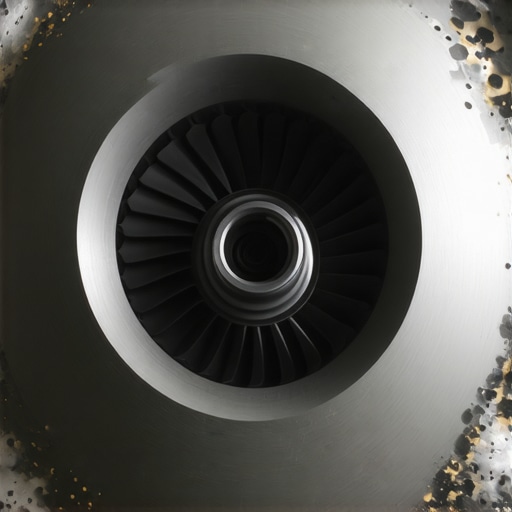
Diagnostic confusion often arises when a vehicle enters ‘limp mode’ or exhibits massive power loss. While a mechanic might be quick to quote a full turbo replacement, the culprit is frequently the Manifold Absolute Pressure (MAP) sensor or the Boost Control Solenoid. If these sensors provide ‘irrational’ data to the ECU, the computer will aggressively vent boost to protect the engine. Utilizing the $20 scan tool can often reveal that the turbo is mechanically sound, but its electronic ‘brain’ is confused. Before committing to a four-figure repair, ensure that the vacuum lines and electrical connectors are intact; a simple cracked hose can mimic the symptoms of a catastrophic turbine failure.
Exhaust Backpressure and the Hidden Cost of Clogged Catalytic Converters
The efficiency of a turbocharger is entirely dependent on the pressure differential between the exhaust manifold and the downpipe. If your exhaust system is restricted—perhaps due to a failing catalytic converter or a crushed pipe—the exhaust gases cannot escape quickly enough. This creates ‘backpressure’ that fights against the turbine wheel, forcing it to work harder to achieve the same boost levels. This added stress significantly increases the operating temperature of the turbo’s internal components. If you suspect your performance is lagging, it is worth learning how to tell if your catalytic converter is actually clogged. Addressing an exhaust restriction early can prevent the thermal runaway that eventually melts turbine blades. For those seeking to master their own vehicle’s health, we recommend exploring our guide on expert auto repair tips for 2025 to stay ahead of these complex mechanical interactions. Have you ever experienced a sudden loss of boost? Share your diagnostic journey in the comments below to help others avoid unnecessary part-swapping.
Stop Heat Soak From Killing Your Volumetric Efficiency
While the turbocharger is the heart of a forced induction system, the intercooler acts as its lungs. As air is compressed, its temperature rises according to the laws of thermodynamics, often reaching levels that would cause immediate pre-ignition if left unchecked. A heat-soaked intercooler—one that can no longer effectively transfer heat to the ambient air—forces the turbo to work significantly harder to maintain the same oxygen density. This increased load leads to a ‘death spiral’ where the turbo generates more heat to compensate for the lack of air density, eventually exceeding the thermal limits of the turbine housing. High-level vehicle diagnostics often involve measuring the delta between the compressor outlet temperature and the intake manifold temperature to ensure the cooling loop is performing within its design parameters. If this delta shrinks, your turbo is likely living on borrowed time.
Why a dirty air filter might be sucking oil through your seals?
It is a common misconception that oil found in the compressor housing always indicates a blown turbo seal. In many nuanced diagnostic cases, the culprit is actually a severely restricted air filter. When the engine demands air that the filter cannot provide, a powerful vacuum is created within the intake pipe. This vacuum can reach levels high enough to physically pull oil past the turbo’s dynamic seals, even if those seals are in perfect mechanical condition. This phenomenon, often mistaken for catastrophic hardware failure, highlights why a comprehensive auto repair must begin with the simplest components of the induction tract. Before you condemn a turbocharger for ‘leaking oil,’ verify that the intake system is breathing freely without obstruction.
Replace Factory Oil Lines to Save Your Turbine Shaft
The small-diameter oil feed lines installed by many manufacturers are prone to internal collapses and micro-clogging over several years of heat cycles. Even if the rest of your engine receives frequent maintenance, these narrow passages can become restricted by microscopic sludge, creating a ‘silent starvation’ scenario. Unlike a total oil pressure failure, this restriction provides just enough oil to prevent immediate seizure but not enough to maintain the hydrodynamic wedge required for high-speed stability. Technical studies from Mitsubishi Heavy Industries (MHI) emphasize that ensuring a laminar, unrestricted flow of oil is the single most important factor in extending the life of a journal-bearing turbo. Upgrading to braided stainless steel lines with a slightly larger internal diameter can provide the safety margin necessary for tuned or high-mileage engines. If you are unsure about the state of your lubrication system, contact our team today for a professional pressure-drop test. 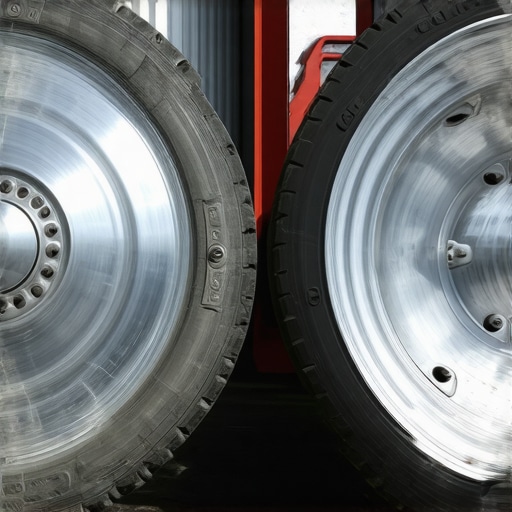
Why Billet Compressor Wheels Outperform Traditional Castings
In the world of high-performance turbocharging, the transition from cast aluminum to MFS (Machined From Solid) billet compressor wheels represents a significant leap in both durability and aerodynamics. Cast wheels are created by pouring molten metal into a mold, which can leave microscopic porosity—tiny air bubbles that create weak points. Under the immense centrifugal force of 200,000 RPM, these weaknesses can lead to blade fatigue and eventually ‘bursting.’ Billet wheels, however, are carved from a single block of high-grade forged aluminum, allowing for thinner blade profiles and more aggressive geometries that can move more air with less mass. This reduction in rotating assembly weight doesn’t just improve throttle response; it reduces the gyroscopic load on the thrust bearings, which is a critical factor in preventing premature axial play. When we look at expert auto repair tips for 2025, the focus is increasingly on these metallurgical upgrades that solve the inherent weaknesses of factory-spec hardware.
The Delicate Balance of Wastegate Flapper Tension
The wastegate is the primary regulator of exhaust energy, and its mechanical health is often overlooked until a boost-related fault code appears. Over time, the internal spring of the wastegate actuator loses its tension due to constant heat cycles, or the ‘flapper’ valve itself develops a rattle. A loose flapper allows exhaust gases to bypass the turbine wheel prematurely, leading to sluggish spool times and an inability to reach peak boost targets. Adjusting the preload on the actuator arm is a high-precision task; even a single millimeter of difference can change the boost curve significantly. In many modern vehicles, this is further complicated by electronic wastegate actuators (EWG) that require a specific voltage calibration through a scan tool to ensure the ECU knows the exact position of the valve. The relationship between the spring pressure, the exhaust backpressure, and the ECU’s duty cycle command is what defines the driving characteristics of a turbocharged engine, and any deviation in this mechanical harmony leads to…
…erratic power delivery and potential ‘overboost’ conditions that can shatter engine internals. When a wastegate fails to open, the turbo becomes an unregulated furnace, pushing manifold pressures far beyond the structural limits of head gaskets and piston rings. Ensuring the mechanical freedom of the wastegate arm is a staple of advanced vehicle diagnostics, as even a small amount of corrosion on the pivot pin can lead to catastrophic engine lean-out conditions.
Tame the Violent Pressure Spikes of Compressor Surge
When you abruptly lift off the throttle while under heavy boost, the air column moving toward the engine has nowhere to go. Without a functional relief mechanism, this pressurized air slams back into the spinning compressor wheel, causing a phenomenon known as ‘compressor surge.’ This reverse pressure wave creates immense axial load on the thrust bearings, literally trying to push the turbocharger shaft out of the back of the housing. High-performance auto repair experts prioritize the inspection of the blow-off valve (BOV) or diverter valve to ensure it reacts fast enough to vent this pressure. A failing valve doesn’t just cause a ‘fluttering’ sound; it causes micro-fractures in the shaft that will eventually lead to a total mechanical snap under load.
Can an improperly vented blow-off valve actually shatter your compressor wheel?
Yes, and the physics are unforgiving. If the surge is aggressive enough, the rapid deceleration of the compressor wheel against the incoming air can cause the blades to flex and strike the housing. This ‘blade slap’ at 150,000 RPM results in instant disintegration. Expert technicians look for signs of ‘trailing edge’ wear on the blades, which indicates the turbo has been fighting back-pressure for extended periods. If your car makes a distinct ‘chirping’ noise during shifts, your relief valve is likely sticking, and your turbo is absorbing the shock. This is why a routine car service should always include a vacuum-leak test on the boost control lines to ensure the BOV receives a clean signal to open.
Look Closely for Thermal Fatigue Inside the Turbine Housing
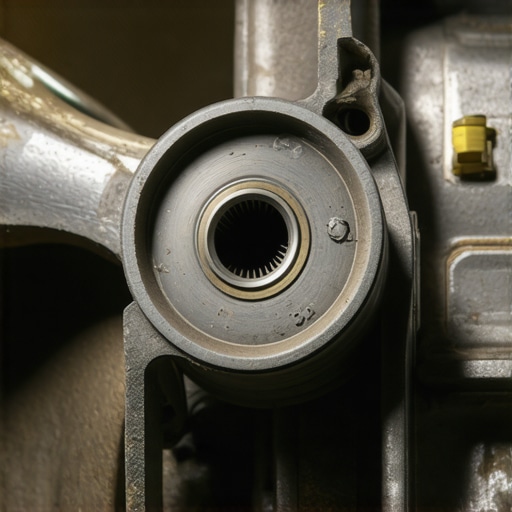
The exhaust-side housing, or volute, is subjected to the most extreme temperature fluctuations found in any consumer machine. Over thousands of heat cycles, the iron or stainless steel begins to develop micro-cracks, particularly around the wastegate port. According to a technical study published by SAE International, the cyclical nature of heating and cooling creates a phenomenon called ‘low-cycle fatigue,’ which eventually leads to the structural compromise of the turbine volute. While small hairline cracks are common and sometimes benign, any crack that extends toward the bearing housing is a ticking time bomb. These cracks allow exhaust gases to bypass the turbine wheel, reducing efficiency and eventually causing the housing to warp, which can lead to an catastrophic internal seize. Professional inspection often requires a borescope to see these hidden failures before they leave you stranded.
Why Your ECU Might Be Pulling Timing Due to High Intake Temperatures
Advanced engine management systems are designed to protect themselves at all costs. If your turbocharger is inefficient—perhaps due to worn bearings or a clogged intercooler—the intake air temperatures (IATs) will skyrocket. When the ECU sees IATs climbing above a safe threshold, it will ‘pull’ or retard ignition timing to prevent detonation. This results in a massive loss of power that many drivers mistake for a transmission slip or a fuel pump issue. Real-world turbo diagnostics involve data logging these temperature deltas. If you notice your car feels significantly slower on hot afternoons, your turbocharger’s thermal efficiency may be compromised. If you suspect your forced induction system is losing its edge, don’t wait for a total breakdown; contact our team today to schedule a comprehensive boost-system health check and preserve your engine’s longevity.
Mastering the Fine Margins of Forced Induction
The Oil Feed Line is a Wear Item Not a Lifetime Part
Seasoned technicians recognize that the narrow oil feed line leading to the turbo is the engine’s most sensitive artery. Over hundreds of heat cycles, the internal walls can degrade or develop microscopic carbon deposits that restrict flow without triggering a full pressure drop warning. Replacing these lines every 60,000 miles is a cheap insurance policy compared to the four-figure cost of a turbine seizure. If you have ever wondered why your car oil light comes on at idle, it could be the first sign that your lubrication system can no longer support the high-demand requirements of a spinning turbine shaft.
Don’t Trust Generic Electronic Boost Controllers
While aftermarket controllers promise more power, they often lack the sophisticated safety logic found in modern ECUs. A generic controller may fail to account for high intake air temperatures or lean fuel conditions, pushing the turbo into a surge zone that causes immediate mechanical fatigue. Professional vehicle diagnostics prioritize the factory wastegate duty cycle logic because it protects the engine’s volumetric efficiency. Using the $20 scan tool to monitor real-time boost deviations is a far safer way to optimize performance than bypassing the computer’s built-in safeguards.
Thermal Imaging Reveals What the ECU Cannot See
Beyond traditional sensors, utilizing an infrared thermal camera can pinpoint ‘dead spots’ in an intercooler or detect uneven heat distribution across the exhaust manifold. These thermal gradients often signal internal restrictions or failing catalytic converters before a mechanical failure occurs. Knowing how to tell if your catalytic converter is actually clogged through thermal delta measurements can prevent the backpressure that eventually cooks the turbo’s internal seals.
#IMAGE_PLACEHOLDER_E#
Where Professional Technicians Go for Data
Garrett Motion Knowledge Center: This is the gold standard for understanding the aerodynamics and metallurgy of modern forced induction systems, providing specific failure analysis charts that help differentiate between oil starvation and foreign object damage.
SAE International Technical Papers: For those seeking the deep physics of low-cycle thermal fatigue, SAE papers offer peer-reviewed data on how different metal alloys used in turbine housings react to extreme temperature fluctuations over time.
BorgWarner Performance Guides: These guides provide essential ‘match-bot’ tools and technical specifications that allow owners to understand the compressor maps of their specific units, ensuring they never operate outside the turbo’s efficiency island.
Synthesizing the Diagnostics for Long-Term Reliability
Modern turbochargers are masterpieces of engineering, but they are entirely dependent on the health of the systems surrounding them. Mastering how to tell if your turbo is failing before it blows requires more than just listening for a whistle; it demands a holistic look at oil quality, thermal management, and intake integrity. By integrating expert auto repair tips for 2025 into your maintenance routine, such as upgrading oil feed lines and performing regular boost leak tests, you can extend the life of your forced induction system significantly. If you suspect your vehicle’s performance is plateauing or if you’ve detected the early signs of a bearing groan, do not wait for the inevitable plume of smoke. Contact our team today for a precision diagnostic session that looks beyond the surface codes to find the root cause of your mechanical stress.